Spoilers for The Lord of the Rings: The Rings of Power season 3, episode 6 follow.
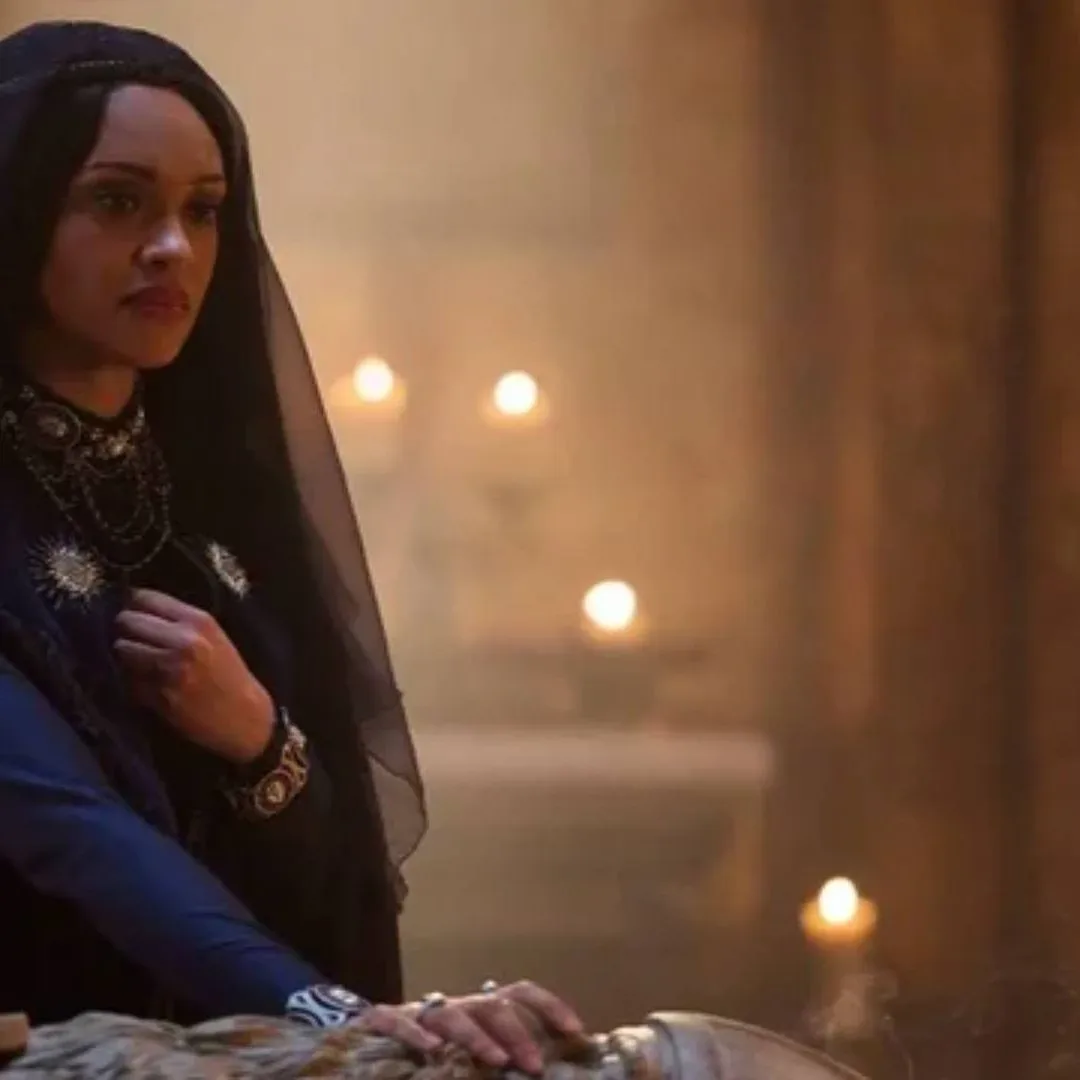
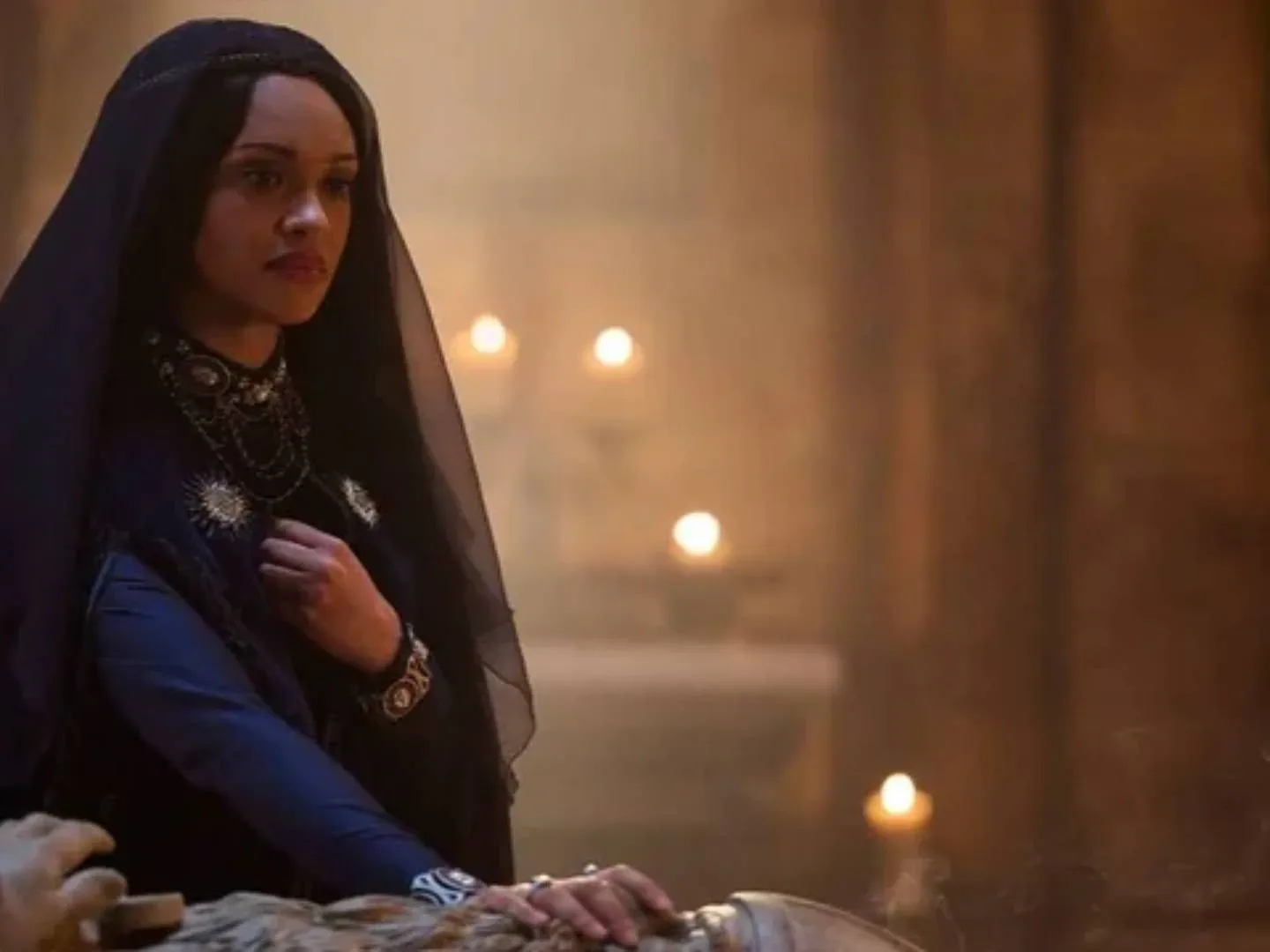
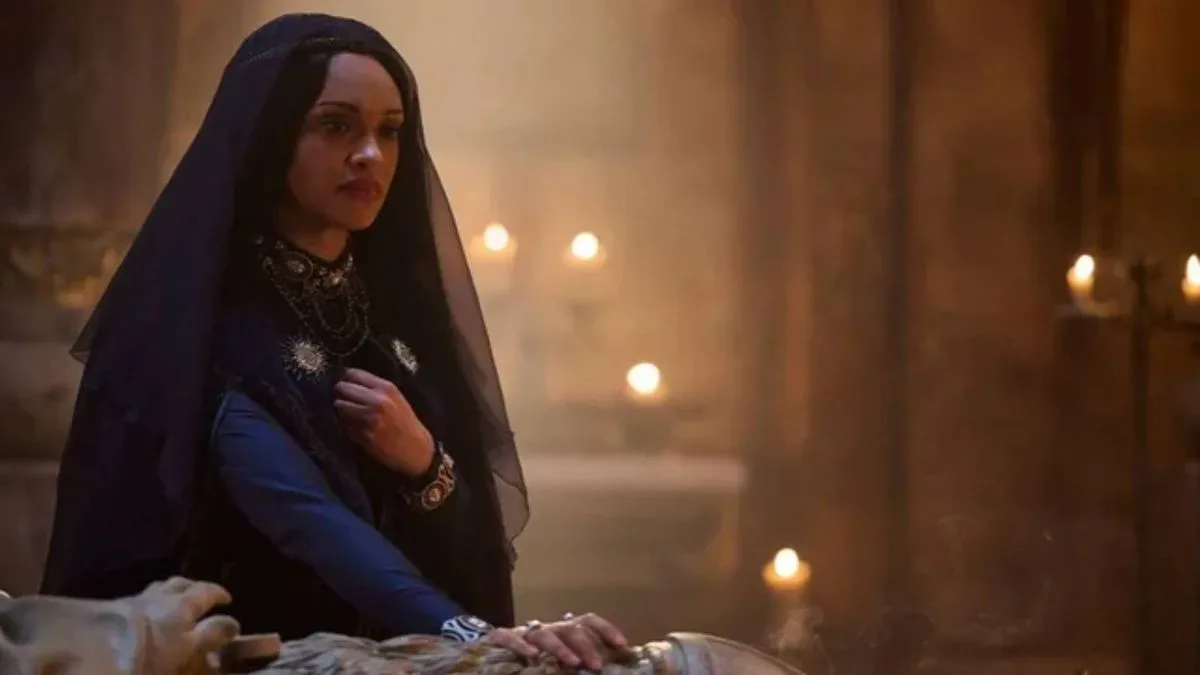
Episode 6 of The Lord of the Rings: The Rings of Power season 3 gives Queen Regent Miriel something she has been without since Mount Doom erupted in season 1: her sight. The change arrives during a quiet exchange with Gil-galad, High King of the Elves, but it is not presented as an unexplained personal power. The episode frames the restoration as an act made possible by Vilya, Gil-galad’s blue Elven Ring.
That matters for more than the immediate emotional shock. Miriel is about to negotiate with Pharazôn, her cousin and the King of Númenor, at a moment when Middle-earth’s future is under pressure. Her blindness has been both a personal loss and a political vulnerability. Gil-galad’s intervention gives her back the ability to meet an adversary face-to-face—and the scene explicitly turns that recovery into a call for Miriel to rally Númenor.
What happens when Gil-galad heals Miriel?
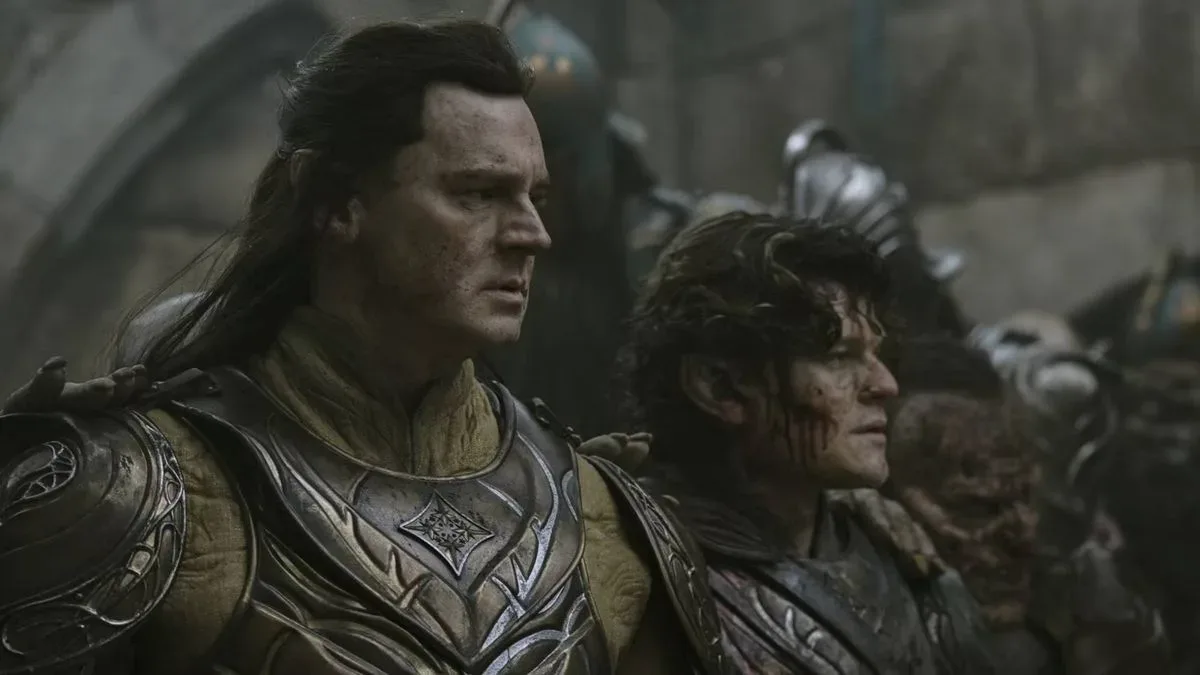
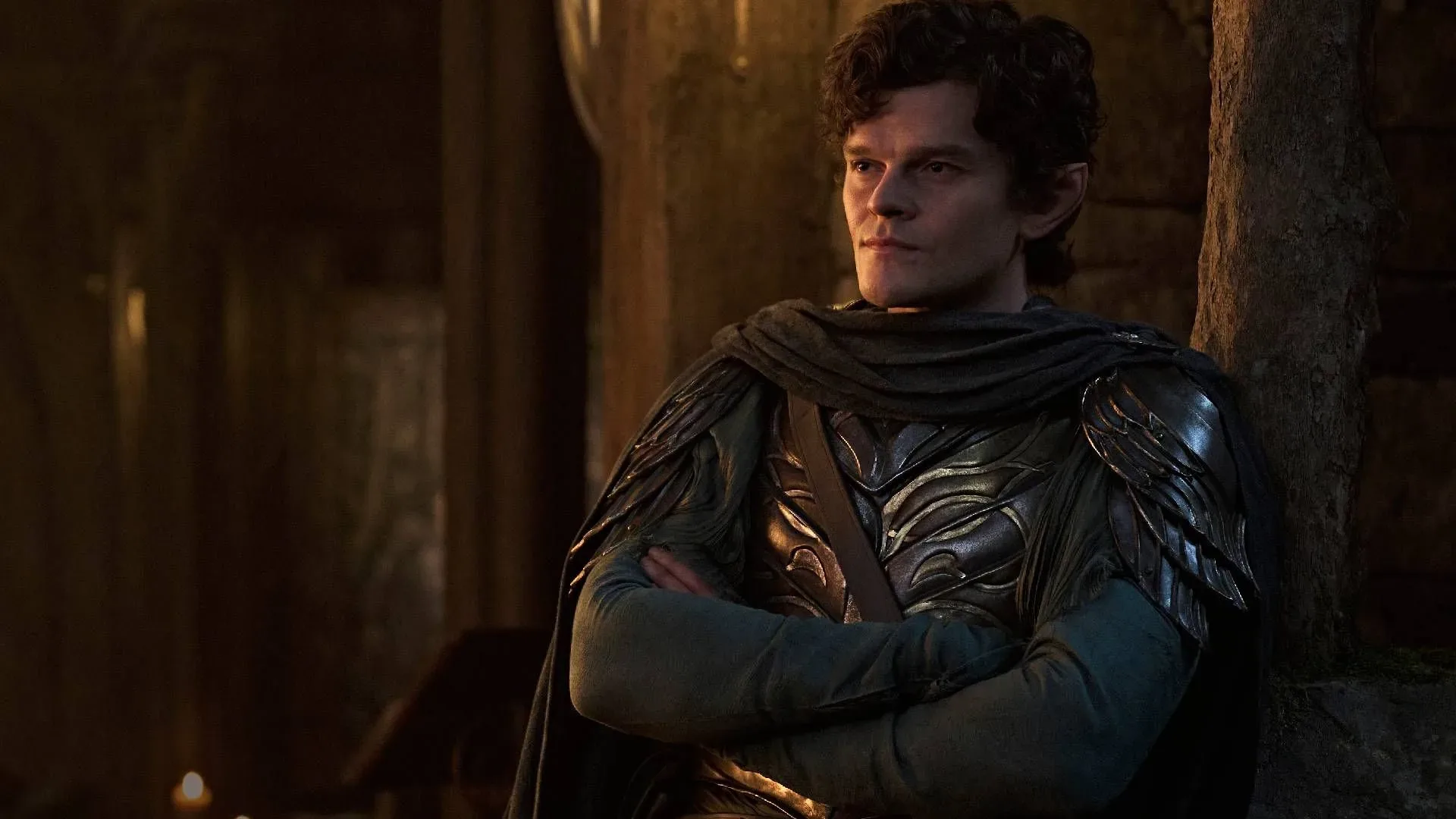
Gil-galad arrives with Elrond to relay that Pharazôn has agreed to parley. Isildur immediately distrusts the prospect and expects Númenor to reject it. Miriel sends Isildur away with Elrond, leaving herself and Gil-galad to speak privately.
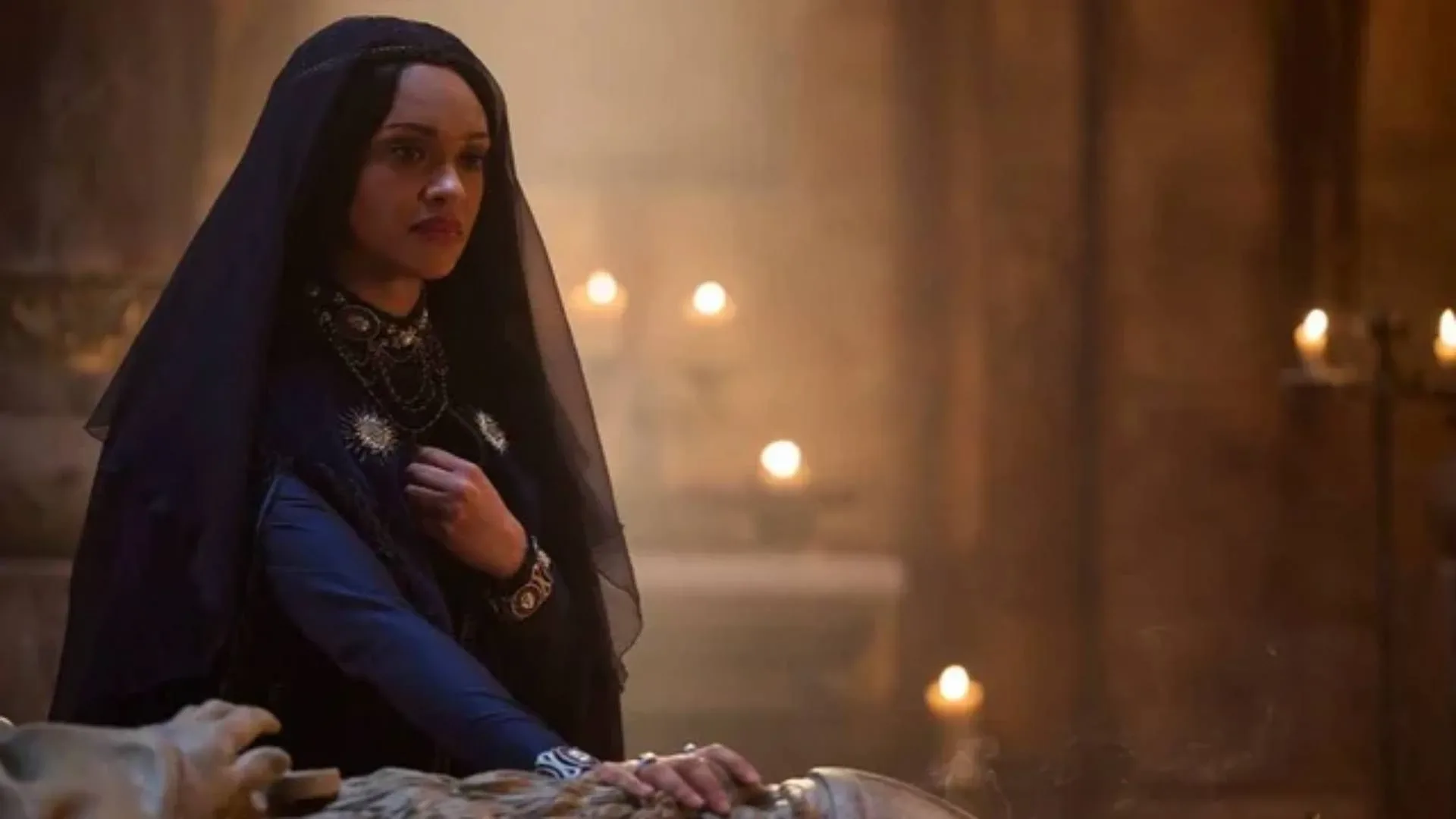
As they walk, Miriel voices two connected fears: the uncertainty surrounding Middle-earth and the prospect of sitting across from Pharazôn, described as the Lion of Númenor. Gil-galad argues that Pharazôn respects her and fears her, telling Miriel she approaches the negotiation with “sails full.” Miriel’s response cuts to the heart of her predicament: victory is difficult to envision when she cannot literally see the person across the table.
Gil-galad takes her hand. The episode draws attention to Vilya, and after a brief cut to black, the audience sees from Miriel’s still-blurred perspective. As her vision returns, she can make out her own hand for the first time since the Mount Doom eruption. Gil-galad tells her, “You are awake,” then delivers the scene’s larger imperative: “Now go awaken Númenor.”
The dialogue makes clear that this is not merely a curative gesture. Gil-galad is restoring a leader at a moment when Númenor needs one. Miriel’s ability to see again is immediately tied to her responsibility to act.
Vilya is the direct explanation
The show’s visual emphasis on the blue ring is the essential answer to how the healing happens. Vilya carries restorative power. It was forged by Celebrimbor, lord of Eregion, with the purpose of healing, renewal and resisting the decay brought by time.
In simple terms, restoration is Vilya’s defining magical function in this story. Gil-galad is not shown wielding a separate spell or innate ability that suddenly appears in episode 6. The ring is the instrument through which he repairs damage that has persisted since season 1.
The show has already established that capability in two major season 2 moments:
- Gil-galad uses Vilya to heal Galadriel after Sauron inflicts a mortal wound.
- He uses it to heal the dying Great Tree of Lindon.
Those examples establish a useful pattern. Vilya can affect both a grievously wounded person and a living symbol of an Elven realm. Miriel’s recovered sight therefore fits the show’s prior depiction of the ring rather than creating a new, unlimited power at the point the plot needs it.
Why does Gil-galad choose to help Miriel?
The immediate answer is compassion. Nothing in the episode suggests that Gil-galad is compelled to heal Miriel, or that the act is a condition of the upcoming talks. He chooses to use Vilya for her.
But the scene also has a clear political dimension. Miriel is not simply a bystander caught in a supernatural event. She is the Queen Regent of Númenor, and her dispute with Pharazôn comes at a moment of wider danger. Returning her sight improves her ability to enter a tense meeting with confidence and agency. Gil-galad’s words put the purpose plainly: her recovery should become a recovery of national resolve.
Miriel’s identity as one of the Faithful also gives the encounter thematic weight. The Faithful believe in the Valar, making her outlook distinct from the political forces ranged around Pharazôn. The episode does not say that faith itself mechanically causes the healing; the ring supplies the power. Instead, her beliefs help explain why a moment of Elven aid and renewal resonates so strongly with her character.
That distinction is important. Vilya is not portrayed as a reward system that activates because Miriel holds the correct beliefs. Gil-galad deliberately acts, and the ring’s established restorative quality is what enables the act. Miriel’s faith informs the meaning of the moment, while Vilya explains its mechanism.
Why the scene matters for the parley with Pharazôn
Miriel’s blindness has made her position more precarious ever since the catastrophe at Mount Doom. In episode 6, the approaching parley brings that vulnerability into sharp focus. Negotiation depends on more than words: a ruler reads expressions, commands a room and presents themselves as someone who can judge what is unfolding before them. By giving Miriel her vision back immediately before the meeting, the series changes the terms on which she faces Pharazôn.
Gil-galad’s reassurance that Pharazôn both respects and fears Miriel is also more pointed after the healing. The sequence suggests that Miriel’s authority has not disappeared during her blindness, but Vilya’s intervention equips her to wield that authority more visibly. It is an intimate act with public consequences.
There is also an important limitation built into the scene’s drama. Vilya can heal an injury, but it cannot automatically solve Númenor’s political fracture. Miriel may now be able to see Pharazôn, yet she still must persuade, negotiate and lead. The ring restores capacity; it does not remove conflict or make the coming decision for her.
How Vilya connects the show to the books
Vilya’s significance extends beyond this episode. In the books, Gil-galad eventually gives the ring to Elrond as the war between Sauron and the Elves begins. That background makes the close proximity of Gil-galad, Elrond and Vilya in episode 6 worth noting, even though the series is telling its own version of events and has not reached that handover in the material described here.
For viewers keeping track of the ring’s role in the show, the moment provides a practical reminder of why Vilya is more than a piece of royal regalia. It has repeatedly been used to preserve life and resist decline. That places it in contrast with scenes where power is expressed through conquest, intimidation or political maneuvering. Gil-galad uses an object of immense power to mend rather than dominate, and then asks Miriel to use her restored strength in service of her people.
The scene also underlines the stakes around every use of the Elven Rings. Vilya has now been connected to Galadriel’s survival, the restoration of the Great Tree of Lindon and Miriel’s sight. Its healing role is concrete, consequential and closely tied to leaders whose choices shape the fate of their realms.
What to watch in the final two episodes
Two episodes remain in season 3, leaving the Númenórean parley as the immediate thread to follow. Miriel enters it with renewed sight, while Pharazôn remains the political opponent she was preparing to face. The question is no longer whether she can look upon him; it is whether that restored clarity can alter Númenor’s course while the wider crisis in Middle-earth escalates.
Gil-galad’s final instruction is the scene’s real setup. “Awaken Númenor” frames Miriel’s healing as the beginning of a responsibility, not the end of a hardship. Her vision has returned, but the show’s remaining episodes must determine what she and Númenor do with it. For more genre-TV stakes centered on long-running character journeys, see how Fallout season 3 is positioning the Ghoul after his 200-year search.