Spoilers follow for The Rings of Power season 3, episode 5.
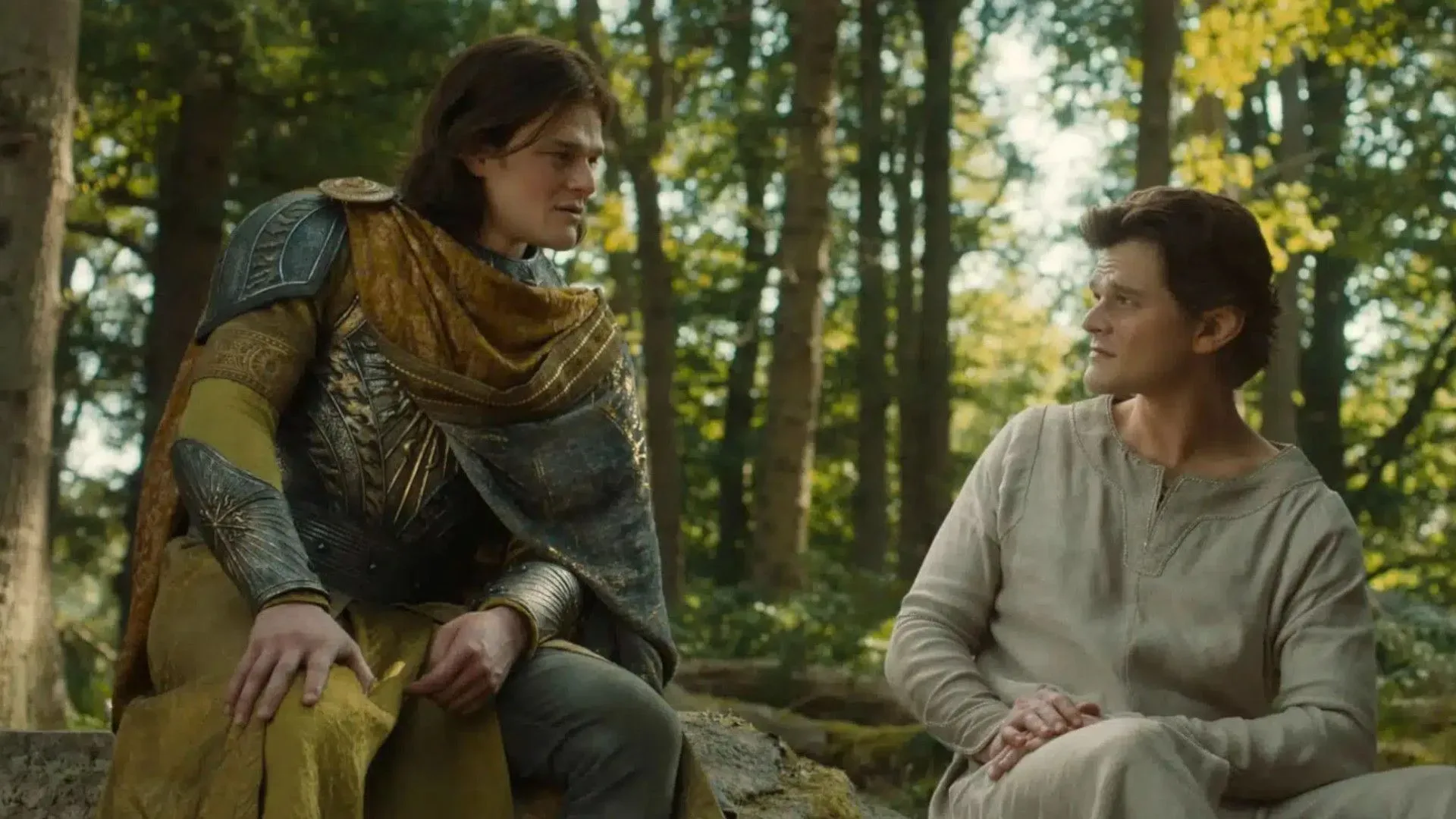
Not every major Middle-earth moment needs an army on the march, a forge blazing in the background, or a villain making an extremely ominous speech about destiny. Season 3 episode 5 of The Rings of Power instead pauses for a smaller scene with enormous consequences: a flashback in which Elrond meets with his twin brother, Elros.
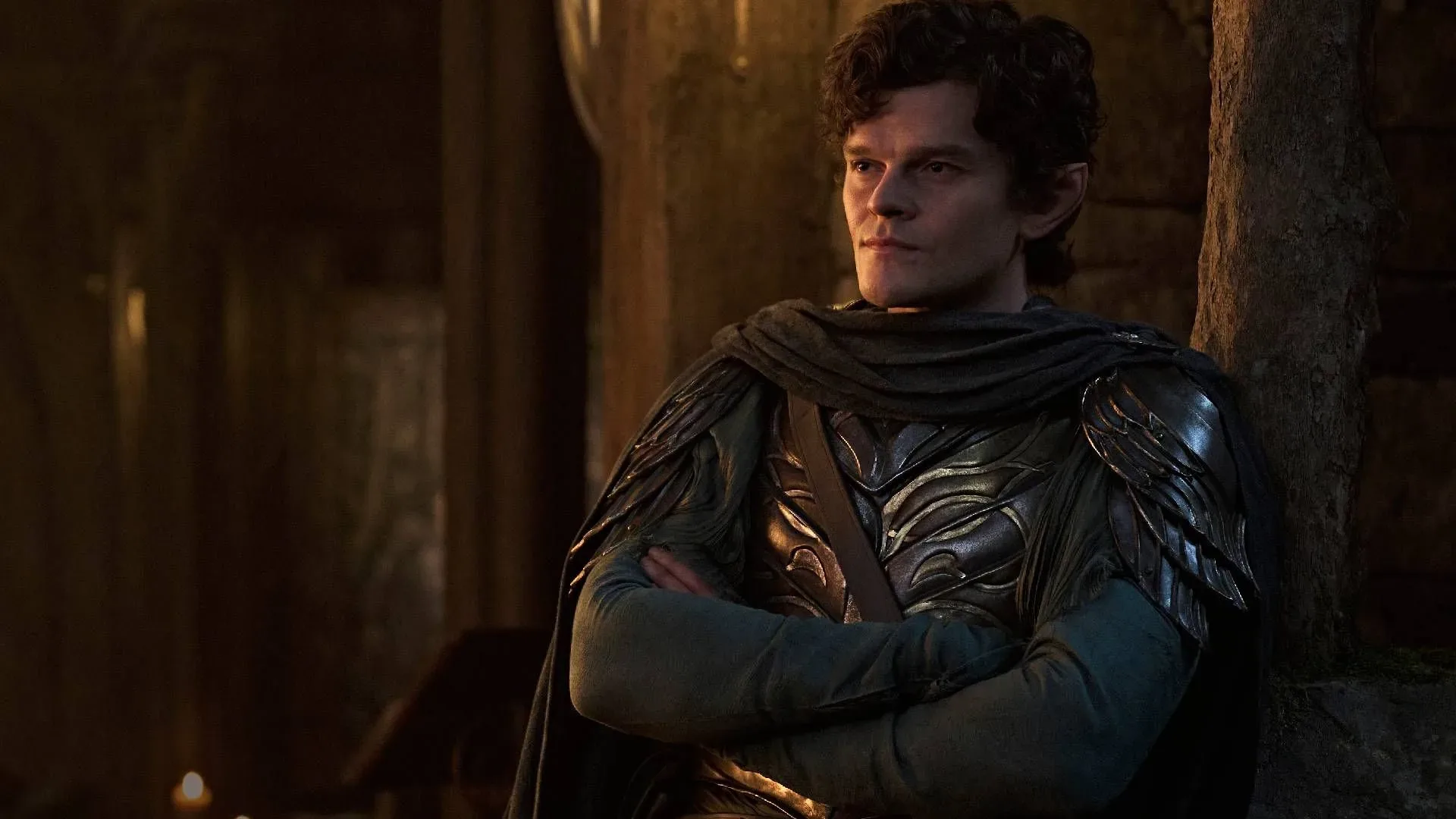
Elrond is drawing their mother when Elros arrives to explain a choice that will put the brothers on radically different paths. Given a choice by the Valar, Elros has chosen mortality. He speaks of being moved by Númenor’s founding and declares his plan to become its king. The exchange turns on Elrond’s understandable struggle to see death as anything other than a loss. Elros, by contrast, accepts the Valar’s promise that death is a gift rather than a punishment, trusting in a larger design beyond the end of life.
It is a straightforward dramatic setup, but it carries a great deal of emotional and narrative weight. One brother will continue as an Elf, while the other embraces a finite human life and a future bound to Númenor. That divergence makes the flashback more than a lore checkpoint. It is a family conversation about separation, faith and the unsettling possibility that two people who love each other can make choices the other cannot fully understand.
A personal scene with larger consequences
The episode uses the memory to support Elrond’s present-day trajectory. His journey to Númenor with Gil-galad is intended to persuade the island kingdom to join the war against Sauron. In that context, the scene does more than establish a historical connection between Elrond and Númenor. It makes the destination personal.
Númenor is not simply a powerful potential ally on a strategic map. It is tied to Elros’s decision, hopes and intended kingship. The flashback gives Elrond’s later approach to the kingdom an emotional undercurrent: he is entering a place defined, in part, by the life his brother chose rather than the life they might have shared.
That is the smart function of a flashback when it works. It does not stop the plot merely to explain something old. It changes the meaning of what is happening now. The scene bridges private grief and public events, linking a brotherly parting to the looming conflict with Sauron without pretending they are the same kind of stakes.
Mortality is the real subject of the conversation
The key word in Elros’s explanation is mortality: the condition of being subject to death. In fantasy, immortality and mortality can easily become shorthand for “long-lived magical people” and “everyone else.” Episode 5 treats the distinction more carefully. Elros’s choice is not presented only as a change in lifespan; it is an embrace of a different way of understanding a life’s ending.
Elrond asks how death could possibly be a gift. Elros answers through belief rather than evidence, arguing that what follows death belongs to the same creator who set the rhythm of sunrise after sunset. The point is not that Elrond is foolish for being unconvinced. The scene gains its melancholy precisely because Elrond cannot simply talk himself into accepting the loss that Elros is ready to face.
That tension gives both brothers room to be sincere. Elros is not merely making a political calculation because Númenor needs a king, and Elrond is not merely rejecting an abstract theological argument. Elros has found meaning in his choice. Elrond is confronting the cost of it.
The show’s use of the Valar is important here as well. The Valar are the beings who offered the choice described in the scene. Their presence in the brothers’ history turns what could have been a conventional royal succession story into a moral and spiritual decision. Elros wants to take part in a mortal people’s future; Elrond remains unable to view that future without seeing the eventual goodbye built into it.
Why the scene connected with viewers
Audience responses highlighted the scene’s emotional clarity. Viewers described it as the Elros-and-Elrond encounter they had wanted, with particular praise for Elros’s framing of death and for the impact of the performances. One response said the sequence surpassed expectations, while another described needing a moment after watching it because it had landed so strongly.
That reaction makes sense because the exchange does not require elaborate action to communicate its stakes. Its power comes from recognizable emotions: a sibling announcing an irreversible decision; the other sibling trying to understand it; and both realizing that love does not erase the difference between acceptance and fear.
There is also a useful restraint to the setup as described. Elrond is drawing his mother before Elros arrives. That detail places family memory at the heart of a conversation about an approaching separation. It quietly makes the scene about more than an individual decision. Elrond is already looking backward, preserving someone he loves through art, before he has to grapple with the prospect of losing his brother to a mortal future.
Robert Aramayo’s challenge: playing the younger Elrond
Robert Aramayo, who plays both Elrond and Elros in the sequence, said the more difficult part was actually finding the younger Elrond. The challenge was not simply playing two brothers. It was locating a version of Elrond who is more naive and more open than the character seen elsewhere.
Aramayo’s reasoning is revealing. He described a lasting purity in Elrond despite what the character has endured, but suggested that this quality would have been even stronger in the earlier period depicted by the flashback. In practical acting terms, that means the sequence asks for distinctions in emotional posture, not just an alternate voice, costume or hairstyle. The younger Elrond has to feel connected to the familiar character while still being recognizably less weathered by experience.
It also explains why the encounter can feel like two new characters despite Elrond being one of them. Elves in the series have lived for a very long time, so a flashback does not necessarily mean only a modestly younger version of the same person. The scene needs to show the effect of time, hardship and accumulated knowledge without turning younger Elrond into an unrelated figure.
For Elros, the task is different. He must be convincing as someone at peace with a decision that devastates his brother. If he appeared cold, the scene would lose its tenderness. If he appeared uncertain, his philosophical reassurance would carry less force. The drama depends on Elros’s conviction and Elrond’s inability to share it.
The rounded-ear debate, explained
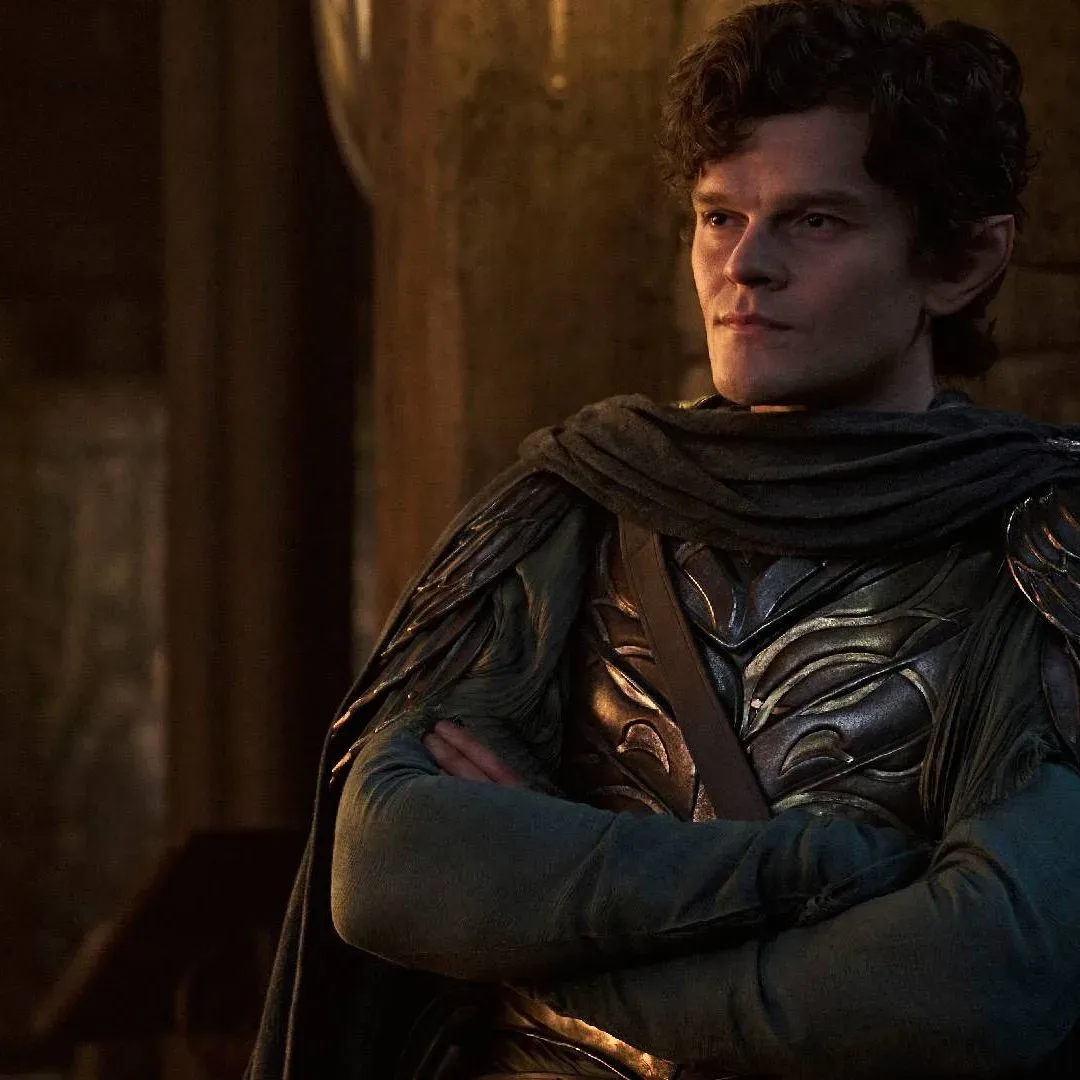
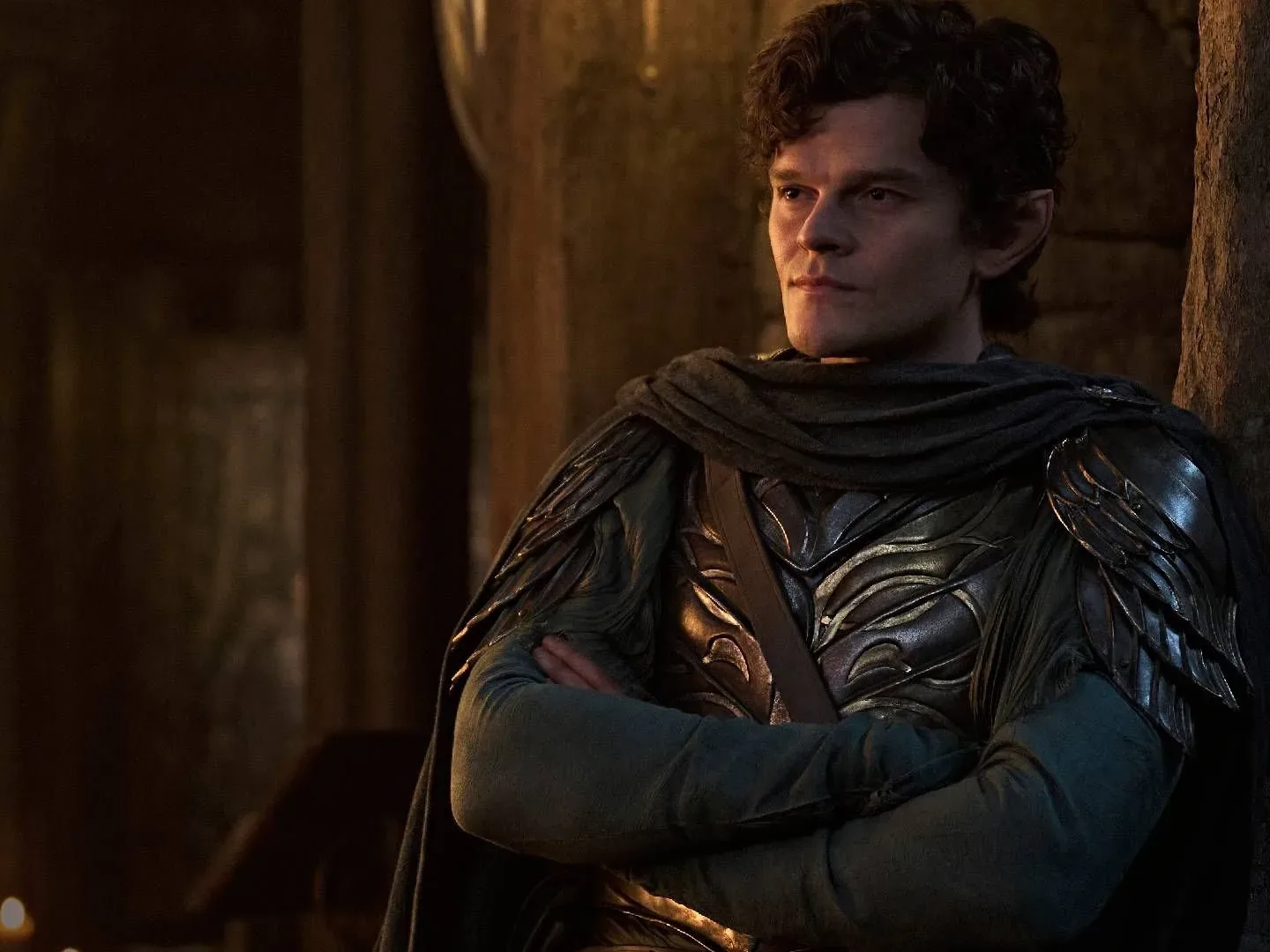
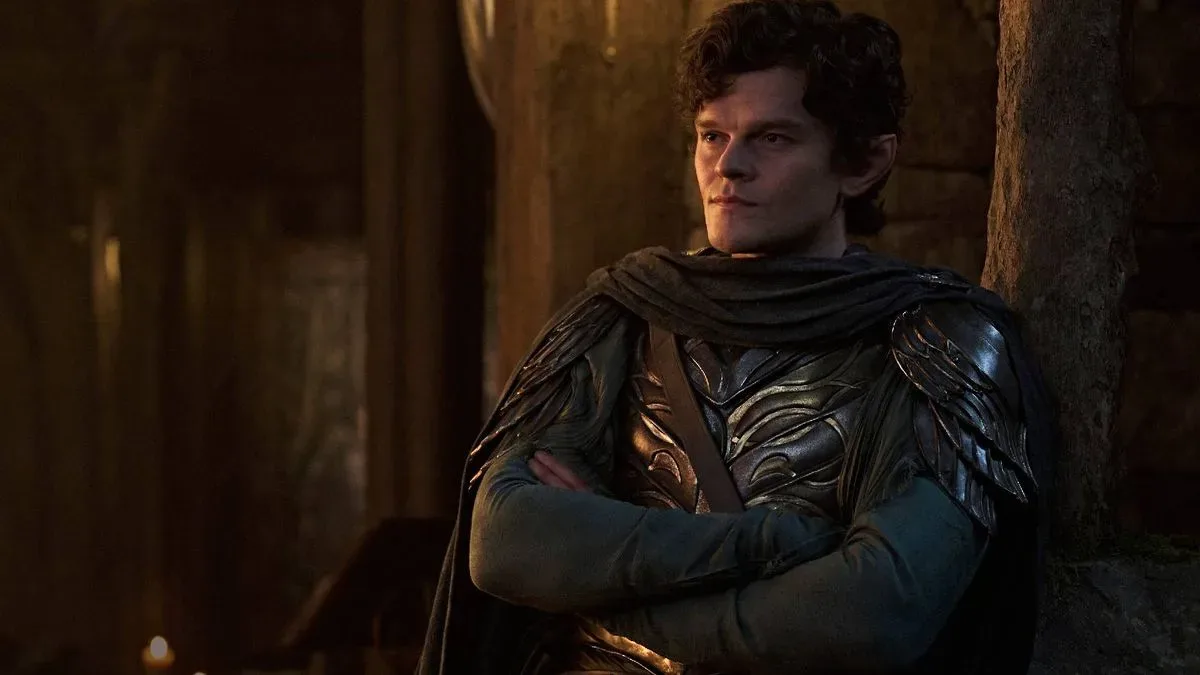
The scene has not been entirely free of debate. Some viewers who otherwise praised it questioned the choice to give Elros rounded ears. It is a notably small visual detail beside the scene’s much larger emotional and thematic concerns, but it has still become a focal point for part of the discussion.
That response illustrates how closely fantasy audiences can read character design, especially when physical traits are understood as signals of ancestry, identity or a character’s relationship to different peoples. In this case, the disagreement is not presented as a rejection of the scene as a whole. Even viewers who found the ears distracting described the dramatic exchange itself as strong.
It is also a reminder that visual storytelling can prompt questions even where the dialogue is doing the main dramatic work. A design choice may be meant to communicate something instantly, yet viewers can still interpret it as too explicit, distracting or simply unnecessary. Here, the response appears to be one point of contention within a generally emotional reception.
What episode 5 puts in motion
Elros’s choice and his ambition to rule Númenor place the kingdom at the center of the brothers’ split. In the present storyline, Elrond and Gil-galad’s trip to Númenor asks the same realm to make a consequential decision of its own: whether to join the struggle against Sauron.
The parallel is not exact, but it is resonant. Elros chooses a future and accepts its cost. Númenor is now being asked to choose a role in a war, with its own risks and consequences. By placing the brothers’ discussion ahead of Elrond’s mission, the episode gives the political appeal a deeper emotional foundation.
For viewers catching up through a streaming setup, a discounted device discussion can be found in this Fire TV Stick 4K Select guide, including the trade-offs attached to its lower price.
Most importantly, episode 5 recognizes that Middle-earth’s most consequential divides can begin with a conversation between two people who care about one another. Elros sees mortality as a gift entrusted to a benevolent order. Elrond sees the brother he will have to lose. Neither response cancels the other out, and that is what gives the scene its sting.