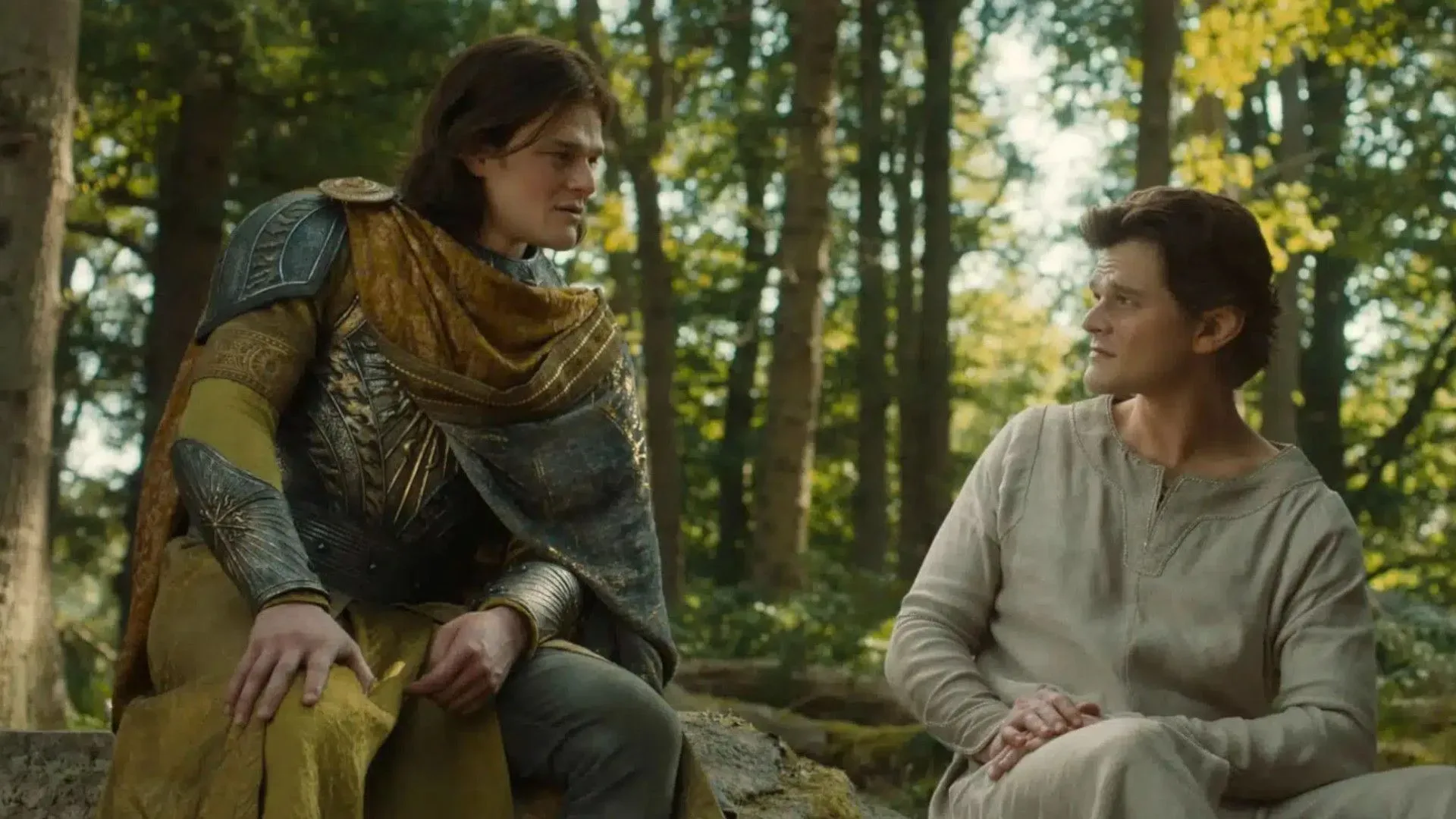
Middle-earth has no shortage of kings with elaborate family trees, magnificent titles and an alarming tendency to leave behind a cursed heirloom. But Elros occupies an unusually important place in its history: he is Elrond’s twin brother, the first king of Númenor, and an ancestor of Aragorn.
That makes him a crucial figure in the story linking the First Age’s wars, the rise of Númenor in the Second Age and the events eventually seen in The Lord of the Rings. Yet Elros has historically been more of a name in the background than a regular on-screen presence. He was not part of Peter Jackson’s The Lord of the Rings trilogy, and the Elros named Keeper of the Keys in the Hobbit films is a separate character, not Tolkien’s Númenórean king.
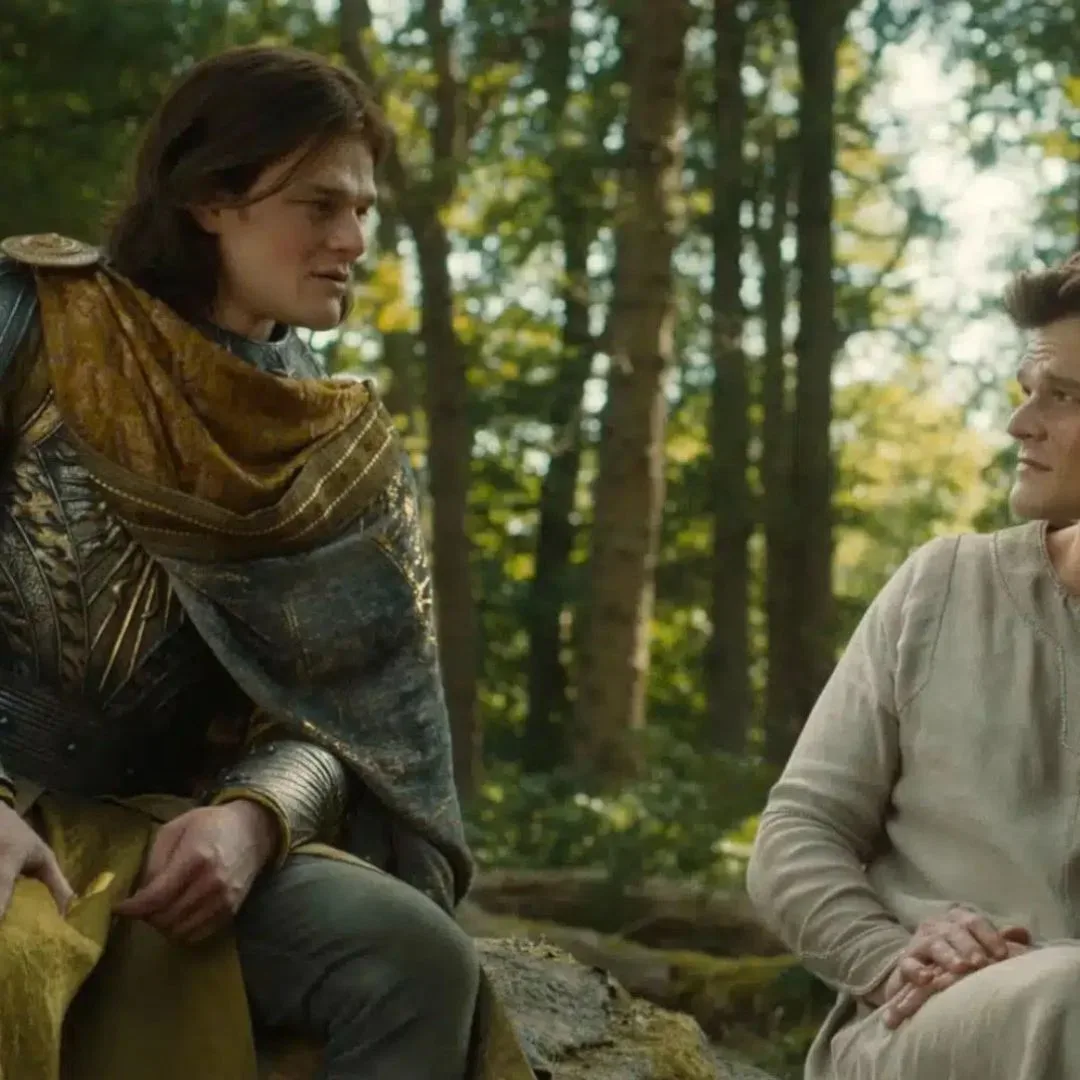
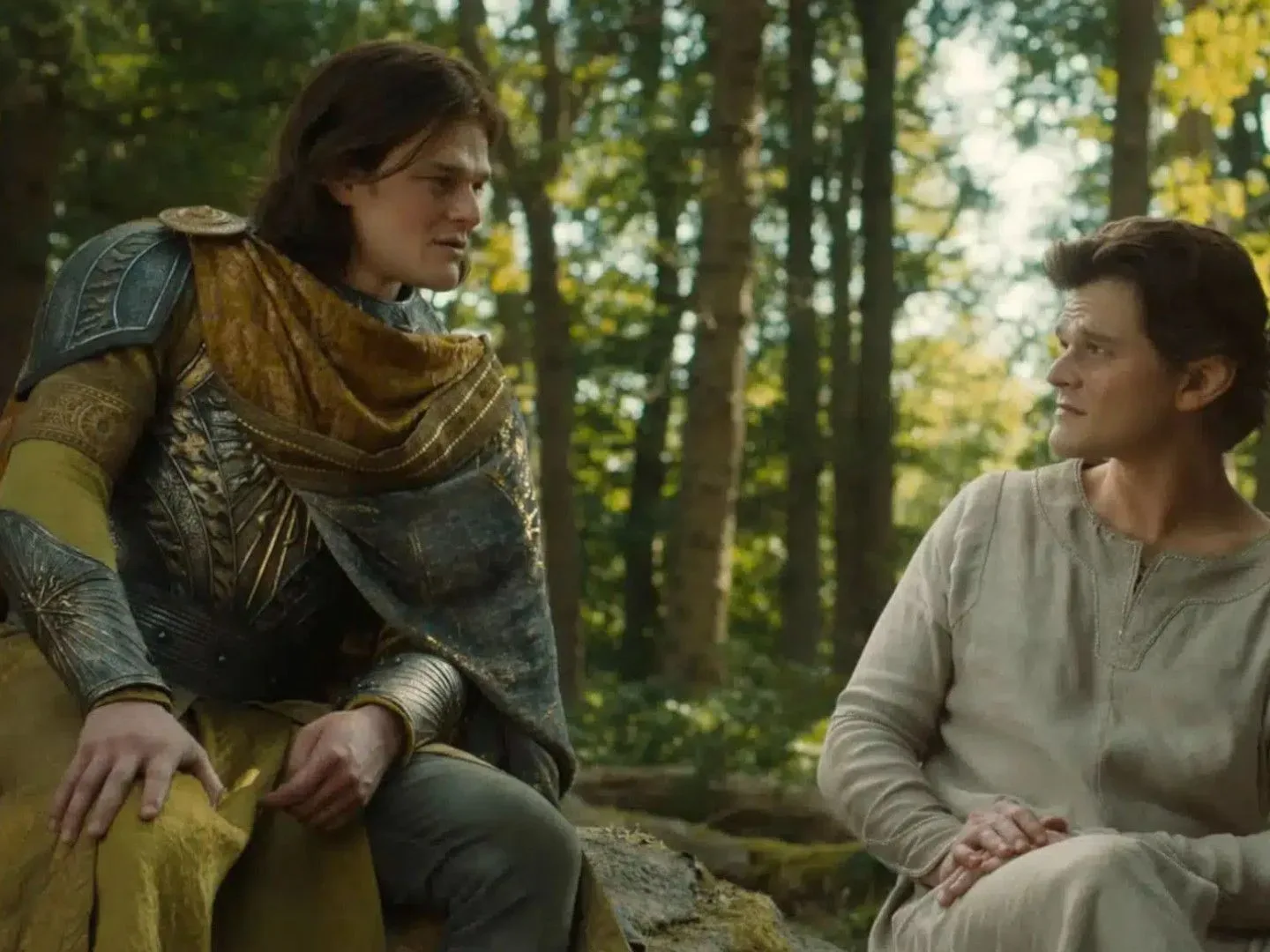
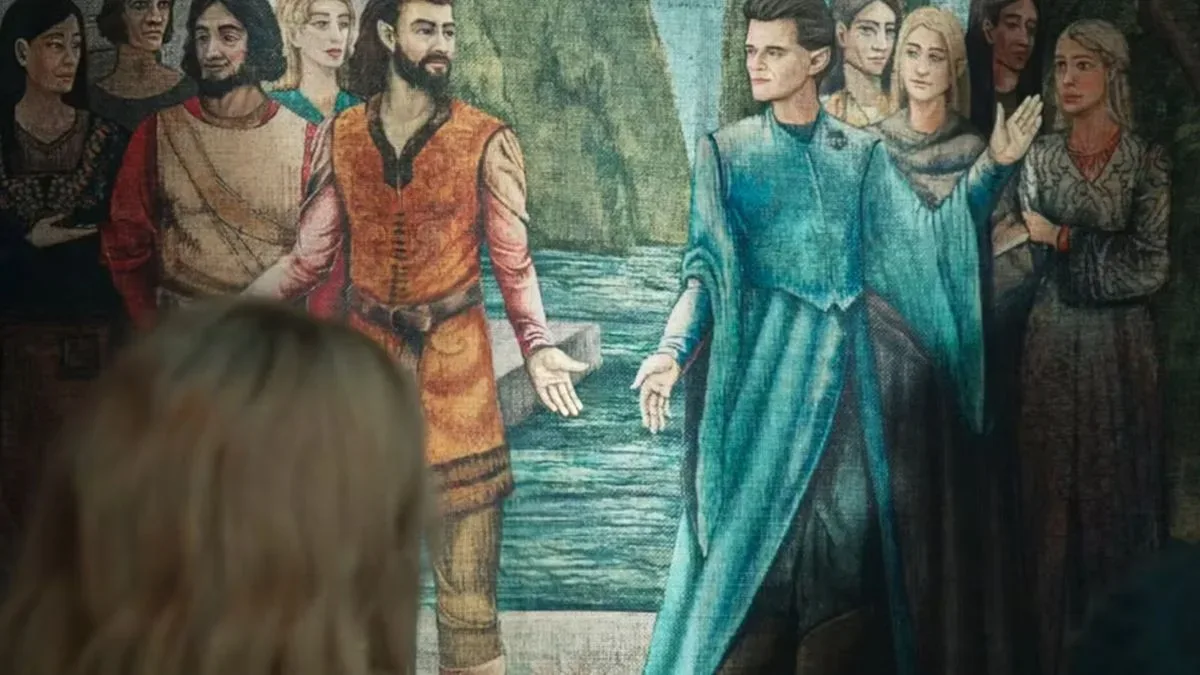
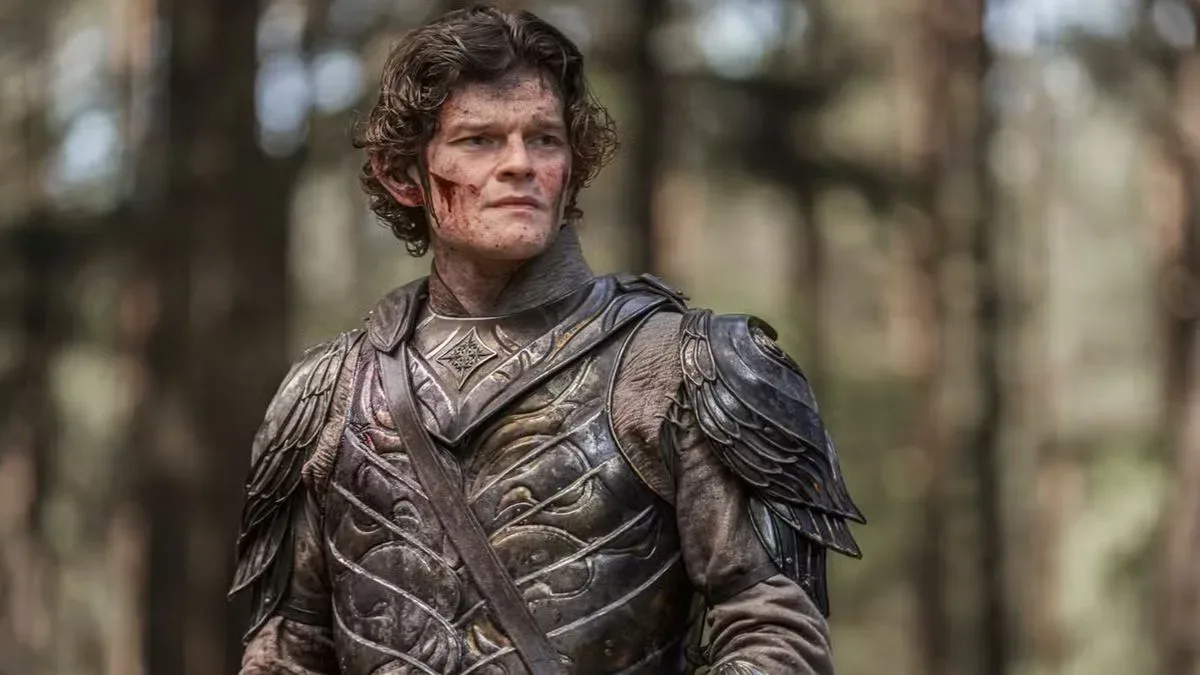
The Rings of Power Season 3 brings that history closer to the foreground. Elros has been referenced before, including through a tapestry in Season 1, while the new season reportedly turns to his bond with Elrond as the Elves seek the aid of Númenor against Sauron. Robert Aramayo, who plays Elrond, is also set to portray Elros. Since Elros lived and died long before the show’s main Second Age storyline, any physical appearance is most plausibly a flashback or other look into the past rather than a present-day return.
That distinction matters. Elros is not simply another old royal name being brought in for lore points. His life establishes the central divide between Elves and Men—and gives Elrond a deeply personal reason to understand both sides of it.
Elros and Elrond: twins divided by a choice
Elros and Elrond were half-elven twins born in the First Age. Their early lives were marked by loss and violence. They lost their parents while young and were taken prisoner in the Third Kinslaying, one of the devastating conflicts among Elves. Maglor, one of the Elves involved in that attack, later raised the twins with care.
This background is important because it prevents their later choice from feeling like a tidy fantasy sorting exercise. Both brothers knew war, separation and grief. When Morgoth was defeated, the Valar gave Elros and Elrond a defining decision: they could be counted among the immortal Elves or choose the mortal fate of Men.
Elrond chose the Elven path. Elros chose mortality.
In Tolkien’s world, that mortality is often called the Gift of Men, or the Gift of Ilúvatar. The phrase can sound counterintuitive to audiences accustomed to treating death as a punishment or a defeat. Here, it means that Men are not bound to the world in the same way as Elves and the Valar. Their ultimate destination after death is unknown, while Elves remain tied to the world for all time.
That difference informs an enormous amount of Middle-earth history. It is the spiritual and emotional fault line beneath Númenor’s later fear of death and jealousy of Elvish immortality. Elros’s decision came before those final, darker years of Númenor, when mortality could still be understood as a gift rather than an injustice.
Why did Elros choose a mortal life?
There is no definitive authorial explanation for Elros’s decision in the supplied material, so any single, confident answer would overstate the evidence. The better way to read it is as a choice with several possible meanings.
First, Elros may have embraced the freedom inherent in the Gift of Men: the ability to shape a mortal destiny and move beyond the world after death. He also had human ancestry as well as Elven ancestry, so choosing Men was not a rejection of one irrelevant half of his identity. It was a decision about the people and future he would lead.
Second, his childhood may have shaped his view. Elros had witnessed Elves harming one another, endured captivity and lived with the consequences of war. That experience could have informed a wish to build something different. It should remain an interpretation, not a settled fact, particularly because Elros retained Elven keepsakes and affection for his Elven heritage during his reign.
The show offers a more pointed character-based explanation. In Season 3’s fourth episode, Elrond tells Gil-galad that his brother chose mortal life because he believed Númenor could become an unprecedented force for good. If that line reflects the series’ framing of Elros, it gives the choice an outward-looking purpose: mortality was not only something Elros accepted for himself, but a commitment to the potential of Men and their new kingdom.
Elros’s choice is the hinge between a shared childhood and two radically different futures: Elrond becomes an enduring witness to Middle-earth, while Elros founds a mortal dynasty.
The pain of that divide is part of the character’s appeal. The material does not establish whether the twins ever met again after their choice. Elrond’s immortality meant he would outlive his brother by ages, while Elros’s decision guaranteed a finite life. Their separation is therefore not merely geographical; it is built into the structure of their lives.
The first king of Númenor
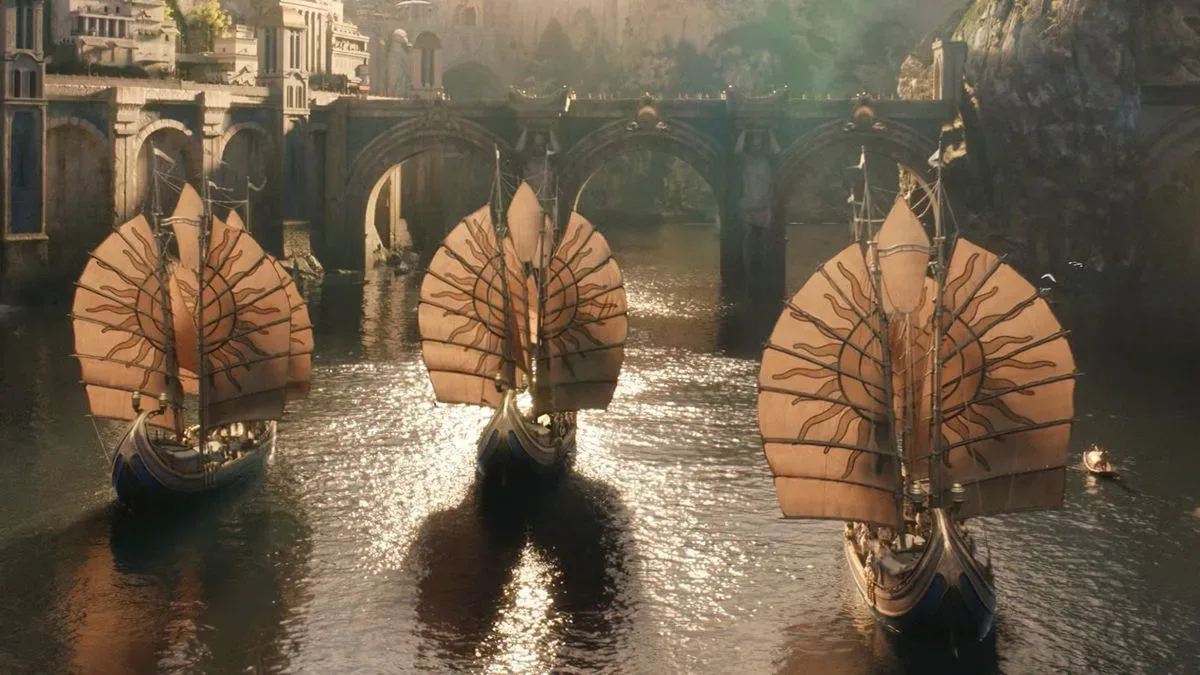
After choosing mortality, Elros led Men to Númenor, the island raised from the sea as a reward for Men’s deeds in the war against Morgoth. He followed the star of Eärendil and became Númenor’s first king.
That foundation story explains why Númenor carries such extraordinary weight in Middle-earth. It is not just another kingdom that may or may not answer a wartime request. It is a realm created for Men who had fought alongside the forces opposing Morgoth, and its royal line begins with someone who knew the Elves as family.
Elros ruled for 410 years and died in Second Age 442. His half-elven ancestry gave him a life vastly longer than that of an ordinary human; he is described as the only king of Númenor to live for 500 years. Still, his life ended. That fact is the most immediate expression of his choice. Even the founder of the greatest Númenórean line is not exempt from the fate he accepted.
He had four children with an unnamed wife. His firstborn, Vardamir Nólimon, carried the direct line that eventually leads to Aragorn. Elros is therefore a foundational ancestor of the king whose story becomes central in the Third Age.
His legacy also extends through the Ring of Barahir, associated with Finrod, Galadriel’s brother. Elros brought the ring to Númenor, and it remained in his family line until it passed, thousands of years later, to Aragorn. For viewers who know Aragorn mainly through the films, this is a useful reminder that the ranger’s heritage is not simply a claim to a throne. It is a living connection to a vast chain of memory, loss and responsibility.
What Elros changes in Season 3
The immediate television role for Elros is less about whether he can personally enter the current conflict and more about what he means to Elrond’s diplomacy. Season 3 places the Elves in need of allies against Sauron and his forces. In episode 4, Elrond tells Gil-galad that Númenor is necessary to the war effort. Númenor has already declined a letter asking for help, shifting the plan toward a face-to-face meeting with its king.
Elrond is sent as an emissary because his history with Elros gives him insight into the hearts of Men. That is a meaningful use of the twins’ story. Elrond cannot speak for every human being, and one brother cannot neatly explain an entire people. But Elros offers him a personal understanding of mortal hopes, fears and the desire to make a difference within a limited life.
It also makes the diplomatic question more emotionally complex. To Elrond, Númenor is not only a powerful potential ally. It is the nation his brother established after the choice that separated them. A request for Númenórean aid is therefore bound up with grief, kinship and the legacy of a kingdom that once represented a hopeful future for Men.
The reported Elros appearance could give that history a human face. Rather than asking viewers to absorb a lineage chart, a flashback could show the bond whose loss still informs Elrond’s outlook. Aramayo playing both brothers would underline their shared origin while leaving their different decisions and destinies at the center.
Terms worth keeping straight
- Half-elven: A person with both Elven and human ancestry. Elros and Elrond are twins, but their later choice places them on different fates.
- Valar: The powers who offered the brothers their choice between the kindreds of Elves and Men after Morgoth’s defeat.
- Gift of Men: The mortal fate of humans, including death and an unknown destination beyond the world. It is presented as a gift, though later Númenóreans would come to dread it.
- Númenor: The island kingdom founded by Elros and a major power in the Second Age.
- Third Kinslaying: The conflict in which Elros and Elrond were captured as children, before Maglor raised them.
- War of the Last Alliance: The eventual climactic struggle against Sauron involving Elves and Men, the outcome toward which the show’s alliance-building appears to be moving.
Why this history is more than genealogy
Elros connects several of Tolkien’s biggest themes: the cost of war, the difference between immortality and mortality, the promise and eventual tragedy of Númenor, and the long route to Aragorn’s inheritance. He is both a king and a counterpoint to Elrond. One brother remains to remember; the other builds a legacy whose significance endures after his death.
That is why an Elros-focused thread can add substance to a story about Elves seeking help from Men. It turns a strategic alliance into something shaped by family history. And it clarifies why Númenor matters so much: its founding vision was not simply power, but the possibility that Men could become a force for good unlike any the world had seen.
Fans looking for another example of how a TV story can be reshaped by a missing or restored piece of character history can also see this report on a deleted VisionQuest finale scene. In Elros’s case, however, the key question is not survival. It is how a long-dead king’s decision continues to define the living.