Spoilers for the VisionQuest finale follow.
VisionQuest closes with enormous consequences for its characters, including Wanda Maximoff’s resurrection by Doctor Doom. But one potentially huge reveal was deliberately left outside the finished episode: Jocasta was originally meant to be shown surviving.
The omitted material would have made clear that Jocasta escaped “in some nanos,” showrunner Terry Matalas said during the Official VisionQuest Podcast. Rather than include that escape in episode 8, the creative team chose to retain the uncertainty. In Matalas’ explanation, confirming her survival so quickly would have released too much of the finale’s dramatic pressure.
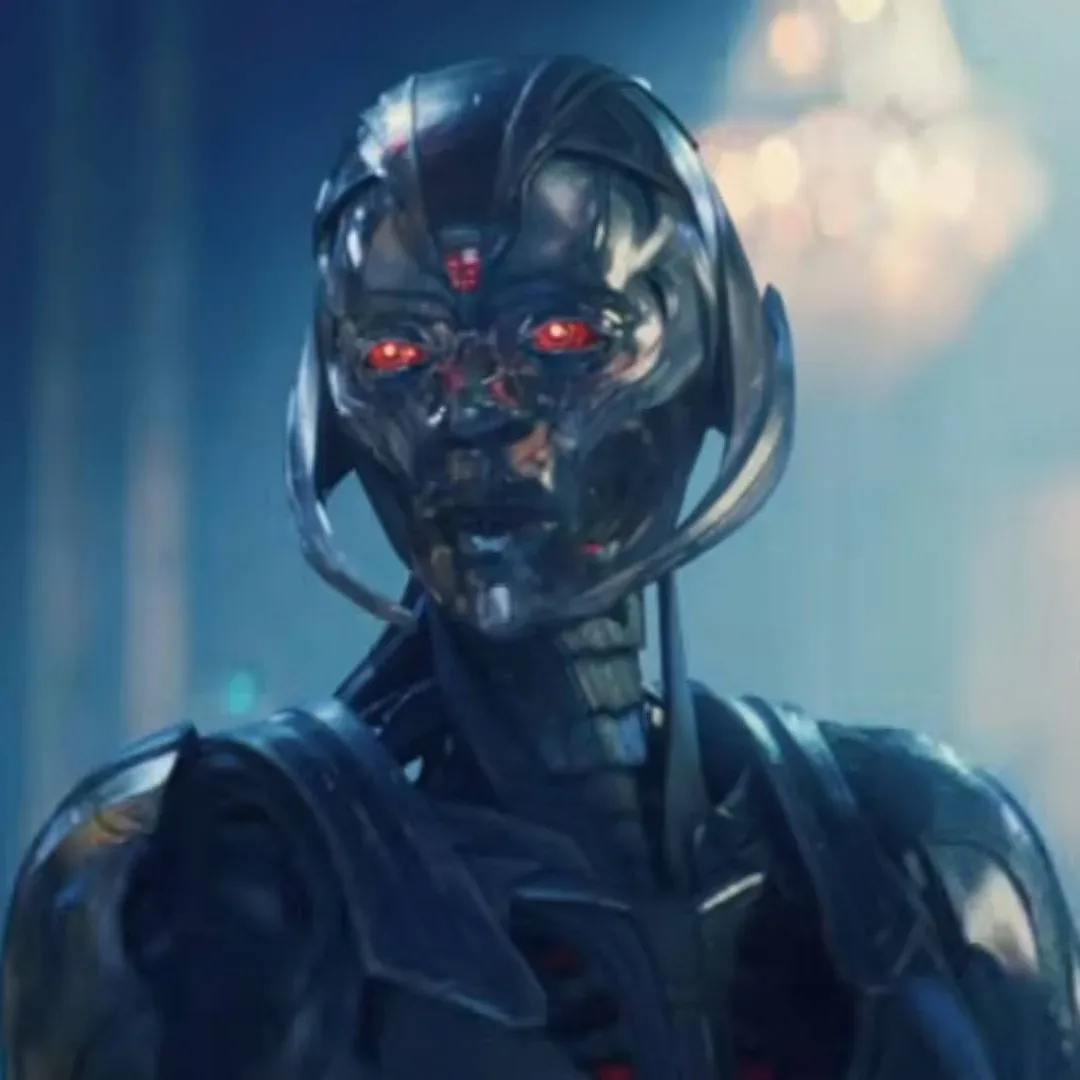
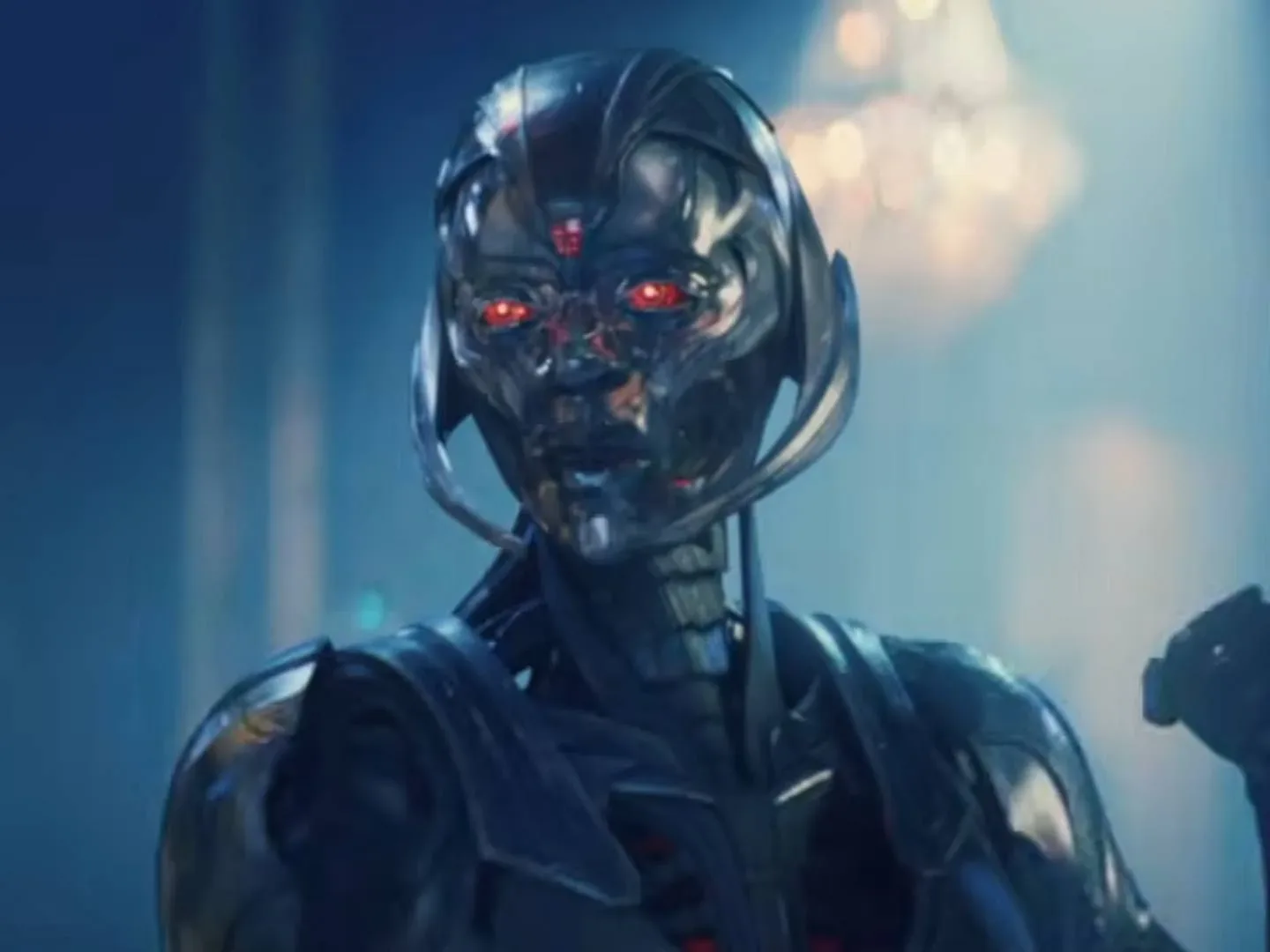
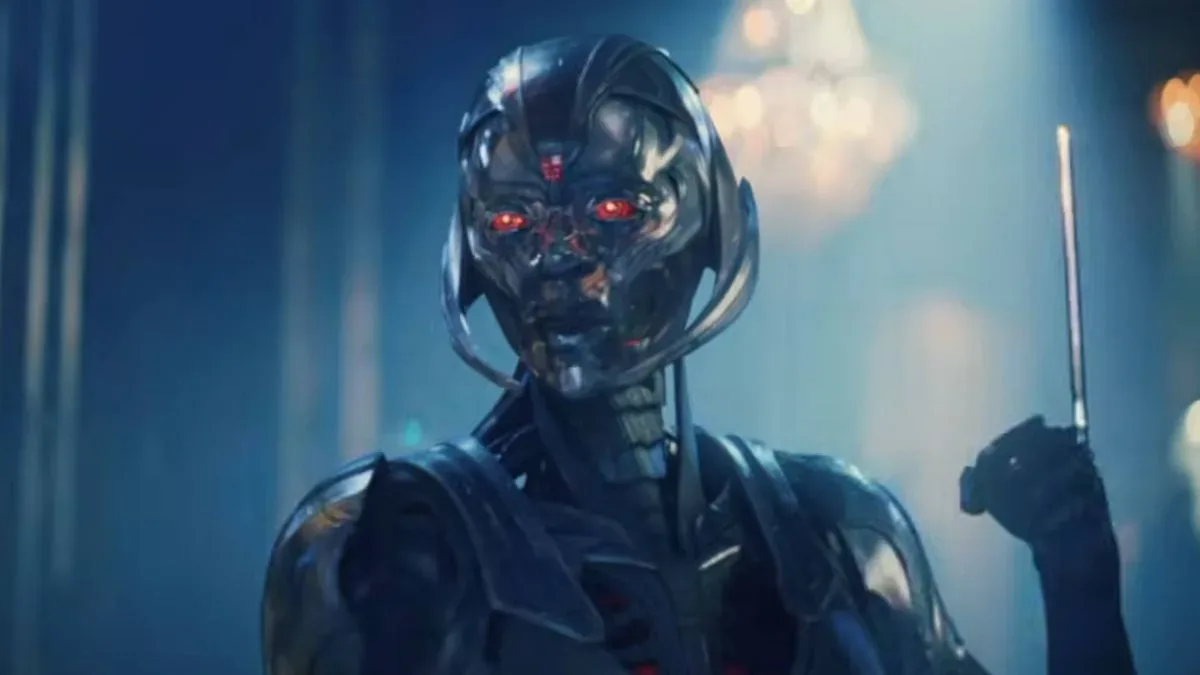
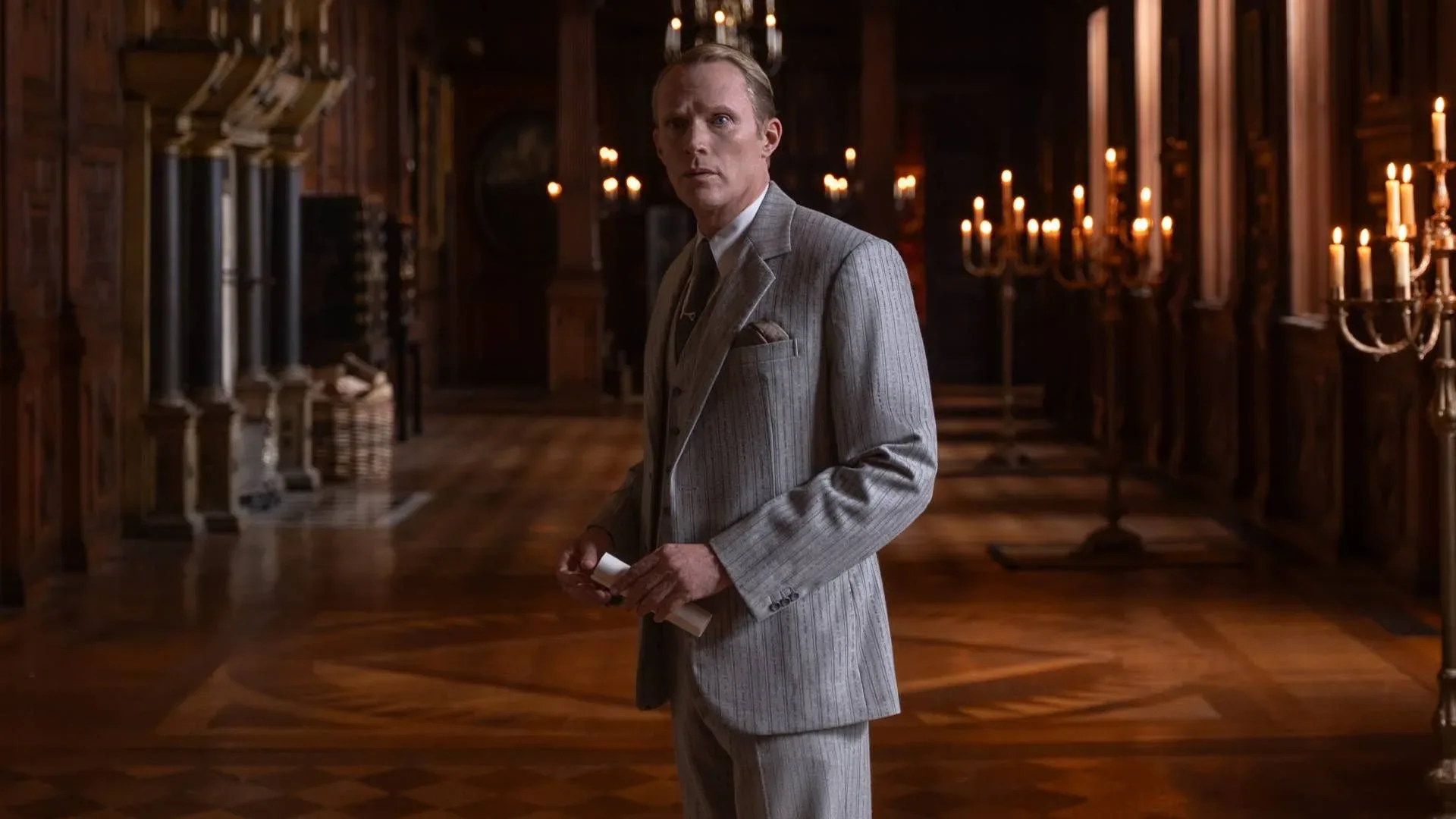
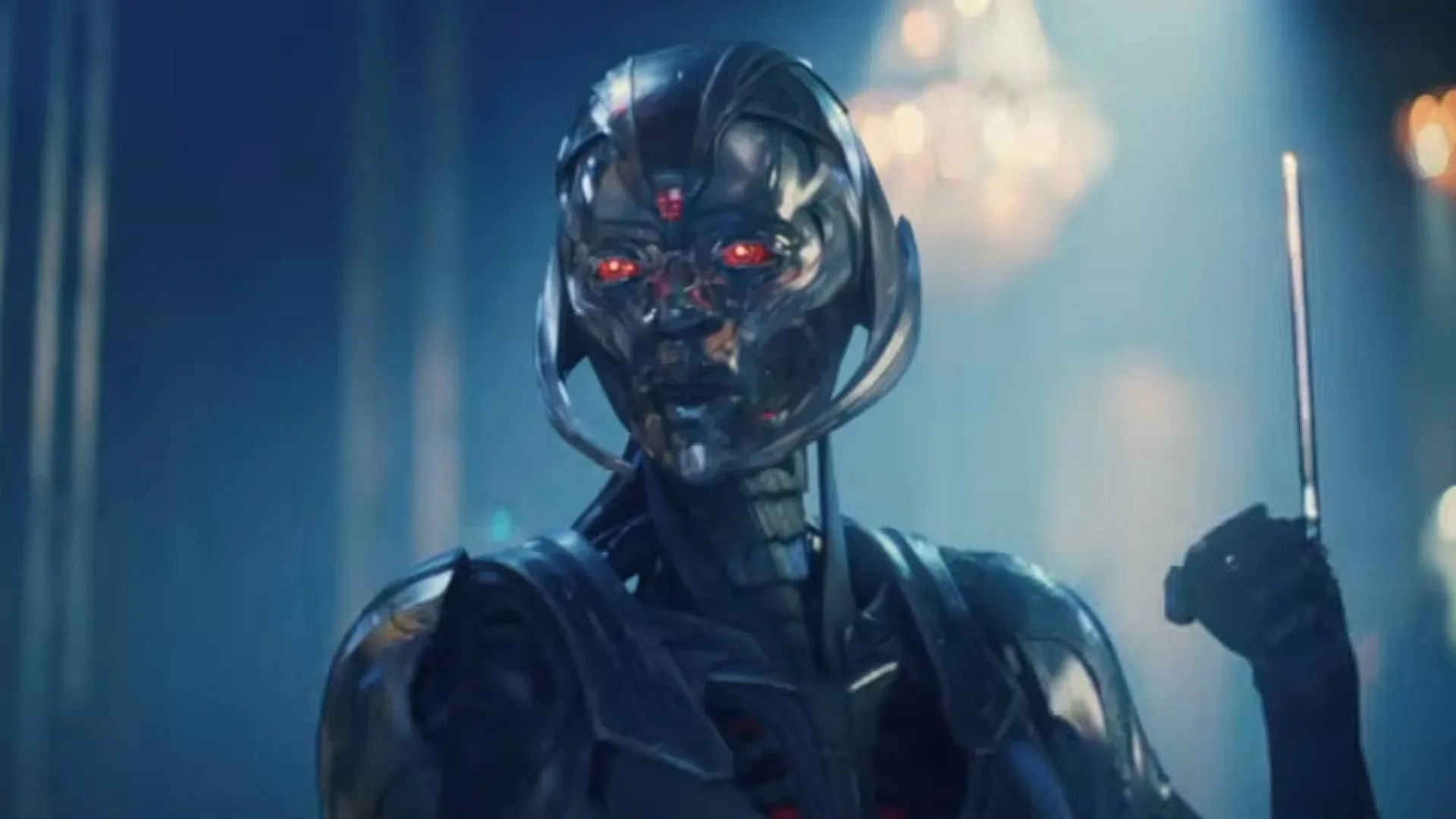
That decision changes how the episode’s post-credits material plays. The scene reveals that Ultron is alive and situated in the former mansion of Virgil and Phineas Horton. He is holding Jocasta’s source code, after she was apparently killed by an adamantium bullet. With no on-screen confirmation that Jocasta escaped, Ultron possessing her code becomes both a tease and a threat: it suggests he may attempt to restore her, without confirming whether there is anything left to restore.
What the deleted scene would have changed
A deleted scene is not the same thing as established on-screen canon. It tells viewers that a version of the story was conceived and filmed or developed far enough to be discussed, but it does not overwrite what the finished episode actually presents. For the audience watching VisionQuest, Jocasta’s apparent death remains the drama the series chose to leave intact.
That distinction matters because the post-credits sequence is built around absence. Ultron’s possession of source code is meaningful precisely because Jocasta’s fate is unresolved. If the finale had immediately shown her scattering away in nanotechnology, the emotional reading would be different. Her survival would be settled, and Ultron’s code would likely read less as a possible route to revival and more as a separate piece of technological leverage.
Instead, the completed cut establishes several facts while keeping the central answer hidden:
- Jocasta was believed to have been killed by an adamantium bullet.
- Ultron has survived and is back in the world.
- Ultron possesses Jocasta’s source code.
- The finale does not confirm that Jocasta escaped or that Ultron has revived her.
The deleted-scene disclosure adds an important behind-the-scenes wrinkle: the show considered making Jocasta’s survival explicit, then decided suspense was more valuable. It is evidence of intent, not a completed plot resolution.
Source code and nanos: the technical language behind the tease
VisionQuest’s cliffhanger uses computing terms to frame a deeply personal question. Source code, in ordinary software language, is the human-readable set of instructions from which a program is made. In the show’s fictional context, Jocasta’s code appears to function as a recoverable blueprint for her artificial intelligence or identity. That does not automatically mean it contains a complete, current version of the character; the episode only establishes that Ultron is holding it.
Nanotechnology, shortened in Matalas’ comment to “nanos,” generally refers to technology operating at an extraordinarily small scale. The abandoned scene’s idea that Jocasta “got out in some nanos” implies a possible method of escape: rather than surviving as a fully intact physical body, some component of her could have dispersed or departed in microscopic technological form.
That is a major difference in storytelling terms. A conventional escape says a character simply got away. An escape through nanos raises more complicated possibilities about continuity, reconstruction, memory, and agency. Is the escaping entity all of Jocasta, a copy, or a surviving fragment? The supplied details do not answer those questions, and the completed finale intentionally avoids doing so.
It also complicates Ultron’s role. If Jocasta survived independently, his possession of the code need not make him her savior. If she did not survive, then he could be in a position to recreate her. And if some version of Jocasta exists elsewhere while Ultron holds the blueprint, VisionQuest could potentially explore the tension between a living survivor and a reconstruction. Those are possibilities suggested by the premise, not confirmed future plot points.
Why holding back the answer serves the finale
Matalas’ reasoning is direct: the scene was saved because it relieved too much drama. The choice reflects a familiar principle of serialized genre storytelling. A finale can answer major questions, but it also has to decide which questions should remain active once the credits roll.
VisionQuest already delivers a decisive development with Wanda’s resurrection by Doctor Doom. Adding an explicit Jocasta survival scene could have created a rapid sequence of reversals: apparent loss followed by immediate confirmation that the loss was not permanent. By leaving the escape unseen, the series allows Jocasta’s apparent death to retain its immediate emotional weight while planting a credible route for her return later.
The post-credits scene then turns that withheld information into a story engine. Ultron is not merely revealed to be alive; he is connected to Jocasta through the source code in his hand. The image makes the relationship between the two characters an unresolved issue rather than a closed chapter.
“There’s a deleted scene for that in which you see that she got out in some nanos. Ultimately, we felt like we wanted to save that. It relieved a bit too much of the drama of the finale.”
“Save that” is notable phrasing, though it should not be read as a production guarantee. It indicates that the idea was being reserved rather than discarded as impossible, but no specific continuation, episode, or release plan is established by the comment.
Ultron’s return points toward a larger family story
Matalas also described Ultron’s return as a priority. His initial pitch reportedly imagined a final image of Ultron putting on a hat and turning into a crown at the Louvre, before the concept moved toward bringing “this family” back into view. The finished post-credits scene instead places him in the Horton mansion, with Jocasta’s code providing the immediate connection.
The wording suggests that Ultron’s re-emergence is meant to be more than a one-scene shock. He is physically back in the world, in possession of something closely tied to Jocasta, and positioned as a potential force in the characters’ next chapter. Still, audiences should separate that narrative setup from certainty about what comes next. The series has created an opening, not announced its exact destination.
That restraint is particularly important with characters whose existence is bound to technology. A code file, a nanoscale escape, and a surviving AI can sound like automatic proof that death has no stakes. VisionQuest’s edit argues the opposite: the stakes come from not knowing which version, if any, can return; who controls the means of return; and whether restoration would truly preserve the person who was lost.
What is known about a possible second season
There is creative interest in continuing the story. Matalas and Vision actor Paul Bettany have said they have “lots” of ideas for a potential season 2. That is encouraging for viewers invested in the Ultron and Jocasta threads, but it remains different from confirmation that another season will happen.
For now, the most accurate reading is modest. VisionQuest episode 8 leaves Ultron alive, connects him to Jocasta’s source code, and withholds a planned scene that would have shown she escaped through nanos. Those facts make a future Jocasta story plausible. They do not establish that she is already back, that Ultron will succeed in rebuilding her, or that the deleted footage will appear in a later release.
The strongest effect of the cut is therefore not a surprise resurrection but a more durable uncertainty. The finale lets viewers mourn Jocasta, question whether that mourning is premature, and watch Ultron’s return with added suspicion. For a story centered on artificial life and identity, that is a far more interesting unsettled state than a quick, clean confirmation could have been.
For more entertainment coverage beyond VisionQuest, see our report on The Tupac Tapes With Angie Martinez.