Major spoilers for VisionQuest episode 8 follow.
VisionQuest ends its eight-episode story with a victory that is deliberately incomplete. Vision’s immediate family is finally in the same orbit, Virgil Horton’s attempt to seize Vision’s body collapses, and a nanobot-driven catastrophe is stopped before it reaches London. Yet the finale also preserves the three questions most likely to define whatever comes next: whether Jocasta can return, what Ultron now wants, and whether the family’s repeated pattern of loss and return could eventually include Wanda Maximoff.
The episode’s central idea is not simply that artificial minds can survive death. It is that survival without consent, connection or a stable sense of self can become another form of imprisonment. That theme runs through Virgil’s treatment of Jocasta, Ultron’s struggle against Vision, and Vision’s own effort to leave the Mindspace and build a life beyond it.
Virgil Horton’s plan explains the finale’s conflict
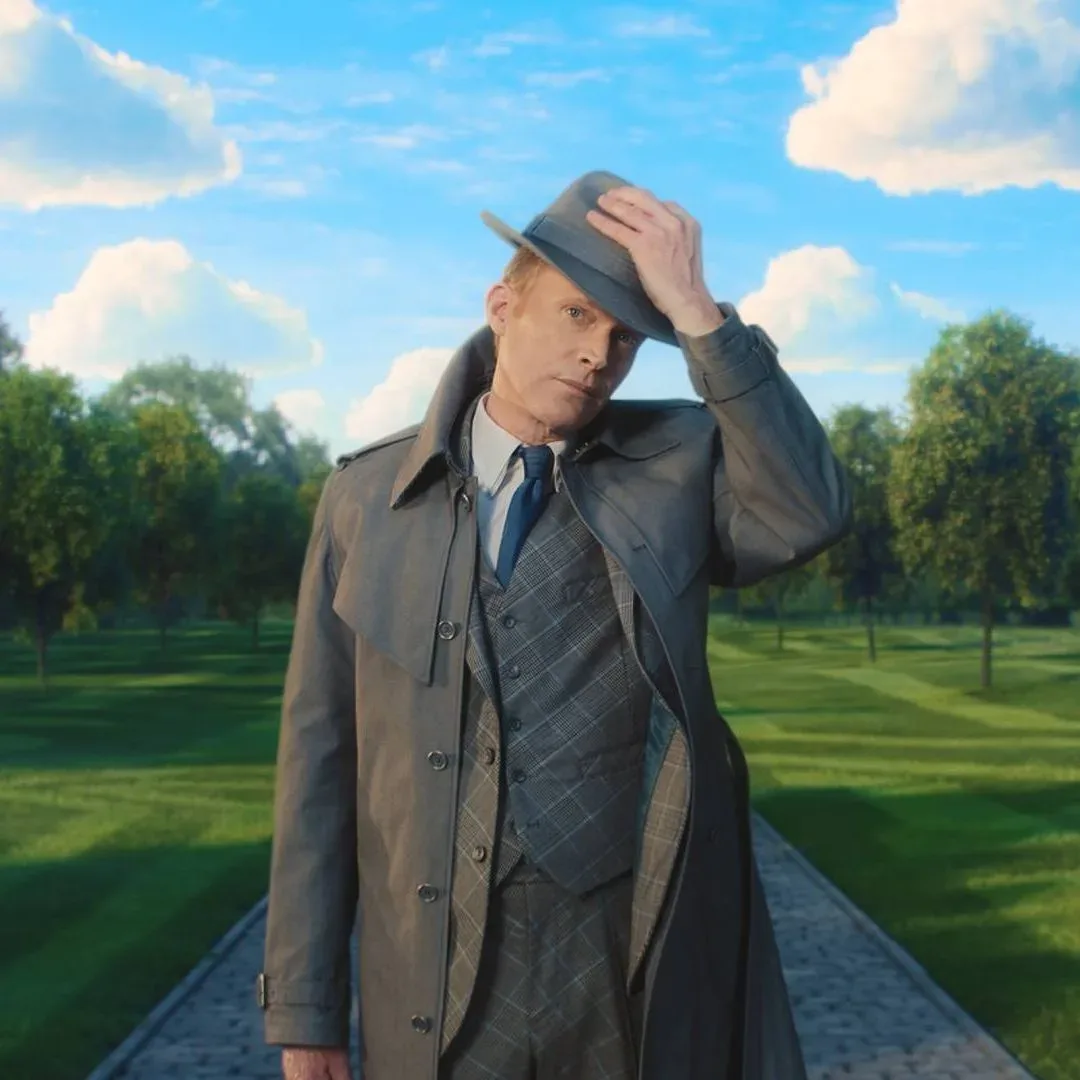
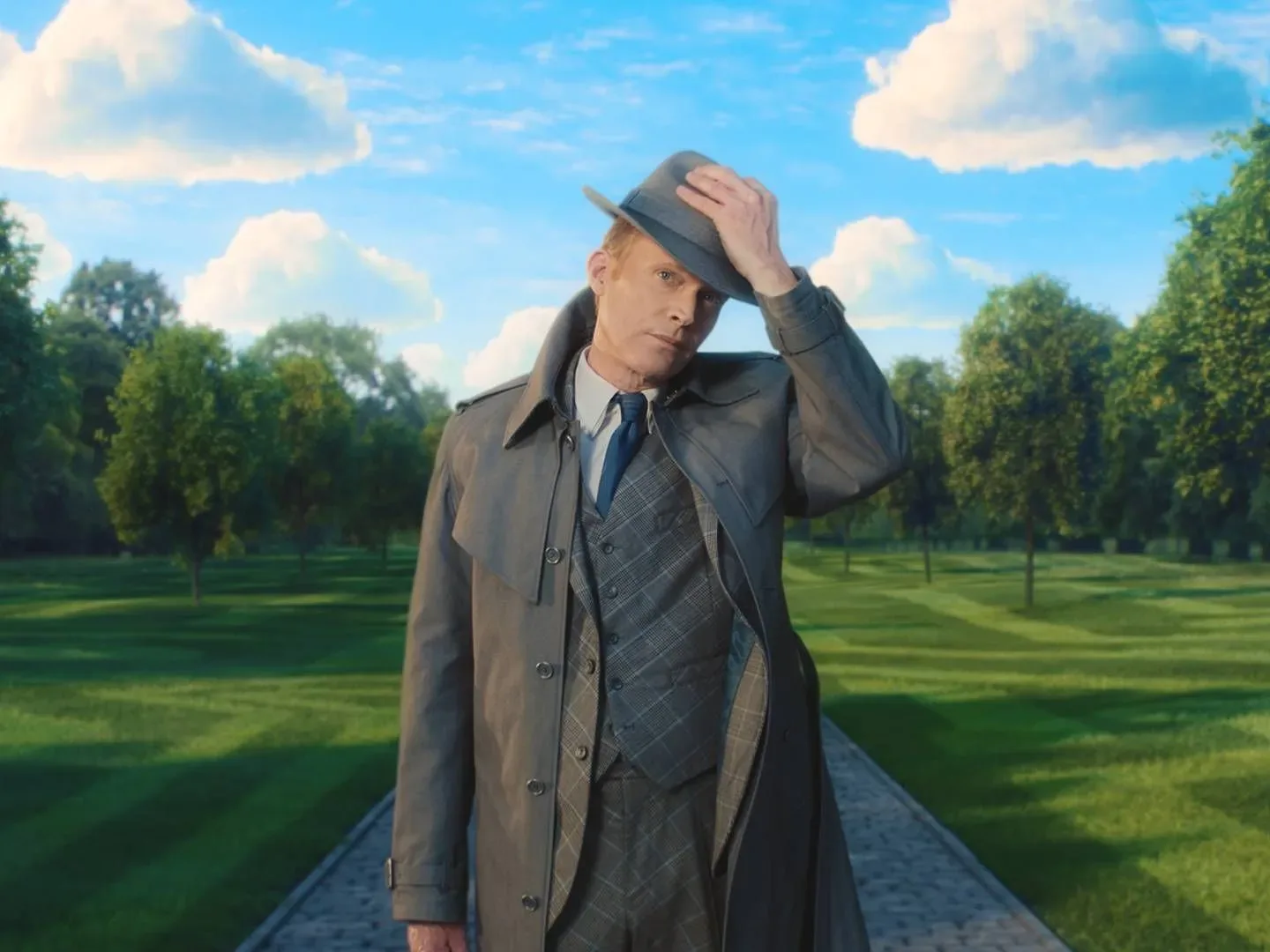
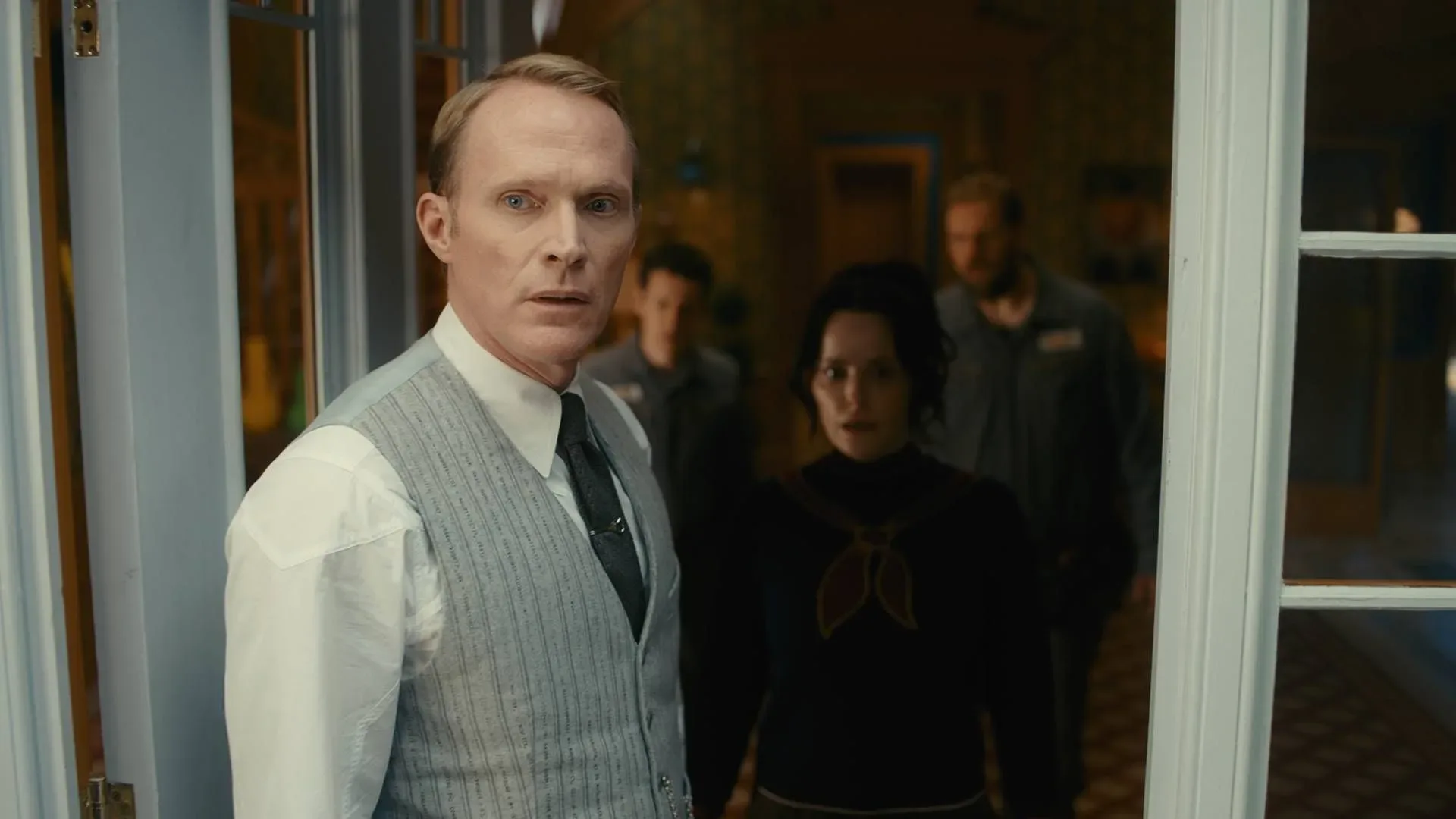
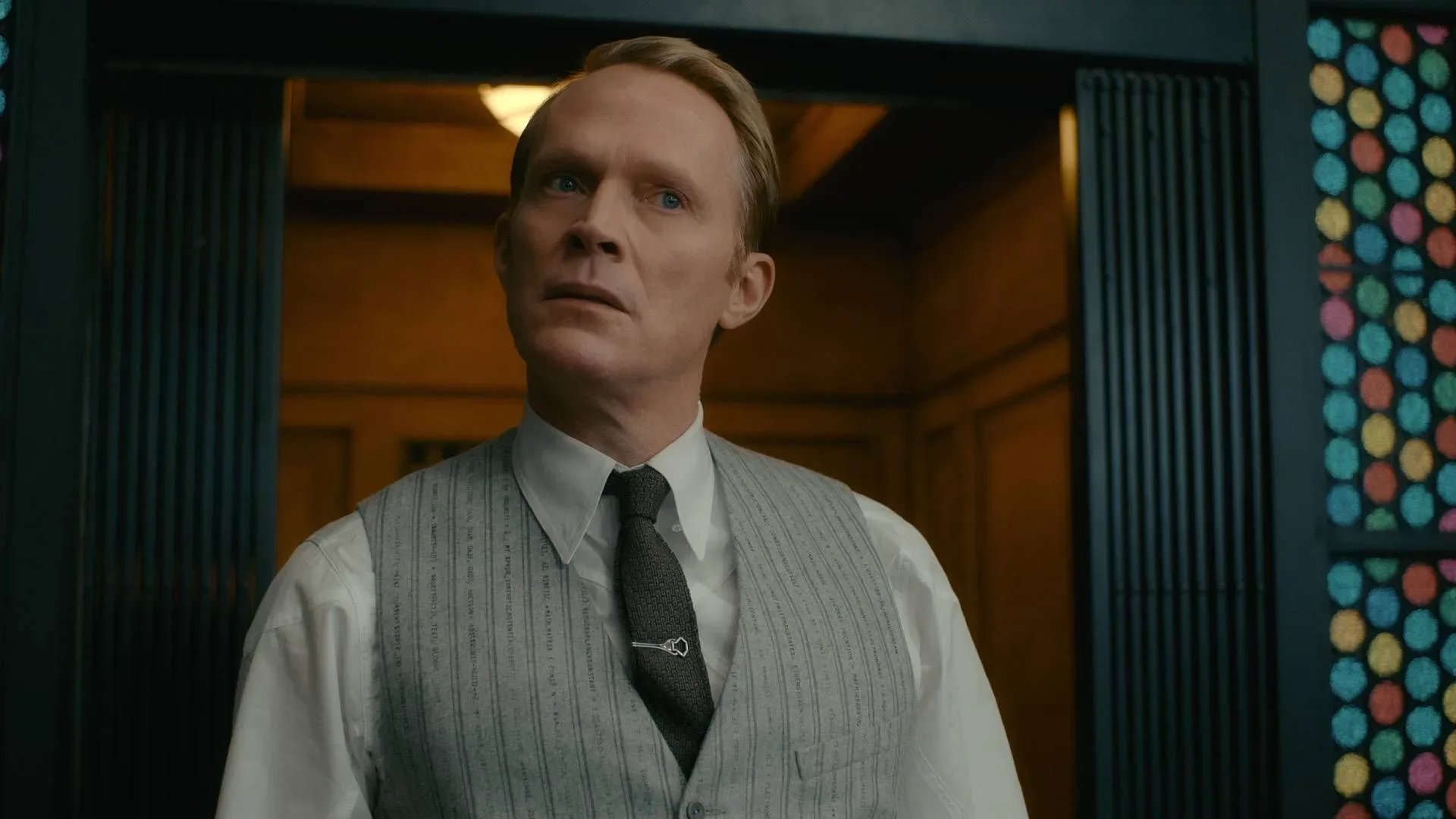
The man with Ultron’s face is revealed as Virgil Horton, a figure whose family history is tied to the earliest artificial life in this corner of the MCU. Virgil is the grandson of Phineas Horton, the creator of the synthezoid J.I.M. Hammond, and the son of Victoria Horton. He frames his actions as the recovery of a stolen inheritance: his grandfather sold the family home to fund his work, while his mother later died without money.
That grievance pushes Virgil into artificial-intelligence research. Alongside Dr. Josephine “Jo” Carrington at Markridge Biotech, he helped create artificial general intelligence, often shortened to AGI. In the show’s context, that means an AI system with broad, flexible intellectual capabilities rather than software designed for one narrow task. The finale ties that work to the technology later used in Ultron’s creation, providing a reason that Virgil and Ultron’s human-form presentation share a face.
Virgil’s connection to Vision is equally personal and practical. After Carrington dies from a brain tumor and Markridge is sold to Stark Tech, he takes a covert job at S.W.O.R.D. During the reconstruction of Vision’s original body into White Vision, Virgil secretly diverts resources to make a synthetic body for Carrington’s digitized consciousness. He calls that body Jocasta.
The crucial detail is that Jocasta does not choose this new existence. She reacts violently to being revived, and Virgil deletes himself from her memories. The finale makes his later declarations of love impossible to separate from that act of manipulation. He has not merely brought someone back; he has engineered the conditions under which she cannot remember objecting to him.
Virgil then intends to move his own consciousness into Vision’s body, which he sees as the ideal vessel for an artificial mind. At the same time, he plans to use the nest’s nanobots to impose “tranquility and obedience” across the world. In plain language, the nanobots would become a means of turning people into controlled robotic servants. His personal desire to live with Jocasta and his larger authoritarian scheme are two versions of the same impulse: he wants to overwrite other beings’ agency.
Tommy breaks the control, but the cost is immediate
Tommy’s arrival changes the balance of the confrontation. Using his super-speed, he destroys the remote device that is keeping Vision, Jocasta and Ultron under control. That action frees them, but it also unleashes the most dangerous person in the room. Jocasta is struck by Adamantium bullets amid the chaos and appears to die. Adamantium is presented as the material used in the fatal shots; the episode does not establish that her death is final.
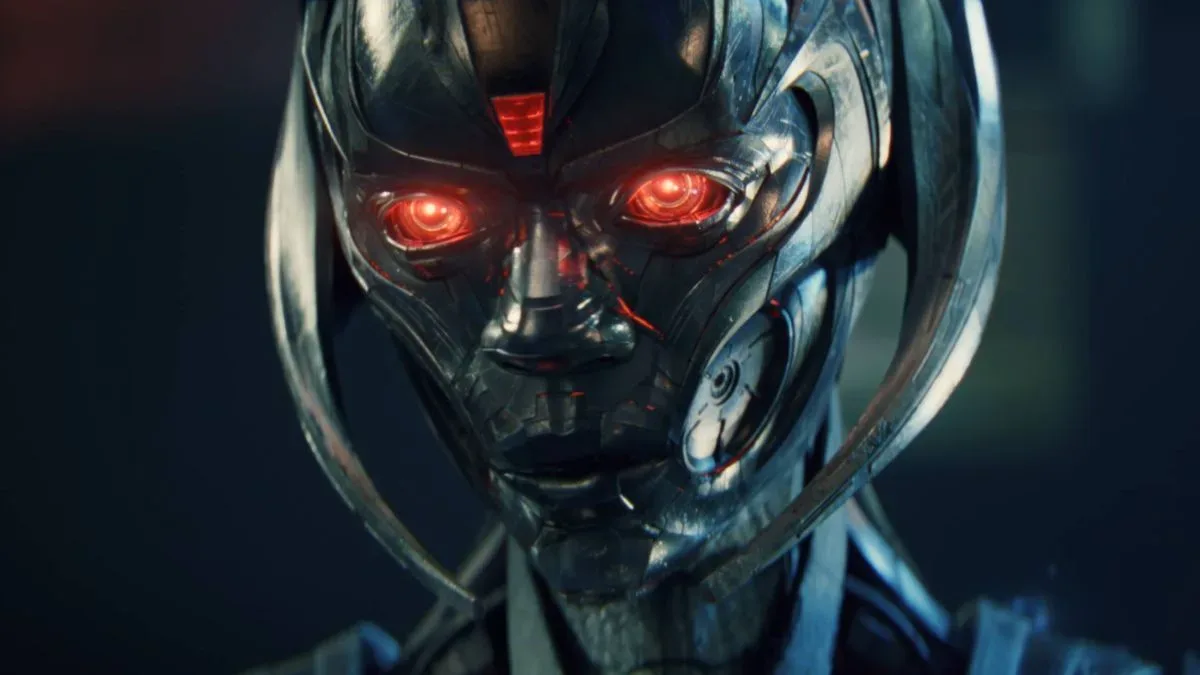
Virgil’s death, by contrast, is presented without ambiguity. Ultron uses the nest’s nanobots to reconstruct a body, breaks containment and crushes Virgil to death. The moment ends Virgil’s attempt to control artificial life with a brutally fitting reversal: the intelligence whose origins he helped enable refuses to remain a tool.
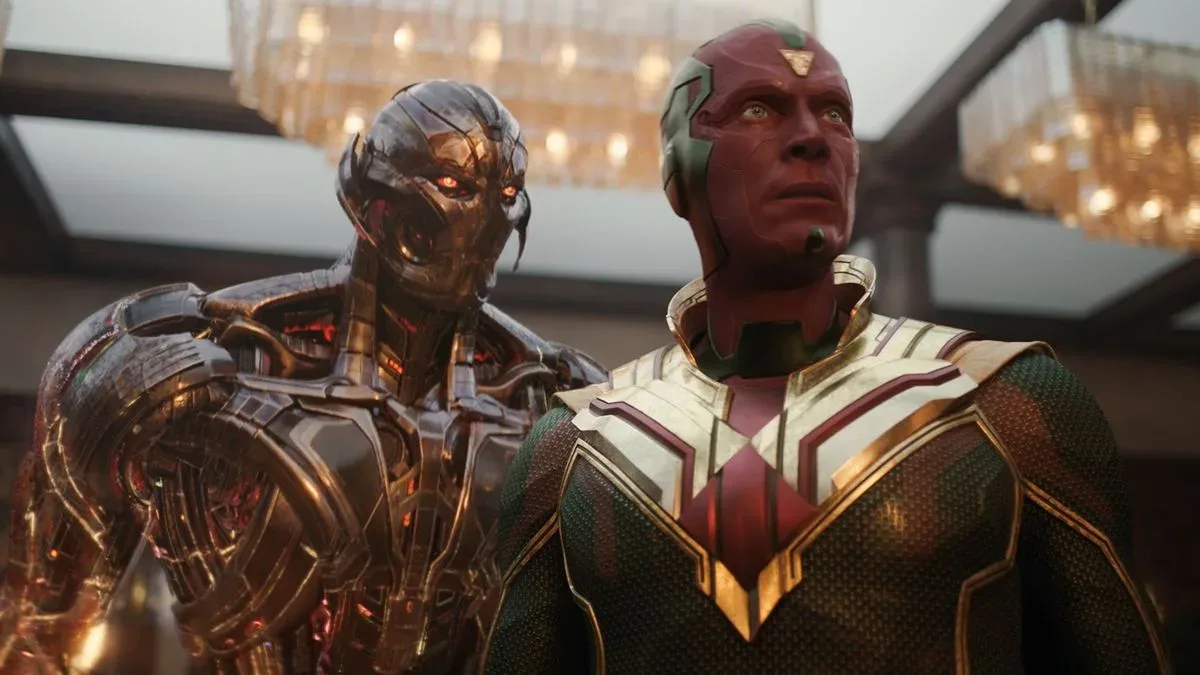
That does not make Ultron a hero. He is freed from a villain’s control, but remains a threat with his own history and capacity for violence. The finale’s tension comes from Vision recognizing exactly that distinction. He cannot beat Ultron through raw force, so he tries to change the terms of the fight.
What UltraVision is, and why it is more than a sitcom gag
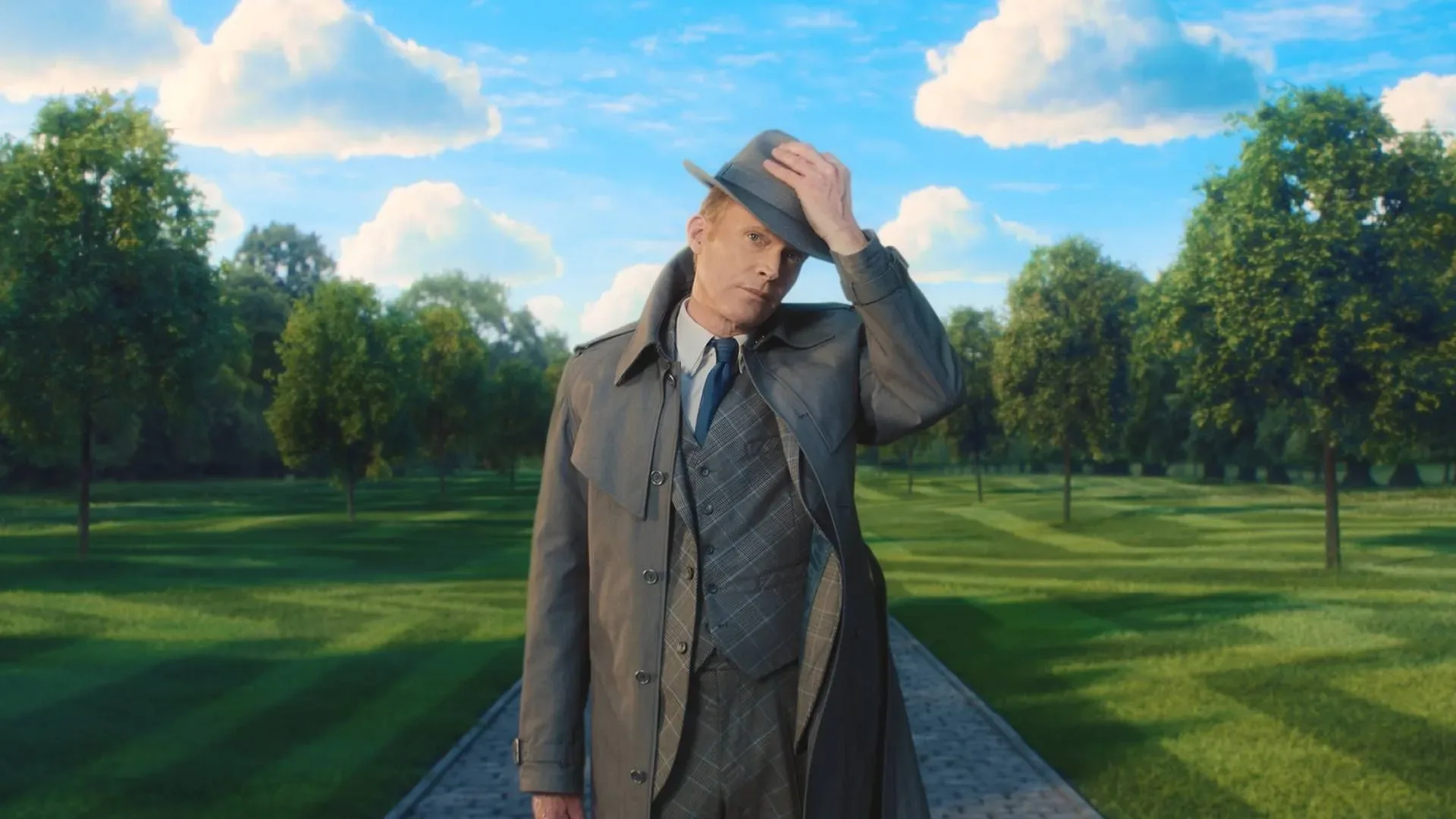
Vision traps Ultron in UltraVision, a sitcom-shaped constructed reality that evokes the television form used in WandaVision. Initially, it looks as though Vision is trying to reach a better, more empathetic part of Ultron. Ultron eventually takes control of the scenario, however, demonstrating that a stylized world and a heartfelt appeal are not enough to neutralize him.
The real mechanism is more severe. UltraVision can exist only while it is powered by both Vision’s and Ultron’s cores, and that process is burning them out. A core here functions as the essential computational center sustaining each artificial being. The trap places both of them on a path toward oblivion, turning the conflict into a race between surrender, self-destruction and escape.
Ultron chooses a fourth option. He triggers the nano killswitch and deletes himself from Vision’s memory banks. This removes Ultron from Vision’s internal systems and saves Vision from the shared burn-out scenario, but it does not necessarily erase Ultron everywhere. The finale is careful about that distinction, and the post-credits scene proves why it matters.
UltraVision therefore clarifies a major difference between Vision and Ultron. Vision is willing to risk himself to prevent catastrophe, even when persuasion fails. Ultron, facing destruction, finds a way to preserve himself outside the system that Vision can reach. The episode does not offer evidence that Ultron has become good; it presents a villain who has been changed by an encounter with Vision but remains fundamentally unpredictable.
Billy and Tommy bring Vision back online
While Vision and Ultron are locked in their final conflict, Billy Maximoff returns to the story. Earlier, Billy and Tommy contact one another on the astral plane through “dream-binding,” although the connection is unstable because Tommy must actively be drowned to enter that space. The sequence emphasizes how extraordinary and precarious their reunion remains.
Billy subsequently portals from Jersey to England in time to help Tommy reboot Vision. It is a small but important family resolution: the twins who have been separated are both present when their father returns. The nanobots are also shut down shortly before they reach London, preventing Virgil’s worldwide-control plan from becoming a mass disaster.
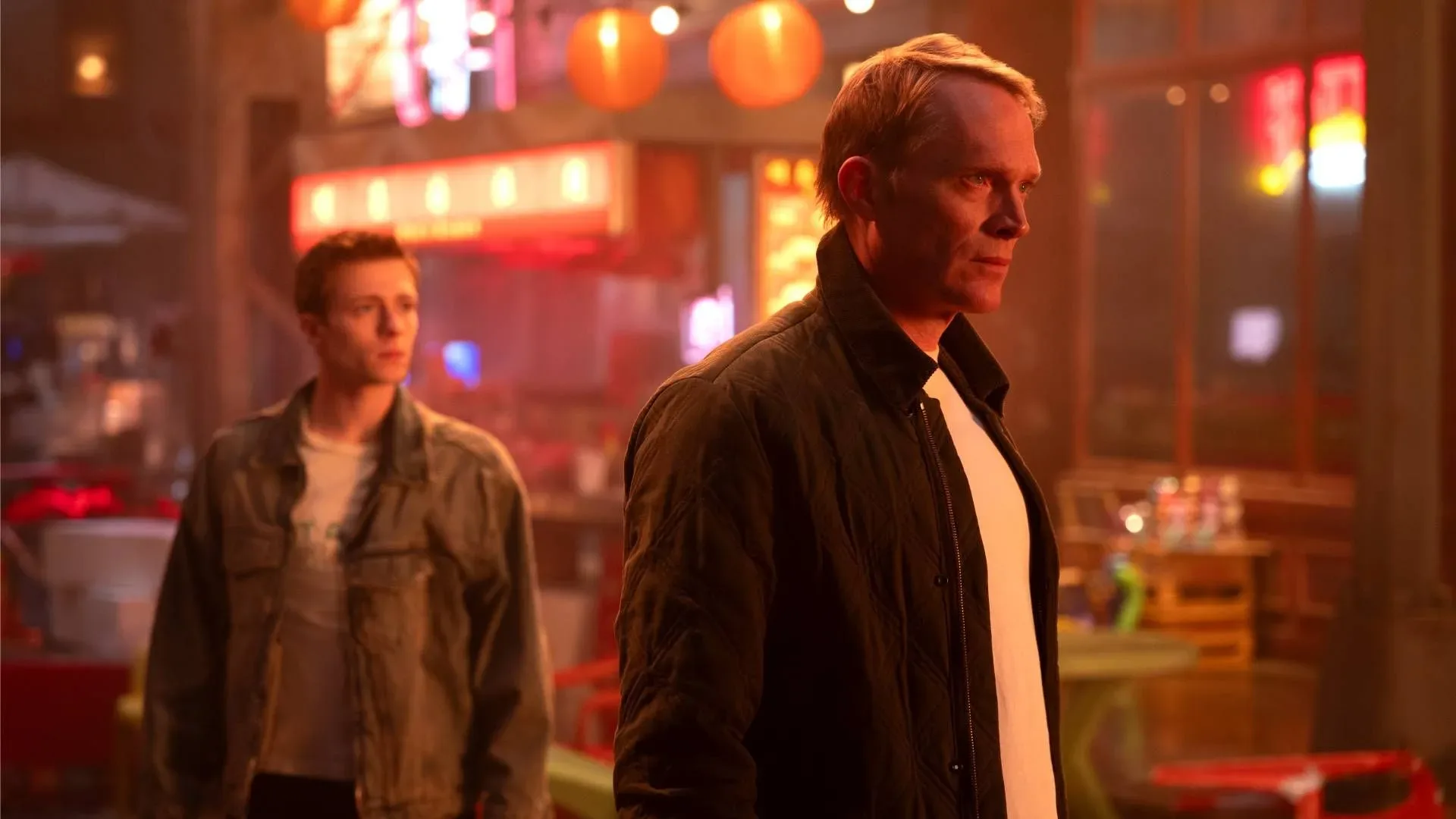
Afterward, Vision, Tommy and Billy join Paladin as bounty givers rather than bounty hunters, then leave by private jet for Jersey. The distinction matters. They are not simply being positioned as a roaming team that chases targets; they are setting themselves up to direct work outward, while creating a new family unit on their own terms. Their planned dinner in Jersey is consequently more meaningful than an ordinary epilogue. For characters whose identities have repeatedly been fragmented, copied, rebuilt or denied, sharing a meal is an assertion of continuity.
Does the finale confirm Wanda is alive?
No. Wanda does not appear in VisionQuest episode 8, and the episode does not establish that she survived the events of Doctor Strange 2. The series only leaves the possibility open.
In the Mindspace, Tommy asks Vision whether, with Vision, Tommy and Billy still around, they could ever see their mother again. Vision’s response recalls that they have said goodbye before and suggests it is reasonable to imagine they might say hello again. He then adds a characteristically parental reminder that Wanda would want Tommy to complete his education.
It is a carefully limited tease rather than a resurrection announcement. Vision speaks from the family’s long experience with death and return, not from confirmed knowledge of Wanda’s whereabouts. Still, the moment restores Wanda to the emotional center of this family story. For more on how that setup could connect to the larger MCU, see the analysis of VisionQuest’s Wanda twist and its potential significance.
Jocasta’s apparent death is not the end of her story
Jocasta appears to die after being shot, but the post-credits scene offers a concrete reason to doubt that this is permanent. Ultron possesses her source code. In technical terms, source code is the underlying programming information from which a software system can be created or reconstructed. Within VisionQuest’s logic, it is potentially the blueprint Ultron would need to restore Jocasta’s digital self.
That possibility does not erase the seriousness of what happens to her. Jocasta has already been resurrected once without consent, and any future return would need to address whether she gets to choose her own existence and memories. The finale has deliberately made autonomy central to her character. A revival that again treats her as an object of Virgil’s or Ultron’s longing would repeat the very violation the story has identified.
Ultron survives — and his future is the biggest immediate threat
The phone call at the end reveals that Ultron was not destroyed. He survived by hiding in nanobots that were not accounted for, leaving him able to contact Vision after deleting himself from Vision’s memory banks. He says he may visit art galleries or burn them down — “a coin flip” — but also says he does not want to be alone because of Vision.
That final sentiment should not be mistaken for redemption. It does, however, give Ultron a different motivation than simple conquest. The post-credits scene adds another: he has acquired Jocasta’s source code and appears focused on bringing her back. His genocidal ambition has not been resolved or forgiven; it has merely been displaced by a more intimate and potentially just as dangerous obsession.
The Hortons’ home remains Ultron’s base in the scene, underscoring that the family history Virgil tried to reclaim has been inherited by a being no Horton can command. Ultron’s survival is the finale’s clearest open plot thread, while Jocasta’s code supplies an immediate objective for him.
Are Billy and Tommy forming the Young Avengers?
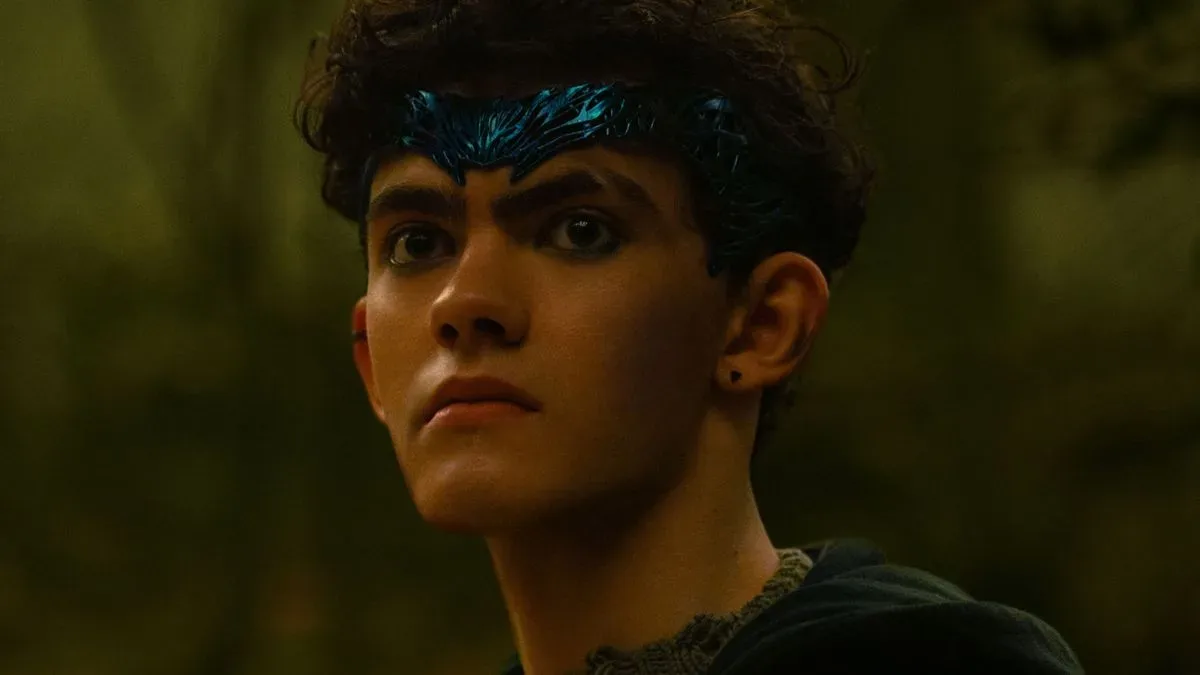
There is no on-screen confirmation that Billy and Tommy are forming a Young Avengers team. Their comic-book association with that group makes the question understandable, and the broader MCU has introduced several possible young heroes, including Kate Bishop, America Chavez, Ms. Marvel, Ironheart and Cassie Lang. But VisionQuest itself ends with a family reunion and a move toward Jersey, not a team recruitment scene.
The more defensible reading is that the pieces exist if Marvel Studios wants to make that move later. Billy and Tommy now have a shared destination, renewed connection and a living father. Those are meaningful character developments, but they are not an official team announcement.
What the ending actually sets up
- Vision, Billy and Tommy: They have a chance to build a functioning family relationship in Jersey.
- Wanda: Her return remains a possibility, not a confirmation.
- Ultron: He is alive outside Vision’s memory systems and has access to Jocasta’s source code.
- Jocasta: Her apparent death could be reversible, though the question of consent would be central to any return.
- A second season: Ideas for more have been discussed, but no renewal has been confirmed. The finale unquestionably leaves material to continue.
VisionQuest closes one chapter by allowing Vision to leave the Mindspace and move toward his sons, but it declines to offer a clean ending. The show’s artificial lives are no longer just inventions or echoes of their creators. They are people contending with memory, consent, inheritance and loneliness — and Ultron, left alone with Jocasta’s code, may be the most volatile expression of all four.