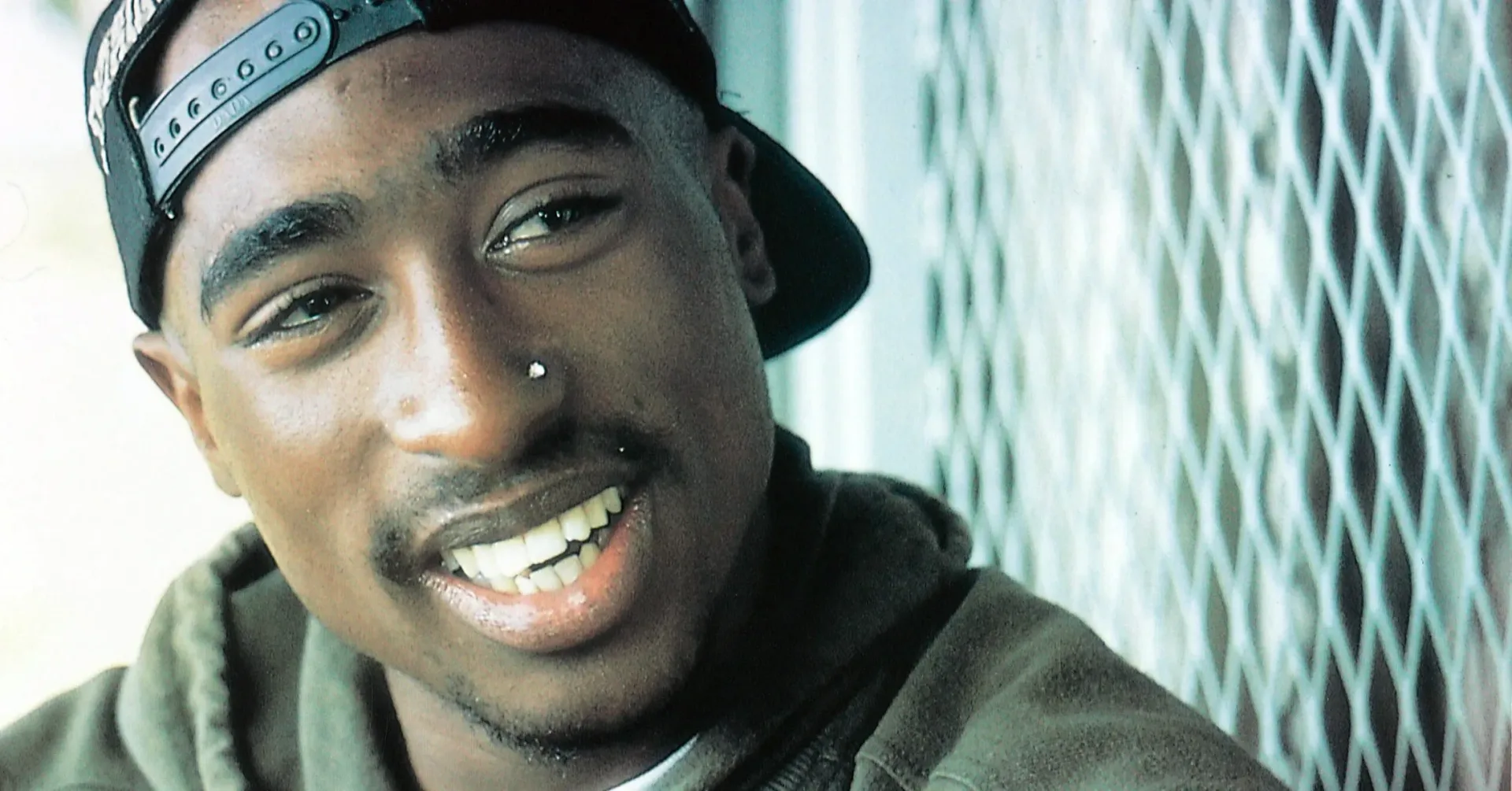
A previously unreleased interview with Tupac Shakur is set to reach a wide audience in The Tupac Tapes With Angie Martinez, a four-part video podcast series coming to Netflix on November 27. Recorded about three months before Shakur’s death, the conversation with radio host Angie Martinez has remained unheard by the public until now.
That basic fact is the center of the project’s appeal. Shakur remains one of hip-hop’s most consequential and widely discussed artists, but this series is not being positioned simply as another retrospective assembled around his legacy. Its central material is a full interview conducted while he was alive, with Martinez seeking to understand the artist more closely at a pivotal point in his life.
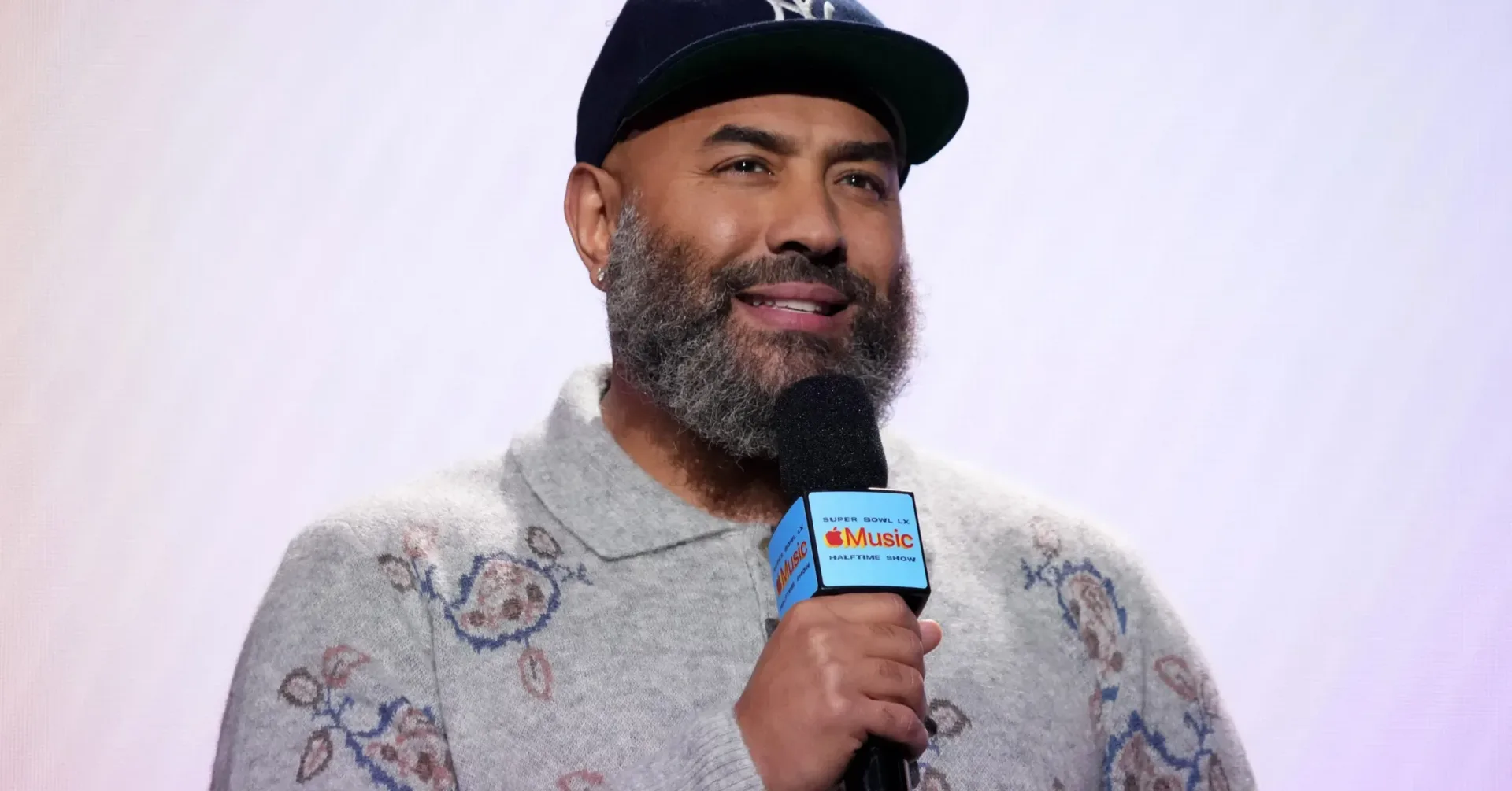
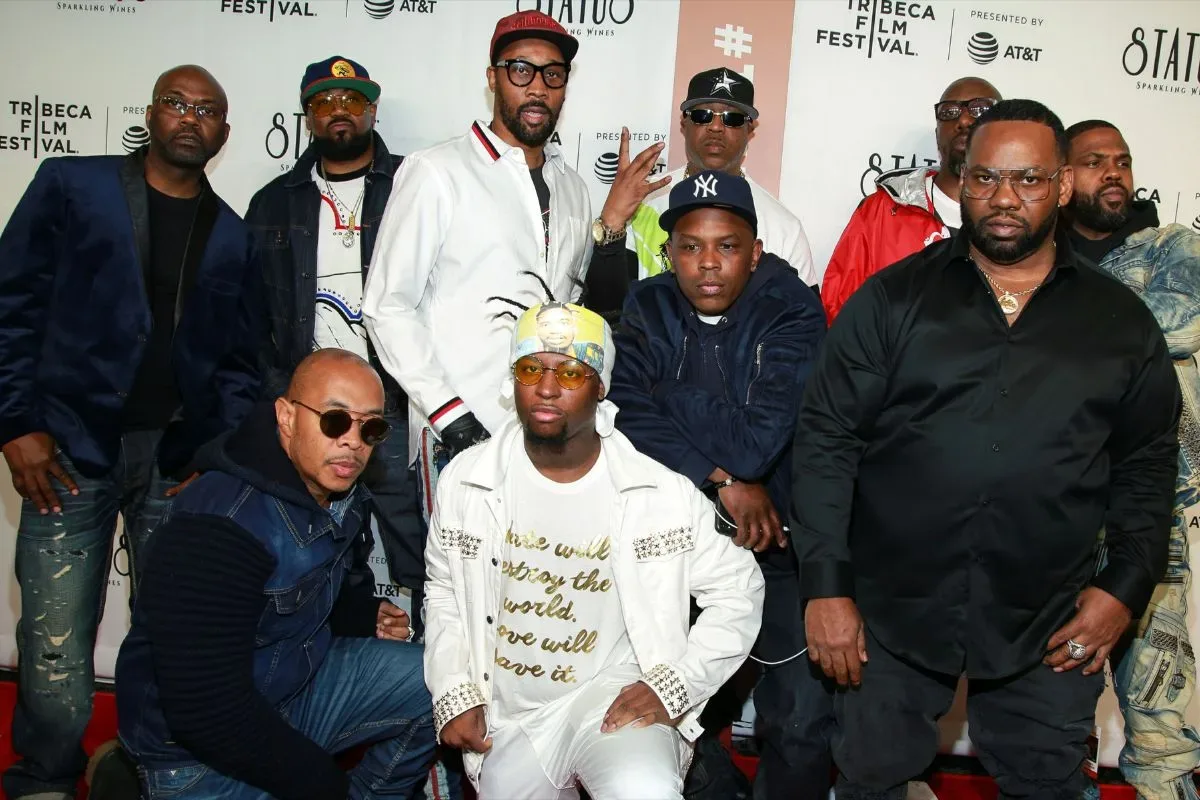
The series will also include a substantial lineup of guests reflecting on Shakur’s life, work, legacy, and continuing impact. Netflix has named Matt Barnes, Big Boy, Bootleg Kev, Joe Budden, Charlamagne Tha God, DJ Hed, E.D.I. Mean, Erica Ford, Dream Hampton, Lil’ Cease, Monie Love, Ed Lover, Aiyisha T. Obafemi, Wallo, and RZA among the participants.
What The Tupac Tapes is—and what is known so far
Netflix describes The Tupac Tapes With Angie Martinez as a four-part video podcast. In practical terms, that label signals a talk-led format that viewers can watch as well as listen to, rather than a conventional scripted drama or a single standalone documentary. The supplied details do not establish the exact structure of each installment, how much of the original interview will be included in each episode, or which guests appear in which part.
What is clear is that Martinez’s recording is the foundation. The additional voices appear to provide reflection and context around the archived conversation, rather than replacing it. That distinction matters: a panel discussion can interpret a cultural figure’s history, but the enduring interest here is the opportunity to hear Shakur responding in his own voice within an interview that was never released at the time it was recorded.
The series arrives amid renewed public interest in Shakur and the circumstances surrounding his life. However, viewers should separate the confirmed information from assumptions that can grow around a high-profile archival release. The available description confirms the existence of the interview, its approximate timing, its host, the four-part format, the November 27 release date, and the roster of featured commentators. It does not detail every topic covered in the conversation or promise new answers to every question surrounding Shakur.
Why an unreleased interview carries unusual weight
Archival interviews can be especially valuable because they preserve a subject’s words before later events reshape how audiences understand them. In Shakur’s case, the passage of time has made his public image inseparable from a vast and often heavily debated legacy. A recording made near the end of his life inevitably arrives with immense expectations, particularly when it has been described for years as a final interview that had not seen the light of day.
That expectation is also a reason to approach the series with care. “Final interview” is an attention-grabbing phrase, but it should not be mistaken for a complete account of a person or an era. An interview captures one exchange at one moment, guided by the questions asked and the answers a subject chooses to give. Its value lies in that immediacy: it can add texture, language, and perspective that later commentary cannot recreate. It does not automatically settle debates or provide an all-encompassing portrait.
Martinez’s role is therefore more than a hosting credit. She conducted the original conversation and now anchors a release designed to revisit it alongside guests from different corners of music, media, culture, and public life. The format creates two layers for viewers: the historical record of the interview itself and the present-day discussion of what Shakur’s words and career continue to mean.
A wide-ranging group of commentators
The announced participants suggest that the series intends to explore Shakur’s impact from more than one angle. The guest list spans broadcasters, artists, writers, personalities, and people associated with hip-hop culture. E.D.I. Mean’s inclusion is particularly notable in the context of the announced lineup, while names such as RZA, Monie Love, Ed Lover, Big Boy, Joe Budden, Charlamagne Tha God, DJ Hed, and Dream Hampton point toward a conversation that can encompass different professional and generational perspectives.
That breadth could be useful for a subject as large as Shakur. “Legacy” is sometimes used vaguely, but here it can be understood in several connected ways: the continued cultural importance of an artist’s work, the ways peers and later figures respond to that work, and the public arguments that remain attached to the artist’s image. A multi-voice format may help distinguish between Shakur as an individual speaker in the archival footage and Shakur as a lasting cultural symbol.
Still, the interview itself will likely be what determines the project’s impact. Commentary can frame a moment, identify themes, or challenge easy assumptions. But the rare element is the unreleased exchange between Martinez and Shakur. For audiences who have encountered his life largely through existing music, clips, accounts, and subsequent analysis, hearing a newly released long-form conversation has the potential to change the texture of that familiarity.
What viewers should not assume before release
The mythology around lost or unheard material can create a temptation to assign it revelations before anyone has watched it. The confirmed announcement gives no episode-by-episode rundown and does not specify whether the interview focuses on particular albums, songs, disputes, relationships, professional decisions, or personal subjects. It is best not to project a list of disclosures onto the program ahead of its arrival.
Likewise, the presence of prominent guests does not indicate that every participant knew Shakur personally, appears extensively, or agrees on every interpretation of his career. Their stated function is to reflect on his life, legacy, and lasting impact. That leaves room for different assessments, which may be a strength of the series if it allows the original interview to be considered without forcing it into a single tidy narrative.
For Netflix subscribers, the practical details currently available are straightforward: the series is titled The Tupac Tapes With Angie Martinez, it has four parts, and it is scheduled for November 27. Beyond that, the most meaningful details will come from the episodes themselves.
Why this release fits the streaming era
Streaming services have made room for archival material to be presented with contemporary discussion around it. A four-part video podcast can slow down the encounter more than a brief excerpt shared online, giving an interviewer’s original work and the surrounding reaction room to coexist. In this case, the structure may be especially suited to material whose significance comes both from what was said then and from what the public has made of Shakur’s career since.
It also places a foundational hip-hop figure into a format that serves audiences with different levels of familiarity. Longtime listeners may be drawn to the chance to hear an interview that has been discussed but not publicly released. Newer viewers may encounter the series as an entry point to why Shakur’s voice remains central to conversations about rap and popular culture. Readers interested in how contemporary music personalities continue to shape those conversations can also see that ongoing dialogue in this look at debate around Kanye West’s comeback narrative.
There is no need to oversell the significance before the episodes are available. The premise is already notable on its own terms: a long-unreleased Martinez interview with Shakur, recorded approximately three months before his death, will finally be released in a four-part presentation supplemented by a varied group of commentators. Whether it expands, complicates, or simply personalizes what viewers believe they know about him is a question the series will have to answer on screen.
For now, November 27 is the date to mark for anyone interested in hip-hop history, archival interviews, or the continuing cultural conversation around Tupac Shakur.