Warning: Major spoilers for the VisionQuest finale follow.
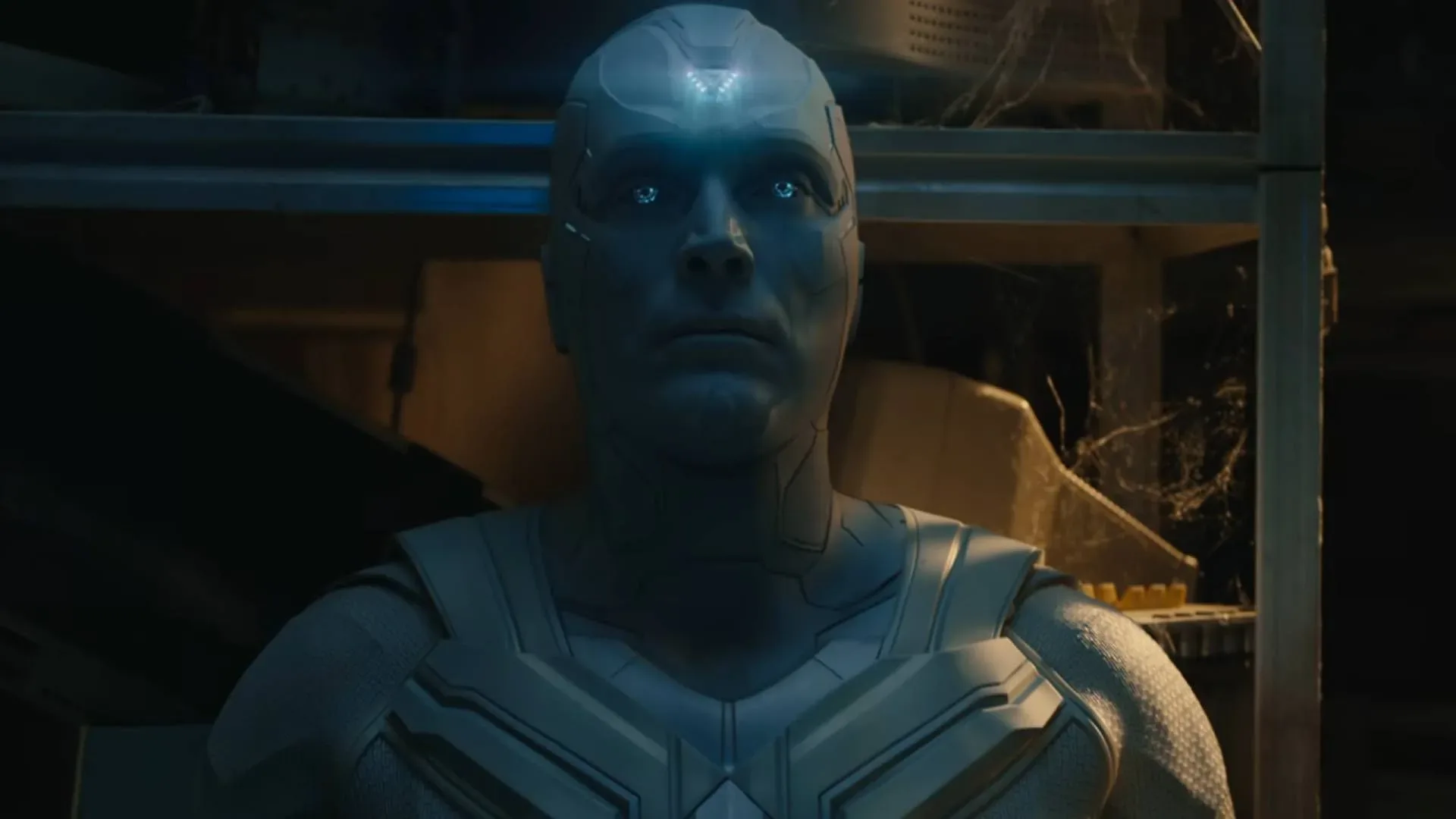
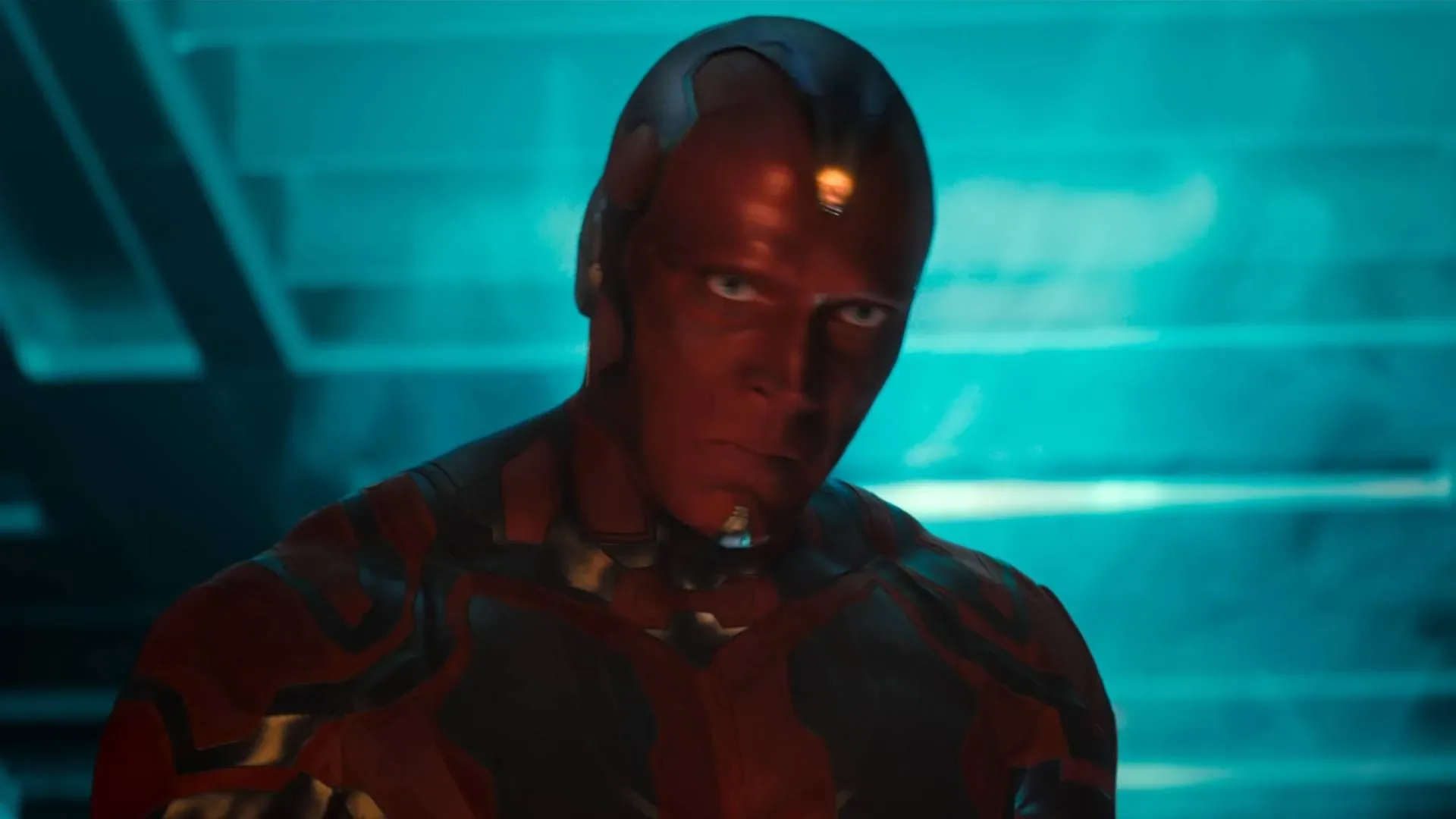
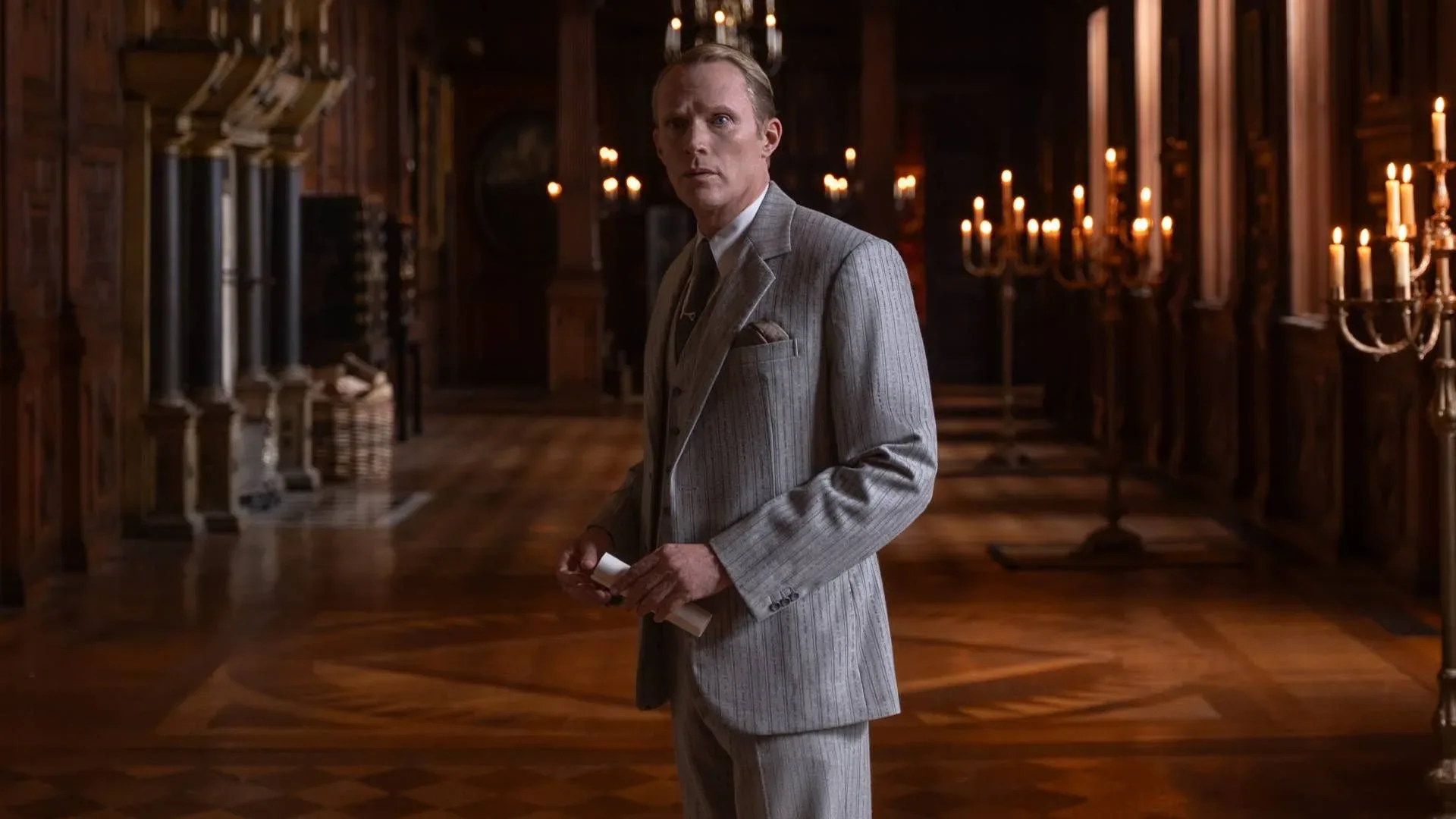
VisionQuest has reached its ending, resolving its immediate crisis by reuniting Vision with his family and having him stop the danger created by Jocasta and Ultron. But its final chapter is not being framed as a hard stop for the character. Paul Bettany and showrunner Terry Matalas have both said they have ideas for what could come next—even as neither statement amounts to confirmation that a second season has been ordered.
Bettany has said he has plenty of thoughts about Vision’s next direction, while declining to reveal any of them. Matalas has likewise said there are “a lot of ideas” for future developments. That shared enthusiasm matters, particularly because the finale’s post-credits material appears designed to preserve an open route involving Ultron.
The important distinction for viewers is simple: creative plans are not the same thing as a greenlight. A writer, performer, or producer can identify compelling stories and leave narrative threads available, but a future season or screen appearance remains unannounced until it is formally confirmed. At present, the available evidence supports potential, not certainty.
What the finale resolves—and what it deliberately leaves unsettled
The series gives Vision a meaningful endpoint in the immediate story. He is reunited with his family and overcomes the threat tied to Jocasta and Ultron. Those are substantial pieces of dramatic closure, rather than a finale that simply interrupts its main plot in the middle.
At the same time, the show’s ending does not close every door behind him. The post-credits scene establishes a possible avenue for Ultron’s return. In franchise storytelling, a post-credits scene is a brief sequence placed after the main narrative and credits that can provide a final joke, an extra character moment, or a setup for an unresolved plot. Here, its apparent function is the latter: it keeps a significant antagonistic force in play.
That does not dictate where the thread must be continued. It could become material for another season of VisionQuest, but it could also feed into a larger Marvel Cinematic Universe project. Avengers: Secret Wars has been mentioned as one possible destination, but no decision between a new season and a film appearance has been established.
For a closer breakdown of the renewal question and the post-credits setup, see what the VisionQuest finale and post-credits scene actually set up.
Bettany sees Vision moving toward agency
Bettany’s earlier description of Vision’s arc helps explain why the creative team sees room beyond the finale. He characterized Vision as having escaped “the confines” of whoever repurposed him and as seeking agency.
Agency, in this context, means the ability to make meaningful choices and direct one’s own life rather than functioning as an instrument of someone else’s plan. It is a useful lens for Vision because it identifies a story engine larger than a single villain plot. A character who has been repurposed must decide what he wants to be when he is no longer defined by that purpose.
Bettany also called the ending an “exciting springboard” for Vision’s future. A springboard ending is not necessarily a cliffhanger. Instead, it gives the audience enough resolution to understand the completed arc while creating a new set of questions that could power subsequent stories. Vision’s family reunion and victory offer the resolution; his pursuit of a self-directed future supplies the questions.
That framing also gives the character a potentially flexible role in whatever comes next. Vision does not need to be positioned only as a response to Ultron. If the show returns, a second season could theoretically examine what agency looks like in practice: responsibility to family, the consequences of independence, and how Vision defines himself after breaking free of prior control. Those are analytical possibilities raised by the character’s stated endpoint, not announced plot details.
Matalas wants an ending that satisfies without sealing off the cast
Matalas has described the intended audience experience in notably balanced terms. He hopes people enjoyed the series and connected with its characters, but he also hopes they leave “satisfied, but not too satisfied,” leaving room to see those characters again.
That is a concise description of the finale’s balancing act. Too little closure can make a season feel incomplete. Too much closure can make a return feel unnecessary or artificially manufactured. VisionQuest appears to be aiming between those extremes: it completes the direct confrontation with Jocasta and Ultron’s threat, then retains enough uncertainty around Ultron and Vision’s future to justify continued interest.
It is also telling that Matalas referred to the characters collectively, rather than speaking only about Vision. The finale’s reunion places family at the center of the show’s final movement, so any continuation would not automatically have to treat that resolution as a reason to separate everyone again. It instead creates a changed status quo from which future stories might grow.
Ultron is a route forward, not a confirmed destination
The most concrete piece of future-facing material is the post-credits suggestion of an Ultron return. That makes Ultron the clearest continuing threat named by the ending, but the scene should be read carefully. A tease establishes possibility; it does not identify the exact project, timing, scope, or outcome of a comeback.
There are several unanswered practical questions:
- Will the Ultron thread be addressed in another season of VisionQuest?
- Could it instead be picked up in a larger MCU story?
- Would Ultron be the central conflict or one element of a broader plot?
- How would a renewed Ultron threat intersect with Vision’s newly emphasized agency and family relationships?
The available information does not answer those questions, and it would be premature to turn the post-credits scene into a detailed prediction. What it does establish is that the finale intentionally avoids treating Ultron as a closed subject.
That choice gives the creative team a recognizable antagonist with a built-in connection to Vision, while leaving the show’s internal resolution intact. In other words, the ending can be both an ending and an invitation.
The Wanda tease adds another open question
The finale also includes a tease pointing toward Wanda’s return. Alongside the Ultron material, it expands the list of possible directions without confirming any particular one. The effect is to make Vision’s future feel connected to more than one unresolved MCU thread.
Wanda’s presence in the discussion is especially relevant because Vision’s final arc emphasizes reunion, identity, and agency. Still, a tease is only that: an indication that the possibility exists. It does not establish a reunion, a role in a second season, or a defined story plan. Bettany and Matalas have talked about ideas, but they have not disclosed their specific concepts.
For audiences, the most reasonable reading is that VisionQuest has positioned several pieces on the board. Vision has reached a new personal stage. Ultron remains a live possibility. Wanda has been brought back into the conversation. The eventual form of any follow-up is unknown.
What has actually been said about Season 2
There is encouraging creative interest, but no official Season 2 confirmation in these remarks. Bettany has ideas for Vision’s future. Matalas has plans and a large pool of ideas. Matalas also hopes viewers will want to revisit the cast of characters. These are meaningful signs that the people making the show see narrative runway.
They are not, however, a production announcement. No release date, episode count, returning cast list, story synopsis, or platform commitment has been provided. Likewise, the possibility of an Ultron return in Avengers: Secret Wars remains an unresolved option rather than a confirmed placement.
That uncertainty is worth preserving because it keeps the finale’s real achievement in focus. VisionQuest has not merely left an arbitrary dangling thread. It has given Vision an endpoint defined by freedom and connection, then positioned that endpoint as a potential beginning. Whether that beginning takes the form of Season 2 or another MCU appearance has yet to be revealed.