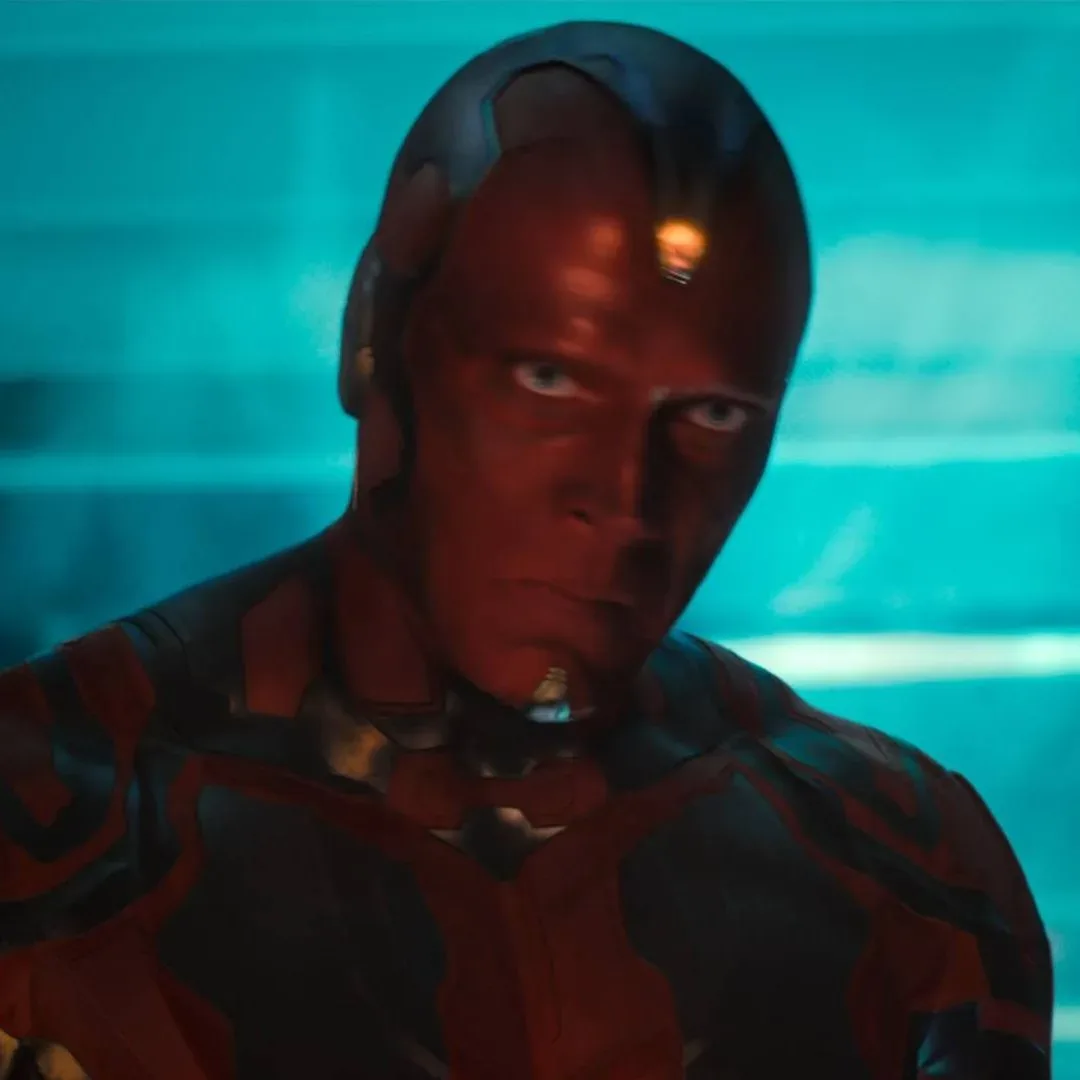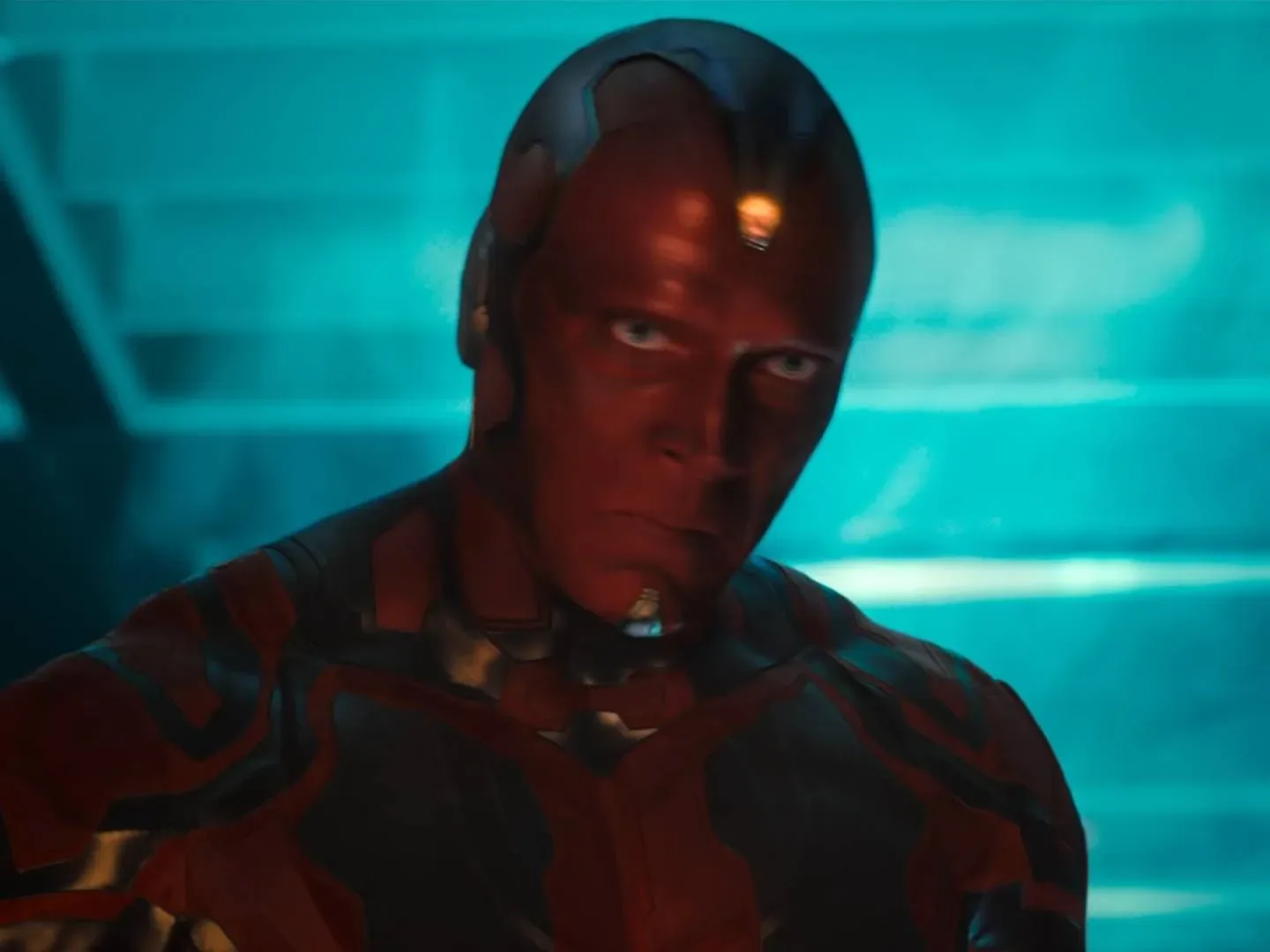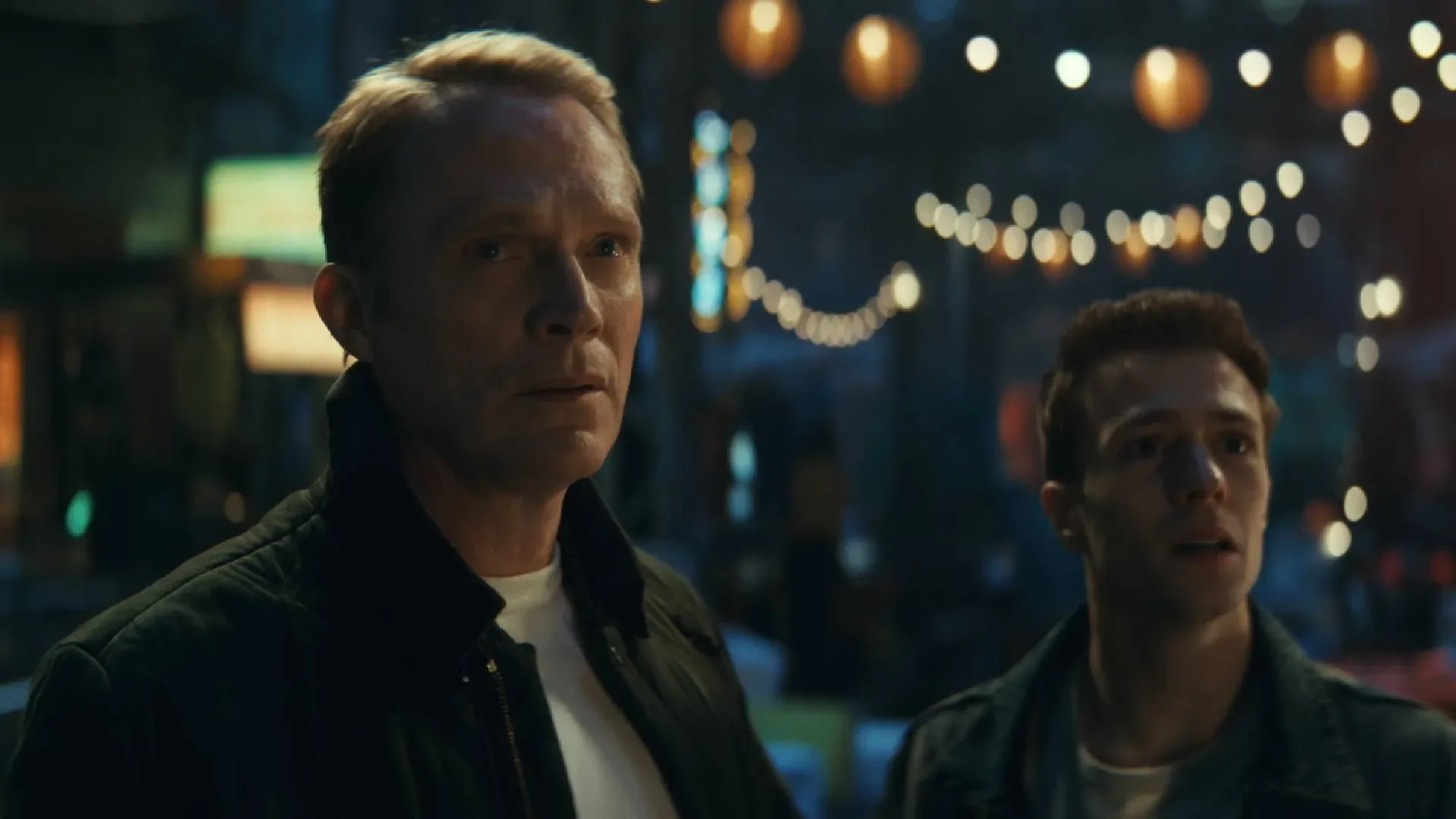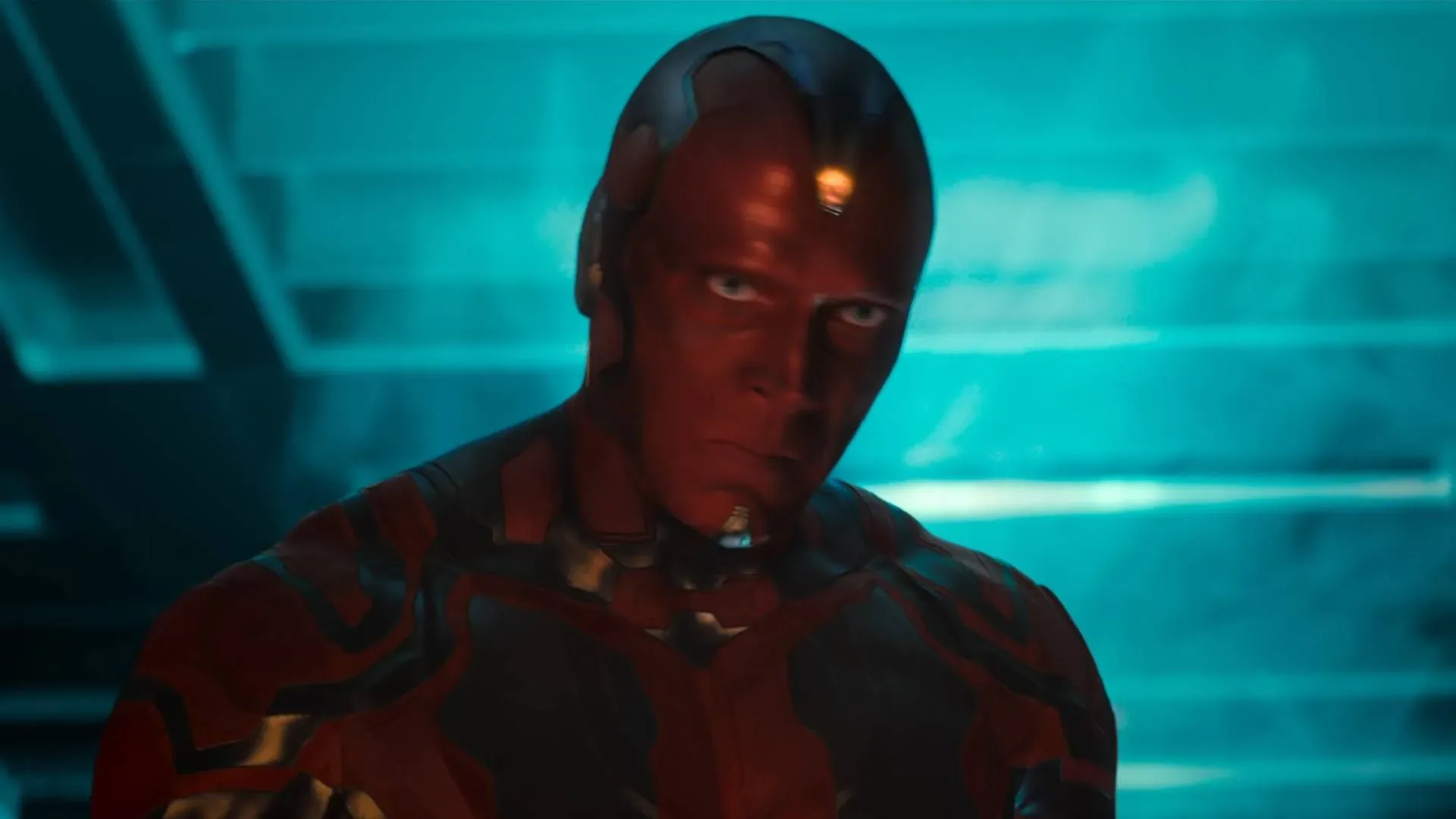
VisionQuest is set to take place years after WandaVision, bringing Paul Bettany’s synthezoid hero much closer to the present edge of the Marvel Cinematic Universe timeline. Showrunner Terry Matalas has described the series as roughly contemporary with Spider-Man: Brand New Day, a placement that would put the show in 2028 if that film’s stated timeline position holds.
That is a consequential bit of calendar maintenance for a franchise where the difference between “after the blip” and “after the other multiversal catastrophe” can apparently require a corkboard, red string, and perhaps one very patient android. More importantly, it frames the new series as a story about time having genuinely passed for Vision, rather than an immediate extension of the events that left the character and Wanda Maximoff in profoundly different places.
VisionQuest is scheduled to arrive on Disney+ on October 14. Its timing puts it ahead of December’s Avengers: Doomsday release, though there is no confirmation that the series directly feeds into that film.
A later MCU setting gives Vision’s story room to breathe
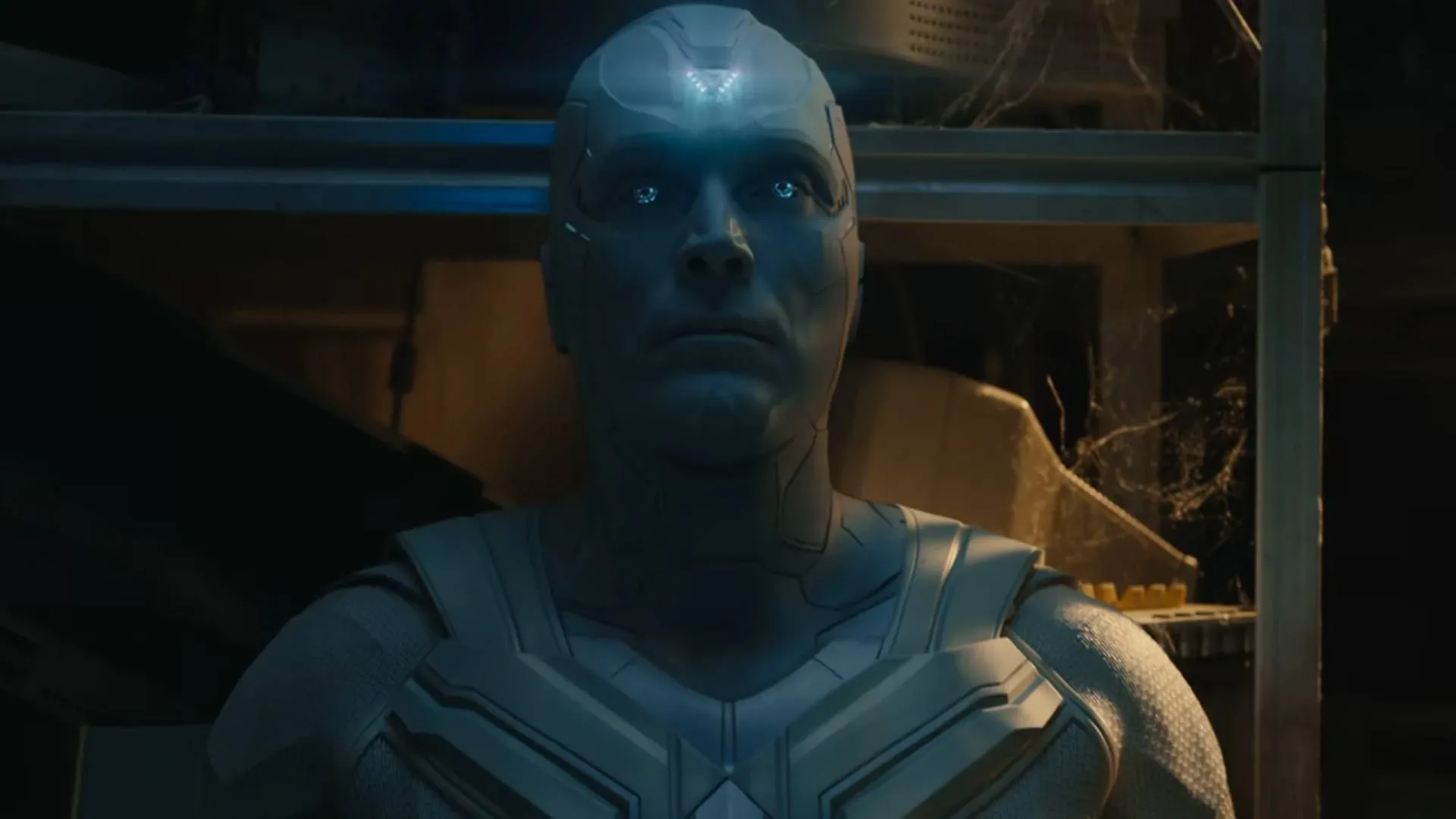
WandaVision premiered in 2021 and centered on grief, memory, fabricated domesticity, and the painful limits of getting exactly what one thinks they want. Vision’s return was complicated even by superhero standards: the Vision audiences knew died in Avengers: Infinity War, while a rebuilt white version of the character recovered the original’s memories before departing to determine who he was.
Placing VisionQuest years later suggests its central question is not simply whether Vision remembers his old life. It is what someone does with those memories after enough time has elapsed for the world to expect an answer. The gap also creates distance from Wanda’s fate in Doctor Strange in the Multiverse of Madness, where she was apparently killed off-screen following the destruction of Mount Wundagore.
Matalas has said the show’s setting is around the same point as Spider-Man: Brand New Day. Under the currently discussed chronology, that means 2028, four years after the events of Spider-Man: No Way Home. It would make VisionQuest one of the furthest-forward MCU stories prior to Avengers: Doomsday.
Timeline placement is not automatically a promise of crossover fireworks. A story can happen late in continuity and still remain personal, inward-looking, and concerned with the emotional debris left behind by earlier events. In Vision’s case, that approach sounds particularly appropriate. His life has included creation, death, resurrection, identity transfer, philosophical debate with his maker, and a family whose reality came apart in public. A quieter pub shift frankly sounds earned.
Scotland, a pub, and a mind full of dangerous company
The series returns Vision to Scotland, where he and Wanda once attempted to build a home. By day, he works at a pub. By night, he explores his own interior world in an attempt to understand humanity and himself. That setup gives VisionQuest a markedly stranger premise than a standard cape-and-crater adventure: a powerful android’s biggest battlefield may be the accumulated personalities, fears, memories, and artificial intelligences inhabiting his consciousness.
One especially important figure in that mental landscape is Ultron. Vision’s creator and one-time global menace has been present in some form since the pair’s final discussion in Avengers: Age of Ultron. Their conversation then was unusually reflective for a film built around a city trying extremely hard to become an extinction-level event. Revisiting that connection could allow the new show to examine how much of a creator remains in a creation, and whether Vision’s empathy is something he chose, inherited, or constantly has to rebuild.
That internal setup also makes room for the kind of tonal flexibility Marvel television has occasionally used to its advantage. Vision could be tending bar in one scene, confronting a corrupted or antagonistic AI construct in another, then reckoning with a devastating memory in the next. The show has been described as involving Vision’s search for what it means to be human, a familiar science-fiction question with unusually personal stakes here.
There is also Tommy Shepherd, Vision and Wanda’s teenage son, who is expected to cross paths with Vision. The prospect is emotionally loaded even before the particulars are known. Tommy’s existence is inseparable from the events of WandaVision, and any meeting between him and Vision has the potential to force both characters to deal with family bonds that are real in feeling but exceptionally tangled in origin.
Not simply the ending of a trilogy
VisionQuest has been presented as the third part of a line that began with WandaVision and continued with 2024’s Agatha All Along. Matalas, however, has characterized the project more as a sequel than a final chapter, and has indicated there are ideas for more seasons. That distinction matters. Calling a show a conclusion encourages viewers to expect resolution; calling it a sequel acknowledges that its lead character still has a future worth following.
It is a sensible position for Vision. His story was never neatly finished, even before the white Vision walked away carrying restored memories. He has not been granted the ordinary heroic endpoint of saving the day and enjoying a peaceful epilogue. Instead, he has the burden of being a person assembled from continuity fragments: the body of one Vision, the memories of another, and a life shaped by loss he can recall without necessarily having lived in a straightforward way.
That identity puzzle is the real draw. The MCU has no shortage of cosmic stakes waiting in the wings, especially with Avengers: Doomsday on the calendar. But the most resonant Vision story may be the one that asks whether a being made of technology can carry grief, responsibility, love, and remorse without being reduced to any of them.
For viewers planning a broader streaming watchlist this autumn, Disney+ will not be the only service with major genre programming in the mix; Steven Spielberg’s Disclosure Day is also headed to Peacock on October 9. Still, VisionQuest occupies a particularly unusual lane: a superhero series built around a character whose existential crisis is not a temporary detour from the plot, but the plot itself.
Wanda remains the biggest question, not a confirmed answer
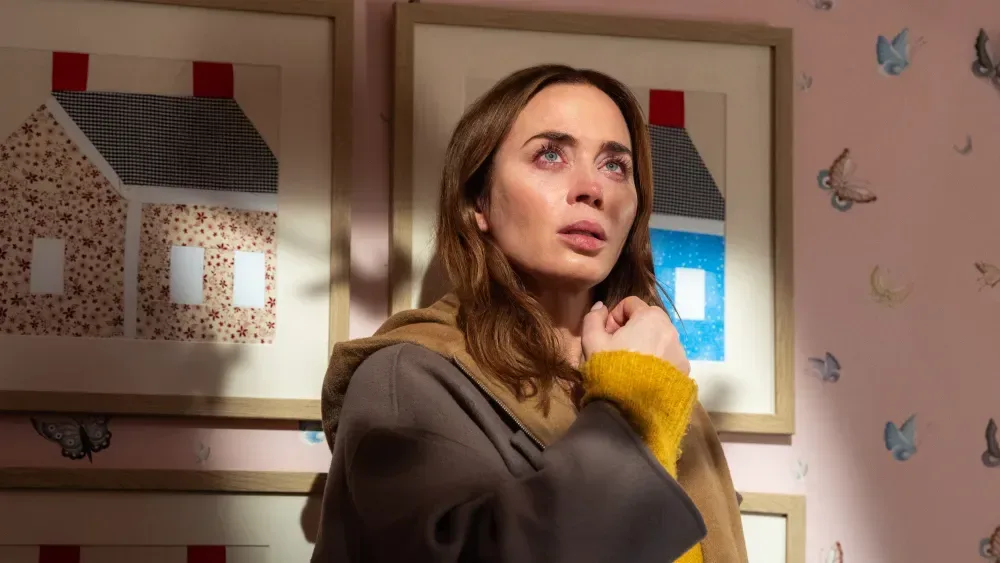
Elizabeth Olsen’s Wanda Maximoff is not expected to appear in VisionQuest, based on Matalas’ comments. He has specifically cautioned viewers not to treat discussion of a late-season moment as a tease for Wanda’s return. That should be taken at face value rather than converted into the usual franchise arithmetic where every denial equals three secret cameos and a post-credit scene.
There is still a major emotional connection between Wanda and the series whether or not she is physically present. Scotland, Tommy, Vision’s grief, and the lingering consequences of their relationship all make her absence meaningful. A story does not need to reverse a character’s apparent death to explore the mark that character left behind.
Likewise, neither Bettany nor Olsen was included in the livestream cast reveal for Avengers: Doomsday. That does not establish their status for every future Marvel project, including Avengers: Secret Wars, but it does mean fans should avoid treating either performer as confirmed for the next Avengers film.
Iron Man’s death may look different through Vision’s eyes
Matalas has also said VisionQuest will offer a heartbreaking new angle on Tony Stark’s death. The specific form that perspective takes remains undisclosed. Yet it makes thematic sense for Vision to revisit that loss. Tony was among the people most responsible for the circumstances that brought Vision into the world, even if the character ultimately became far more than anyone’s design project.
Vision’s relationship to Iron Man has always been indirect but substantial: one artificial being created through a mixture of ambition, fear, intelligence, and accident considering another human whose heroic legacy came with equally complicated baggage. A reflective treatment of Tony’s death could deepen the series without turning it into a nostalgia delivery system.
With its 2028 setting, Scottish pub backdrop, internal AI oddities, Ultron connection, Tommy Shepherd thread, and unresolved grief, VisionQuest has the ingredients for a Marvel story that looks forward while refusing to forget its past. Whether Vision finds a stable answer to who he is remains unknown. Given his history, the safer bet is that the answer will be messy, melancholy, and considerably more interesting than a simple software update.