Minor spoilers for The Rings of Power season 3, episode 3 follow.
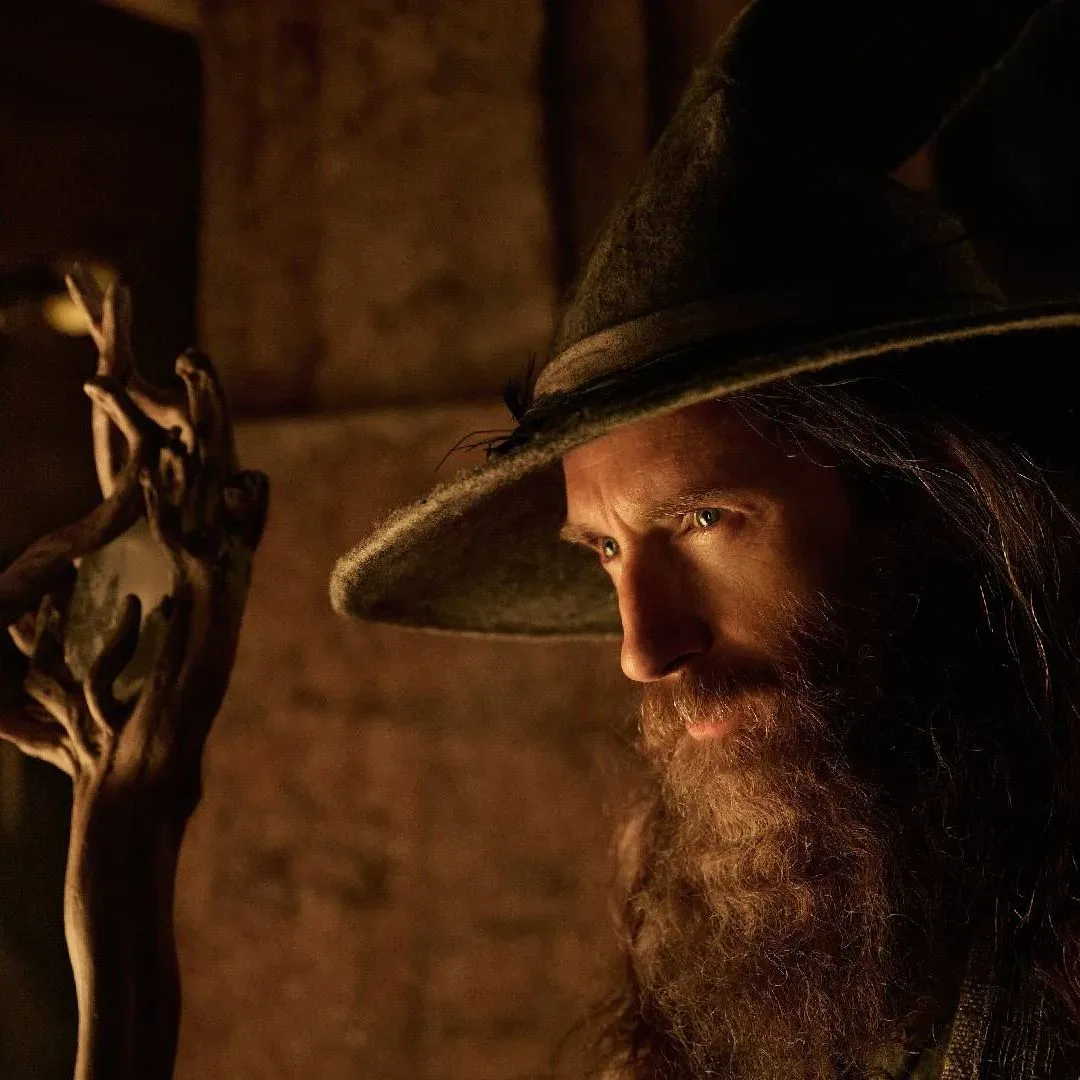
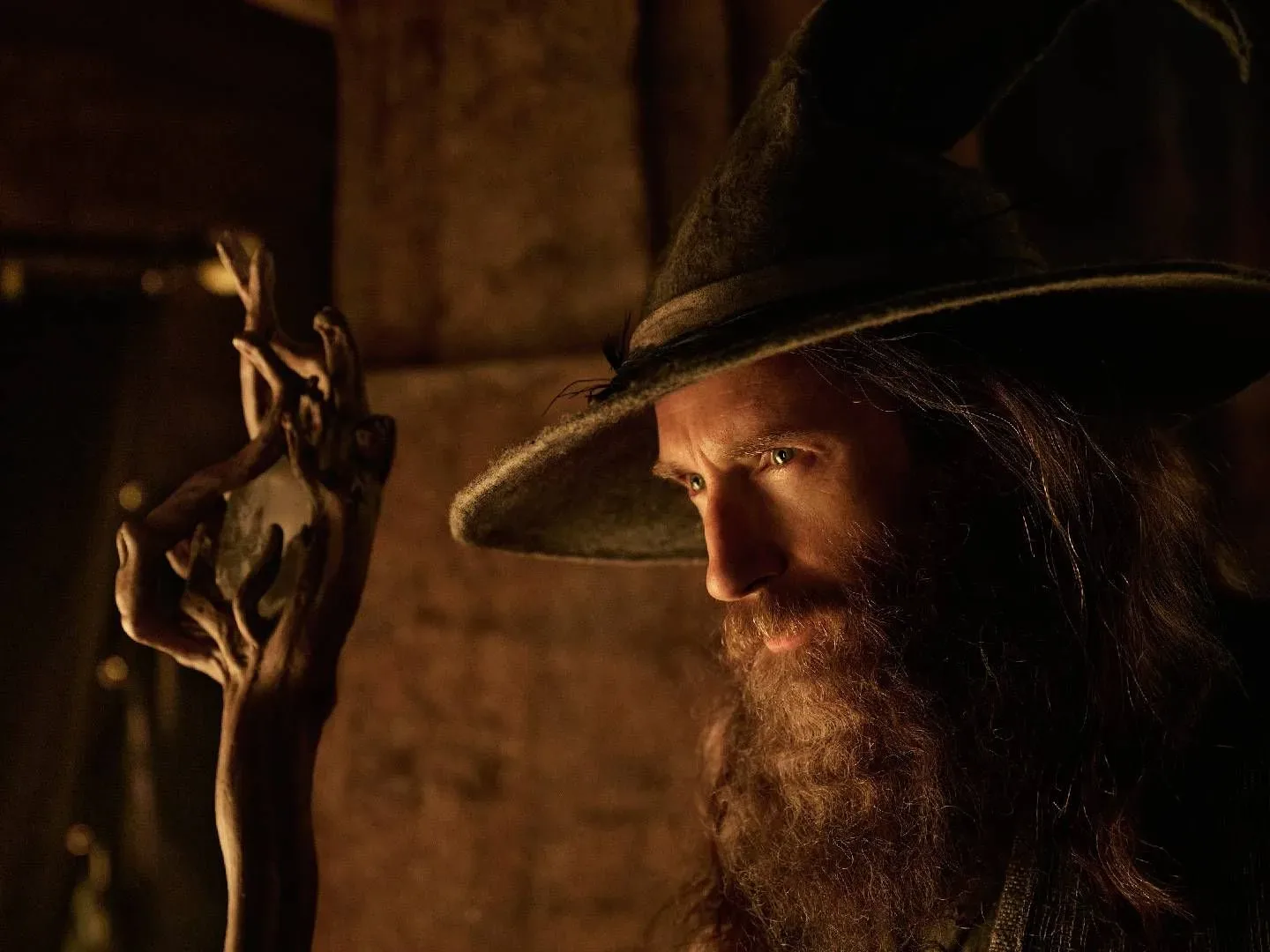
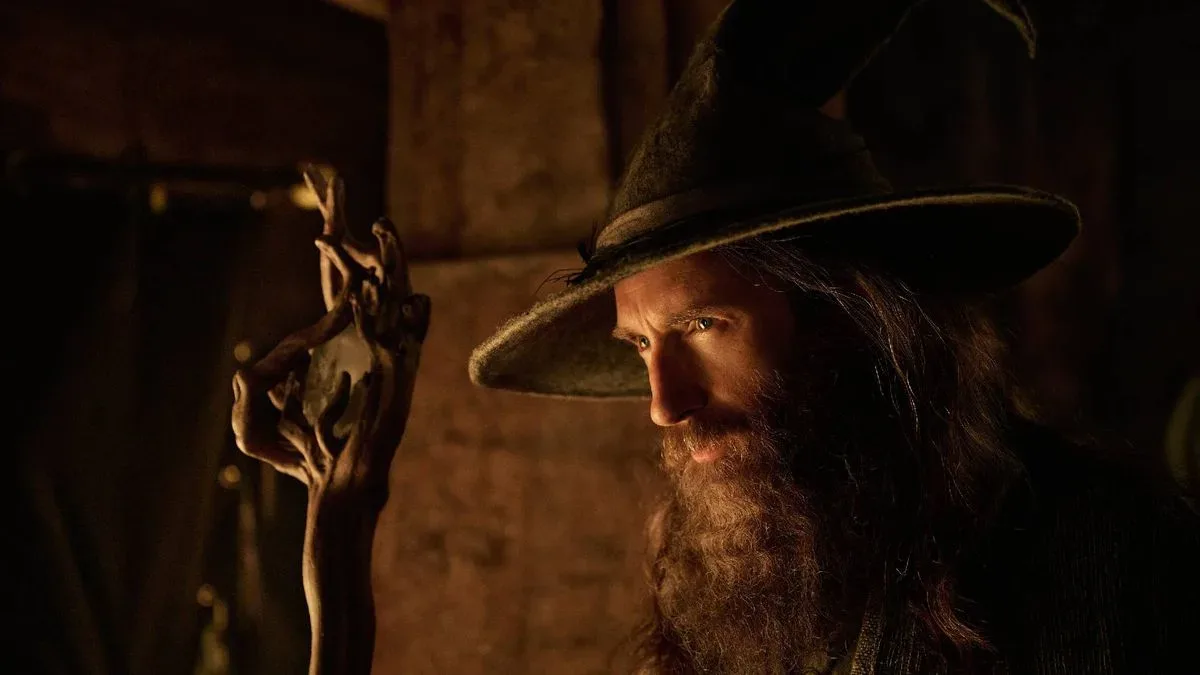
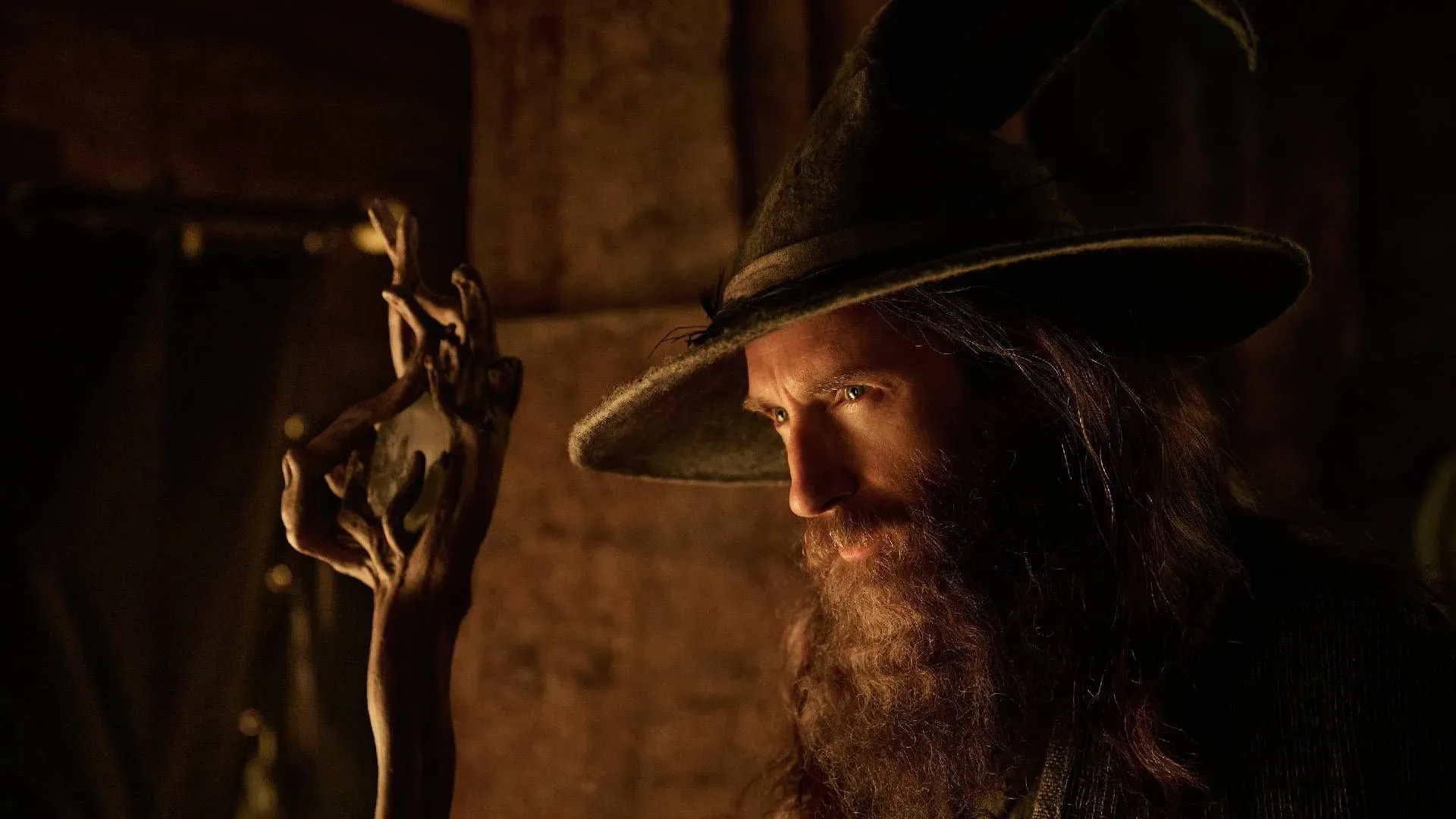
Gandalf’s path through Rhûn takes a strikingly direct turn in The Rings of Power season 3, episode 3. After struggling to get a straight answer from Tom Bombadil, the wizard pursues a sign—and receives one in a form that is hard to mistake. A rabbit flees as Gandalf sings, bursts into flame, and becomes the point of contact for a vast, unseen power called the Secret Fire.
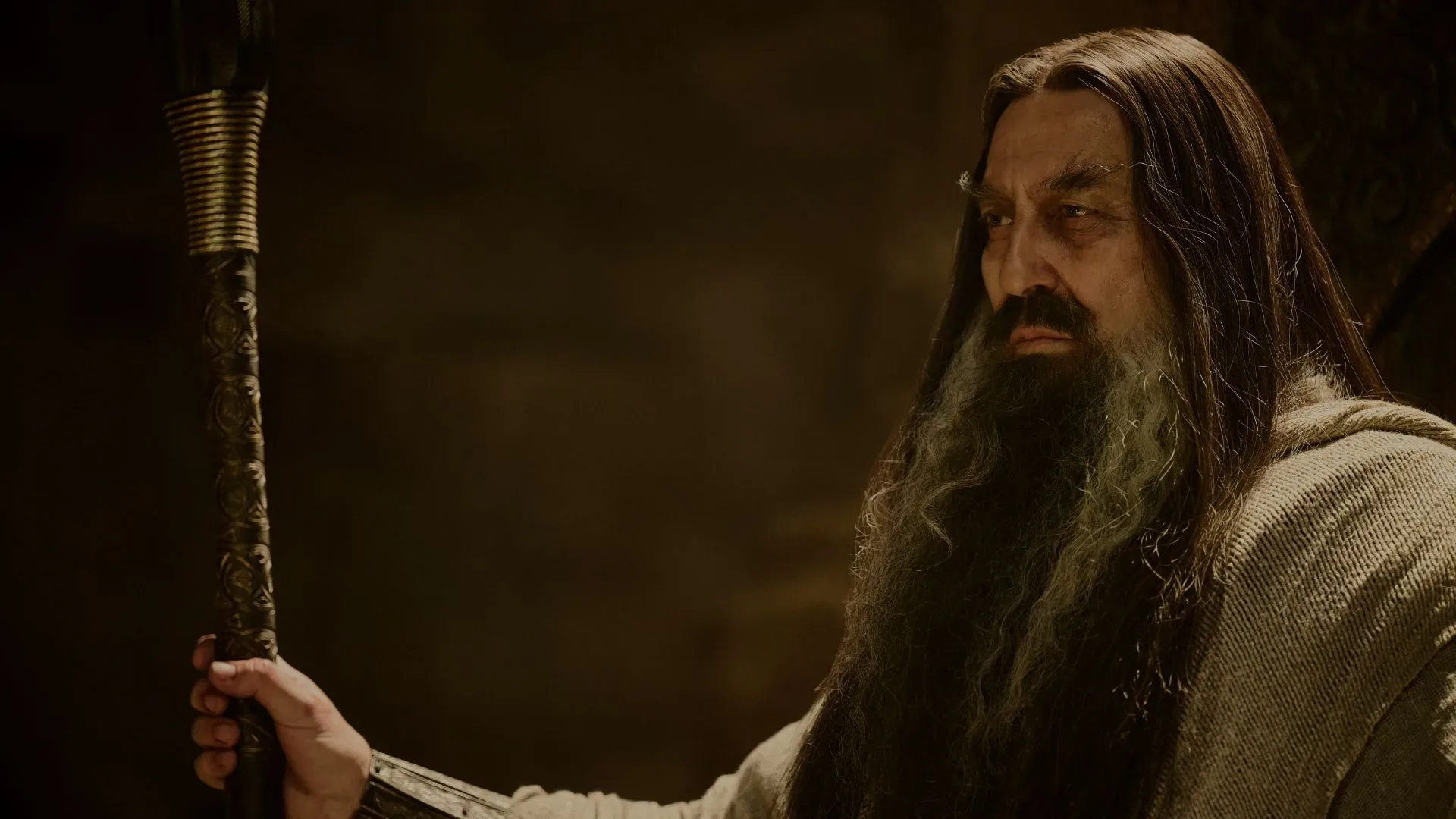
The scene is intentionally mystical, but its story function is comparatively clear. Gandalf has been asking what he must do for Middle-earth as danger grows in Rhûn and Sauron pursues conquest elsewhere. The Secret Fire gives him an answer tied both to his identity and to a concrete objective: he is one of five wizards sent to save Middle-earth, and the Dark Wizard, identified here as Pallando, must be saved if Sauron is to be stopped.
That makes the flaming-rabbit sequence more than a piece of fantasy imagery. It turns Gandalf’s uncertainty into a mission, clarifies the meaning behind a famous phrase associated with him, and reframes his conflict with Pallando as something more complicated than simply defeating an enemy.
What happens in Gandalf’s Secret Fire vision?
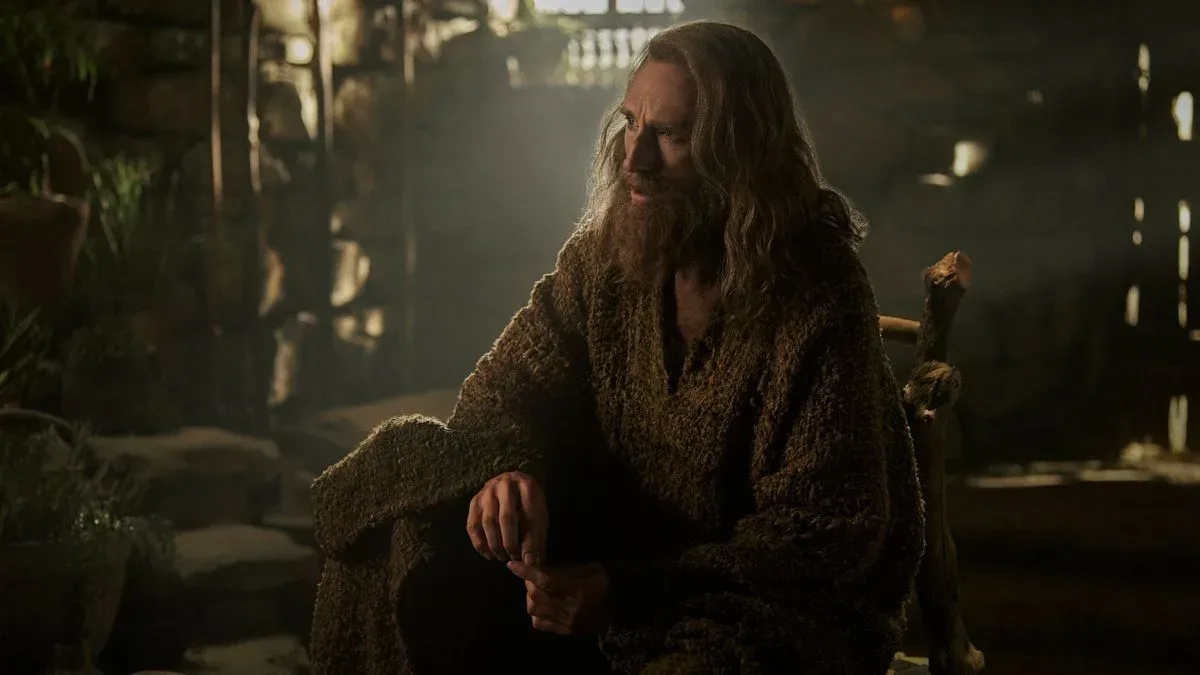
Gandalf begins the episode’s key encounter frustrated by Tom Bombadil’s riddling guidance. He wants a reliable direction for how to help Middle-earth, particularly as the forces in Rhûn become stronger and Sauron’s wider ambitions remain a threat.
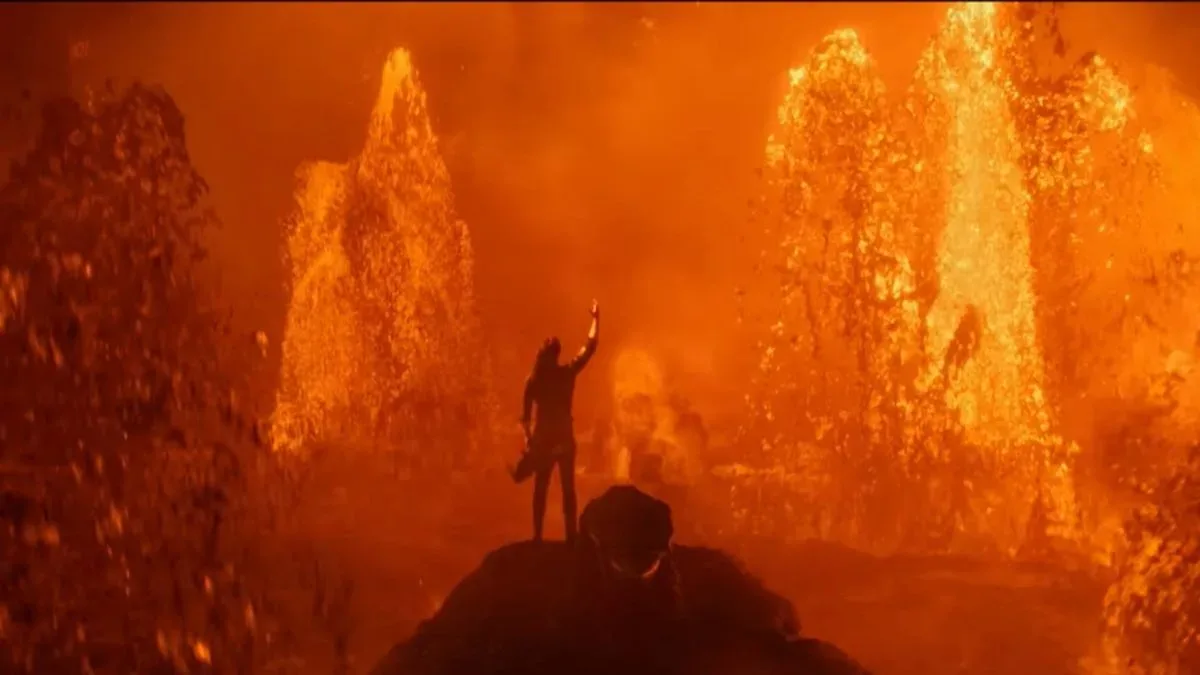
Bombadil’s response is characteristically oblique: Gandalf should sing, and Tom will be with him. Gandalf leaves Bombadil’s home and follows a rabbit while singing. The animal then ignites. The sky darkens, and the fire speaks.
That voice identifies itself as the Secret Fire. It tells Gandalf that he is among five wizards dispatched to save Middle-earth. Crucially, it identifies the Dark Wizard as Pallando and says he must be saved in order to prevent Rhûn’s forces from joining Sauron’s army.
Gandalf consequently reaches a new understanding of his task. His goal is to align with Pallando rather than merely oppose him, stopping Rhûn from becoming another source of strength for Sauron. He also takes on the description “servant of the Secret Fire”, paying off Bombadil’s earlier insistence that Gandalf’s purpose is service rather than mastery.
That distinction is important in dramatic terms. A master commands for personal power; a servant acts in response to a responsibility beyond personal ambition. The episode places Gandalf on the latter path. He is not being handed dominion over fire or a simple instruction to destroy an adversary. He is being directed toward the rescue of someone whose choices are intertwined with a looming military threat.
What is the Secret Fire?
Within the show, the Secret Fire is presented as an unseen, creative presence speaking through flame. Its own description gives the basic idea: it burns within everything without being visible, and it claims a role in making the heavens, stars, and Middle-earth itself.
The show therefore treats the Secret Fire as both cosmic and personal. Cosmic, because its language reaches back to the making of the world; personal, because it addresses Gandalf directly, explains his purpose, and points him toward Pallando. The burning rabbit is a vehicle for that encounter rather than an explanation that the rabbit itself is the power.
The scene’s imagery resembles a burning-bush revelation, but the story’s own terminology is rooted in Tolkien’s mythology. In Tolkien’s work, the Secret Fire is associated with the creative energy of Ilúvatar, the creator deity of Middle-earth. In the episode, that difficult-to-picture metaphysical idea is given a visible form: speaking flame and a voice that describes creation in elemental terms.
It is useful to separate two related concepts here:
- Ilúvatar is the creator figure in Tolkien’s cosmology.
- The Secret Fire is the divine creative force associated with him—the power the show presents as burning invisibly within creation.
That framing explains why the Secret Fire is not treated like a spell, weapon, or ordinary magical resource. Gandalf does not acquire it as an ability in the episode. Instead, he becomes its servant: someone acting under the authority of a power greater than himself.
Why the scene matters for Gandalf
Before this encounter, Gandalf’s position in Rhûn is defined by a search for purpose as much as a fight against danger. Bombadil’s refusal to provide a simple answer frustrates him, but the eventual sign does provide a clear direction. It says that Gandalf’s place in the struggle is not to seek mastery, but to serve Middle-earth by addressing Pallando’s role in Rhûn.
The scene also gives greater weight to the show’s version of Gandalf’s identity. The Secret Fire says the wizards were sent to save Middle-earth. Its message places his journey in a larger mission rather than presenting him only as an isolated wanderer finding his way through an unfamiliar land.
That is especially significant because the episode supplies a number—five. Gandalf is one of five wizards, and Pallando is one of the others. The revelation turns the Dark Wizard from a broad title into a specific figure whose fate has consequences beyond their immediate conflict. If Pallando cannot be reached, Rhûn may supply forces to Sauron. If Gandalf can align with him, that outcome may be prevented.
There is still room for uncertainty in the wording. “Save” does not automatically describe the method, the degree of Pallando’s willingness, or what an alliance will require. But it firmly changes Gandalf’s priority. Pallando is now a person Gandalf has been tasked to bring back from the brink, not just a power to overcome.
Rhûn and the Pallando problem
Rhûn is central to the episode because its growing power is positioned alongside Sauron’s own campaign. Gandalf’s vision makes the relationship plain: the immediate danger is not solely the Dark Wizard’s influence within Rhûn, but the prospect of that influence becoming useful to Sauron’s army.
That gives the season a practical strategic concern beneath its mystical language. In fantasy storytelling, an alliance can be as consequential as a battle. The Secret Fire’s instruction is aimed at preventing one before it forms. Gandalf must work to stop Rhûn’s forces from being folded into Sauron’s larger war effort.
It also makes Bombadil’s earlier lesson more pointed. Gandalf asks what he should do, seeking certainty. Bombadil answers in a way that sounds evasive, but the eventual revelation teaches the same principle from another angle: Gandalf’s role is to serve. His mission is not framed around taking control of Rhûn, gaining authority over Pallando, or acting as a master over events. It is framed around preventing a greater harm.
For viewers tracking the show’s wider Second Age threads, the earlier explanation of Elrond’s family offers useful context for the broader world around this conflict; see why Elrond’s twin Elros matters to Númenor and the season’s larger stakes.
The Fellowship of the Ring connection
The phrase “servant of the Secret Fire” carries particular resonance because Gandalf uses it again in The Fellowship of the Ring during his confrontation with the Balrog. The season 3 scene supplies a dramatic origin point for that declaration within the series: Gandalf has directly encountered a speaking manifestation of the power he later invokes.
It is tempting to read that later line as evidence of an ongoing conversation between Gandalf and the Secret Fire, but the material here does not establish that. What it does establish is a stronger thematic connection. In both instances, Gandalf defines himself through service to a creative, unseen power set against destructive darkness.
The Balrog confrontation is therefore not simply a callback in terminology. The words carry the idea that Gandalf’s authority is derived from service, not ownership. Season 3 makes that idea explicit by pairing his new title with Bombadil’s warning that he is meant to serve rather than rule.
How to read the fire imagery
The Secret Fire’s arrival blends several layers of meaning. Fire is literal on screen: a rabbit catches flame, the sky changes, and the flame becomes a speaker. It is also symbolic: the voice describes itself as the hidden burning inside all things and links itself to the creation of the world.
This is why the sequence should not be reduced to a conventional magical summons. It is an act of revelation. Gandalf is given knowledge—about the five wizards, Pallando, and his own responsibility—rather than a new combat technique or an object to carry forward.
The episode additionally uses the scale of the language to distinguish the Secret Fire from the political and military threats Gandalf faces. Sauron’s ambitions and Rhûn’s armed power belong to the conflict inside Middle-earth. The Secret Fire speaks as something bound to Middle-earth’s making. That contrast raises the encounter beyond a tactical briefing while still giving Gandalf an immediately actionable task.
In short, the Secret Fire is the show’s expression of divine creative force associated with Ilúvatar. For Gandalf, its appearance resolves the question of what he is supposed to do next: seek Pallando, avert Rhûn’s union with Sauron, and act as a servant rather than a master.