Warning: this article discusses a major reveal from The Rings of Power season three.
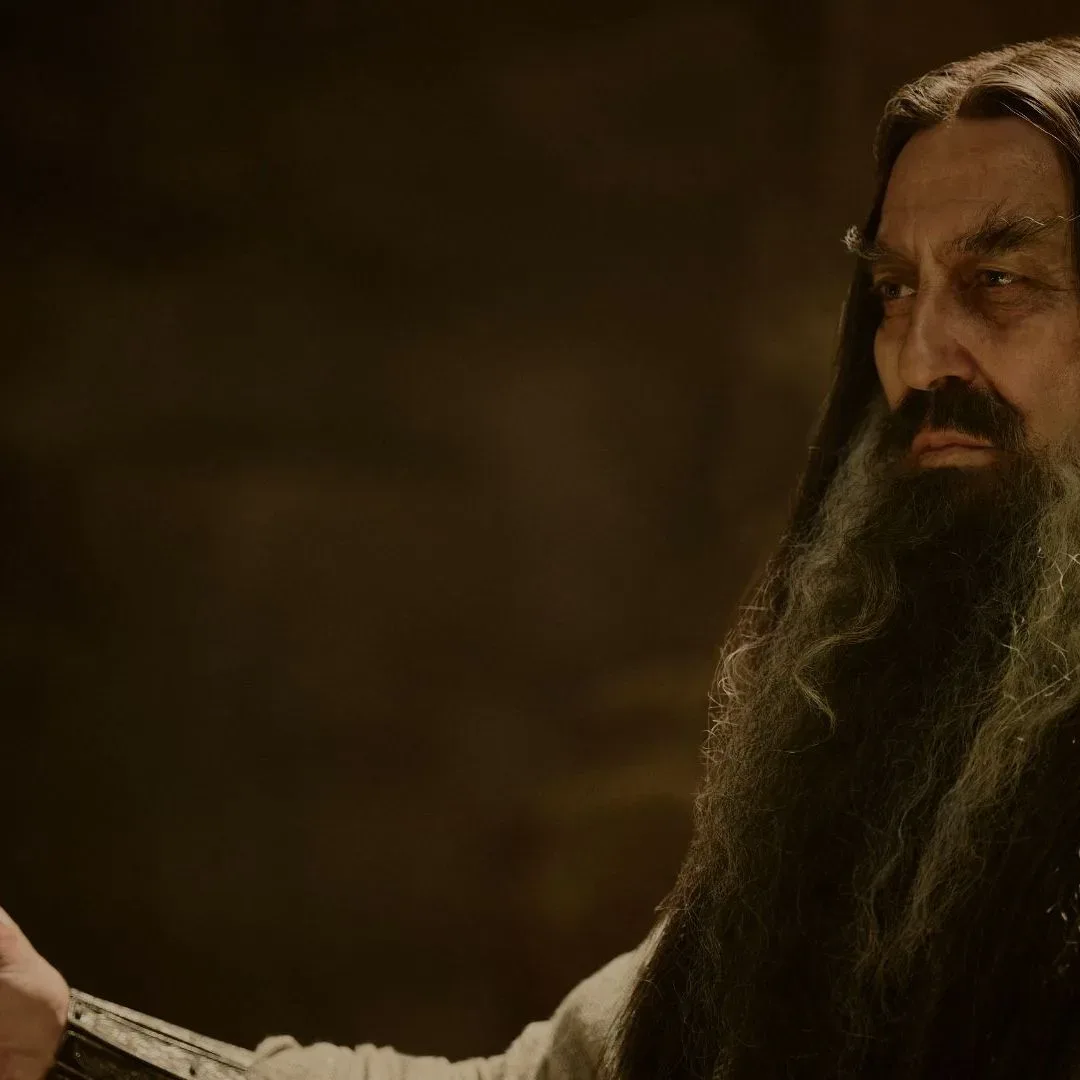
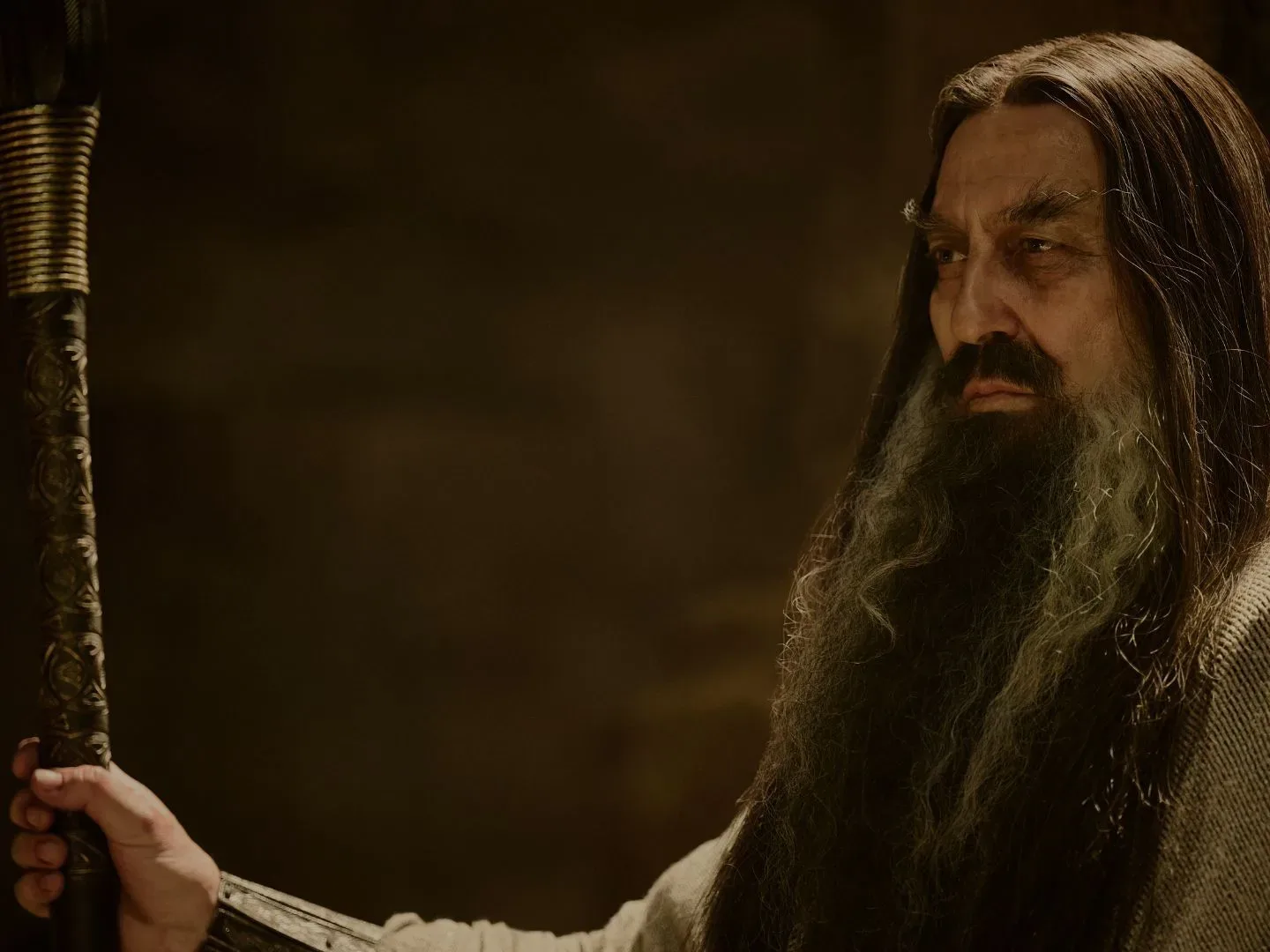
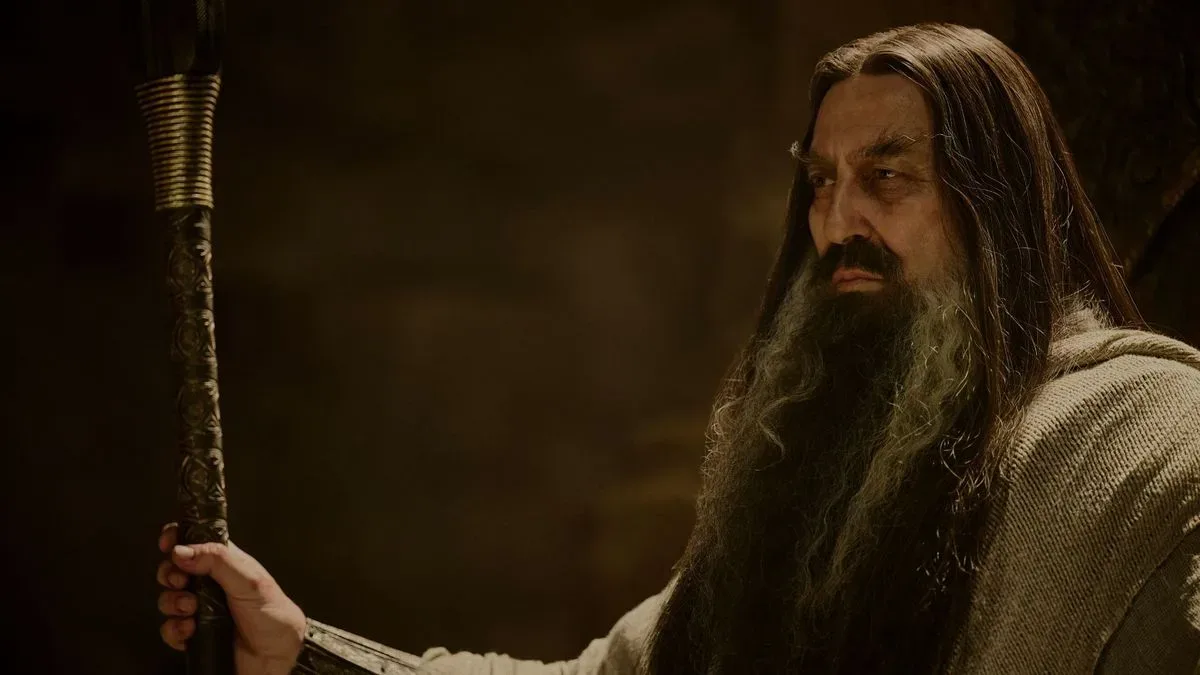
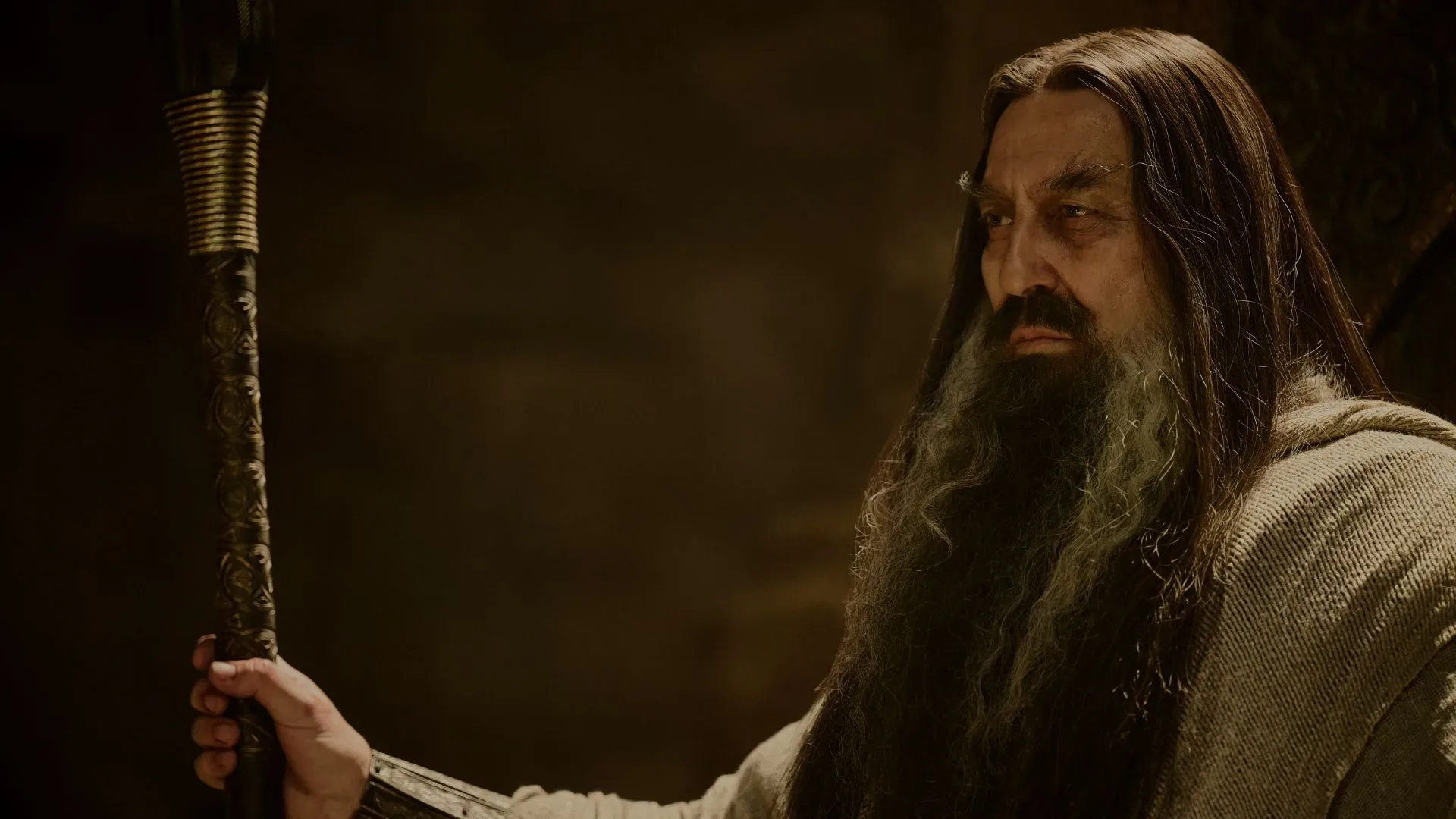
The Rings of Power has put a name to one of its more ominous mysteries: Ciarán Hinds’ Dark Wizard is Pallando, one of the Blue Wizards. The reveal arrives after Gandalf’s brief encounter with the Secret Fire, which grants him knowledge of the wizard’s identity and reframes the conflict in Rhûn around two figures who began with a shared purpose.
Pallando was sent to Middle-earth to help resist Sauron’s growing power. But the series presents him as having instead followed murderous ambitions that devastated Rhûn. That contrast is the key dramatic ingredient in the disclosure. Pallando is not merely another dangerous opponent for Gandalf; he is a possible answer to a more uncomfortable question: what can happen when a being given immense power, a mission and the ability to shape others loses sight of the purpose behind all three?
For the show’s creative leads, the chance to explore that question was not a late addition. Patrick McKay said the Blue Wizards’ journey east was among the earliest pieces of Tolkien material they wanted to investigate for the series. The appeal is understandable. These wizards occupy a small but unusually suggestive space in the written material: they are mentioned in material associated with The Return of the King and receive some additional attention in the posthumously published Unfinished Tales, but their larger role is left substantially unresolved.
A mystery with room for a television story
The Blue Wizards have endured as a compelling corner of Middle-earth precisely because the available information does not supply a fully settled, scene-by-scene narrative. Their eastward direction, their intended opposition to Sauron and their uncertain fate leave major questions open: who were they when they arrived, what did they do far from the better-known regions of Middle-earth, and did they remain faithful to their mission?
The series’ answer to one of those questions is Pallando. In this version of the story, his road ends in corruption and ruin. Naming him therefore does more than solve the audience’s identity puzzle. It gives the events in Rhûn a specific tragic shape: the Dark Wizard is someone who was meant to stand against Sauron’s influence but became a destructive power himself.
That is an especially useful construction for episodic drama. A mystery can attract speculation, but an identified character can carry history, motive and consequence. The revelation allows the show to connect Gandalf’s developing awareness to Pallando’s fall rather than treating the Dark Wizard as a threat with no meaningful relationship to the wider story.
It also makes Rhûn more than a distant backdrop for a supernatural confrontation. The region is described as having been laid waste by Pallando’s ambitions, so the setting bears the consequences of his choices. The harm is not abstract. Whatever further shape the season gives that devastation, the reveal establishes that Pallando’s failed mission and the region’s suffering are linked.
Why Pallando matters to Gandalf
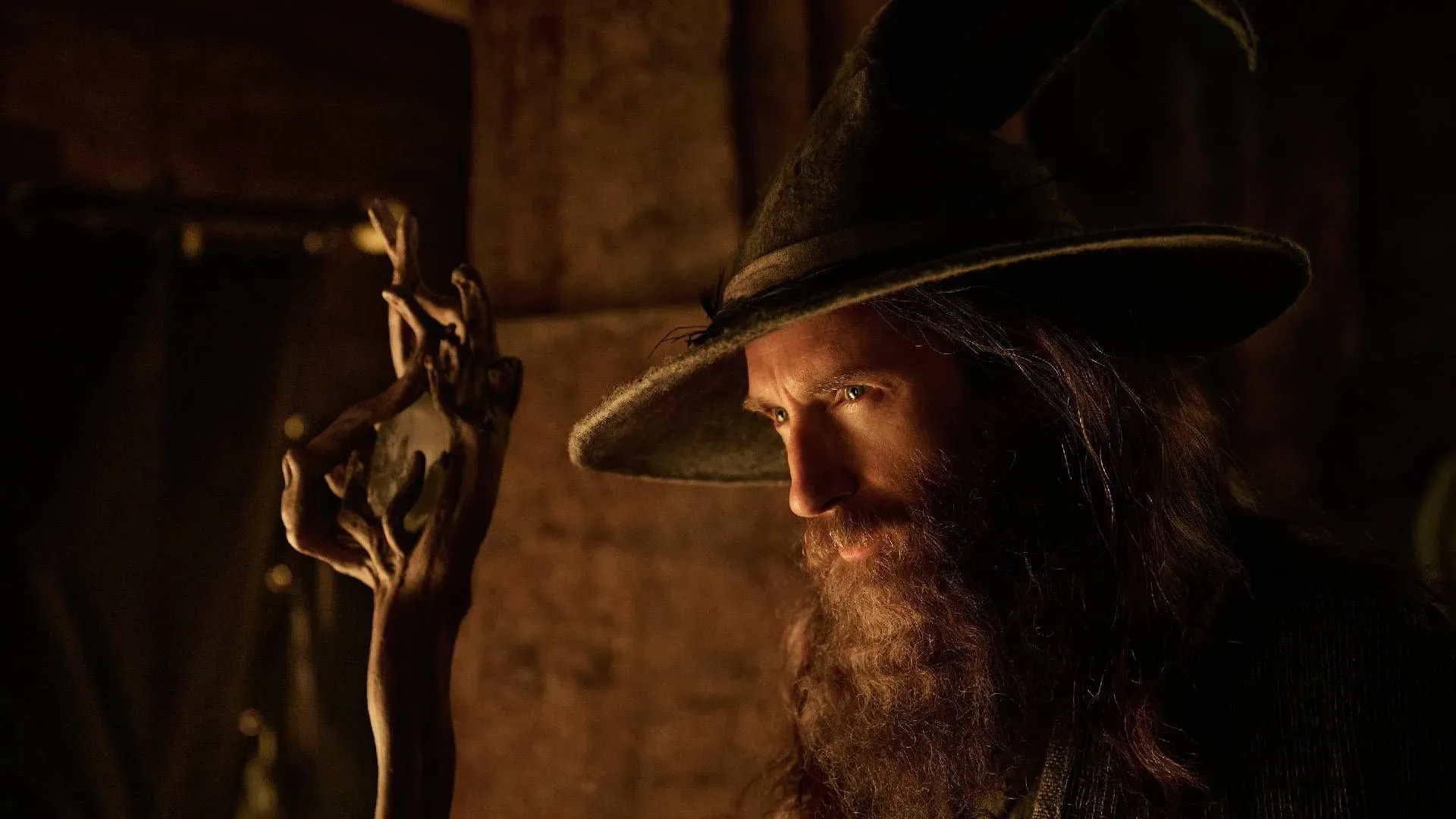
J.D. Payne described the reveal as a meeting point between Gandalf’s character journey and Pallando’s. His explanation divides Gandalf’s development across the show’s seasons in a direct way. Season one concerned Gandalf discovering who he was. Season two addressed his ability to control magic. In season three, the emphasis moves toward a deeper recognition of what he can be: not simply someone who produces spectacular effects, but a character with a prophetic capacity.
The phrase “prophetic register” is important here. It does not only refer to knowing a secret name. In narrative terms, it suggests a shift from immediate action toward perception, interpretation and foresight. Gandalf’s growth is no longer framed just by whether he can use power. It is framed by whether he can understand what power means, recognize the stakes around him and respond to knowledge responsibly.
Payne’s comparison of the younger Gandalf to “a human firework” neatly captures the distinction. Fireworks are visible, exciting and momentary. They demonstrate force but not necessarily wisdom. The season-three trajectory described by Payne asks for something less superficial: a Gandalf who can read danger beneath appearances and who knows that magic alone is not a substitute for judgment.
Pallando offers the dark counterpart to that lesson. Both figures have a connection to the same larger struggle against Sauron’s ascent. Yet where Gandalf is moving toward greater self-knowledge and discernment, Pallando is defined by destructive ambition. Their pairing gives Gandalf a living example of how authority can become detached from duty.
Analysis: the reveal is about responsibility, not just lore
The most productive way to read the Pallando twist is not as a piece of trivia designed to end a guessing game. It is a character device. A name from Tolkien’s less explored wizard mythology gives the show room to make Gandalf’s education personal. He is not learning a general lesson from a legend; he is confronting the consequences of another wizard’s choices.
That framing also gives the Secret Fire encounter a larger function. Gandalf receives information, but the dramatic value lies in what that information now demands of him. Knowing the Dark Wizard is Pallando means recognizing the scale of the threat and the bitter irony behind it: someone sent to help suppress darkness has become a source of devastation.
There is a built-in tension in using a lightly developed part of the legendarium. Viewers who are interested in the Blue Wizards may bring expectations and theories, while the show must create a coherent on-screen arc from material that has long invited interpretation. The upside is that the series can explore a relatively open area of Middle-earth without simply repeating a familiar tale. The Pallando reveal signals that it intends to use that freedom for a cautionary story about mission, temptation and the use of power.
What the series has established so far
- The Dark Wizard played by Ciarán Hinds has been identified as Pallando.
- Pallando is a Blue Wizard who was sent to Middle-earth to help curb Sauron’s rise.
- The series says Pallando’s murderous ambitions brought devastation to Rhûn.
- Gandalf learns the Dark Wizard’s identity after an interaction with the Secret Fire.
- Season three moves Gandalf’s arc beyond identity and magical control toward a more prophetic role.
Those points make the remaining conflict more specific, while leaving the story’s future turns open. Pallando’s stated purpose and present-day actions are in direct opposition, and Gandalf now has a clearer understanding of the figure he faces. The show has also positioned their conflict as thematic rather than purely physical: one wizard’s journey is about growing into responsibility, while the other illustrates power distorted by ambition.
For viewers, that may be the real value of reaching the answer. The Blue Wizards’ obscurity has made them fertile ground for curiosity, but season three uses Pallando to extend Gandalf’s own arc. The result is a revelation that looks backward toward a long-standing Middle-earth mystery and forward toward what Gandalf must become.
It is a reminder that television franchises often do their strongest work when a lore detail serves a character need. That broader approach to expanding familiar fictional worlds is visible across current genre television, including projects such as the newly reported Grey’s Anatomy West Texas spinoff. Here, though, the immediate question is not whether Pallando’s name was guessed correctly. It is what Gandalf does now that he understands who Pallando became—and what that fate warns him against.
The Rings of Power season three is streaming on Prime Video.