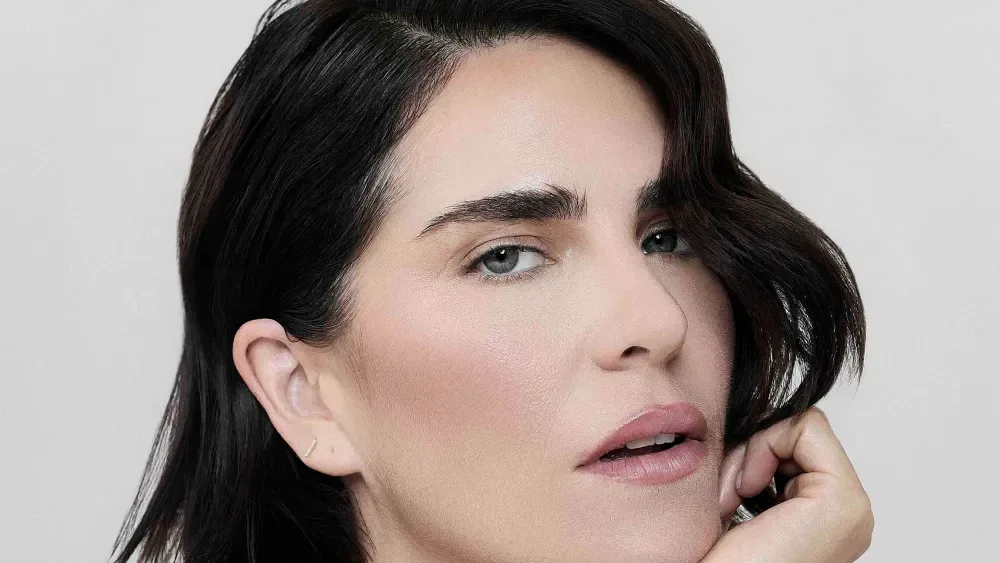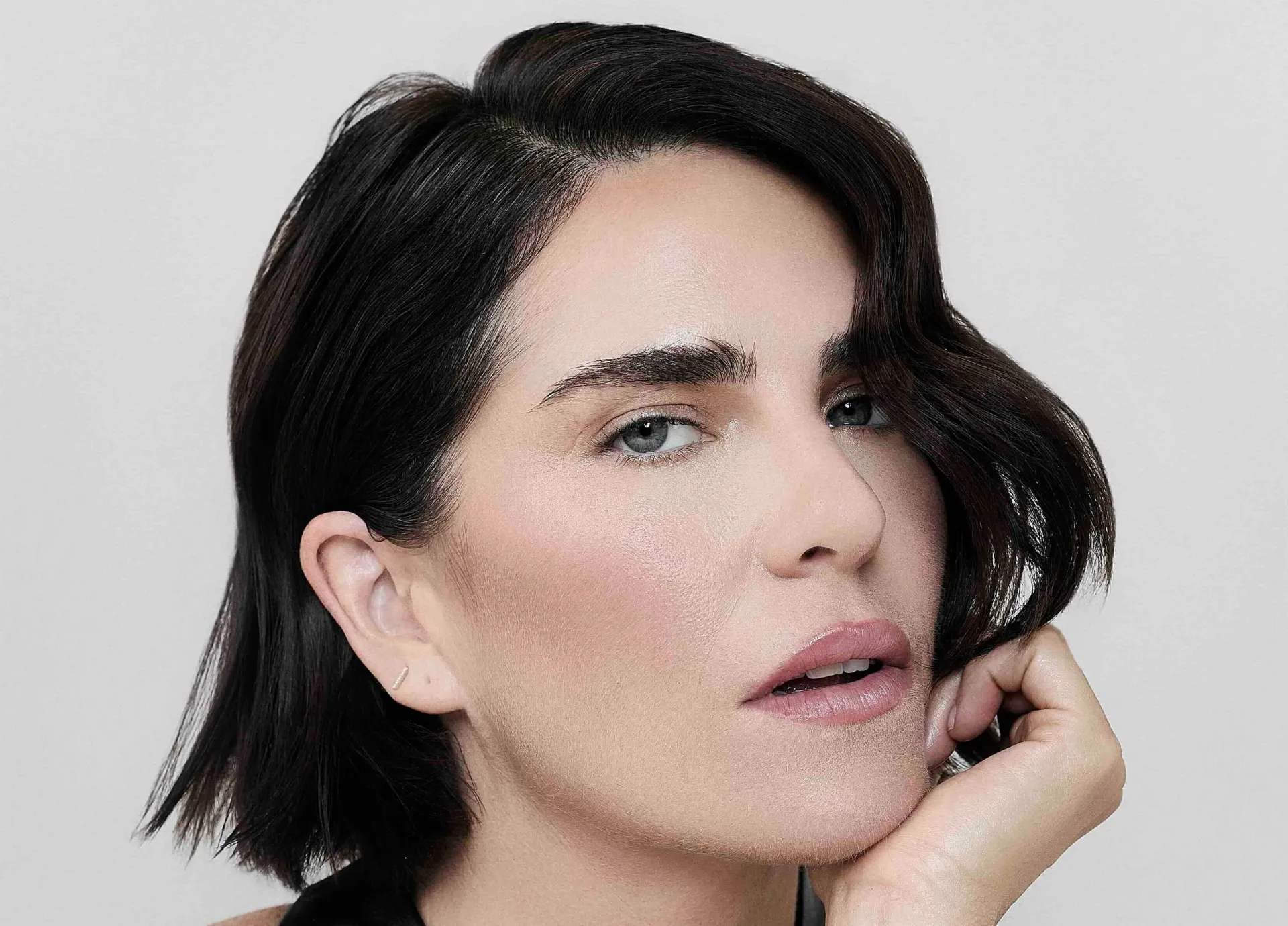
Karla Souza has been cast in a lead role in ABC’s still-untitled Grey’s Anatomy spinoff set in West Texas. Souza will play Dr. Carolina “Lina” Hall, a physician described as haunted and cynical who runs a medical center in a small West Texas town.
The series is being developed as an edgy medical drama centered on a rural care team working at a facility portrayed as the final available treatment option before a vast stretch of isolation. That setting is the major distinction in the early description: rather than another hospital drama defined by a major metropolitan medical center, the show is positioned around distance, limited access and the pressure placed on a small institution serving people far from other care.
It was initially announced in May and had been intended for the 2026-27 broadcast season. It is now planned for the 2027-28 season after the production did not receive a California television tax credit. No title, premiere date or additional casting has been provided.
Who Souza is playing
Souza’s Lina Hall is not simply part of the medical team; she runs the center. That leadership role establishes her as a likely focal point for both the institution’s daily decisions and the show’s personal drama. The character description also signals a protagonist with substantial internal baggage, rather than an uncomplicated authority figure arriving to fix a community’s problems.
Terms such as haunted and cynical carry more weight than a routine character bio. “Haunted” suggests past experiences remain emotionally active for Lina, while “cynical” suggests that the doctor may doubt systems, promises or people around her. Neither label explains what caused that outlook, and the available information does not identify any storyline, patient cases or supporting characters. But together they point to a lead whose medical responsibility and emotional history are likely to be closely connected.
The rural setting can also change the dramatic engine of a medical series. In the show’s stated premise, the medical center is the last chance for care before “miles of nowhere.” That framing emphasizes geography as a source of pressure. The drama is not merely about a difficult case inside a hospital; it is also about what happens when alternatives are far away and the local center has to carry the immediate burden.
A return to ABC and Shondaland
The new role reunites Souza with ABC and Shondaland. She previously played Laurel Castillo on the Emmy-winning ABC drama How to Get Away With Murder. She also appeared in ABC’s Home Economics, which ran for three seasons.
Her other listed credits include Netflix’s Day Shift, the series 56 Days, Amazon’s film La Caida, and the Mexican films ¿Qué culpa tiene el niño?, Nosotros los Nobles and Instructions Not Included. Souza won an International Emmy Award for La Caida.
That body of work makes the casting a meaningful early piece of the show’s identity. A television spinoff can inherit a recognizable brand, but it still needs its own central performance and point of view. By giving Souza the role of the medical center’s leader, the production has attached its first major character to an actor with prior ties to the creative ecosystem behind the new series.
The creative team behind the spinoff
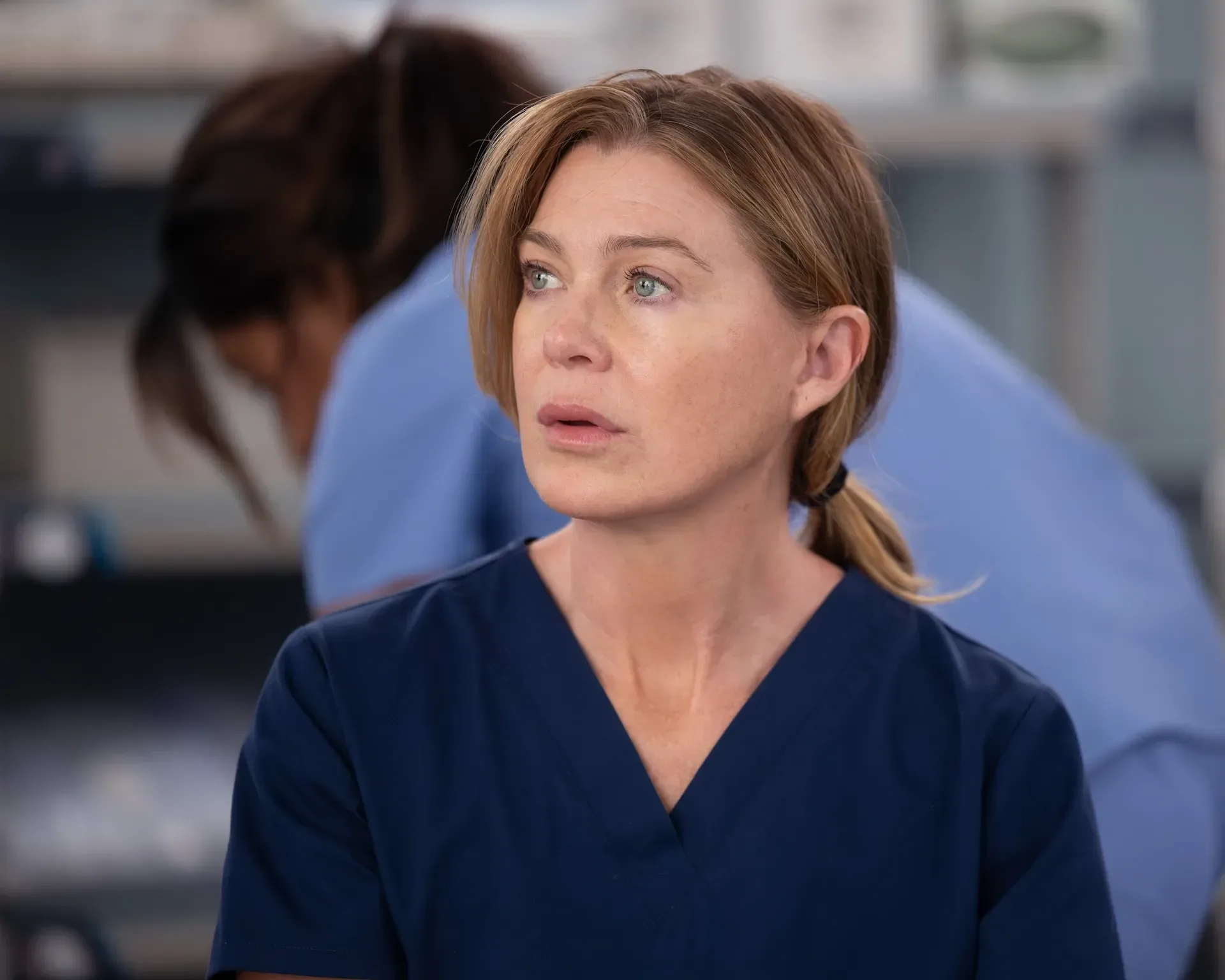
Shonda Rhimes and Meg Marinis are co-creators and executive producers. Ellen Pompeo, who stars in Grey’s Anatomy, is also an executive producer alongside Betsy Beers. The series is produced by 20th Television and Shondaland.
An executive producer is a senior production role that can involve oversight of the series’ creative direction and broader development, though the exact day-to-day duties of each individual are not specified here. The key point is that the West Texas project retains direct connections to the creative leadership associated with the wider Grey’s Anatomy franchise, while Marinis and Rhimes share the co-creator credit for this particular show.
The spinoff will be the third television spinoff of Grey’s Anatomy. ABC previously aired Private Practice, which ran for six seasons, and Station 19, which ran for seven. ABC also released the digital series Grey’s Anatomy: B-Team on ABC.com in 2018.
That history matters because a spinoff is more than a familiar title attached to a new cast. It is a series built from an existing fictional and creative framework, but expected to justify a different location, set of characters and recurring conflicts. Private Practice and Station 19 show that the broader franchise has previously expanded beyond its original ensemble and core hospital setting. The West Texas show is taking a similarly separate path through its rural medical-center premise.
What the delay does—and does not—tell viewers
The shift from the intended 2026-27 season to 2027-28 is tied to the project not receiving a California TV tax credit. A tax credit is a production incentive offered under a government program; in practical terms, it can affect the economics of making a series in a particular place. The available details do not say where the show will ultimately be filmed, how the schedule will change beyond the broadcast-season delay, or whether the creative plan itself has been altered.
It is important not to read more into that change than the information supports. The delay is a scheduling and production-development fact. There is no stated indication that Souza’s role has changed, that the rural Texas setting has been abandoned, or that the series has been given a title. The confirmed creative premise remains a West Texas medical drama led by Lina Hall.
For viewers tracking the franchise, the practical takeaway is a longer wait rather than a clearer picture of the finished show. Souza’s casting establishes a lead, and the official logline establishes the setting and broad conflict. Details that would define its individual voice—such as the rest of the team, the town, the nature of Lina’s past or its specific connection to other franchise characters—have not been announced.
Why the West Texas setting is the story’s clearest new idea
At this stage, the show’s location is its most concrete differentiator. “Rural medical center” is not interchangeable with a large city hospital. The description puts the center at the edge of available care, which frames medical urgency through remoteness as well as illness or injury. It also creates a reason for Lina’s job to have unusually broad stakes: she is leading a facility presented as a critical stop for people with few nearby options.
That is a promising dramatic foundation, but it remains a foundation rather than a full blueprint. There are no confirmed episode concepts, no announced premiere window within the 2027-28 season, and no information about whether the new series will feature crossovers. The responsible read is that the project has defined its lead, setting and producing team, while much of its onscreen world remains to be revealed.
Souza’s arrival therefore gives the untitled show a clear human center. Lina Hall is set up as a doctor in charge of a remote medical lifeline, carrying enough personal darkness to make her leadership more complicated than a standard procedural assignment. For a franchise that has already supported long-running offshoots, that combination of familiar medical-drama DNA and a distinctly isolated setting is the central idea to watch as development continues.
For more television and film coverage, see our report on Anne Hathaway’s American Riviera Award tribute.