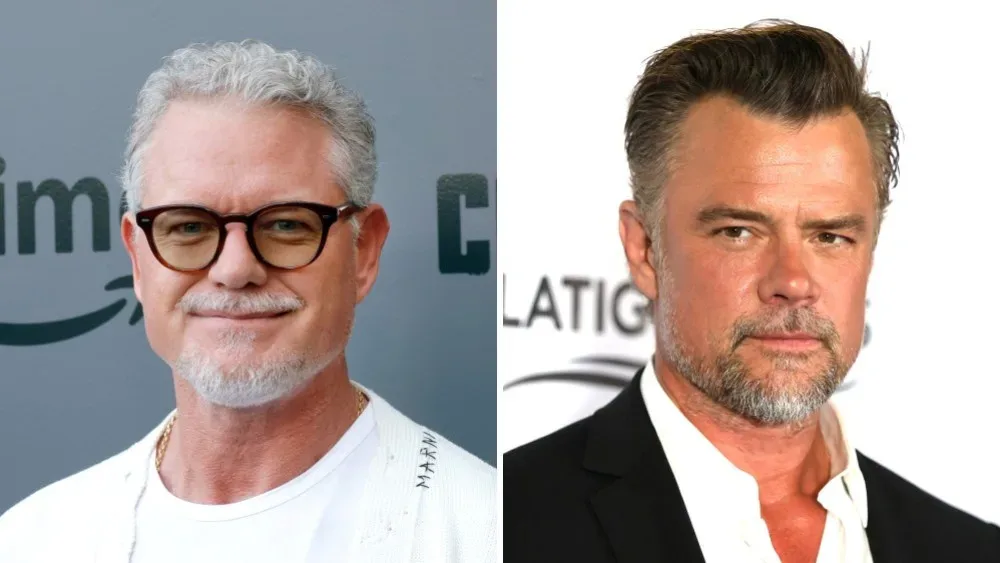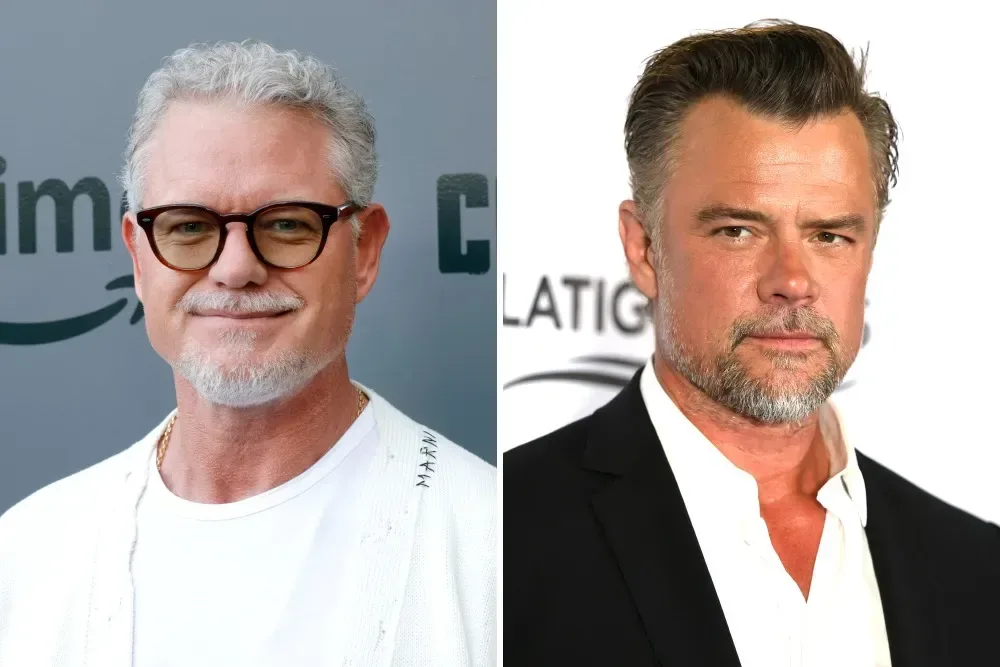
Eric Dane has described a painful on-set confrontation with Josh Duhamel during the filming of Las Vegas, recounting in his memoir, My Book of Days: A Memoir in Moments, how a scripted fight sequence escalated after he says a physical limitation was ignored across multiple takes.
The account concerns Dane’s guest appearance in Season 2 of the NBC drama. Dane appeared in two episodes in 2004, years before his defining television role as Dr. Mark Sloan on Grey’s Anatomy. At the time of the Las Vegas shoot, he writes that he had a herniated disc in his neck—a condition that made even a seemingly straightforward costume grab potentially dangerous and intensely painful.
Dane says he specifically asked Duhamel not to pull him by the tie during the scene. In Dane’s telling, Duhamel agreed before filming began. But when the director called action, Dane writes that Duhamel pulled the tie anyway, sending a rush of pain through his neck and prompting him to halt the take.
A request that Dane says was repeated—and not followed
The central issue in Dane’s recollection is not the existence of a staged fight. Physical confrontation was part of the scene. Rather, it was a request to avoid one particular movement because of a known injury.
After the first take, Dane says Duhamel apologized. A second attempt followed, and Dane writes that the tie was pulled again. He says he then raised the concern with a producer on set, warning that someone needed to intervene. Duhamel, Dane recalls, apologized again and said he had become caught up in the moment.
Then came a third take. Dane writes that Duhamel again grabbed the tie. His response was immediate: he took off his suit jacket, made fists and challenged Duhamel. The camera, he says, continued rolling rather than stopping the scene. Dane believes that anyone seeing the footage without the preceding context would see him as the person who initiated the altercation.
“To the world who sees the whole nasty scene, I’m the aggressor, the hothead, I start the fight,” Dane writes.
That distinction is important to the memoir’s framing. Dane is not presenting himself as blameless simply because he was hurt. He acknowledges that he lost his temper after the repeated moments he describes, and he directly revisits his own behavior later in the book.
Related coverage includes Eric Dane Recalls ‘Las Vegas’ Fight Scene Clash With Josh Duhamel.
Dane’s apology is part of the story
Dane says he and Duhamel have crossed paths since the incident and are “cool.” More notably, he offers Duhamel an explicit apology in the memoir, writing that he should have walked away rather than confronting him.
That does not erase Dane’s description of the sequence of takes, nor does it turn the incident into a tidy two-sided account. The memoir provides Dane’s personal recollection of what happened, while Duhamel’s quoted public comments from earlier this year speak more broadly about his mindset while playing Danny McCoy. They do not specifically address the tie-pulling scene or Dane’s account of it.
Still, the apology gives the episode a more complicated shape than a simple celebrity-feud headline. Dane is describing a boundary around an injury, a mounting feeling that the boundary was not being respected, and then an angry reaction he now regrets. His final assessment separates the two things: he maintains that the moments led to serious pain, but accepts responsibility for his own escalation.
What a herniated disc meant for the scene
A herniated disc is an injury involving one of the cushioning discs between the bones of the spine. Dane identifies his injury as being in his neck. In practical terms, that explains why a tie grab could be more consequential than it might appear on camera: pulling a tie can transmit force through the collar and neck rather than merely wrinkling a shirt or shifting a costume.
The scene Dane describes also illustrates the difference between a performance instruction and a real-world physical restriction. A television fight is meant to look spontaneous and forceful, but it is still made up of agreed movements, marks and timing. Once an actor flags a specific action as unsafe for them, the movement needs to be changed if the scene is to remain a performance rather than becoming an uncontrolled physical encounter.
None of that determines every detail of what happened in 2004; Dane’s memoir is the account available here. But it clarifies why his request was not a question of whether the scene should feel convincing. It was about avoiding a particular point of contact while working through an injury.
There is a broader production lesson in that distinction. A convincing screen confrontation depends less on performers actually colliding than on clear choreography and communication. The audience sees a few seconds of drama. The crew and cast have to carry the responsibility of repeating that illusion safely, potentially many times, under lights and cameras. A real injury can make a small deviation from the plan carry disproportionate consequences.
Film and television work often turns highly managed practical effort into something viewers read as effortless spectacle. A recent look at the construction and burial of a massive spacecraft set for a rain-soaked sequence in this production story offers a different example of how much planning can sit behind a few moments on screen. Dane’s anecdote is much more personal, but it points toward the same gap between the polished image and the complicated work required to make it.
Duhamel has spoken about an intense approach to the role
Duhamel played Las Vegas protagonist Danny McCoy, a former U.S. Marine who becomes an apprentice to casino magnate Ed Deline, played by James Caan. The series ran for five seasons from 2003 to 2008. In Season 2, Danny returned from deployment in Iraq and was written as dealing with PTSD.
Earlier this year, Duhamel discussed periods in his career when he went to what he called extreme places in his head to access a character. He identified the Season 2 material on Las Vegas as one of those times. Duhamel said he stayed in a dark, isolated headspace, did not talk much to other people on set and recognized that colleagues found his behavior unsettling.
That interview supplies context for the atmosphere Duhamel says he created around himself while playing Danny; it should not be treated as an explanation that resolves, confirms or excuses the specific incident Dane recounts. A performer’s effort to inhabit an emotionally difficult character is separate from the practical obligation to honor a co-star’s physical limitation. The two subjects intersect only because both actors’ comments describe a demanding period on the same show.
It also helps explain why the material has resurfaced as more than a decades-old argument. Las Vegas was an early point in Dane’s screen career, while Duhamel was carrying the series as its lead. Dane’s account revisits a moment when the power dynamics of a guest role, a set running at production speed and an active injury may all have made it more difficult to reset a scene cleanly.
Where the episode sits in Dane’s career
Before Las Vegas, Dane had already built a steady résumé through television appearances, including guest work on Roseanne and Married… with Children, as well as recurring roles on Charmed and Gideon’s Crossing. His two-episode Las Vegas appearance arrived in 2004.
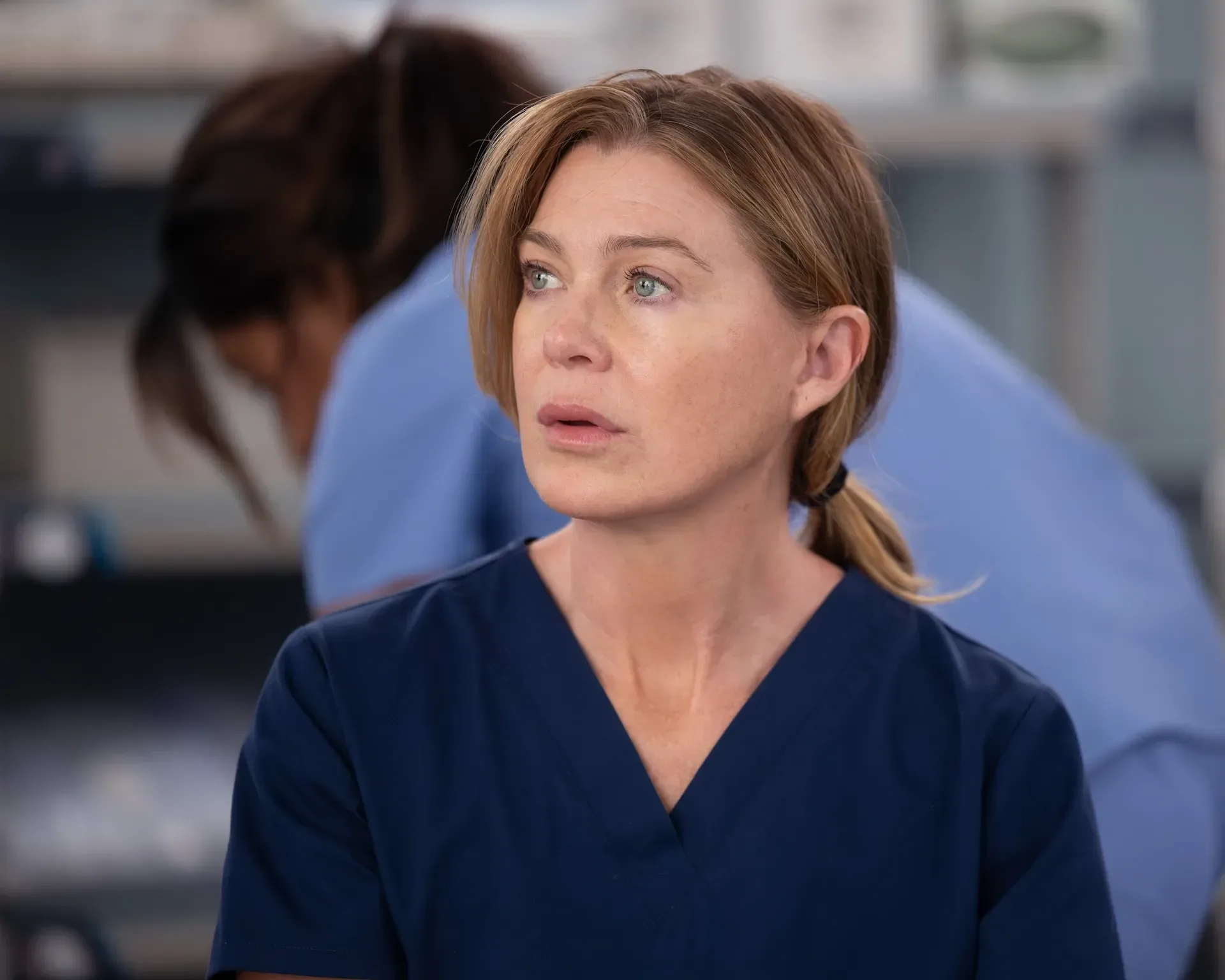
Two years later, he joined Grey’s Anatomy in its second season as Dr. Mark Sloan, the role that became his television breakthrough. The chronology matters because it places the confrontation in a period when Dane was a working actor with substantial credits, but before the role most associated with him made him a familiar face to a far larger television audience.
My Book of Days: A Memoir in Moments is now available. Its Las Vegas chapter does not offer a triumphal version of a behind-the-scenes clash. Instead, Dane’s version is a story about pain, frustration and a reaction he now wishes he had handled differently—followed by an apology to Duhamel and an indication that the two men have since made peace.