The Rings of Power is not treating its upcoming five-year leap as a one-off storytelling stunt. Co-showrunner Patrick McKay has indicated that more significant jumps through time are likely in future seasons, part of the series’ broader plan to compress the long historical span covered by its literary inspiration while still letting characters, kingdoms and conflicts visibly change.
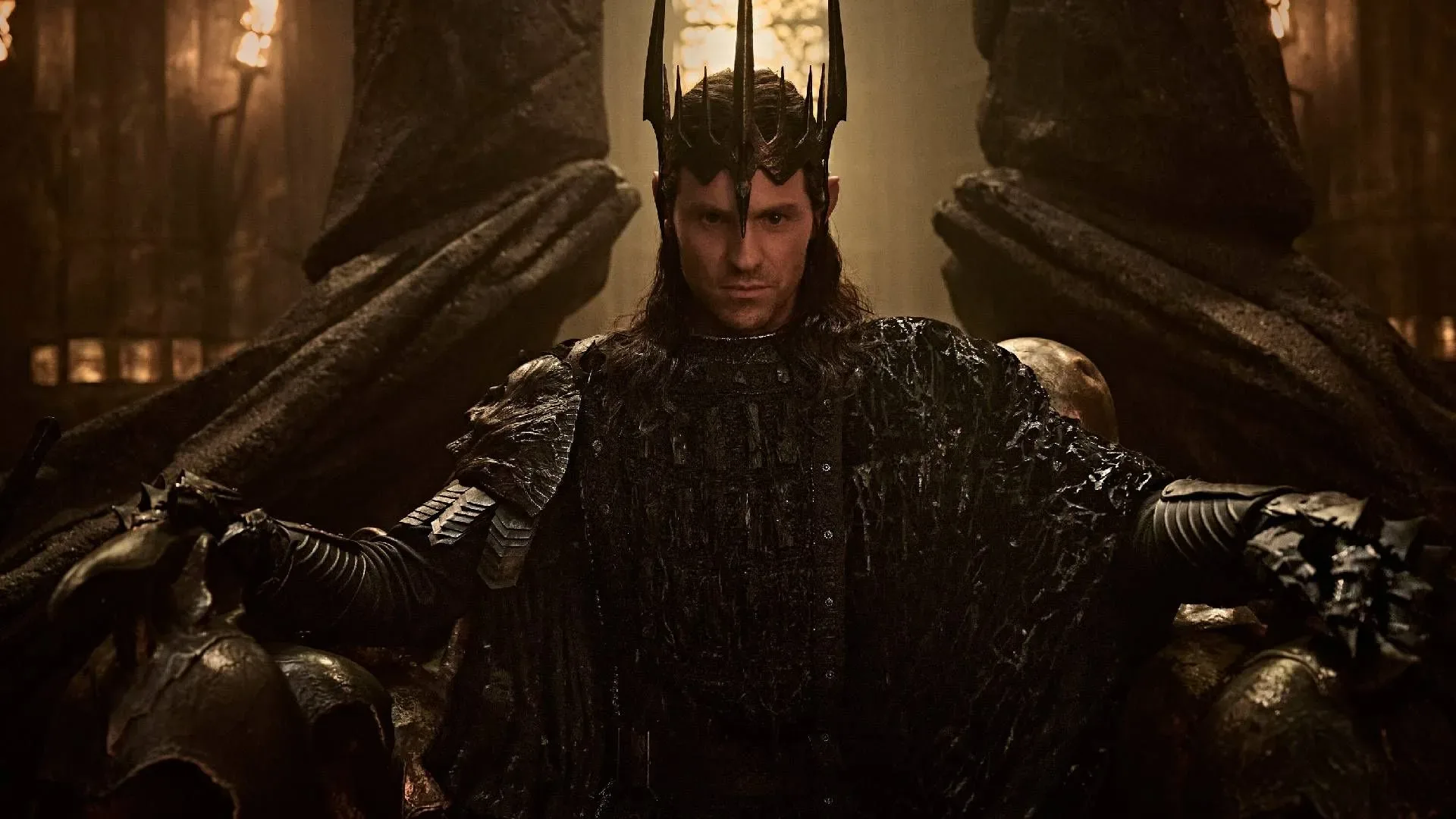
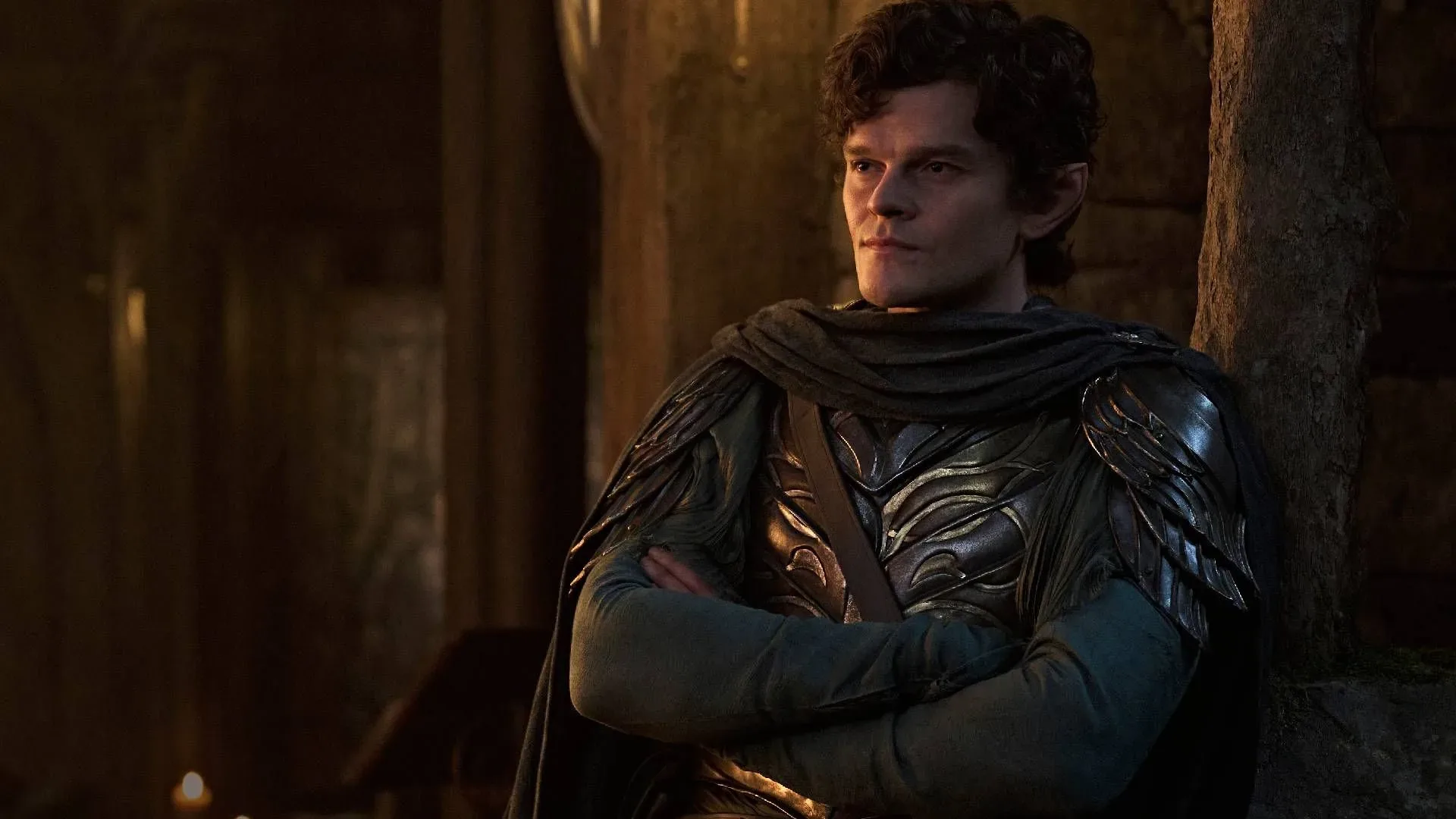
Season 3 begins five years after the preceding chapter, with Sauron and the Elves already at war. It arrives on Prime Video on November 11 with four episodes released together. Rather than spend its opening gradually assembling the next stage of the conflict, the season intends to put viewers into a Middle-earth that has moved on without them: Barad-dûr and Rivendell have been built, relationships have changed, and the state of the Orcs has shifted.
That approach may initially sound like an unusual fit for a serial drama that has spent considerable time establishing its major players. But it explains a key creative tension at the centre of the show. Its story deals with a vast stretch of time, while television needs recurring characters and a plot that maintains momentum from episode to episode. A time jump is the mechanism being used to bridge those competing demands.
Why the five-year jump matters for season 3
McKay describes the creative ambition as both compressing the time represented in the books and making meaningful leaps forward. Those are related ideas, but they are not identical.
Compression means presenting events that span a much longer period within a more compact screen narrative. A significant time jump, meanwhile, skips the intervening years outright. The first can streamline a chronology; the second can reshape how an audience encounters the world. Season 3 is using the latter to begin from a point where the situation has already escalated.
The result is designed to be a faster, more demanding opening. McKay said the production wanted to begin at a “running clip,” creating a circumstance in which viewers must catch up rather than rely solely on what they remember from season 2. The changed conditions are not merely scenery or a timeline marker. They are intended to create immediate questions: how did new locations come to be, what happened to alter alliances, and how have the opposing sides evolved over the missing years?
That is a familiar dramatic use of an in medias res opening, a term for beginning after important developments have already occurred rather than depicting every step beforehand. Season 3 will still be a continuation, but its opening is set up to behave less like a direct, next-day resumption and more like arriving midway through an advancing campaign.
There is a practical storytelling benefit to this structure. The show can make viewers feel the effects of an extended war or political transition without dedicating its entire runtime to the routine passage of every intervening year. Buildings stand where they did not before. Partnerships have settled into new forms. Threats have had time to grow. In theory, each of those changes gives the new season material to reveal and explain through the action instead of simply pausing to announce that time has passed.
A deliberate way to show Middle-earth changing
The promise of additional jumps is especially notable because McKay connects them not only to plot efficiency but to transformations in the setting itself. He points to characters aging and kingdoms rising or falling as the sorts of developments that can be conveyed through these leaps.
That makes the time skip a potential structural tool rather than a shortcut reserved for a single battle. A jump can establish that decisions had consequences beyond the end credits of the previous season. It can also allow the series to return to a familiar character or location with a new status quo already in place.
For a fantasy world, changes in geography and architecture can do a lot of narrative work. McKay’s examples of Barad-dûr and Rivendell being built suggest that the five-year interval will be visible in the landscape as well as in dialogue. Audiences will not simply be told that time has elapsed; the show is aiming to present a world that looks materially different.
There is an understandable challenge here, too. A major time jump asks viewers to accept gaps in their knowledge on purpose. It can generate intrigue, but it can also risk making a character shift feel abrupt if the show does not offer enough context after the fact. Season 3’s strategy appears to embrace that uncertainty as part of the hook: the audience is meant to chase the narrative for a while.
Whether that feels propulsive or disorienting will depend on how clearly the season connects its new circumstances to the foundations established earlier. The stated goal is not to make previous episodes irrelevant. Instead, it is to make the past insufficient on its own. The important question becomes what happened in the interval, and what those unseen years now mean for the larger conflict.
Gandalf’s unseen years with Tom Bombadil
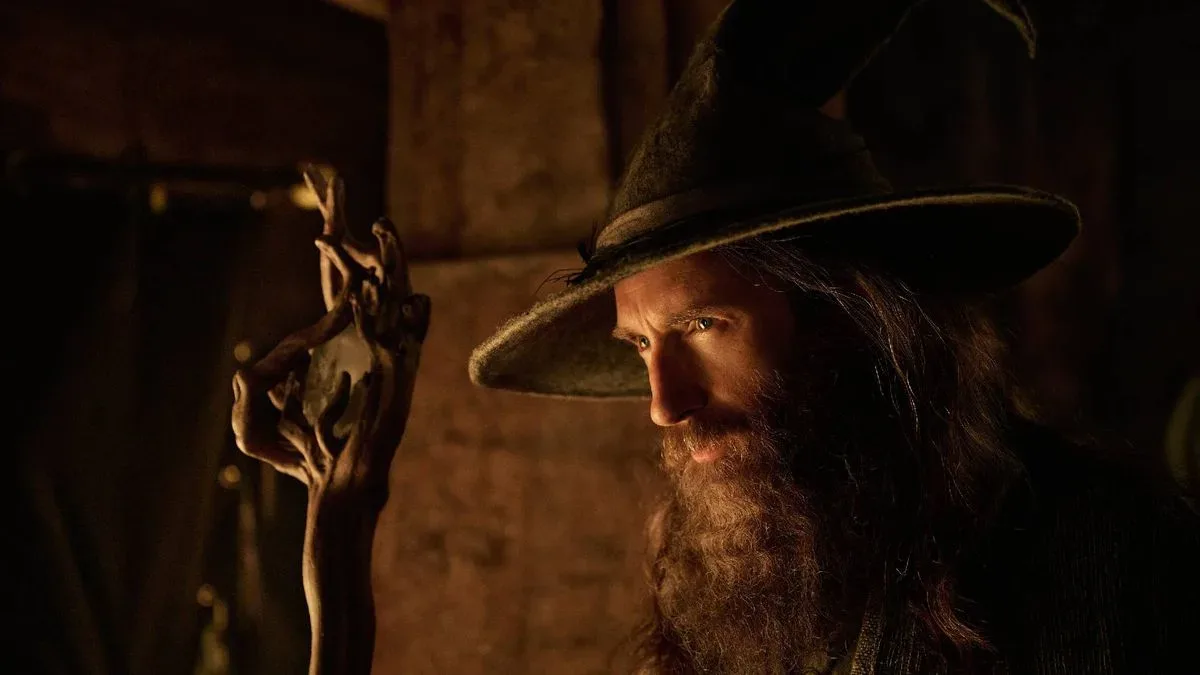
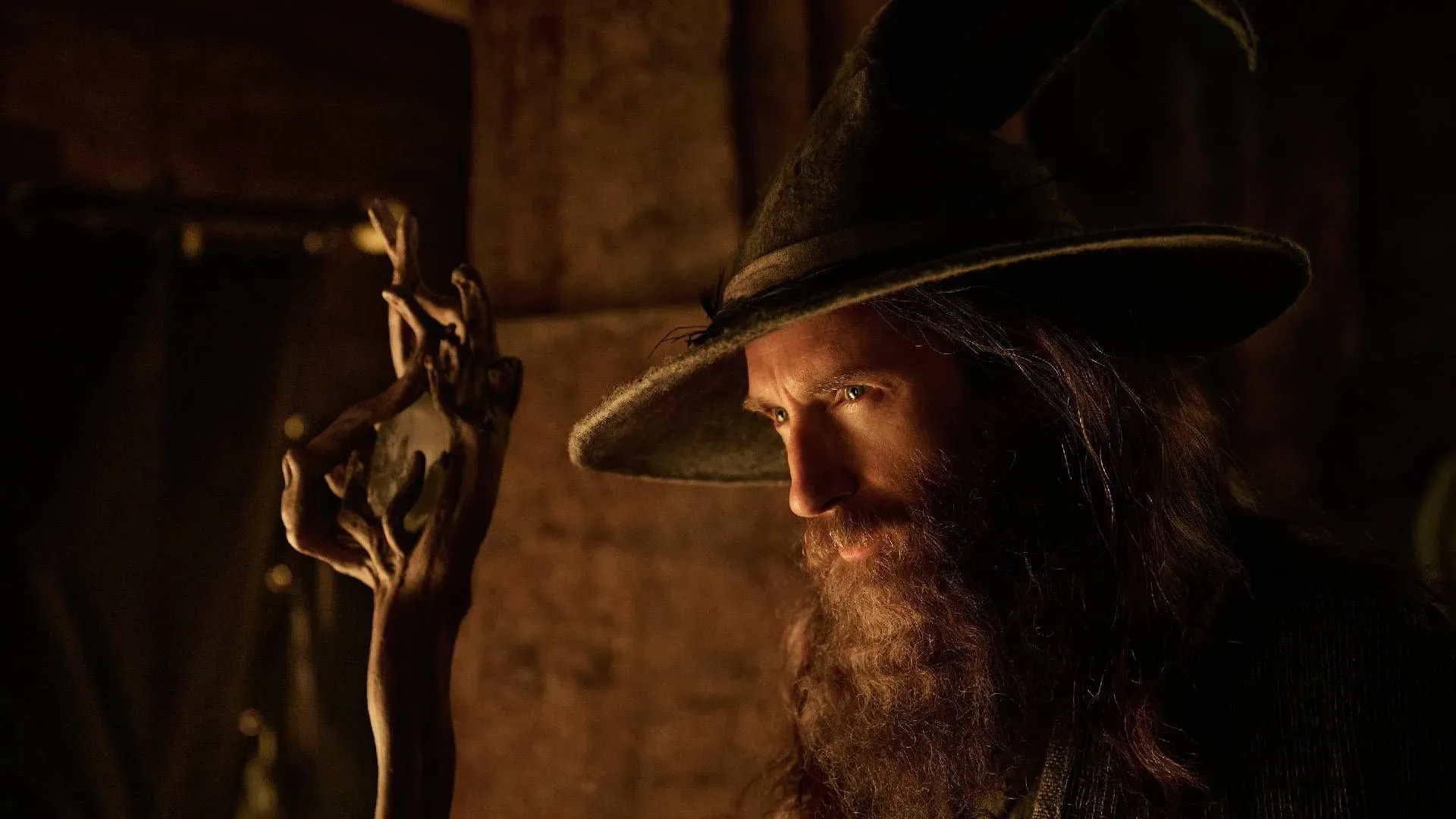
The five-year gap also gives performers room to reconsider their characters away from the camera. Daniel Weyman, who plays Gandalf, has described imagining the effect of the wizard’s time with Tom Bombadil during those years.
Weyman’s interpretation is not centred on a newly disclosed event or a specific off-screen plot point. Instead, he frames the interval as an emotional and philosophical adjustment. He imagines Gandalf learning to slow down, becoming less panicked and less compelled to rush toward an answer. As an eternal being, the character can recognize a small but meaningful space between disaster striking and the need to decide what to do next.
That idea gives the time jump a more intimate function. Large-scale temporal shifts are often discussed in terms of battles, rulers and major construction. Weyman’s comments show how the same device can be applied internally: five years may change a person’s temperament, confidence or way of interpreting danger.
For Gandalf, that measured outlook is positioned as valuable in the struggle against the growing evil in Middle-earth. It suggests a character whose development is not necessarily about acquiring a new ability, but about learning restraint and reaffirming his beliefs. In a show beginning amid conflict, a hero becoming more deliberate could be as important as a warrior becoming more formidable.
What future jumps could mean for the show’s shape
McKay’s wording leaves room for flexibility. He says there will “probably” be jumps in the future, rather than setting out a fixed pattern or identifying the size and placement of those leaps. That uncertainty matters. Nothing in the comments establishes that every season will begin after a comparable interval, or that each jump will be five years long.
What is clear is the creative principle: the series wants room for time to have consequences. Future seasons could use a leap to show a political order solidifying, a relationship deteriorating, a settlement taking shape, or a military threat becoming more entrenched. The exact events have not been confirmed, but the production’s stated interest is in allowing people and places to arrive at noticeably different stages.
The structure also has implications for viewers keeping track of the show. Rather than treating its chronology as background trivia, audiences may need to watch for markers that explain how much has changed: completed construction, altered affiliations, new military conditions and revised character behaviour. The most useful question after a jump is not just “how many years passed?” It is “what did those years change?”
That sense of scale is difficult to communicate in any fantasy setting. Even video games must often turn a massive implied journey into something a player can reasonably experience, a tension illustrated by the unusual development history behind Skyrim’s Seven Thousand Steps. The Rings of Power is solving a different storytelling problem, but the underlying issue is recognizable: a fictional world can imply a larger passage of distance or time than a single audience experience can portray literally.
Five seasons were the original ambition, but later plans remain unconfirmed
The show was originally pitched as a five-season project. That is useful context for McKay’s emphasis on larger jumps, since an adaptation planned across multiple seasons needs to decide how much story belongs in each chapter and when the world should substantially move forward.
However, viewers should separate that original five-season plan from confirmed future production. Reports and rumours about work beginning on a fourth season circulated last year, but Amazon Studios has not confirmed them. The existence of an early five-season ambition does not itself confirm a fourth season, a fifth season or the precise form those seasons might take.
For now, season 3 provides the clearest example of the show’s intended rhythm. It begins five years later, in the middle of a confrontation between Sauron and the Elves, and asks the audience to orient itself amid the consequences of time already passed. If later seasons follow the same general philosophy, Middle-earth may continue to feel less like a place frozen between episodes and more like one that keeps changing beyond the edge of the screen.