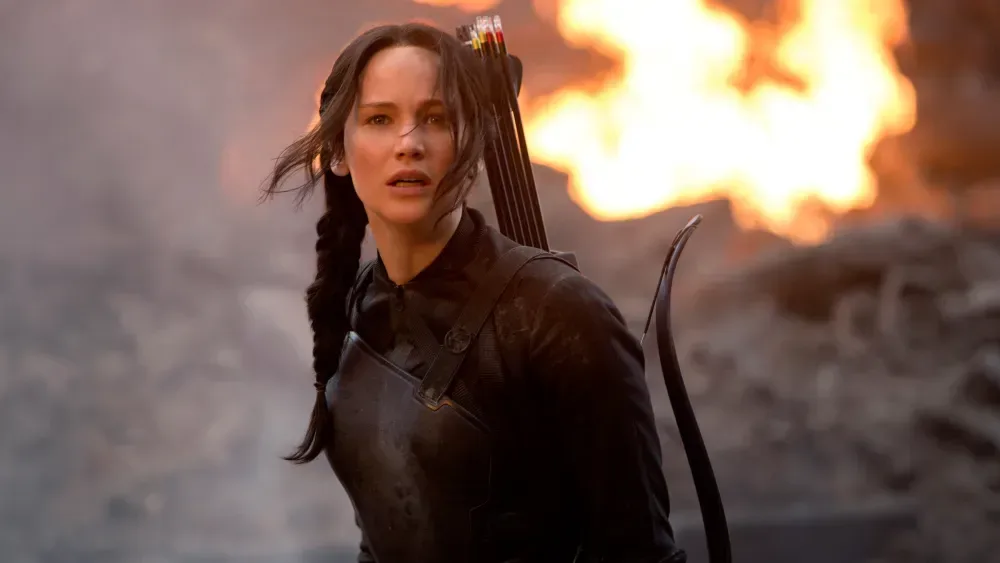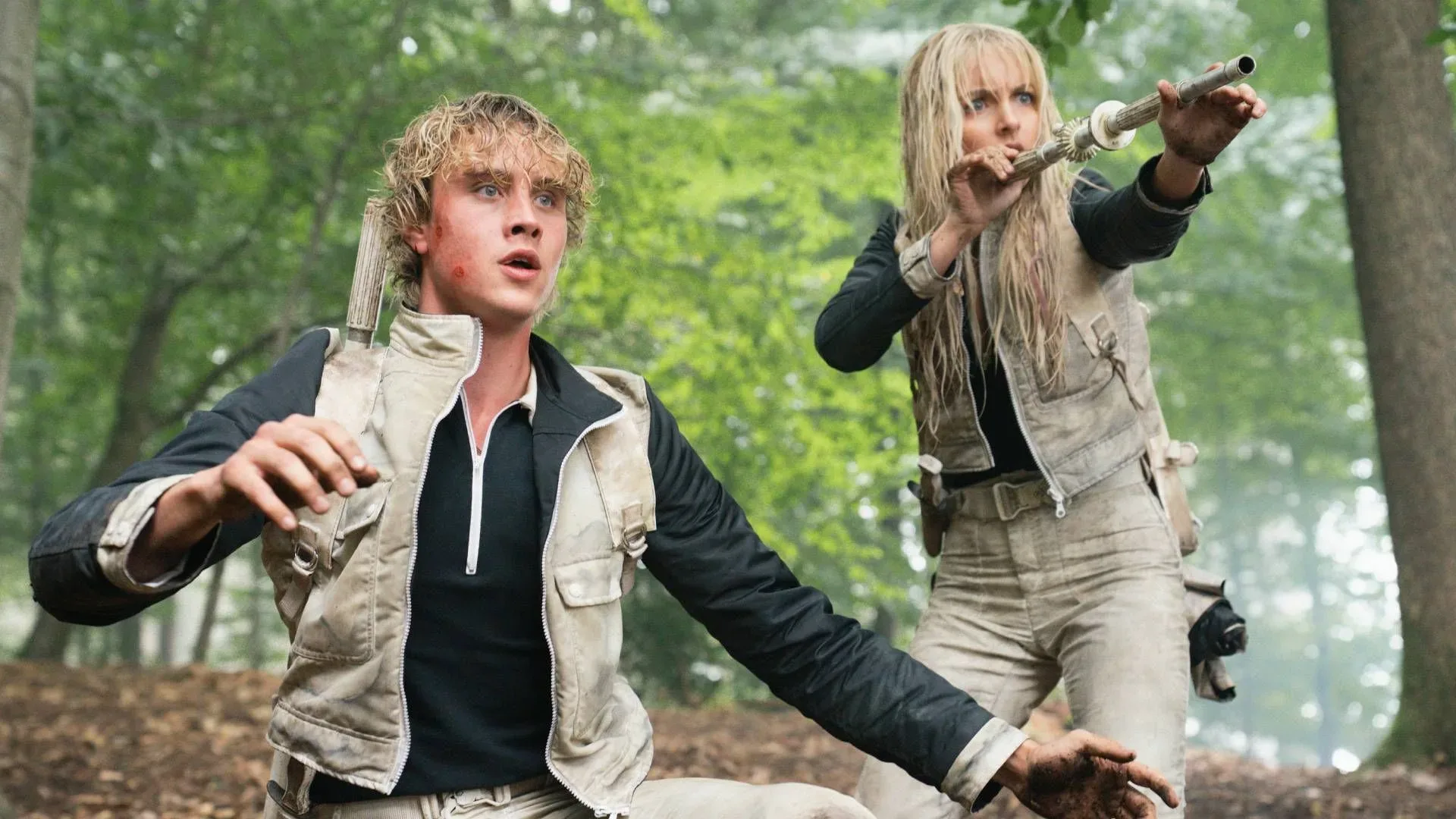
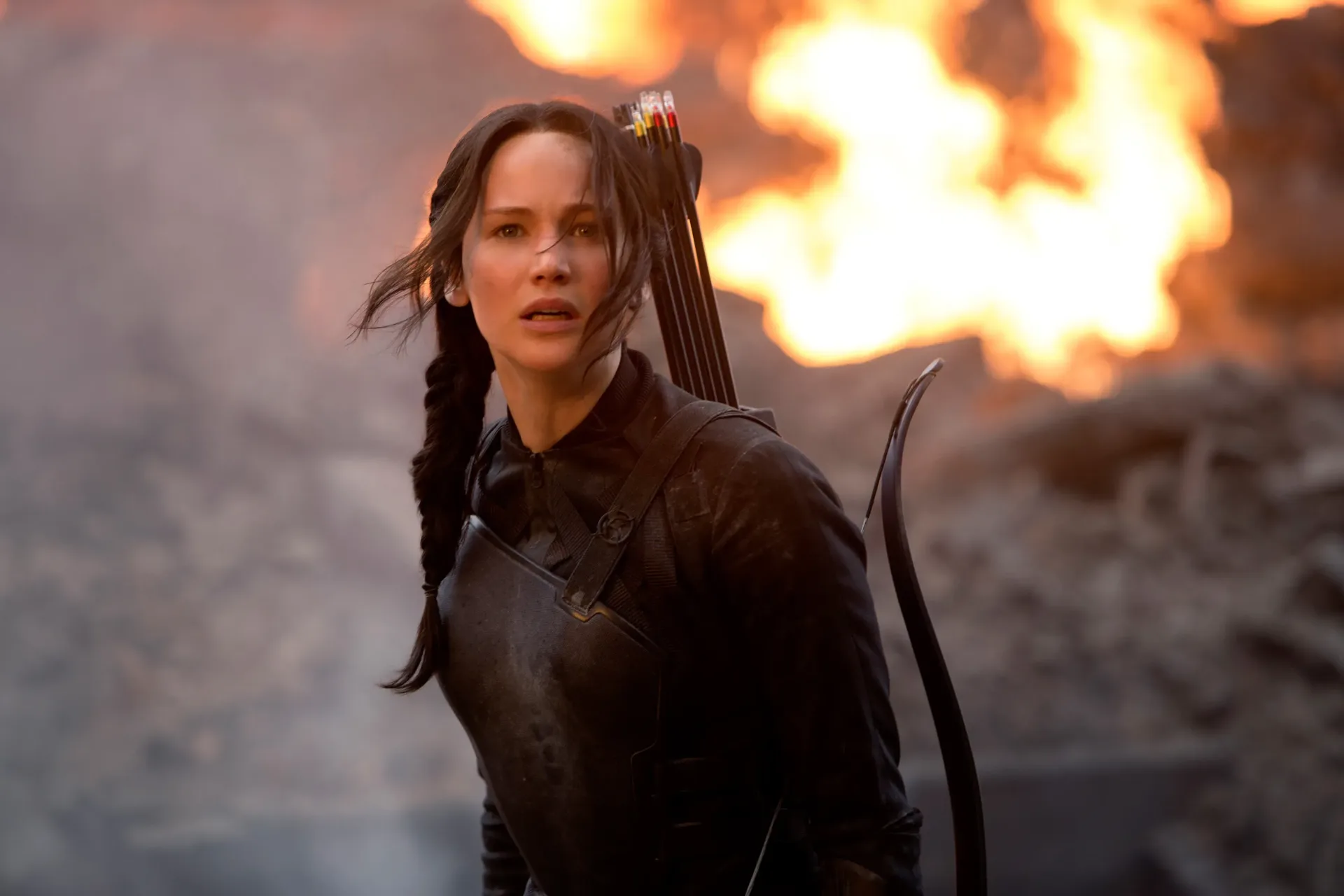
The Hunger Games: Sunrise on the Reaping has delivered the sort of opening weekend that normally sends a franchise machine straight into sequel-planning overdrive. The sixth film in the series launched with $120 million at the box office, a result nearly three times the $44 million debut of 2023’s The Ballad of Songbirds and Snakes.
That success does not, however, mean a seventh movie is waiting just beyond the next promotional cycle. The central reason is unusually simple: the future of Panem appears to remain tied to Suzanne Collins deciding that she has another story worth writing.
That distinction matters. A franchise can have recognizable characters, a proven audience and a strong commercial case for continuing, yet still lack the creative foundation for a new installment. In this case, the people closest to the films have consistently indicated that a new screen project is not something they can summon through demand alone.
A $120 million opening is a major resurgence, not a sequel confirmation
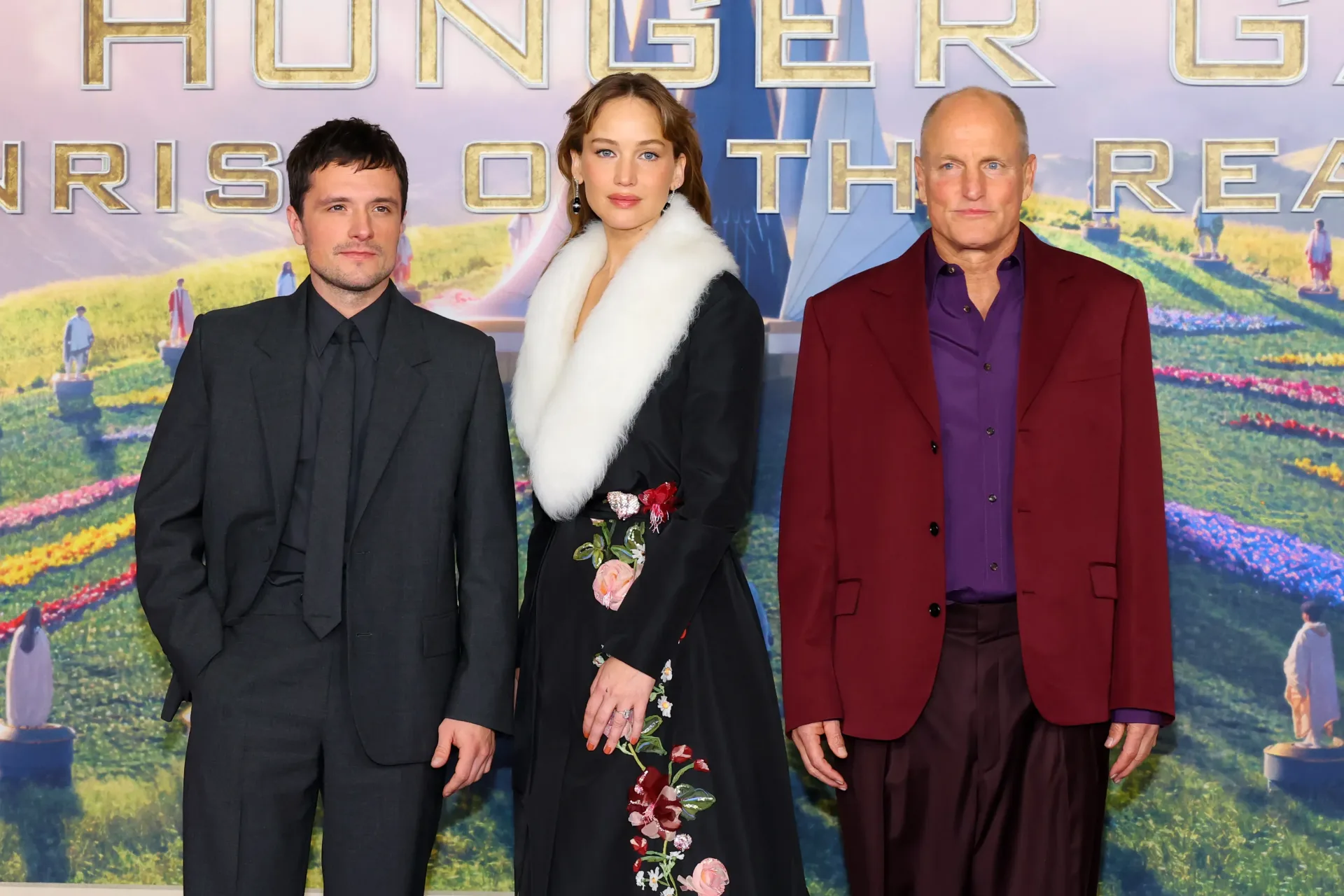
Sunrise on the Reaping arrived with considerable momentum. Jennifer Lawrence and Josh Hutcherson returned, while fellow veterans Woody Harrelson, Elizabeth Banks and Jena Malone also reunited around the New York premiere. That visibility energized online conversation around a property whose original four-film storyline concluded with 2015’s Mockingjay — Part 2.
Social-media measurement firm RelishMix put the new film’s pre-release social reach at 652 million, substantially above the 393 million attributed to The Ballad of Songbirds and Snakes. It is a useful indicator of awareness and conversation, though it should not be mistaken for ticket sales or a guarantee that every future chapter would perform the same way. Social reach measures how widely material and discussion travel online; it does not tell us how many people buy a ticket, how long a film will hold in theaters, or whether interest carries to a different lead character and time period.
Still, the opening establishes that this particular return to Panem connected powerfully. The response has extended beyond the first weekend. Sunrise on the Reaping has a 94% audience score on Rotten Tomatoes and a 4.1 out of 5 rating on Letterboxd, both listed above the franchise’s corresponding marks for Catching Fire, which stands at 89% and 4.0 out of 5.
Those figures are snapshots of user response, not a single universal verdict. Rotten Tomatoes’ audience score is a percentage derived from audience ratings, while Letterboxd’s score is an average rating from users on that platform. The two figures measure slightly different communities and systems. Together, though, they support the broader point: this release has been received warmly by audiences who chose to rate it.
The franchise’s pattern is built around Collins’ books
The strongest signal about what happens next is the franchise’s past behavior. Collins’ original trilogy became the basis for the first four films. When that screen saga ended, there was no immediate effort to keep producing movies without a new novel from her. The series stayed quiet until Collins published The Ballad of Songbirds and Snakes in 2020.
Related coverage includes Why a Seventh Hunger Games Movie May Have to Wait.
That book looked backward 64 years before Katniss Everdeen’s time in the arena and followed an 18-year-old Coriolanus Snow, long before he became Panem’s president. Its film adaptation arrived in 2023. The next step followed the same author-first rhythm: the adaptation of Sunrise on the Reaping was announced on June 6, 2024, the same day Scholastic unveiled Collins’ novel.
Collins has also been actively involved in the adaptations from the beginning. The film rights to her planned trilogy were acquired for $200,000 in 2009. She co-wrote the screenplay for the first movie and has continued to work closely with director Francis Lawrence on story development and reviews of final cuts. This is not a situation in which an author sold rights and stepped away while a studio freely expanded the setting on its own.
Adam Fogelson, Lionsgate’s chairman, has described Collins as the franchise’s “creative architect” and emphasized that the studio sees her as a genuine partner across the films and their campaigns. His message on a possible seventh entry was equally clear: Collins does not create casually, and any further movie depends on her being inspired to write an important story.
“We’ll see” is not a new-book announcement
At the premiere, Collins offered fans a brief “We’ll see” when asked whether another novel could be coming. It is understandable that a fandom eager for more Panem stories would seize on even a small opening. But the statement is not a confirmation of a manuscript, a publication plan, a film deal or a release date.
Francis Lawrence likewise said he has not been given hints about whether Collins is writing another book. His comments frame the gaps between installments as intentional rather than evidence of a hidden schedule. The studio may understandably prefer a steadier pipeline of projects, but the creative process described here does not operate as a predictable production calendar.
For fans, the practical takeaway is modest but important: there is no verified seventh Hunger Games film to track at this point. The commercial performance of Sunrise on the Reaping makes another chapter easier to imagine, yet it does not turn speculation into an announcement. Until Collins announces a new work, or the relevant partners formally reveal a new adaptation, character theories and rumored timelines should be treated as fan discussion rather than news.
Why Haymitch’s story landed differently than Snow’s
The latest numbers also show why it would be a mistake to assume that “more Hunger Games” is the only ingredient necessary for a hit. The appeal of one Panem story can differ sharply from another.
Sunrise on the Reaping, centered on Haymitch Abernathy’s origin, has outperformed The Ballad of Songbirds and Snakes in both publishing and film measures cited so far. The novel sold more than 1.2 million copies in the United States in its first week—twice the first-week total of Songbirds and Snakes and three times that of Mockingjay. Worldwide English-language sales surpassed 4.4 million copies by January 2026.
That suggests Haymitch’s history struck a more immediate chord with readers than Snow’s earlier life did. It does not establish a scientific formula for what audiences want next, but it does underline a meaningful constraint: the setting itself is not a guarantee of identical enthusiasm. The lead character, the emotional hook, the novel’s premise and the relationship to the original saga all shape the response.
Jennifer Lawrence and Josh Hutcherson’s involvement may also have strengthened the sense of continuity for audiences attached to the Katniss-era films. Their presence is a major cultural event for the franchise, but it is not proof that they would—or could—be part of every potential future story. No further casting assumptions are warranted from the current success.
Source material is more than a corporate precaution
In entertainment shorthand, “IP” means intellectual property: the underlying creative material, world, characters and concepts that can support books, movies, games and merchandise. Franchise owners often want to keep valuable IP active because recognition lowers the challenge of introducing a new project. But recognition cannot replace a compelling story, and a sequel made chiefly to maintain output can face a much harder audience response.
The concern is not theoretical. The later television run of Game of Thrones became a prominent example of what can happen when an adaptation moves beyond completed source material. The final season was intensely divisive, prompting more than a million people to sign a petition calling for a remake. George R.R. Martin later said in 2022 that he had been largely out of the loop during the show’s final seasons.
That comparison does not mean any original Hunger Games screenplay would inevitably fail. They are separate properties with different creative teams and circumstances. The useful lesson is narrower: a profitable fictional universe is not automatically improved by outrunning the author whose perspective gave it its identity.
That issue of who shapes a legacy is also increasingly relevant across popular culture, including debates around posthumous AI projects and consent. Questions surrounding a proposed AI revival of Sam Kinison illustrate how creative ownership, permission and stewardship can become central to a project long after an original work enters the public conversation.
What a wait means for the audience
Waiting is not necessarily a sign that the franchise is finished. The years between Mockingjay — Part 2 and The Ballad of Songbirds and Snakes show that Panem can return after a lengthy pause when Collins has a new perspective to explore. The rapid adaptation path for Sunrise on the Reaping also demonstrates that the filmmaking infrastructure is ready when a book exists.
But waiting does mean accepting uncertainty. There is no confirmed next protagonist, era, novel, director, cast, production date or release date. A seventh film could eventually take many forms, but none should be presented as settled simply because the sixth installment has been a major hit.
For now, Sunrise on the Reaping is playing in theaters, and its opening has emphatically demonstrated that audiences remain willing to return to Panem. The next visit, if it comes, appears likely to arrive on Collins’ timetable rather than the timetable suggested by a blockbuster weekend.