Whitney Houston’s twin nephews have made a series of serious, unverified allegations about Ray J in an online response to comments by Wack 100. The exchange concerns longstanding public speculation around Houston’s death, but the claims described in the video have not been independently substantiated by the material available here.
The nephews’ response was framed as a rebuttal to Wack 100, who had discussed rumors involving Ray J and Houston during a stream. Their position is not simply that the discussion was inaccurate: they alleged that Wack 100’s remarks had effectively prompted them to speak publicly about what they say happened at the hotel on the night Houston died.
That distinction matters. An allegation is a claim that a person says occurred; it is not, by itself, evidence that establishes the event as fact. The video contains accusations, recollections and interpretations from people presenting their own account. It does not, on its own, provide the independent records, testimony or verification needed to treat those accusations as confirmed.
What Houston’s nephews alleged
In the circulated video, Houston’s nephews sarcastically thanked Wack 100 and claimed that he had set the stage for them to expose Ray J. They alleged that Ray J was at the hotel when Houston died.
They also suggested that Ray J contacted media after Houston’s body was found and claimed that he received $15,000 after alerting outlets to the news. These are allegations made by the nephews, not established findings presented in the available material.
One of the brothers, identified as Yahweh, additionally alleged that he encountered Ray J in Kristina Bobbi’s room on the fourth floor. Yahweh claimed that Ray J had a bottle of pills and was attempting to give them to Bobbi while she was in shock. The nephews further alleged that they made Ray J leave the room.
Those claims are especially consequential because they describe alleged conduct around a death and a person said to have been in an acute state of distress. They should therefore be understood with a high level of caution. The supplied information does not include corroborating video from the hotel, medical documentation, police records, witness statements from uninvolved parties, or any official finding supporting the allegations.
Ray J’s position remains a denial
Ray J has consistently denied having any involvement in Whitney Houston’s death. That denial is central context, not a footnote. A responsible account of the dispute cannot present the nephews’ statements as a settled retelling when the accused person has rejected the premise and when the available information does not independently resolve the conflicting accounts.
Related coverage includes Whitney Houston’s Nephews Make Allegations In Ray J Dispute.
No new official determination is described in connection with the nephews’ video. Likewise, there is no indication in the material provided that Ray J has issued a new response to these specific allegations. Until there is a direct response, documented corroboration, or other reliable evidence, the public record described here remains a dispute built around competing claims.
Why the Wack 100 comments became part of the argument
The latest argument followed a stream in which Wack 100 addressed rumors concerning Ray J and Houston. Before releasing the video containing their allegations, Yahweh and his brother had already pushed back online against the framing of those rumors.
Wack 100 responded with a remark about Houston’s drug use. That comment appears to have sharpened an already volatile exchange, because it shifts attention from the question of what individuals may or may not have done that night toward Houston’s personal history.
Those are separate subjects. A public figure’s struggles, reputation, or past behavior do not verify an accusation against someone else. Equally, an accusation being emotionally forceful or widely circulated does not establish its accuracy. Keeping those questions separate is essential when online debate turns a tragedy into a contest of personalities, clips and reaction posts.
How to read viral allegations responsibly
Social video can spread testimony quickly, but virality is not corroboration. Corroboration means that a claim is supported by separate, reliable evidence that does not merely repeat the same allegation. Depending on the circumstance, that could include contemporaneous footage, official records, documents, or independently sourced witness accounts. None of that support is outlined in the available description of the video.
It is also important to distinguish between three things that are often blurred together online:
- A claim: what a person says happened.
- An accusation: a claim that assigns wrongdoing or responsibility to somebody.
- A verified finding: a conclusion backed by evidence and, where applicable, an official investigation or legal process.
The nephews’ statements belong to the first two categories based on the information available. The material does not provide a verified finding about their allegations.
That does not mean people should dismiss firsthand claims automatically. It means the claims should be reported precisely: who made them, what they alleged, what evidence has or has not been presented, and whether the person accused has responded. Precision is particularly important here because the topic involves a deceased artist, living individuals and allegations that could cause substantial reputational harm.
What is known from the current dispute
The available material supports a limited set of conclusions. Houston’s nephews have publicly challenged comments made by Wack 100. In doing so, they made allegations involving Ray J’s alleged presence at the hotel, alleged contact with media, an alleged payment, and an alleged encounter involving pills and Kristina Bobbi. Ray J has repeatedly denied any involvement in Houston’s death.
What remains unknown is just as important. The material does not establish whether Ray J was present in the circumstances alleged, whether any media contact or payment occurred, whether the alleged fourth-floor confrontation happened, or whether any pills were involved in the manner described. It also does not supply evidence tying Ray J to Houston’s death.
For readers encountering clips or reposts, the most useful approach is to avoid converting allegations into declarative summaries. Phrases such as “they alleged,” “they claimed,” and “Ray J has denied involvement” are not evasive language; they accurately describe an unresolved situation.
Celebrity disputes often develop their own momentum, particularly when they involve a beloved figure whose death has long been discussed publicly. That momentum can encourage audiences to treat new accusations as revelations before the details have been checked. The more serious the allegation, the greater the need for confirmation rather than amplification.
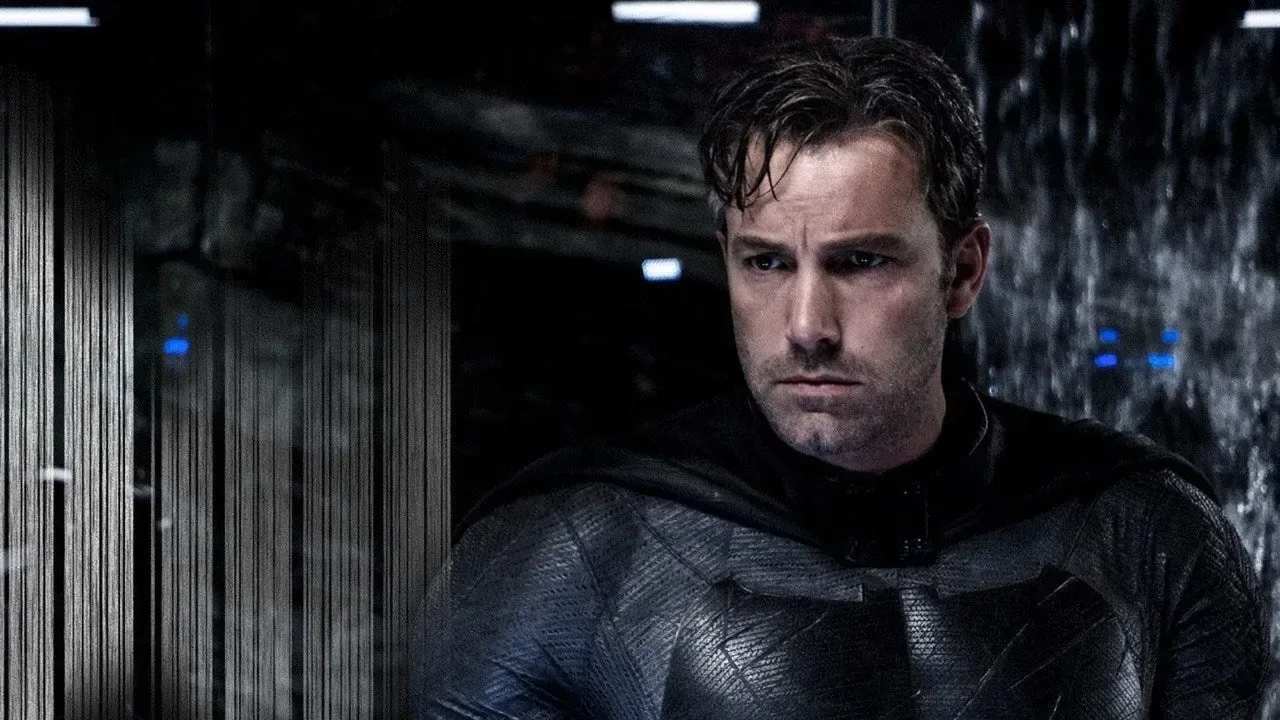
Joking Joystick’s wider pop-culture coverage also includes reporting on public comments and career retrospectives, including Ben Affleck describing the Justice League reshoots as a career low point. In this case, however, the stakes are considerably higher than a retrospective creative dispute: the claims concern a death and remain unverified.
At present, the responsible takeaway is narrow. Houston’s nephews have made serious allegations in a public dispute involving Wack 100 and Ray J. Ray J has denied involvement, and the available information does not independently confirm the claims. Any meaningful change to that picture would require new, credible evidence or a substantive response from the parties involved.