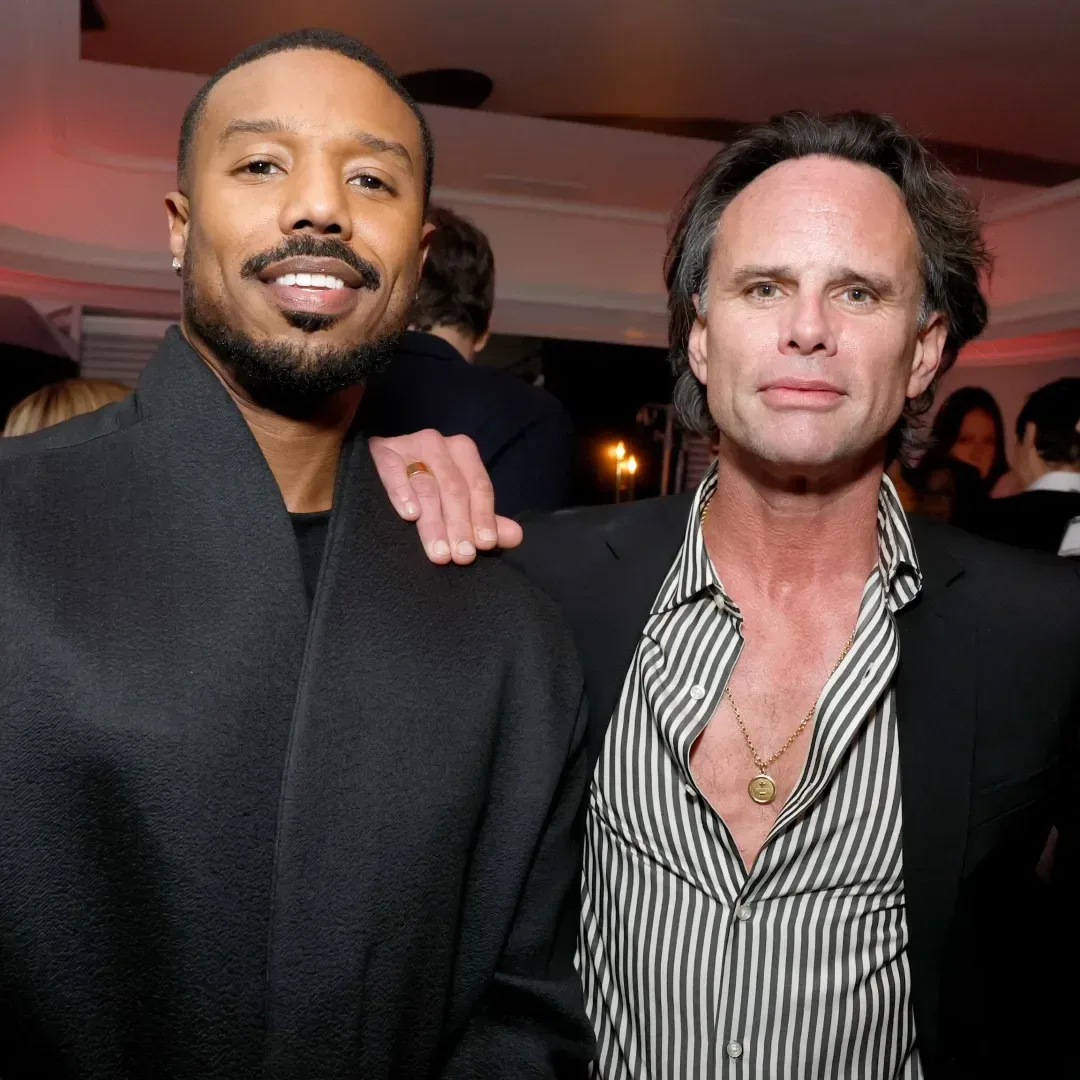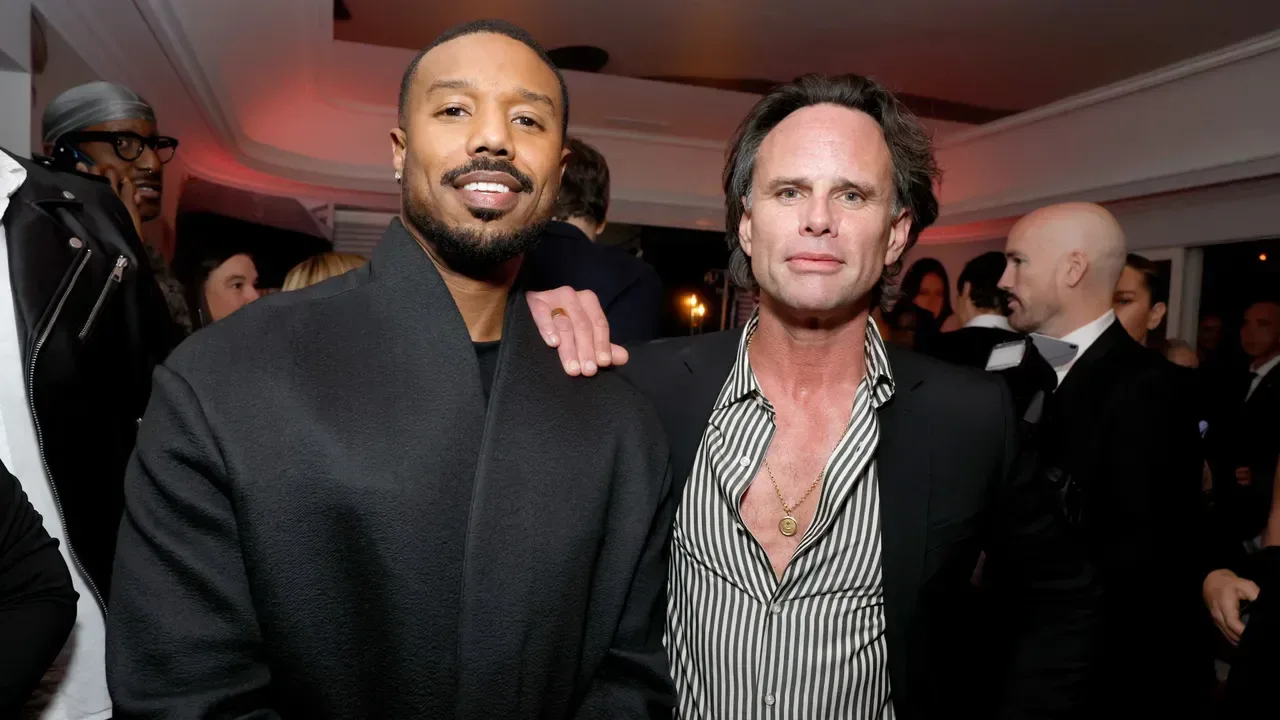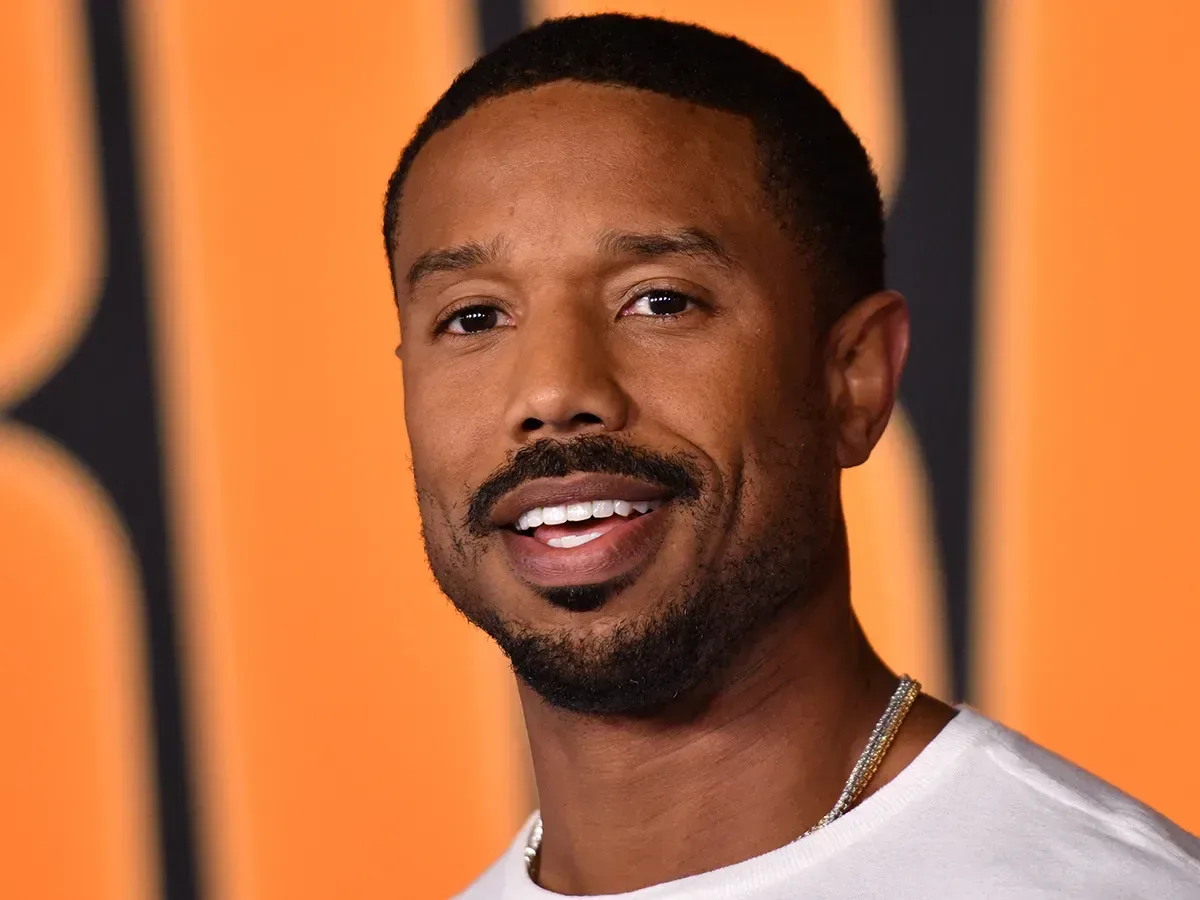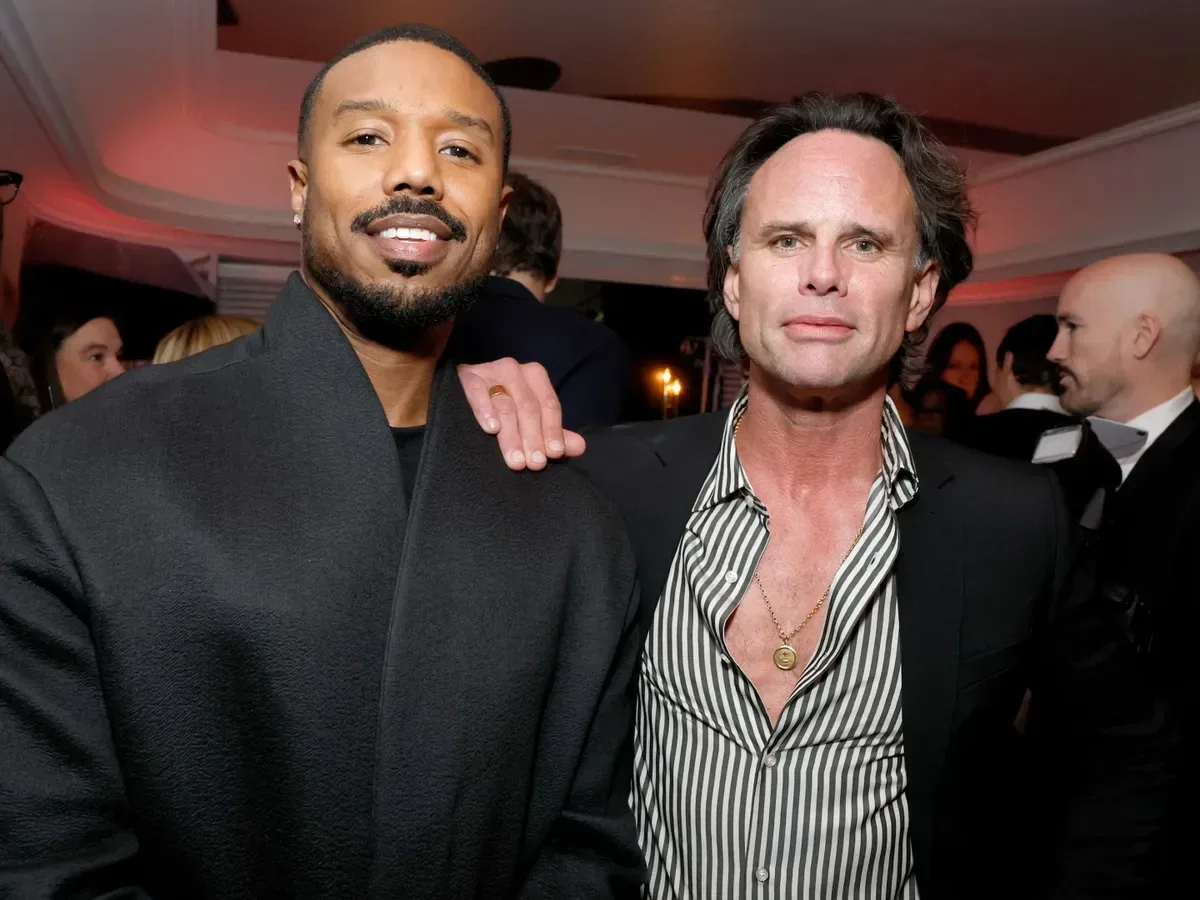
Walton Goggins has joined Miami Vice ’85 in a villain role, adding a dangerous new piece to the upcoming period reboot’s central conflict. Goggins is set to play a henchman and assassin who works on behalf of John Leguizamo’s character, a cartel king positioned as the film’s primary antagonist.
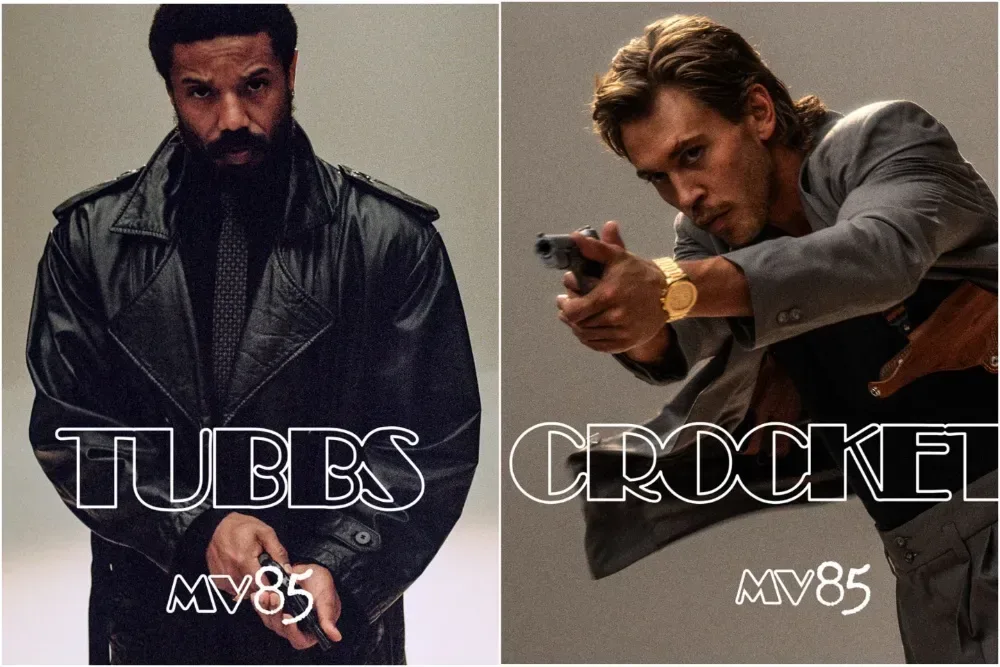
The assignment puts Goggins opposite Michael B. Jordan’s Ricardo Tubbs and Austin Butler’s Sonny Crockett. Beyond that core setup, specifics remain limited: there is no detailed story outline, character name for Goggins’ assassin, or explanation yet of how the cartel conflict brings Tubbs and Crockett together. Still, the casting establishes a clear villain hierarchy. Leguizamo’s cartel figure appears to be the power at the top, while Goggins’ character is the operative who can carry out that power’s most immediate and personal threats.
Miami Vice ’85 is expected to arrive in May 2028 and is planned as a period reboot of the television property. Joseph Kosinski, whose directing credits include F1 and Top Gun: Maverick, will helm the feature. The project had previously been aimed at 2027 before moving to its current May 2028 release window. Filming is expected to begin this year, meaning additional casting may emerge as the production fills out its police, criminal, and supporting ensembles.
A reboot, not a sequel
The word reboot matters here. It generally means a new production is starting its own continuity rather than continuing the events of an earlier adaptation. In this case, Miami Vice ’85 is not described as a sequel to Michael Mann’s film adaptation, nor as a continuation of the original television series’ storyline.
That distinction gives the new film space to reinterpret familiar elements without needing to account for prior screen canon. The names Sonny Crockett and Ricardo Tubbs remain central, with Butler and Jordan taking the roles, but the film is expected to build its own version of the partnership and its criminal world. The “’85” framing also signals that the project will be set in a period context rather than simply placing the concept in a contemporary setting.
That does not tell audiences exactly how closely the production will follow the television series’ tone, plots, costumes, music, or visual identity. Those details have not been confirmed. It does, however, establish that the film is approaching the property as a new telling rather than a direct follow-up. For a title with such a recognizable cultural footprint, that is an important creative choice: the audience may recognize the characters and premise, but it should not assume familiar events are being resumed.
There is also a practical advantage to the approach. A period reboot can make its setting part of the drama rather than treating it solely as decoration. The project has not revealed its precise plot or the scope of its Miami setting, so any further claims would be premature. But the stated period framing means the production is expressly separating itself from both a modern-day continuation and a sequel framework.
What Goggins brings to the antagonist side
Goggins has built a career around characters who can be funny, unnerving, charismatic, compromised, or openly threatening—often more than one of those things at once. His television work includes Justified and The Shield, while his film roles include The Hateful Eight, Ant-Man and the Wasp, and Tomb Raider. More recently, he has been visible to a new audience through Fallout and The White Lotus.
His role as The Ghoul in Fallout is especially useful context for the kind of screen presence that may make this casting appealing, even though there is no indication that the two characters will resemble one another. The Ghoul is presented as an antihero shaped and corrupted by the Wasteland while seeking his long-lost family. That combination of menace, damage, wit, and unclear allegiance is very different from the comparatively simple label of “assassin,” but it demonstrates Goggins’ ability to make a morally hazardous figure feel specific rather than anonymous.
For Miami Vice ’85, the available description is narrower: he plays a henchman and assassin serving Leguizamo’s cartel king. In crime stories, an assassin can function as more than muscle. Such a character can be the visible enforcement arm of an otherwise insulated crime boss, the obstacle that forces the protagonists into direct danger, or the figure who turns a conflict from investigation into survival. None of those roles has been confirmed for this movie, but the stated employer-and-operative relationship offers a useful outline of the antagonistic structure.
That structure could give the film two distinct types of threat. Leguizamo’s character, as the cartel king and lead villain, represents organized power. Goggins’ assassin represents action carried out on that power’s behalf. The distinction can matter dramatically because it prevents the main villain from needing to personally occupy every confrontation. Again, the film’s plot remains under wraps; the point is simply that the announced roles already suggest a chain of command rather than a one-note criminal opposition.
Jordan and Butler are the new Tubbs and Crockett
The confirmed leads provide the other half of that structure. Michael B. Jordan will play Ricardo Tubbs, while Austin Butler will play Sonny Crockett. The pairing anchors the film in the two characters most closely associated with the property, even as the reboot begins a separate continuity.
It is too early to make firm judgments about how either performer will interpret the roles. No footage, detailed character material, or plot synopsis has been provided. What is known is that the casting places Jordan and Butler directly across from Leguizamo’s cartel boss and Goggins’ killer. That is a straightforward but effective foundation for a crime thriller: two principal investigators or law-enforcement figures confronting a criminal leader and the trusted enforcer capable of doing his most dangerous work.
Early announcements often create the temptation to fill in gaps with assumptions about tone, action sequences, and character relationships. This is where the confirmed information needs to stay separate from speculation. The cast and basic antagonist setup are known. A period-reboot approach is known. Kosinski’s role as director and the May 2028 target are known. The film’s exact case, its supporting characters, the mechanics of the undercover world often associated with the property, and the story’s visual or musical direction have not yet been outlined.
For now, Goggins’ addition is meaningful because it clarifies more than a single casting slot. It establishes that the criminal side of Miami Vice ’85 will have both a lead antagonist and a dedicated, lethal subordinate. It also adds an actor with a long record of playing characters whose volatility can make even a brief appearance feel consequential.
Kosinski’s involvement and the road to 2028
Kosinski arrives with high-profile recent directing credits in F1 and Top Gun: Maverick. That background makes the choice notable, particularly for a property expected to balance crime drama with cinematic scale. However, a director’s previous work should not be treated as a promise that every stylistic element will transfer to a new project. No confirmed details have identified the new film’s action design, visual format, music, or narrative emphasis.
What can be said is that the timeline gives the production room to develop after the release-date shift. The film was initially dated for 2027 and is now expected in May 2028. With filming expected to start this year, the announced cast may be only the first major layer of a broader set of personnel announcements.
That development cycle is worth watching without overstating what it means. More casting does not automatically reveal story details, and a production date is not the same thing as a completed film. But forthcoming choices—particularly additional law-enforcement, cartel, and supporting roles—should give audiences a better sense of the story’s scale and the social world around Crockett and Tubbs.
Fans of screen reimaginings may also be interested in how other legacy-action properties are being reshaped for new films, including the reported movement around a separate G.I. Joe project built outside the Transformers connection. The shared lesson is not that these films will look alike, but that a recognizable name can be treated as a new starting point instead of a requirement to continue every prior version.
What remains unknown
Despite the attention generated by its growing cast, Miami Vice ’85 is still at an early public-information stage. The project has not provided a full synopsis. There are no announced details on Goggins’ character beyond his role as an assassin and henchman, nor a name for Leguizamo’s cartel king. The extent of the ensemble, the precise production schedule, and the film’s eventual promotional rollout are also not yet known.
Those unknowns are important because they keep expectations appropriately grounded. The confirmed news supports anticipation around the four principal names now attached to the central conflict: Jordan as Tubbs, Butler as Crockett, Leguizamo as the cartel boss, and Goggins as his assassin. It does not yet support claims about story beats, who survives, the nature of the partnership, or the exact flavor of the film’s Miami underworld.
For the moment, the most concrete takeaway is simple. Miami Vice ’85 is assembling a high-profile central quartet for a new period-set take on the property, and Walton Goggins will be on the side that makes Crockett and Tubbs’ job considerably more dangerous. With production expected to begin this year and a May 2028 release currently planned, the next round of casting should help turn that broad framework into a more complete picture.