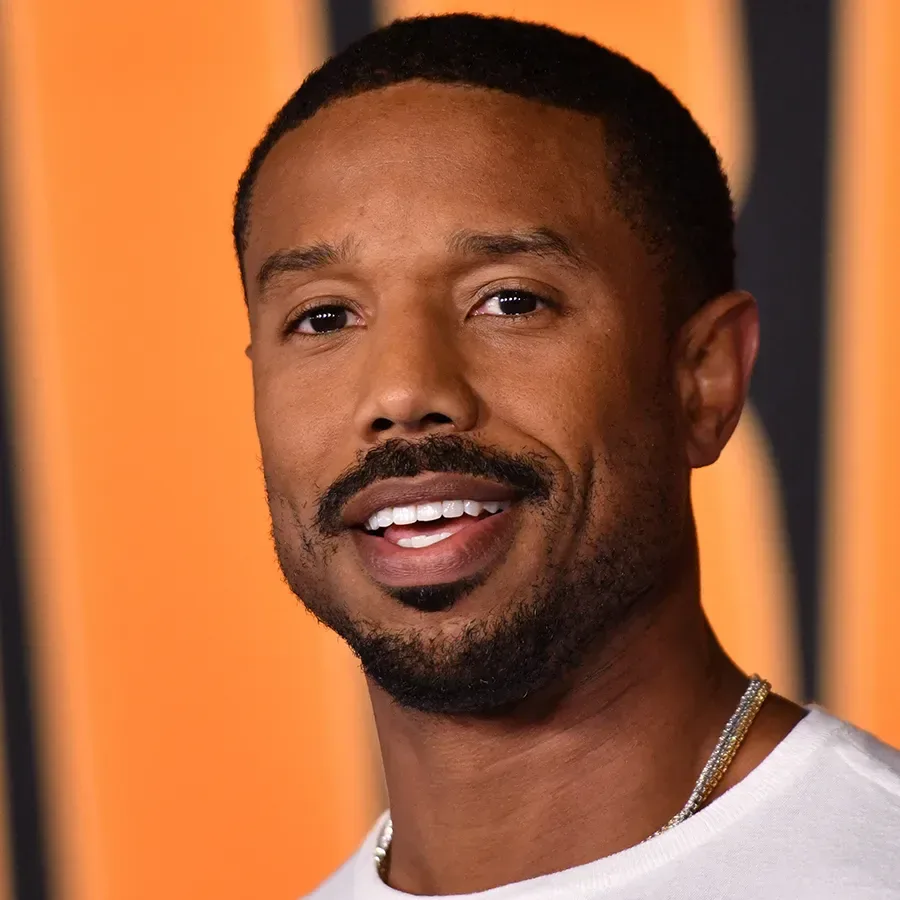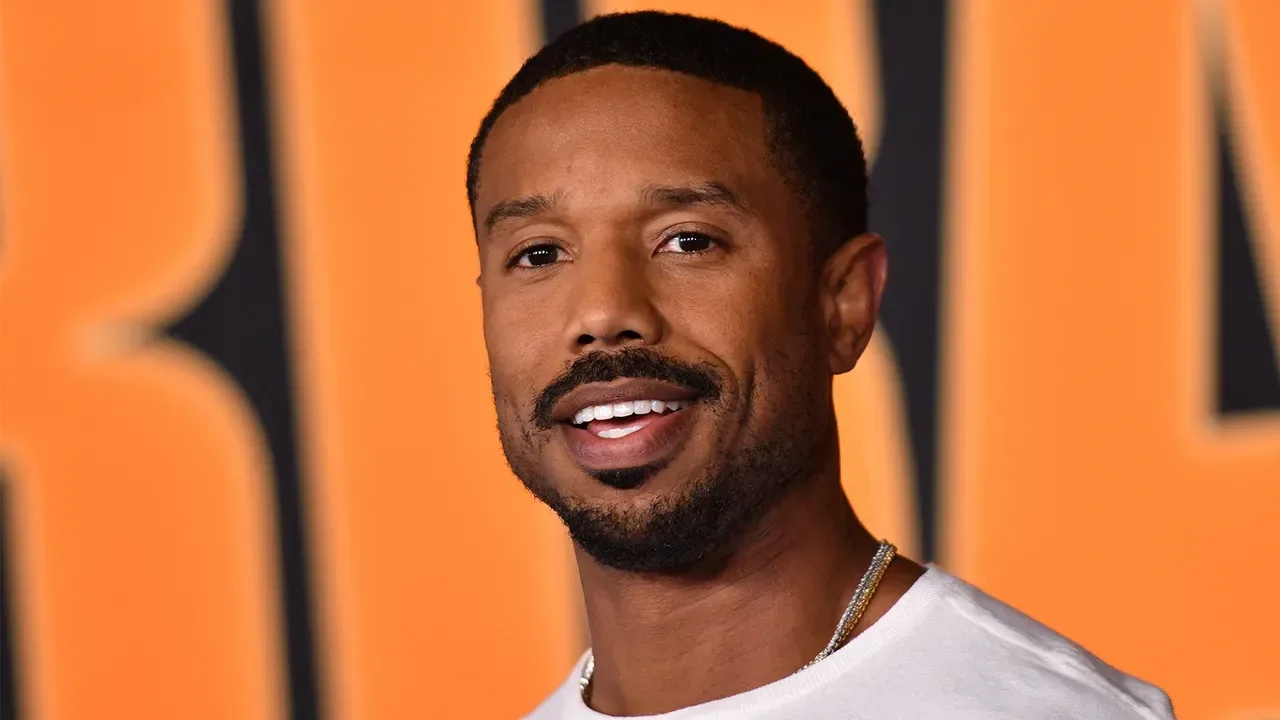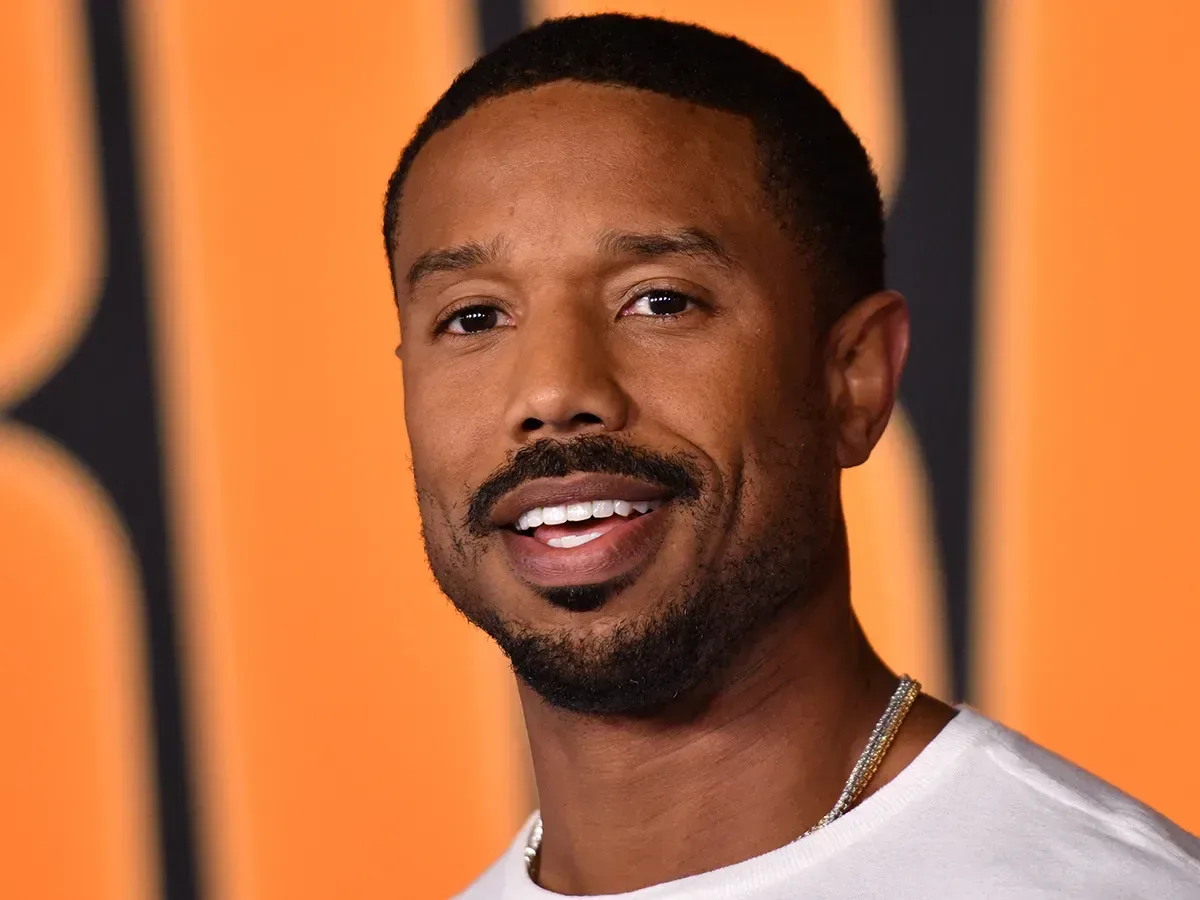
Michael B. Jordan has indicated that he is working on more than one anime project, though the projects remain in the earliest stages and no titles, studios, formats, release windows, or creative teams have been disclosed.
The actor and filmmaker framed the prospect with a characteristically big swing of enthusiasm, joking that he could leave conventional filmmaking behind and spend the rest of his career making anime. It is not a confirmation that he is stepping away from live-action work. In fact, Jordan also has major live-action projects in motion. But the remark does underline something more concrete: anime is not merely an influence he is willing to mention in passing. It is a creative space he wants to enter with original work.
What is confirmed — and what is not
The firm information is limited but notable: multiple anime projects are in early development. “Early development” generally means the concepts are being shaped before a production has necessarily been approved, staffed, animated, or scheduled. At this point, fans should not assume that every project will ultimately be released, nor that Jordan will have the same role on each one.
That distinction matters. A public figure attached to an anime project might serve as a producer, creator, performer, financier, or some combination of those jobs. The available information does not establish whether Jordan will voice a character, create a story, oversee production, or work exclusively behind the scenes. It also does not reveal whether the projects are series or films, whether they are intended for Japanese-language, English-language, or multilingual releases, or whether they adapt existing material.
In short, this is an early signal of intent rather than a trailer-ready announcement. There are no character designs to dissect, no casting list to parse, and no release calendar to circle. For now, the most useful clue is Jordan’s long-running and specific interest in anime storytelling.
Creed III offers the clearest clue to his anime sensibilities
Jordan’s work on Creed III is the best available reference point for what he values in the medium. He has previously identified Hajime no Ippo, Megalo Box, Naruto, My Hero Academia, and Dragon Ball Z among the anime influences that helped shape the film’s combat and dramatic approach.
His interest was not limited to visual spectacle. Jordan described anime fights as carrying an inherent spirit and connected that idea to bonds between characters, brotherhood, and family. That is a useful lens for understanding why a boxing drama could draw from anime without simply reproducing an animated look in live action. In his view, the influence reaches into the emotional reason for a fight: what the rivalry represents, what a blow means to a relationship, and how tension can be escalated through a confrontation.
Hajime no Ippo and Megalo Box are particularly clear references for a filmmaker interested in combat sports. Their boxing is tied to interiority and character stakes, rather than functioning solely as athletic display. Jordan has also pointed to a specific punch in the climactic Adonis Creed-versus-Damian Anderson fight as a nod to the Dragon Ball Z universe.
Related coverage includes Michael B. Jordan Says Multiple Anime Projects Are in Early Development.
That does not mean the prospective anime projects will be boxing stories. No genre has been identified. Still, Jordan’s earlier comments establish a creative throughline: he is drawn to action that does narrative work. A fight can be fast, stylized, and physically expressive while also communicating a fractured friendship, a family pressure point, or a character’s resolve.
A quick explanation: anime influence is more than an art style
“Anime-inspired” is often used as shorthand for heightened poses, speed lines, powerful impacts, or dramatic reaction shots. Those surface traits can be part of the appeal, but Jordan’s comments point to a broader set of storytelling tools.
- Emotional choreography: Action is staged to reveal changing feelings and relationships, not simply to determine who wins.
- Escalation: A confrontation can gain intensity as characters expose new limits, motivations, or vulnerabilities.
- Rivalry as character writing: Opponents may be connected by friendship, shared history, family, or contrasting ideals.
- Heightened impact: A strike, pause, or stare-down can receive unusual emphasis so the viewer feels the turning point in a conflict.
Those elements are flexible enough to fit sports, fantasy, science fiction, drama, or a wholly new setting. They also help explain why Jordan’s upcoming work is worth tracking even before there is a premise. His stated influences suggest that he sees anime as a storytelling language, not just a bank of recognizable references.
The fandom behind the development push
Jordan has publicly named a varied set of favorites, including Dragon Ball, Hunter x Hunter, Naruto, and Studio Ghibli’s Princess Mononoke. That list spans different kinds of anime experiences: long-form action adventures, character-driven journeys, fantasy worlds, and feature filmmaking. It does not provide a blueprint for the new projects, but it demonstrates an interest that is broader than one franchise or one combat genre.
For audiences, the key practical implication is that Jordan’s potential involvement is backed by years of openly expressed enthusiasm and a prior attempt to translate some of that enthusiasm into his own filmmaking. The projects are not being presented with enough detail to evaluate on their own yet. However, Creed III supplies evidence that he has thought seriously about how anime’s visual force and relationship dynamics can inform another medium.
It also raises a more interesting question than “Will there be an anime-style punch?” If Jordan moves from borrowing selected influences for live action to making anime directly, he may have room to build around the pacing, character arcs, and emotional climaxes that he has praised. Animation can approach movement, scale, and visual metaphor differently from a live-action boxing film. Whether these projects pursue that possibility is still unknown, but it is the creative territory to watch.
Why the lack of details should temper expectations
Early-development news can inspire speculation, especially when it involves a performer with Jordan’s profile and a fan base eager for anime projects from creators who genuinely know the medium. But no announced premise means there is currently no basis to label these efforts as an adaptation, an original franchise, a sports anime, or a project connected to any of the titles Jordan has cited.
There is likewise no confirmation of a distributor, broadcaster, streaming service, animation studio, or release territory. Those omissions are not signs that a plan has failed; they are simply the boundaries of what has been shared. Treating the announcement as a confirmed slate of finished productions would get ahead of the facts.
A better expectation is modest and specific: Jordan has more than one anime idea being developed, and his previously discussed creative influences offer context for why he is pursuing the medium. Until the projects acquire names and collaborators, that is the full picture.
Jordan still has live-action work on deck
The joke about quitting everything for anime should also be read alongside Jordan’s established film commitments. He is set to appear with Austin Butler in Miami Vice ’85, a reboot of the 1980s television series scheduled for August 6, 2027.
He is also attached to a Battlefield film effort with Christopher McQuarrie. The adaptation is reportedly being taken to studios in the hope of bringing Electronic Arts’ military game series to cinemas. That project remains separate from the anime work, but it places Jordan in another area where established visual media and games intersect. Interest in game adaptations remains high, as shown by the ongoing conversation around how much player agency should carry over when games move into adjacent formats, including debates surrounding Marvel’s Wolverine and player agency.
For now, none of those live-action commitments provides a timeline for the anime projects, nor do they establish a connection between them. They do make one point clear, though: Jordan’s enthusiasm for anime exists alongside a continuing screen career, rather than replacing it in any confirmed sense.
What to watch for next
The next meaningful update would be one that narrows the creative basics: a title, a format, a studio partner, Jordan’s role, or a description of the story. A named director, writer, producer, or animation team would also help establish the projects’ direction and production framework.
Until then, Jordan’s anime plans are best understood as a promising but deliberately undefined development effort. His track record of citing individual series and identifying their influence on Creed III gives the news more substance than a vague celebrity endorsement. It also leaves plenty of open space for the actual projects to surprise people when their first concrete details arrive.