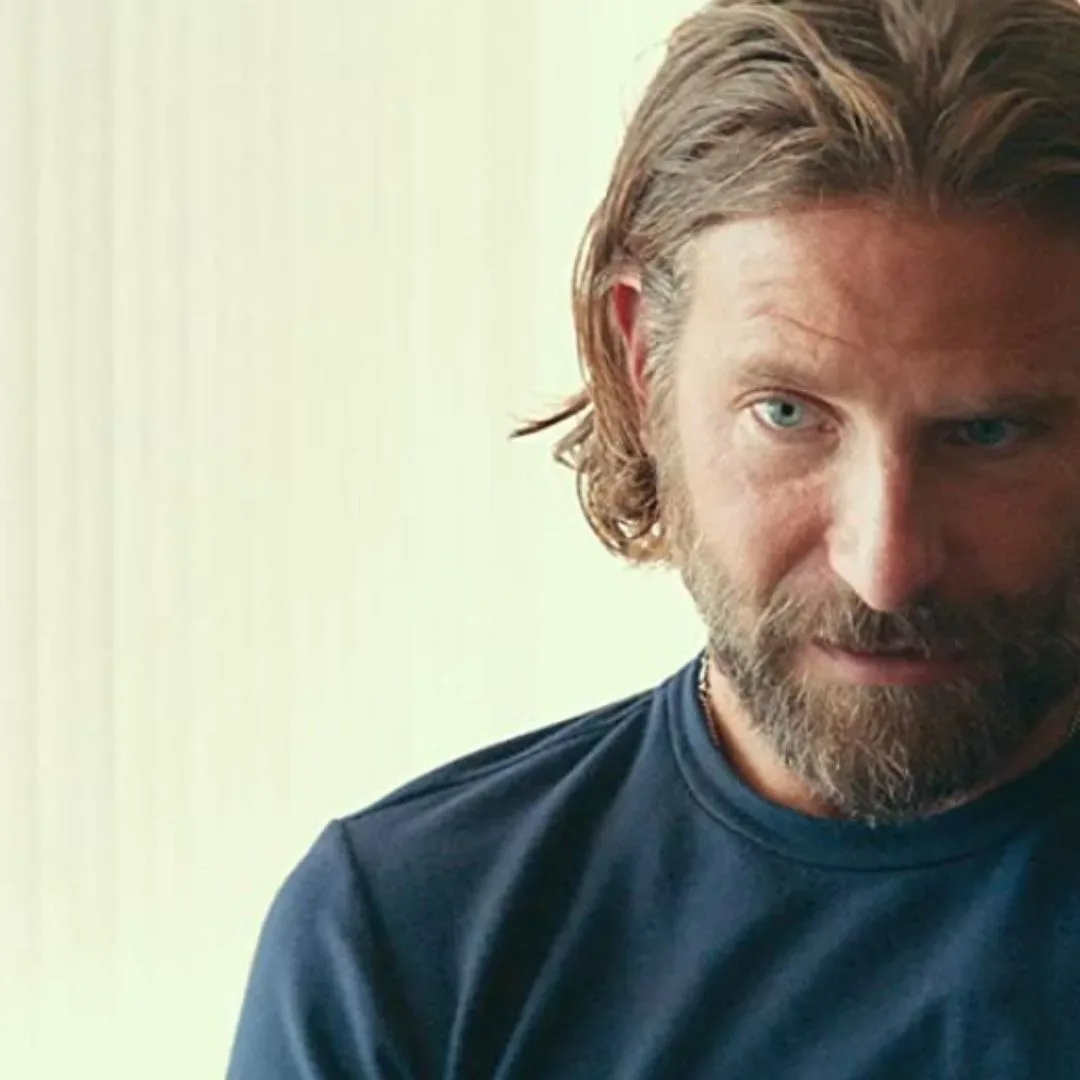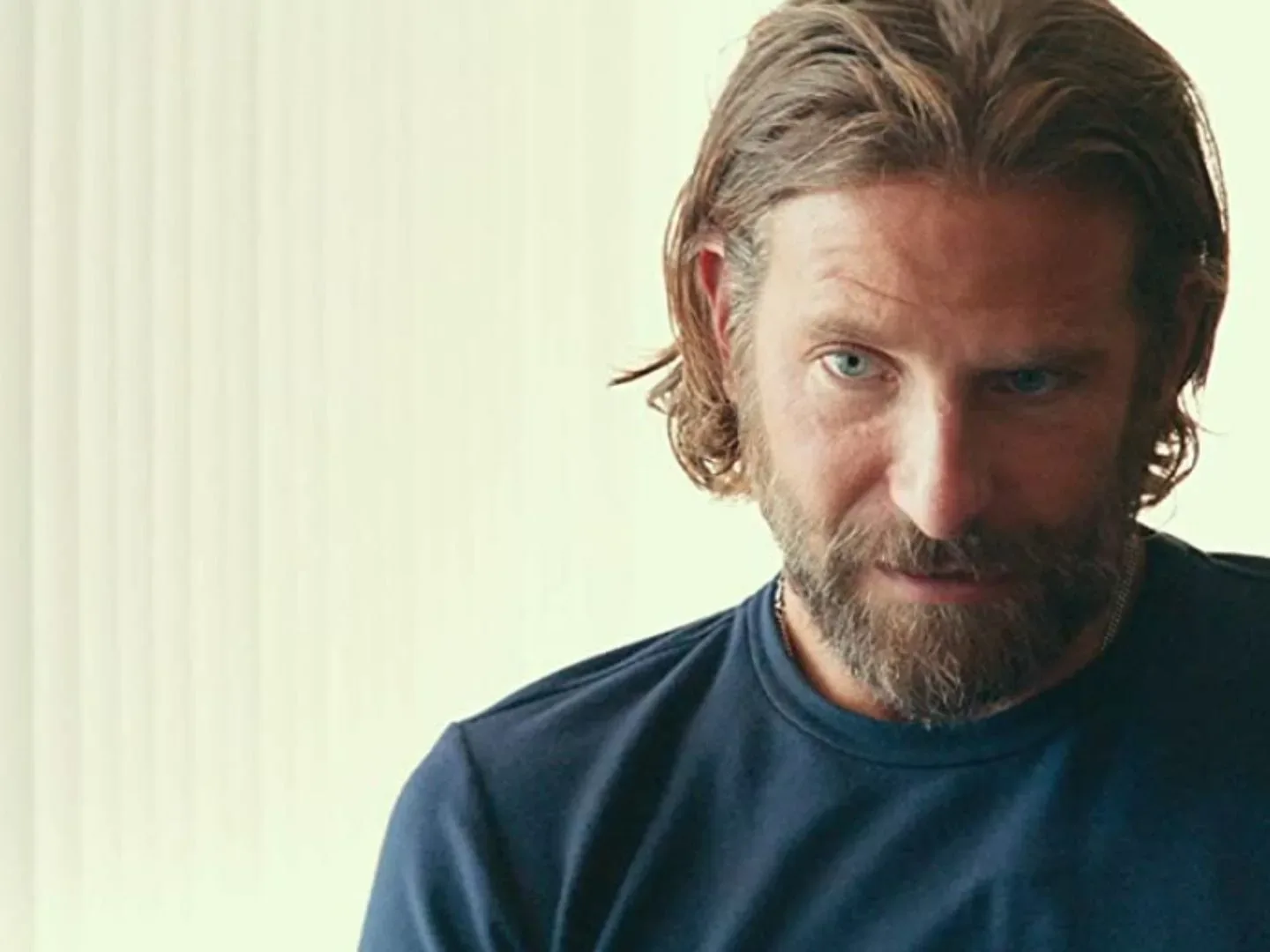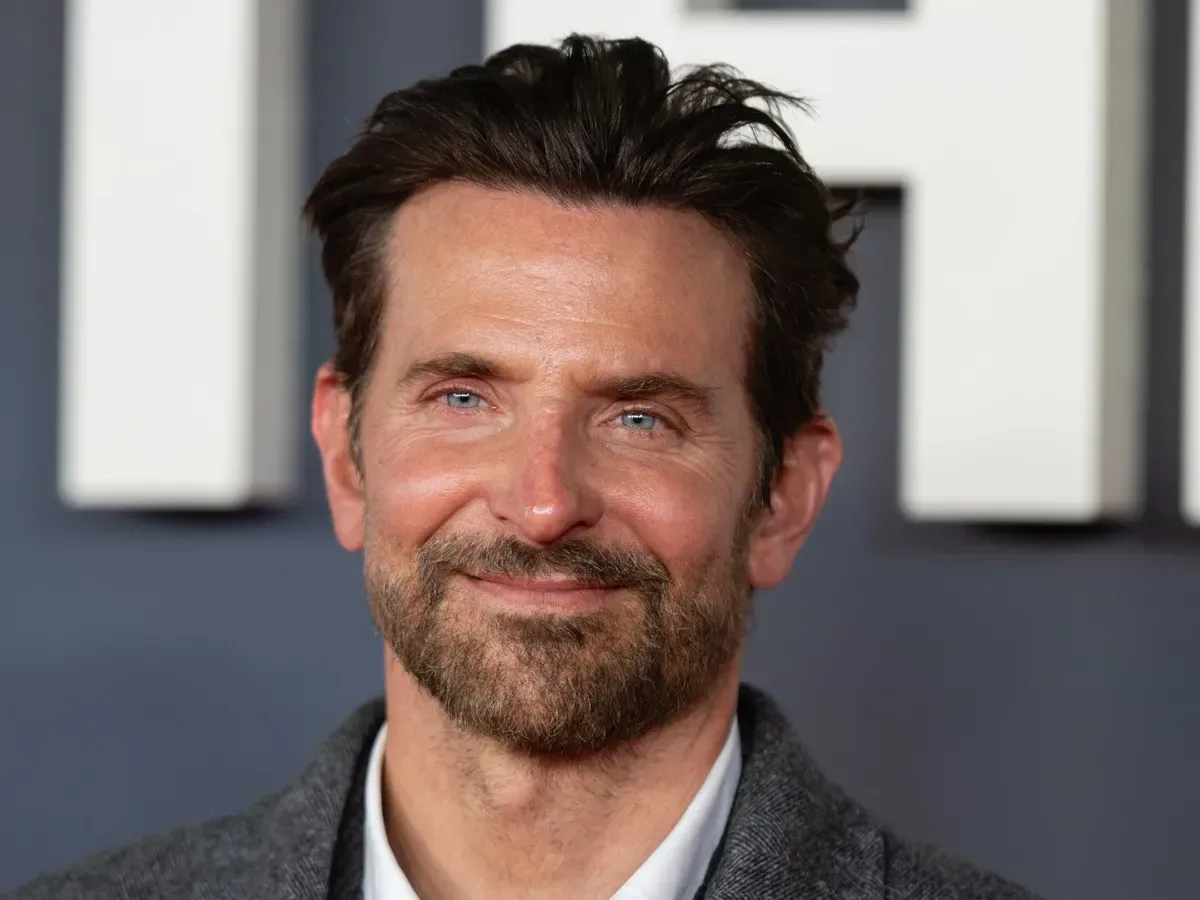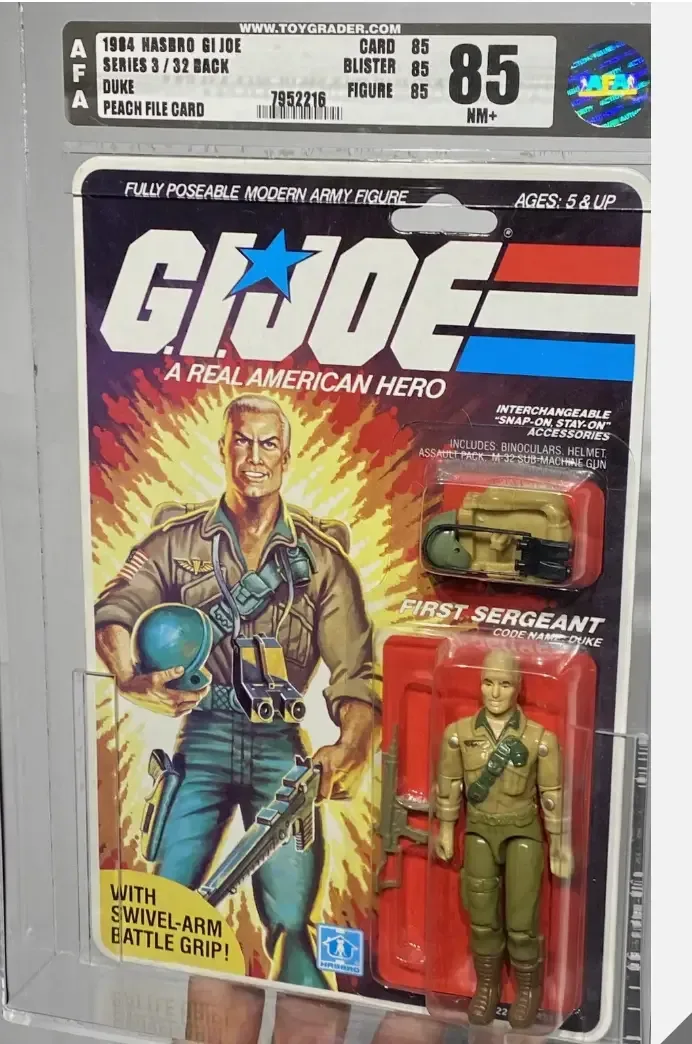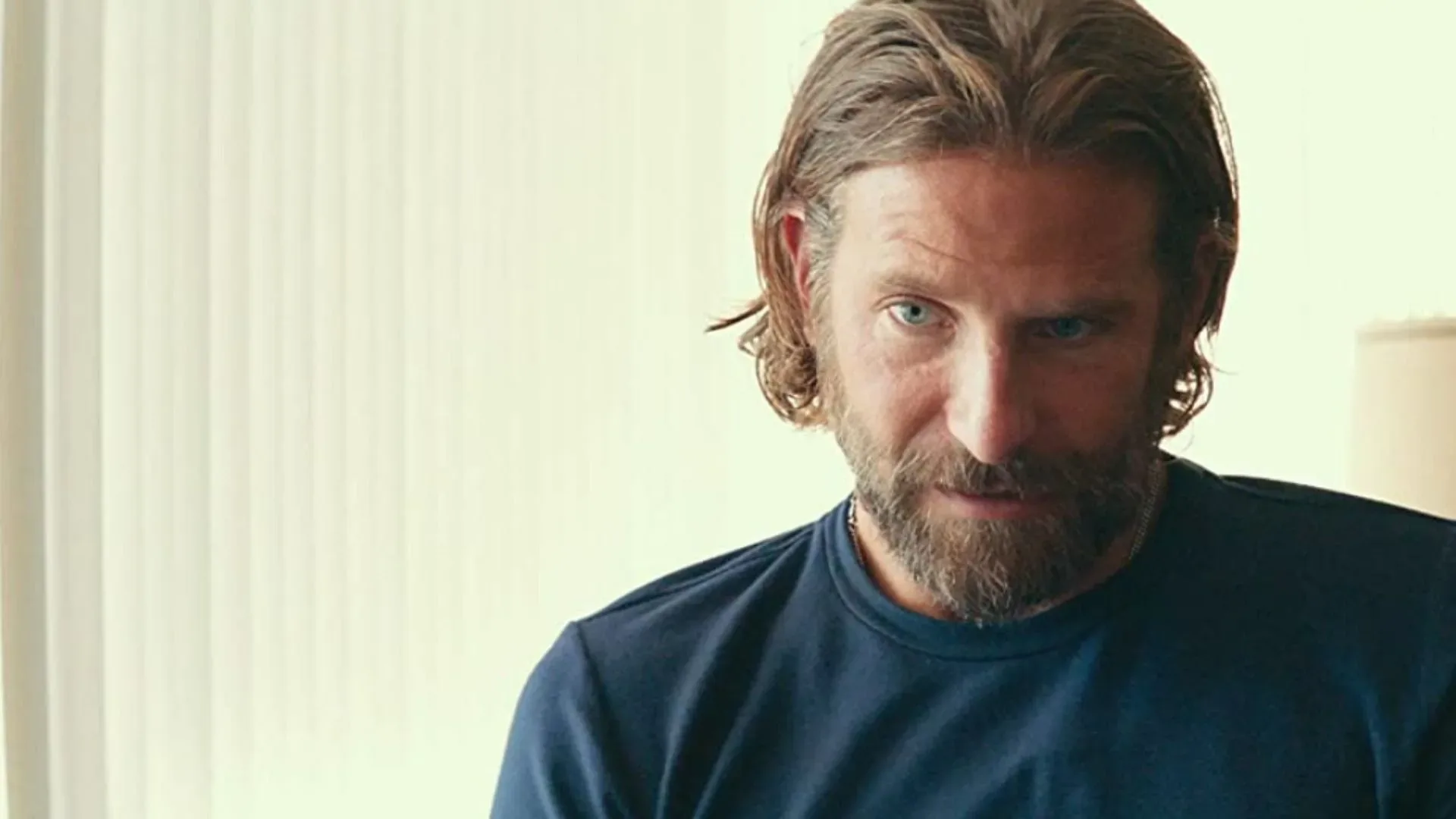
G.I. Joe is reportedly heading back to live action with a substantially different mission briefing than fans expected: Bradley Cooper is set to play Duke in a film directed by Danny McBride, and the project is now being positioned as a standalone G.I. Joe movie instead of the Transformers crossover previously put into motion.
The casting gives the film a recognizable lead in one of G.I. Joe’s foundational roles. Duke is described as the team’s lead soldier and second-in-command, placing him near the center of any story built around the elite counter-terrorist unit. McBride will direct from a screenplay written with Jeff Bradley and John Couture, his collaborators from The Righteous Gemstones.
There is no release date for the new G.I. Joe film at present. Just as importantly, the available details do not establish a plot, supporting cast, continuity with earlier G.I. Joe movies, or a production timetable. The news is a meaningful creative reset, but it is not yet a full deployment of information.
A standalone G.I. Joe changes the assignment
The biggest detail is not merely who may play Duke. It is that the reported plan has been uncoupled from Transformers.
A G.I. Joe/Transformers crossover was announced in 2024 after Transformers: Rise of the Beasts included a direct tease. In that film’s post-credits scene, Noah, played by Anthony Ramos, receives a business card carrying the G.I. Joe logo. The implication was clear: he had been identified for recruitment by the special counter-terrorist organization, and the two Hasbro properties were on a path toward meeting onscreen.
A post-credits scene is a short sequence that appears during or after a film’s closing credits. Studios often use them to add a final joke, reveal a surprise, or point toward a potential future story. In this case, the G.I. Joe card functioned as a connective tease—a piece of storytelling intended to suggest a shared future with the Transformers films.
That tease made a crossover seem like the natural next step. The standalone direction does not erase the scene from Rise of the Beasts, but it does mean viewers should not treat it as a guaranteed roadmap to this particular Duke movie. A tease can signal an ambition at a particular moment; it does not permanently lock every later production into the same structure.
For G.I. Joe, separating from Transformers potentially creates a cleaner starting point. The film can establish its own tone, its own supporting team, and its own version of Duke without also carrying the responsibility of introducing or accommodating giant robotic characters. That is analysis rather than a confirmed creative plan, but it is the practical consequence of making a standalone picture.
What Duke represents for G.I. Joe
Duke is not an obscure deep-cut selection. He was among the earliest action figures released when Hasbro created G.I. Joe in the 1960s. Casting the role first—or at least making it the first major casting detail publicly attached to the project—therefore places a long-running, recognizable figure at the forefront.
That history matters because G.I. Joe has lived in more than one form. It began as an action-figure brand, and its character identities have moved through toys and screen adaptations. A live-action film centered on Duke naturally brings the property back to one of its original emblematic figures, while still leaving open how much of the wider roster might appear.
For collectors and fans of the line, the important distinction is between the character’s durable place in the brand and any assumption about new merchandise. No toy releases, collector editions, or tie-in products have been specified. The confirmed element is the reported casting direction for the film, not a new physical collecting program.
Cooper and McBride are an unusual but potentially purposeful pairing
Cooper’s reported role as Duke and McBride’s position as director make for a notable combination. Duke is framed here as an authoritative military figure, while McBride is writing alongside Bradley and Couture, the team connected to The Righteous Gemstones. That collaboration tells audiences who is shaping the screenplay, but it does not reveal whether the finished movie will lean earnest, comic, satirical, or somewhere between those modes.
It is tempting to draw a straight line from a filmmaker’s prior work to a new franchise film. That would go beyond the evidence. A creative team can bring a particular voice while still adapting to a property’s demands, and no story details have been released to define this G.I. Joe’s approach. What can be said is that the project has a director and writing team identified, rather than existing only as a broad franchise intention.
The choice of Duke also presents an immediate storytelling anchor. As second-in-command, he has a defined place within a team structure. That means the film does not need to invent a reason for him to matter: the character’s rank and leadership role inherently put him in the middle of missions, operational decisions, and group dynamics. Whether the movie uses that position to introduce a full ensemble remains unannounced.
The earlier live-action context remains separate
Before this development, the proposed crossover was widely understood in the context of the previous G.I. Joe live-action films, which featured Channing Tatum and Dwayne Johnson. A third installment had been considered after the box-office performance of G.I. Joe: Retaliation. But the newly reported standalone plan should not be read as confirmation that Cooper’s Duke continues, replaces, or directly revisits any particular version from those films.
Continuity is the term used to describe how stories, characters, and events connect across installments. Nothing in the available information confirms the continuity of McBride’s film. It may share ideas with earlier adaptations, it may establish a different path, or it may simply avoid stating the issue until later. Until the production offers a clearer answer, the safest reading is that this is a new G.I. Joe movie with Cooper attached to Duke—not a defined sequel, reboot, or crossover in any confirmed technical sense.
That caution is particularly relevant for franchise news. “Standalone” answers one key question—this movie is no longer proceeding as the announced Transformers pairing—but it does not automatically answer every other continuity question. It says what the project is not doing more clearly than it explains all the things it will do.
What viewers should and should not expect now
- Expect a G.I. Joe-focused film: The project is described as standalone rather than a Transformers crossover.
- Expect Duke to be central: Cooper is set to play the lead soldier and second-in-command of the G.I. Joe team.
- Expect McBride to direct: He also co-wrote the screenplay with Jeff Bradley and John Couture.
- Do not assume a Transformers appearance: The earlier crossover idea and the current standalone film are no longer the same plan.
- Do not assume a release window: No release date has been announced.
- Do not assume plot or continuity details: Neither has been provided.
The shift also leaves the Transformers side as its own pending question. The G.I. Joe card in Rise of the Beasts remains a conspicuous piece of franchise setup, but the current report makes clear that it is not the foundation for this upcoming G.I. Joe movie. A future Transformers project could address that thread, or it could remain unresolved; no answer has been confirmed here.
Franchise-film plans can change sharply between an end-credits tease and a fully formed production. Fans looking for another example of how game and genre properties can take unpredictable routes to the screen can also read about Guillermo del Toro’s earlier BioShock movie talks.
For now, the strongest concrete takeaway is straightforward: G.I. Joe is moving ahead with Bradley Cooper reportedly in the Duke role, Danny McBride directing and co-writing, and no Transformers crossover attached. Everything beyond that—from the rest of the team to the villain, story, release plan, and relationship to prior films—remains classified.