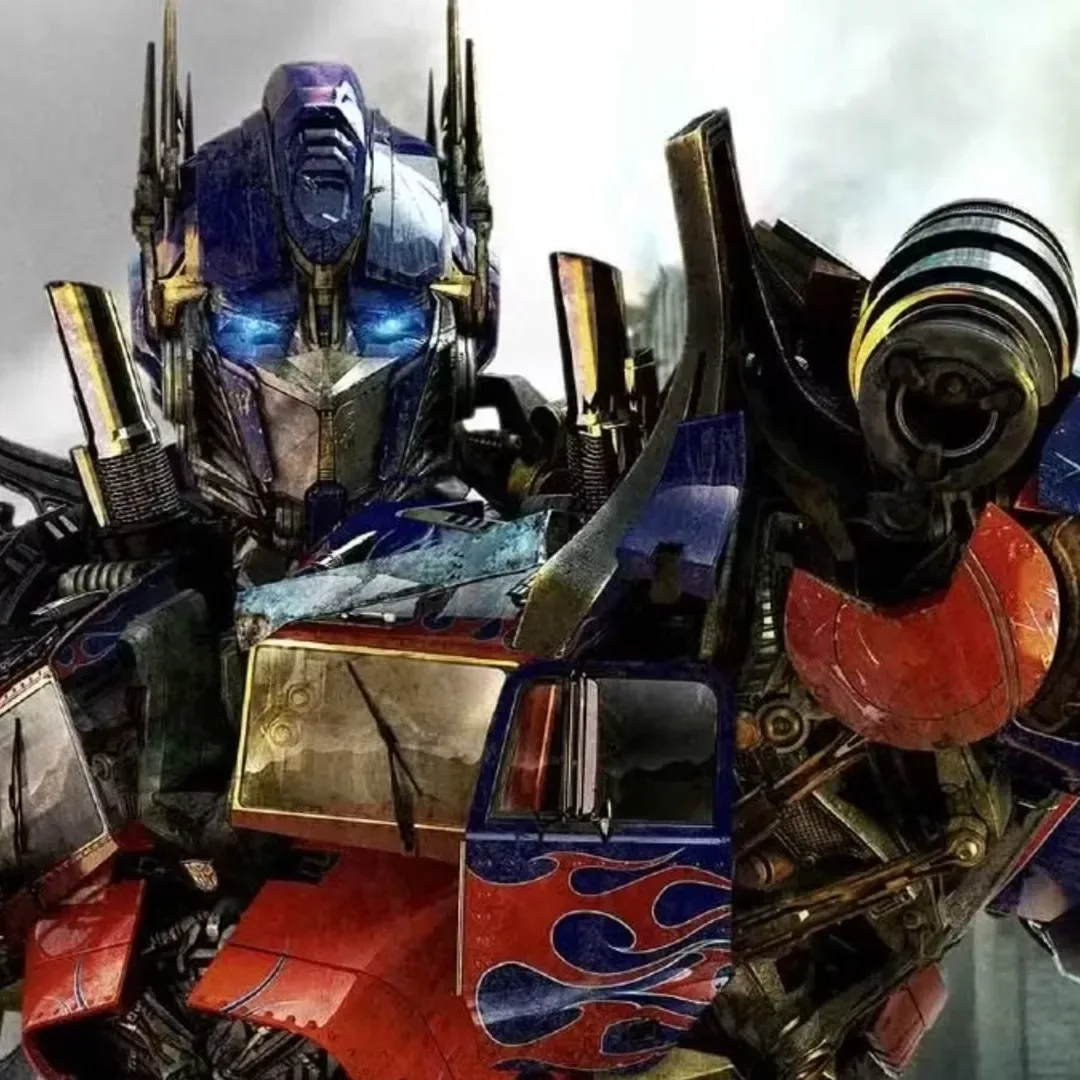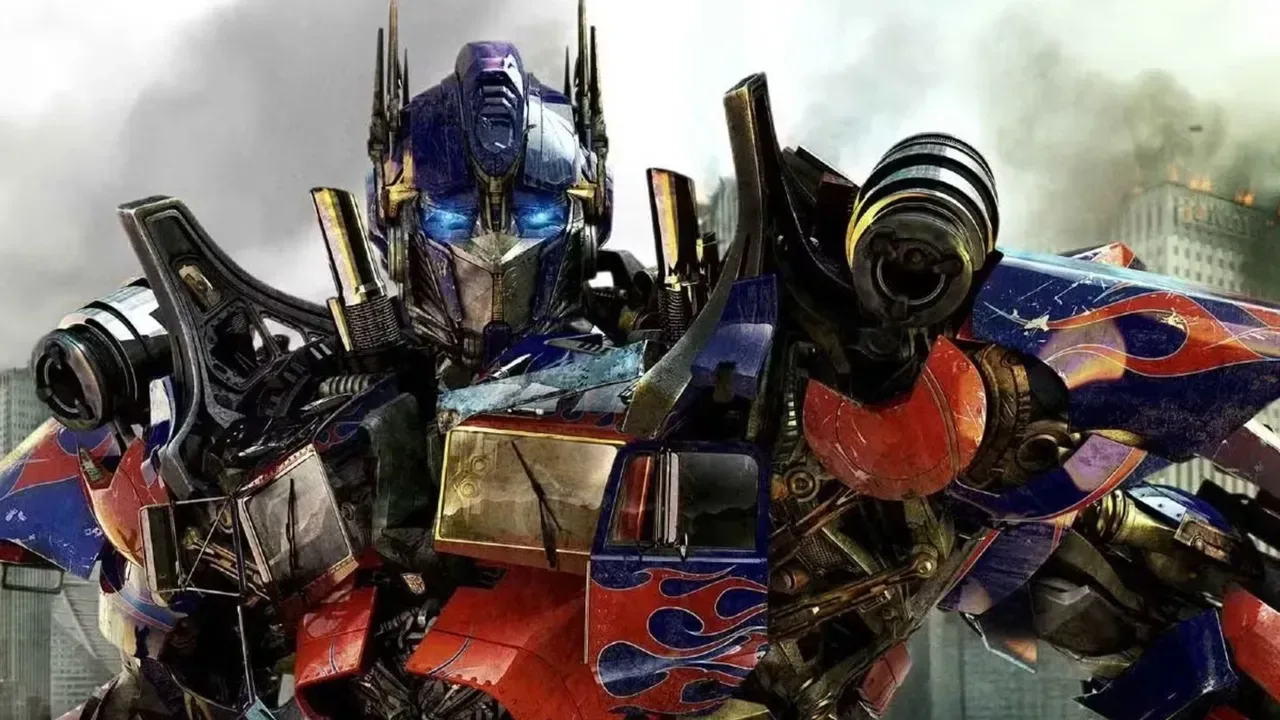
Michael Bay is in early conversations about directing the next live-action Transformers movie, while Steven Spielberg is set to take a substantial producer role centered on the film’s creative direction. Nothing is finalized with Bay, but the prospective reunion would bring the filmmaker behind the franchise’s first five live-action features back together with Spielberg, who was creatively involved with the first two.
The project has a script by Jason Fuchs, whose previous writing credits include contributions to the It films and Wonder Woman. Specific story details have not been disclosed. The current expectation is that the new installment will be set in the modern day.
Spielberg will work with longtime producer Lorenzo di Bonaventura. That arrangement is the clearest concrete piece of the project so far: Spielberg has agreed to produce with a remit to focus on creative matters after reading Fuchs’ script. Bay’s involvement, by contrast, remains at the discussion stage following his own reading of the script and a meeting with Spielberg.
A potential return, not a signed deal
The important qualification is that Bay has not been locked in as director. Early talks can lead to a deal, but they can also end without one as the director, producers, studio, and other stakeholders work through the creative plan and terms. For now, the meaningful news is that Bay is actively being considered and has engaged with the screenplay and Spielberg.
That distinction matters because a Bay-directed Transformers film would carry immediate expectations based on his decade-long association with the series. He directed the first five live-action films before stepping away. The franchise subsequently continued with the Bumblebee prequel and Transformers: Rise of the Beasts.
Those later films performed reasonably well, but did not reach the billion-dollar box-office heights achieved by some of Bay’s entries. That commercial history helps explain the appeal of revisiting the earlier creative partnership. A director’s past success does not guarantee a repeat, of course, but Bay is closely linked to the large-scale visual spectacle that defined the modern live-action version of the property.
What Spielberg’s role could mean
A producer credit can cover very different levels of involvement. In this case, the stated plan is unusually specific: Spielberg is expected to focus on all creative aspects of the film. In practical terms, that points to a role beyond simply attaching his name to the project. It suggests participation in guiding the screenplay and the film’s broader creative path alongside di Bonaventura.
It does not mean Spielberg is directing the movie, and no such role has been indicated. Nor does it mean the public yet knows the story, cast, release plan, or final director. It does mean that the next film is being developed with one of the franchise’s earliest high-profile creative producers again involved in shaping it.
The pairing is notable because Spielberg had advised Bay to stop making Transformers films after the third entry. Bay later said he regretted not following that advice, though the studio asked him to continue. If Bay eventually signs on now, it would represent a changed professional calculation for both filmmakers: a possible new collaboration built around a screenplay that persuaded Spielberg to return and was substantial enough to bring Bay into talks.
For viewers, the most useful way to read this is as a creative-management story rather than a promise of a particular finished film. The people involved may be aiming to combine clear oversight of the script and story direction with the forceful visual approach audiences associate with Bay. Whether that balance is actually achieved will depend on decisions that have not been announced.
Bay’s Transformers legacy: scale, spectacle, and division
Bay’s five Transformers films were major commercial events. They also inspired sharply divided reactions. The films were frequently criticized for a more violent depiction of the robots in disguise, uneven or rocky plotting, and humor that did not work for every audience. Those critiques remain central to any discussion of a potential return.
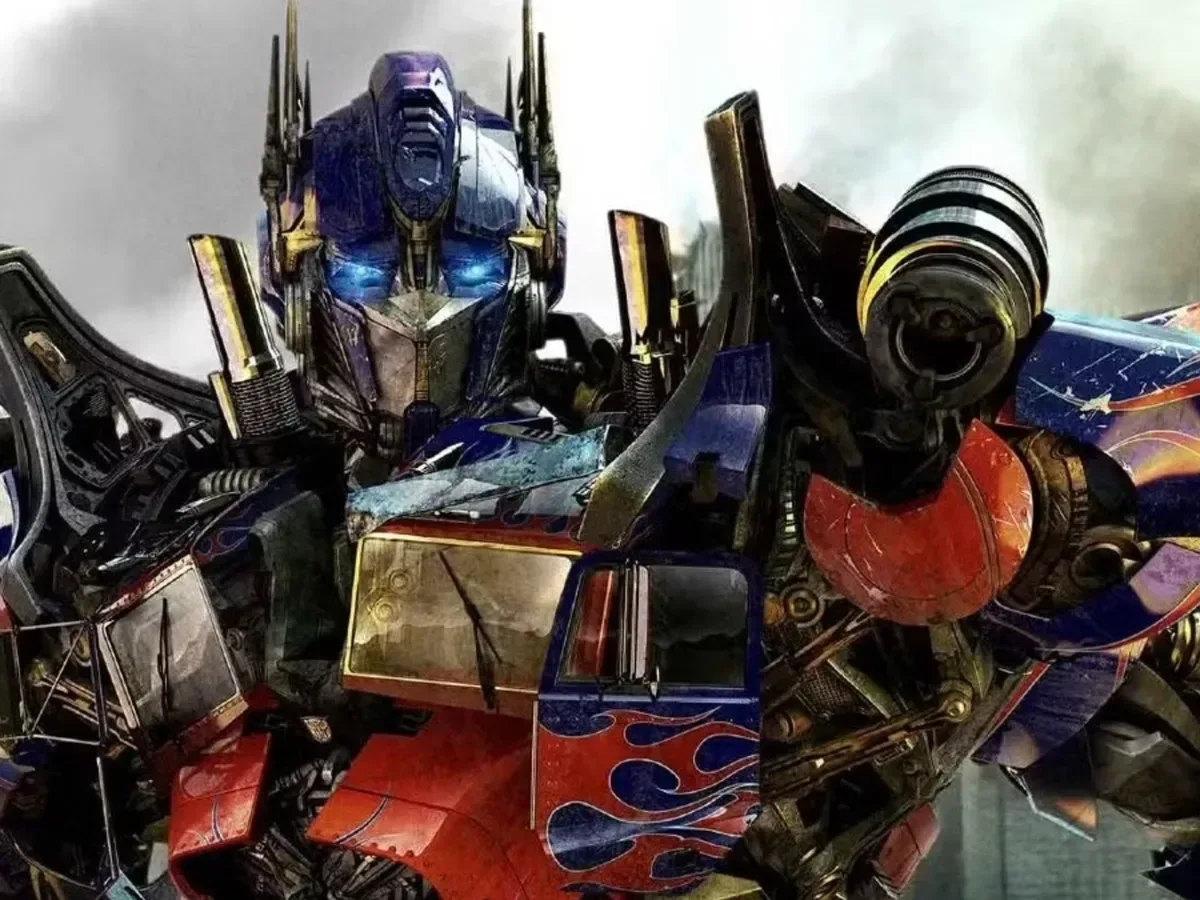
At the same time, there has been a renewed appreciation in some corners for their computer-generated imagery, highly stylized visuals, and enormous action scenes. “CG” is shorthand for computer-generated imagery: digitally created visual material used to realize characters, environments, transformations, and effects that could not be captured practically in the same way. For Transformers, that work is especially important because the central characters need to shift from vehicles into intricate robotic forms while sharing scenes with live-action performers and settings.
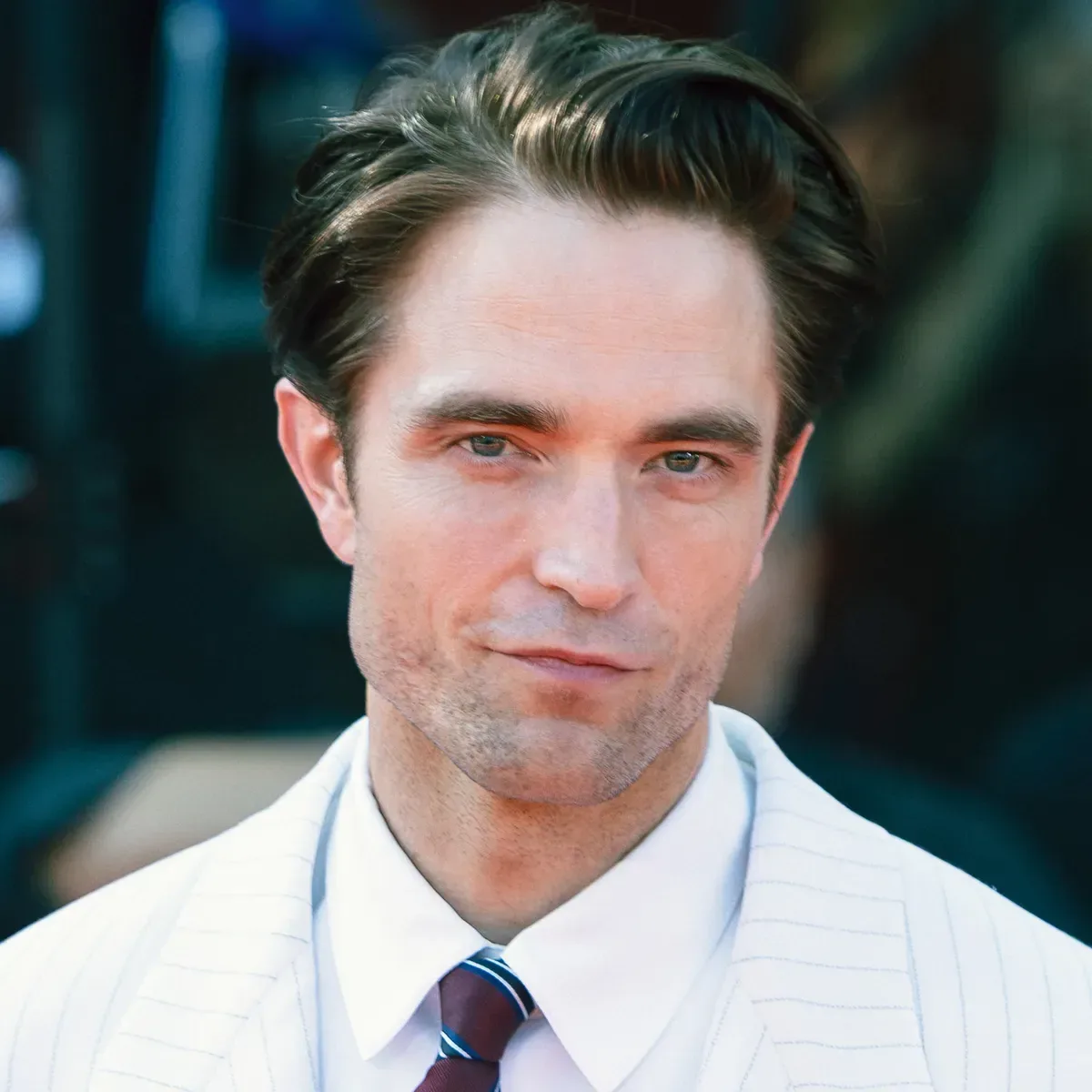
Bay’s movies made that technical and visual ambition a defining part of the franchise’s identity. Robert Pattinson has even described the first Transformers as the “definitive movie of the 2000s.” That is an individual assessment rather than a consensus, but it captures why the possibility of Bay’s return is likely to provoke both enthusiasm and apprehension. His style is identifiable, and so are the arguments audiences have had about it.
The new film’s script will be central to resolving that tension. The available information gives no plot description, no named characters beyond the franchise context, and no indication of its exact tone. Still, the presence of a completed script from Fuchs and Spielberg’s creative focus makes screenplay development the key issue to watch. An action blockbuster can be judged on its images and momentum, but its story structure, character work, and humor shape whether its set pieces have a strong dramatic foundation.
The franchise is also facing an Optimus Prime question
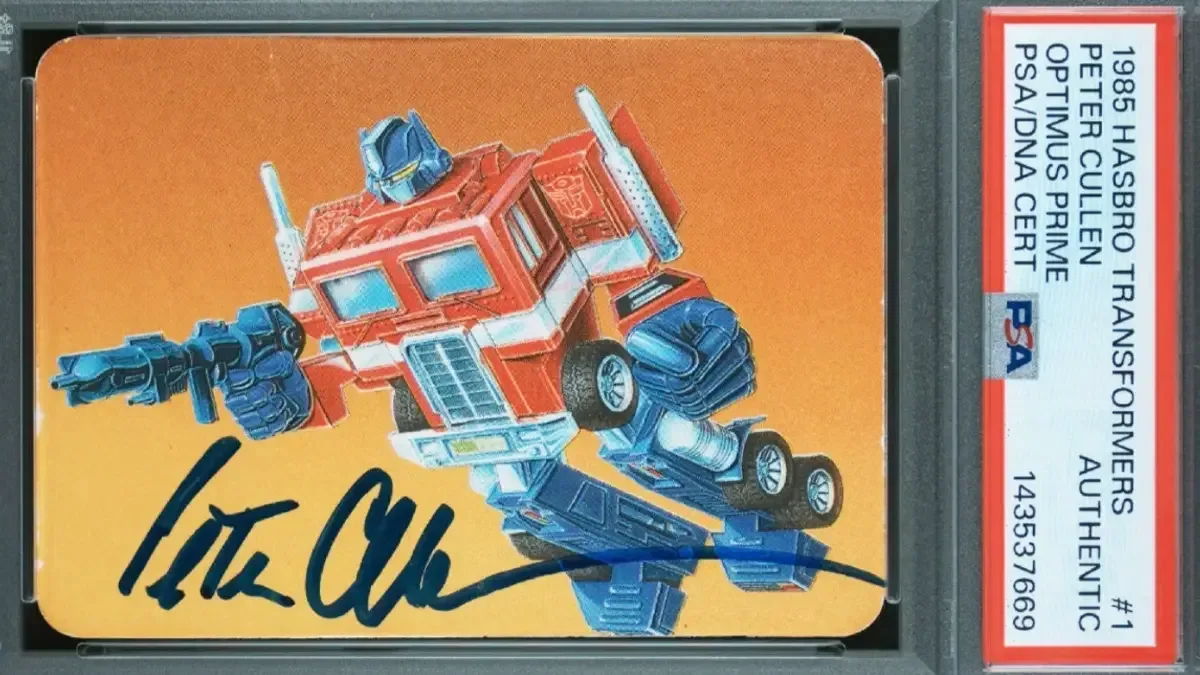
Whatever form the next installment takes, Peter Cullen will not return as Optimus Prime. Cullen died earlier this year. That leaves the filmmakers with a significant choice: recast the character or leave Optimus Prime out of the next movie.
Neither path should be assumed at this stage. There is no announced casting decision and no confirmed indication that Optimus Prime is in the script. But the character is one of the most recognizable parts of Transformers, and Cullen’s absence makes this more than a routine casting update. It is a creative and emotional consideration for a series that has long connected the character with his voice.
A recast would ask the production to establish a new performance for a familiar role. Excluding the character, even temporarily, could create more room for another part of the ensemble or for a story with a different center. Those are possibilities, not reported plans, and the film’s currently undisclosed plot means there is no basis to favor one over the other.
Why the modern-day setting matters—within limits
The expectation of a modern-day setting gives the project one early point of orientation. It places the proposed film in a contemporary live-action framework rather than identifying it as another historical prequel. However, “modern day” is a setting description, not a plot synopsis. It does not confirm the human cast, the villains, the robot roster, the scale of the conflict, or continuity details.
That uncertainty is worth preserving. Franchise reporting can rapidly turn an early development detail into an assumed fact in fan discussion, particularly when beloved directors or characters are involved. The presently established picture is more modest: Spielberg is on board in a creatively focused producer role, di Bonaventura remains involved, Fuchs wrote the script, and Bay is discussing the possibility of directing.
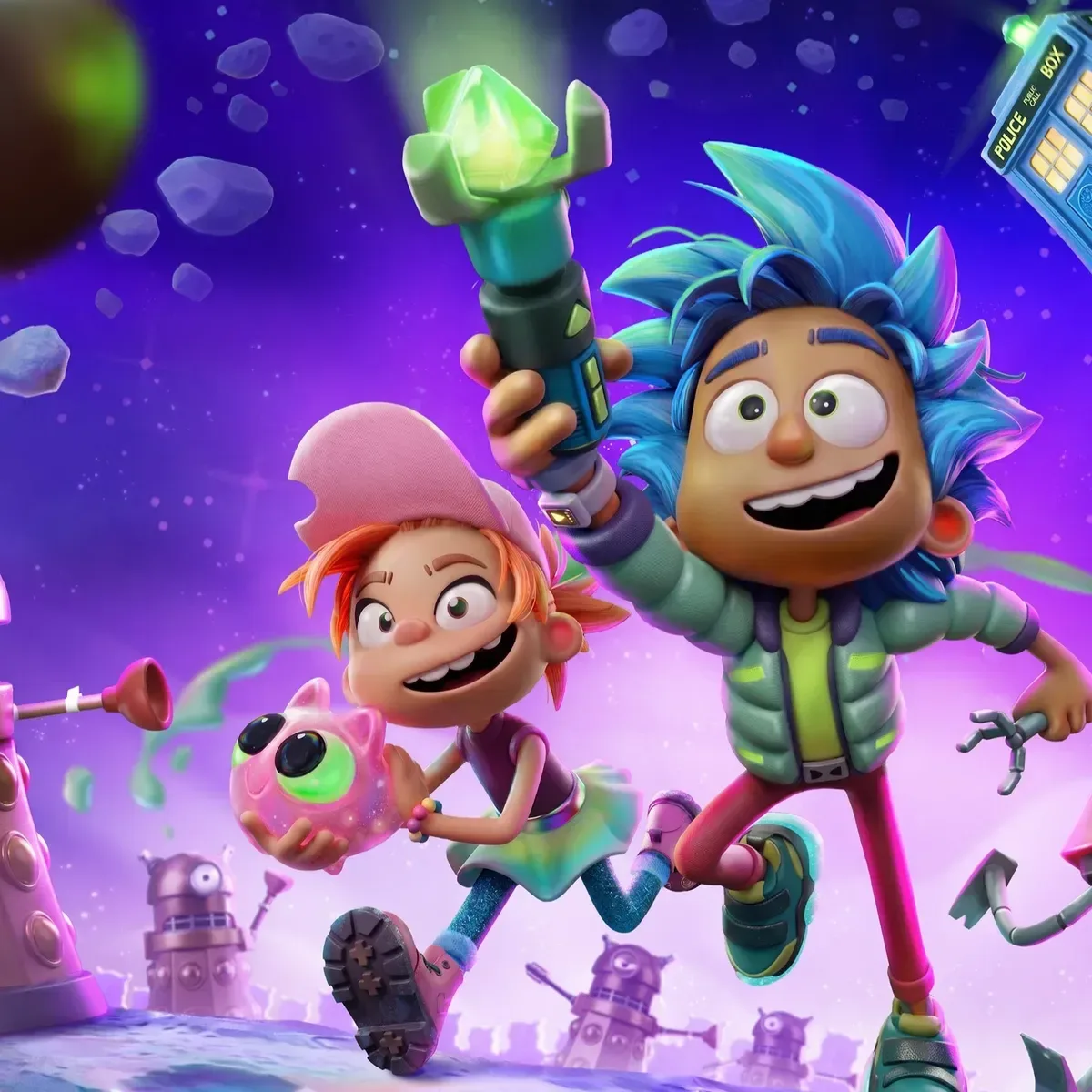
It also arrives in a period when established properties continue to be reconsidered across formats and audiences. For a separate example of a long-running sci-fi franchise being adapted for a younger audience, Doctor Who’s TARDIS Crew preschool-animation project illustrates how familiar worlds can be taken in markedly different directions. No comparable format change has been announced for Transformers; the pending project remains a live-action film.
What is confirmed, and what remains open
There is enough information to identify the likely creative backbone, but not enough to describe the movie itself. The confirmed or reported development points are straightforward:
- Spielberg is set to produce and concentrate on creative aspects of the next live-action Transformers film.
- Di Bonaventura is expected to help lead that work with Spielberg.
- Fuchs wrote the screenplay that brought Spielberg aboard and was read by Bay.
- Bay is in early conversations and has not been confirmed as director.
- The story is expected to be set in the modern day, while its plot remains undisclosed.
- Cullen will not return as Optimus Prime following his death earlier this year.
Much remains unknown: whether Bay signs, who stars, which Transformers appear, how the story relates to earlier films, and how the production approaches Optimus Prime. The proposed return of Bay and Spielberg is therefore best understood as a potentially consequential development rather than a completed revival. It suggests a desire to reconnect the next chapter with the commercial scale and visual identity of the original live-action run, while putting renewed emphasis on creative guidance around the script.