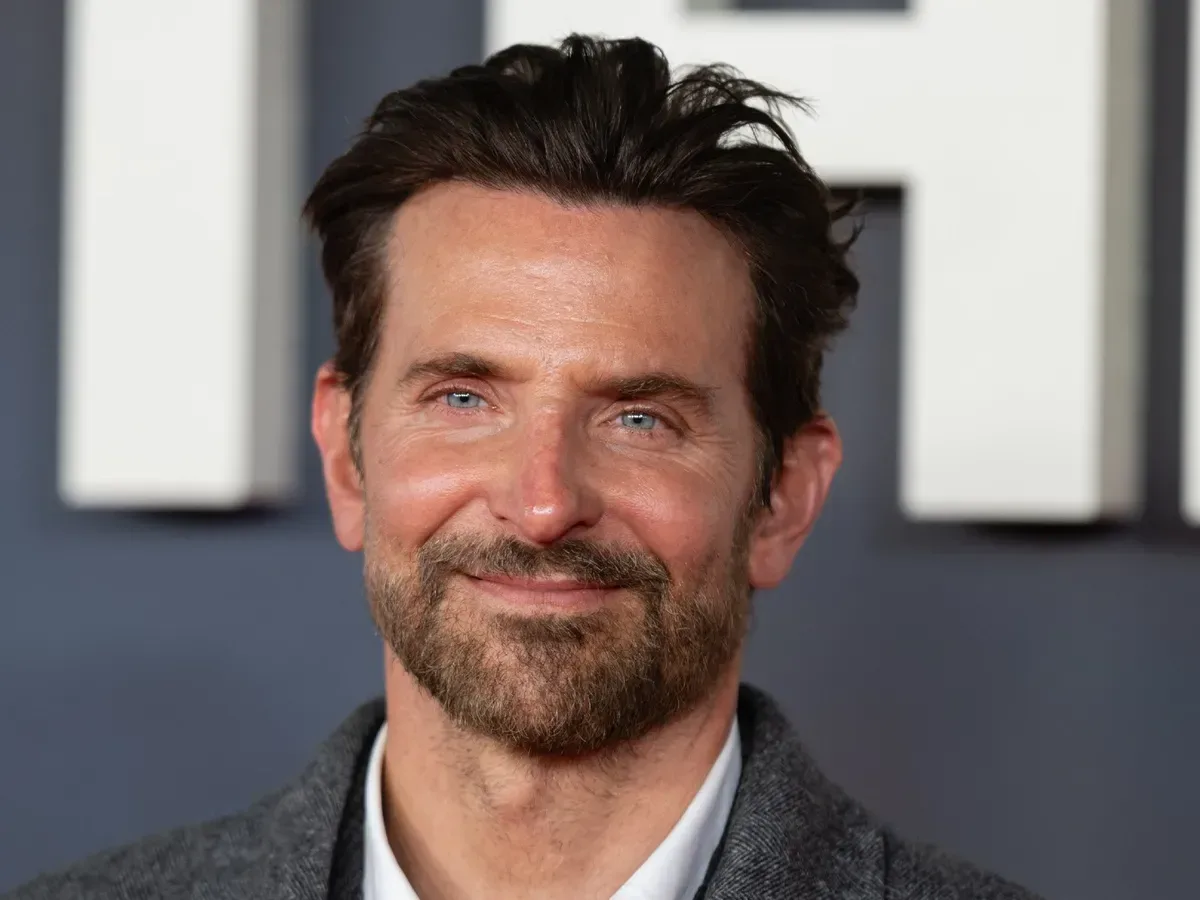
G.I. Joe is returning to theaters on October 20, 2028. The new film will receive a wide theatrical release, with Danny McBride directing and Bradley Cooper set to play Duke, one of the toy-and-screen franchise’s most recognizable characters.
McBride also co-wrote the screenplay with Jeff Fradley and John Carcieri. Lorenzo di Bonaventura, Mark Vahradian and Zev Foreman are producing for Hasbro Entertainment. Beyond Cooper’s role as Duke, plot details have not been disclosed.
A reimagining with a familiar face at its center
The word reimagining is significant here, even if it does not yet explain the movie’s setting, tone, supporting cast or connection to earlier live-action G.I. Joe films. In practical terms, it establishes that the project is being presented as a new take on the property rather than a sequel whose story requirements have been publicly defined by prior entries.
Duke gives that new take an immediate point of recognition. The character is among the franchise’s best-known figures, so casting Cooper as Duke makes clear that this will not be a G.I. Joe project built entirely around unfamiliar recruits. It also leaves a great deal unanswered: there is no confirmed information on the team roster, villains, specific source material, story period or whether other established G.I. Joe characters will appear.
That restraint matters. G.I. Joe has changed forms repeatedly since beginning as a Hasbro toy line, expanding through comic books, animation and three live-action movies. Each format has offered its own version of the concept. The confirmed facts support a new movie built around McBride, Cooper and Duke; they do not yet support assumptions about its exact genre balance, continuity or approach to the larger mythology.
What is confirmed — and what is not
- Release date: October 20, 2028, in wide theatrical release.
- Director: Danny McBride.
- Screenplay: Danny McBride, Jeff Fradley and John Carcieri.
- Star: Bradley Cooper as Duke.
- Producers: Lorenzo di Bonaventura, Mark Vahradian and Zev Foreman for Hasbro Entertainment.
- Unconfirmed details: The premise, additional cast, characters, villains and any relationship to previous films remain under wraps.
For fans, the release date is useful as a calendar marker, but it is not a substitute for those missing creative details. A wide theatrical date indicates a conventional movie-theater launch plan rather than a streaming-only debut. It does not reveal the scale of the film, its rating, runtime, trailer schedule or release territories beyond that theatrical designation.
Danny McBride’s multiple roles give the project a clear authorship point
McBride’s involvement goes beyond directing. As one of the credited screenwriters, he is part of the team shaping the story on the page as well as the person guiding its execution as director. That does not mean every aspect of the finished production can be predicted from his earlier work, nor does it tell audiences whether the film will favor comedy, military action, adventure or another mode. Those choices have not been described.
Still, the combined writing-and-directing credit creates a simple production takeaway: McBride has a central creative role in the reimagining. Fradley and Carcieri share screenplay credit, making this a collaborative script rather than a one-writer effort. Cooper’s confirmed casting as Duke supplies the project’s first on-screen anchor.
Related coverage includes Bradley Cooper’s G.I. Joe Movie Sets October 2028 Release.
G.I. Joe’s cross-media history makes that setup especially interesting. A property that has lived as toys, comics, animation and live-action cinema carries a large catalogue of visual identities and character expectations. But a screen adaptation is not automatically an inventory of every familiar element. Until the filmmakers reveal more, the responsible reading is narrower: Duke is in, Cooper is playing him, and the movie is being developed as a fresh interpretation.
Why the 2028 date fits a broader franchise-focused slate
The G.I. Joe date arrives amid a larger push to make use of a substantial catalog of established properties following the consolidation that brought Paramount and Warner Bros. together. The combined studio has committed to releasing 30 movies annually, while projects involving Transformers, Top Gun, Teenage Mutant Ninja Turtles, Sonic the Hedgehog, Star Trek, Ocean’s 11, Lord of the Rings and Weapons are also in development or on the schedule in various forms.
That does not make all of those titles creatively alike. It does show the strategic value of recognizable names at a time when a major studio is arranging a sizable theatrical pipeline. Familiarity can help a release communicate its broad premise quickly, but it also raises expectations about what a new entry should preserve, alter or restore.
For G.I. Joe, that tension is part of the assignment. The brand already has a defined legacy across several media, while the term reimagining signals room for a different screen approach. The eventual marketing will need to answer questions that the initial announcement deliberately leaves open: what kind of Duke is Cooper playing, what sort of team surrounds him, and what makes this version distinct on its own terms?
Movie schedules are also part of the wider entertainment calendar, not merely isolated dates. The same franchise-centered planning can be seen in games, where companies continually weigh recognizable series against the timing and scope of new features; a recent Battlefield 6 update illustrates how even a single delayed element can reshape audience expectations for an established name. Film production has different rhythms, but the audience-side lesson is similar: a date creates anticipation while the details determine what that anticipation is actually for.
A long runway, and plenty of unanswered questions
October 2028 is far enough away that the current announcement should be treated as an early, foundational update rather than a full picture of the movie. No plot synopsis has been released. There is no named antagonist, no announced supporting cast and no indication of which familiar units or characters may be involved. There is likewise no basis yet to claim ties to a particular comic-book run, animated incarnation or live-action continuity.
What audiences do have is a clean core: a theatrical G.I. Joe reimagining, directed by McBride, scripted by McBride with Fradley and Carcieri, and led by Cooper as Duke. For a property with decades of changing interpretations, those credits establish the people currently defining the next one.
The date also places the movie in an October theatrical window. That positioning is distinct from the nearby franchise scheduling news that moved a new Paranormal Activity film to October 22, 2027. The two films share a period of studio calendar planning, but they are separate projects with different creative teams and franchises.
Until further information is released, the most meaningful expectation is not a presumed plot but a new screen entry that puts Duke back at the center. Whether that ultimately draws most heavily from the toy line’s foundation, comic-book storytelling, animated tradition or an entirely new combination remains one of the major questions for the march to 2028.