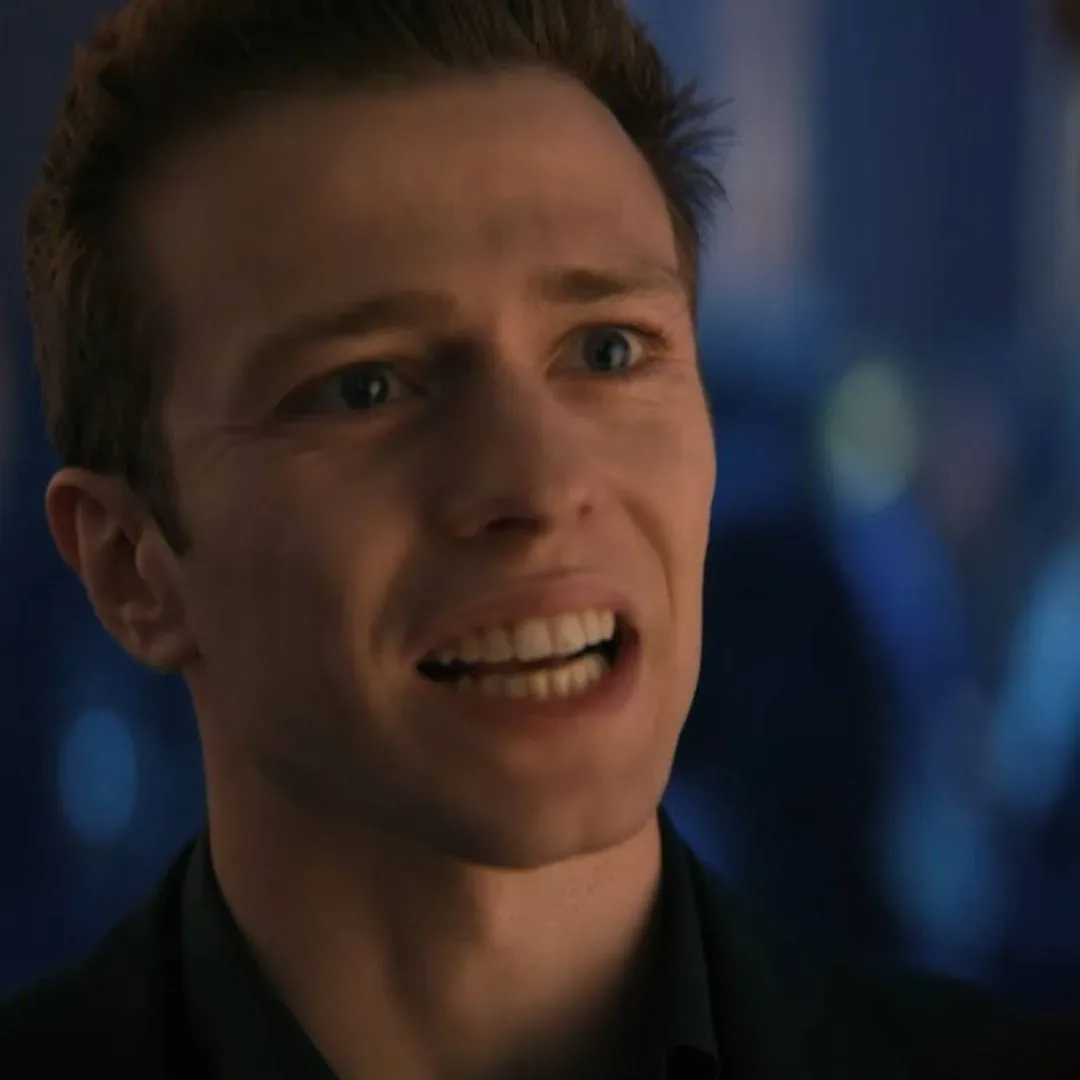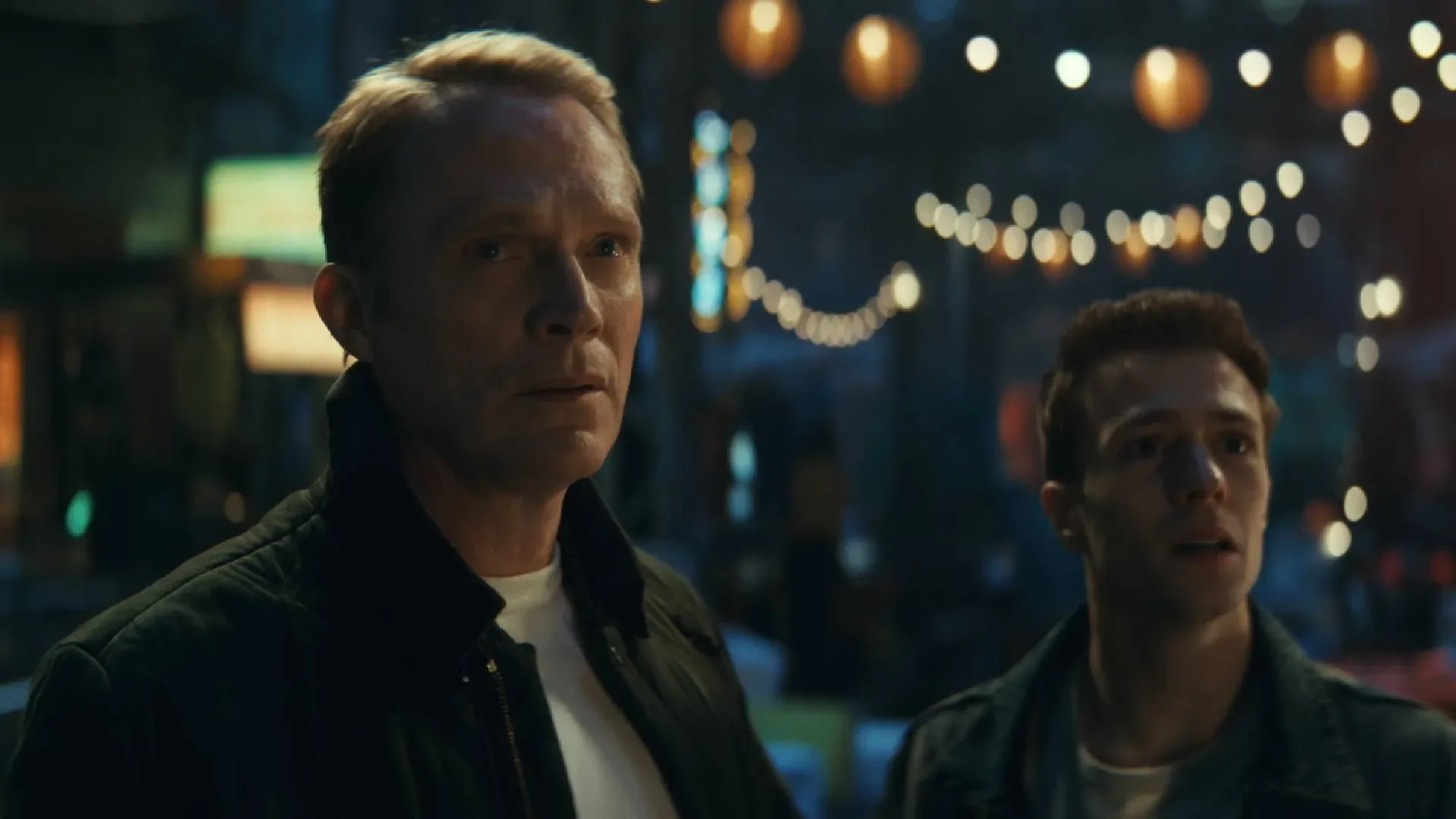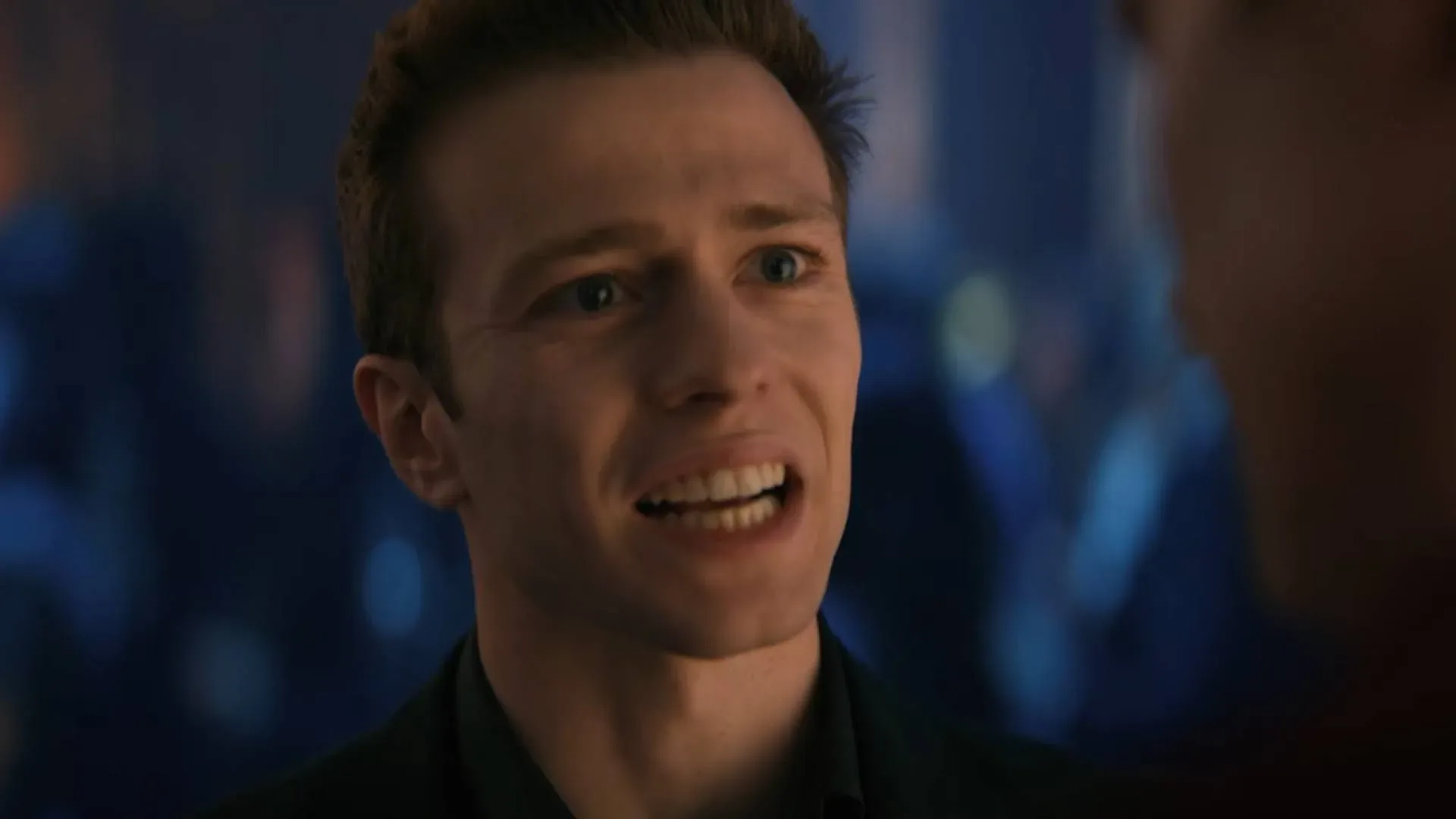
VisionQuest is set to put Tommy Maximoff’s first real steps as a superhero at the center of its story, and actor Ruaridh Mollica has framed that journey through one of superhero cinema’s most familiar images: Peter Parker figuring out how his web-shooting works.
The Disney+ series begins with its first two episodes on October 14. Mollica plays Tommy, also known as Speed, in a story that brings him into contact with Vision, his father, while also placing Ultron back in the family orbit. James Spader returns as Ultron. That setup gives the series more to work with than a simple “new hero unlocks powers” premise. Tommy is discovering himself in a world that already knows what catastrophic superhuman conflict can look like—and he is doing it within a family tree that includes Vision, the Scarlet Witch, and, in a technical but deeply unsettling sense, Ultron.
Why Peter Parker is the useful comparison
Mollica said the superhero stories he responds to most are the ones in which characters are only beginning to understand their abilities. His example was Tobey Maguire’s Peter Parker in 2002’s Spider-Man, particularly the early, awkward experimentation with webs. That comparison points to a version of Tommy’s arc concerned less with polished heroics and more with the uncertain overlap between extraordinary power and ordinary impulse.
“My favorite journey when I watch superhero stuff is when people are figuring out their powers for the first time,” Mollica said. “Like when Peter Parker’s figuring out how his webs work and he’s like shooting them over the lunch hall. Those moments when superpower and human, the line is completely blurred, and you get to imagine yourself as that person, you know?”
That distinction matters. A superhero power can be a spectacle, but the first use of it often works because it is inconvenient, funny, alarming, or emotionally revealing. Peter Parker’s early web experiments remain memorable not simply because he has gained an iconic ability, but because the film lets him react to it like a teenager whose body and daily routine have abruptly stopped following the rules.
Mollica’s description suggests VisionQuest will seek a similar point of connection with Tommy. “Speed” is Tommy’s superhero identity, and the name naturally signals the character’s relationship with extraordinary movement. Yet the dramatic question is not merely what he can do. It is what it means for him to learn it, how he processes it, and how a young person makes sense of a power that can separate him from everyone around him.
In superhero storytelling, that stage is often called an origin arc: the portion of a character’s story in which their abilities, identity, and moral choices begin to take shape. An origin arc does not require a hero to start from absolute zero. Its central feature is uncertainty. The audience watches a character learn the limits of what they can do and, more importantly, the consequences of deciding when to do it.
For Tommy, those questions arrive with significant baggage. He is not growing up in a quiet world that needs to be persuaded superheroes exist. He lives in a reality where the Avengers are known and where the devastation associated with Ultron is part of the world around him. The fantasy of discovering powers is therefore paired with a much harder reality: power already has a history, and that history is not universally hopeful.
A father-and-son story with an artificial-intelligence shadow
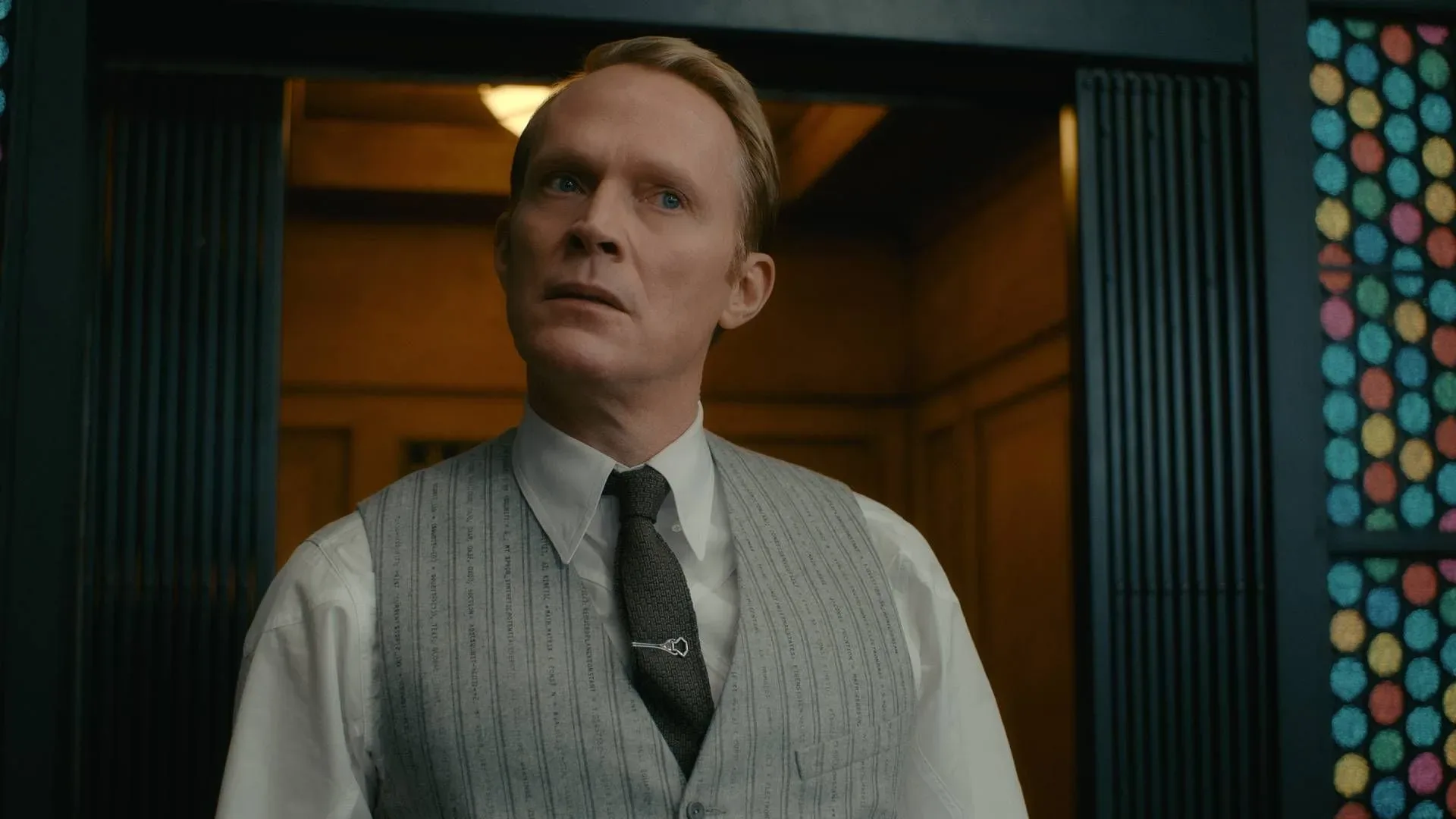
The series’ premise places Vision and Tommy together in what has been described as a father-and-son dynamic. On its own, that is an intriguing foundation for a character who is still finding his place. Vision is not merely a parental figure with advice to give; he is also someone whose own existence is bound up in questions of identity, technology, and family.
Tommy’s own reaction to the family connection is one of disbelief. Mollica said he still finds it surreal that his character’s parents are Vision and the Scarlet Witch. The remark is playful, but it recognizes the unusual emotional terrain that comes with joining an established Marvel family. Tommy’s story is not being introduced as an isolated corner of the MCU. Its personal relationships are inseparable from characters who carry considerable history.
“Tommy Maximoff is so cool, and I still can’t believe my Mum and my Dad are Vision and the Scarlet Witch,” Mollica said.
Then there is Ultron. In family terms, the villain occupies a strange position: he is technically tied to Vision in a way that makes him Tommy’s “grandfather,” even as he remains a dangerous and destructive presence. It is the kind of comic-book family arithmetic that sounds absurd until the emotional stakes are considered. Tommy has inherited a world shaped by Ultron’s actions, and now he has to confront the intelligence responsible for them.
Mollica described Ultron as the figure Tommy finds especially fascinating. Tommy has grown up knowing about Sokovia and has seen a world in which the Avengers exist. He knows Ultron’s reputation and the harm associated with him, but being in the same realm as the villain changes that abstract knowledge into an immediate problem.
“He’s the one that Tommy finds so fascinating,” Mollica said of Ultron. “He’s the one who grew up seeing what happened in Sokovia. He’s in the world where the Avengers exist; he’s seen how horrible Ultron is and suddenly he’s face to face, or in the same realm with him. That comes with a lot of questions.”
Those questions give Tommy’s power-discovery plot a potentially more complicated emotional edge than a standard coming-of-age adventure. A character can be thrilled by his own abilities while also fearing what powerful beings are capable of. He can look to Vision as a father while being forced to reckon with the connection between Vision and Ultron. He can understand Ultron as a historical villain, then discover that a real encounter is less tidy than an inherited story.
What “human and superpower” means for Tommy
Mollica’s phrase about the line between “superpower and human” becoming blurred gets at a lasting appeal of superhero fiction. The abilities may be impossible, but the reaction to them should feel recognizable. Excitement, embarrassment, curiosity, loneliness, recklessness, and the urge to test a new limit are all human responses. The power matters because it intensifies those responses.
That is why the Peter Parker comparison is more revealing than a simple nod to another Marvel character. It sets an expectation of perspective. Tommy may be connected to some of the MCU’s biggest names, but Mollica is emphasizing the point of view of someone who is not yet fully settled into what being a hero means. The compelling material is not only whether Tommy can become Speed; it is whether viewers can feel the strange, exhilarating, and possibly frightening transition alongside him.
There is also an important contrast between discovering a power and mastering one. Mastery implies control, confidence, and an established role. Discovery implies trial and error. The latter can create vulnerability even for a character with formidable potential, because the person using the power may not yet know how it fits into their life or relationships. That vulnerability is where a family story can become especially useful.
Vision’s presence may offer Tommy a connection to someone who understands that identity is not always simple or inherited in a conventional way. Ultron’s presence supplies the opposite pressure: a reminder that intellect, capability, and technological advancement do not automatically lead to empathy or responsibility. The source material does not spell out how the show will resolve those tensions, but Mollica’s comments make clear that Tommy’s interest in Ultron is not casual. It is rooted in knowing what Ultron has done, then encountering him anyway.
Questions the premiere can answer
The October 14 debut will establish how much of Tommy’s arc is devoted to experimentation with his abilities and how quickly the Ultron relationship moves from unsettling concept to direct conflict. The first two episodes are also positioned to show what “father-son bonding” means for Vision and Tommy in practice: whether it is gentle, uneasy, interrupted by danger, or some combination of all three.
For viewers following Marvel’s larger continuity, Tommy’s position brings together multiple strands at once. Vision is the father figure at the center of the show. The Scarlet Witch is central to Tommy’s family identity. Ultron is the looming villain whose connection to Vision makes any encounter more personal. And the wider Avengers world, including the memory of Sokovia, shapes what Tommy already thinks he knows before he confronts Ultron himself.
That kind of interconnected setup can sometimes make a new character feel defined only by familiar names. Mollica’s comments point toward a different possibility: Tommy’s story may use those connections as pressure, while preserving the intimacy of someone trying to understand himself. The more grounded the early power-discovery scenes are, the more weight the larger Marvel mythology can carry without swallowing his perspective.
There is no need for Tommy to reproduce Peter Parker’s exact path for the comparison to be meaningful. The shared idea is the appeal of seeing a young person collide with the impossible and respond in a way that feels immediate rather than ceremonial. In a franchise full of world-ending stakes and established legends, the prospect of a hero still learning what he is capable of can be a welcome place to begin.
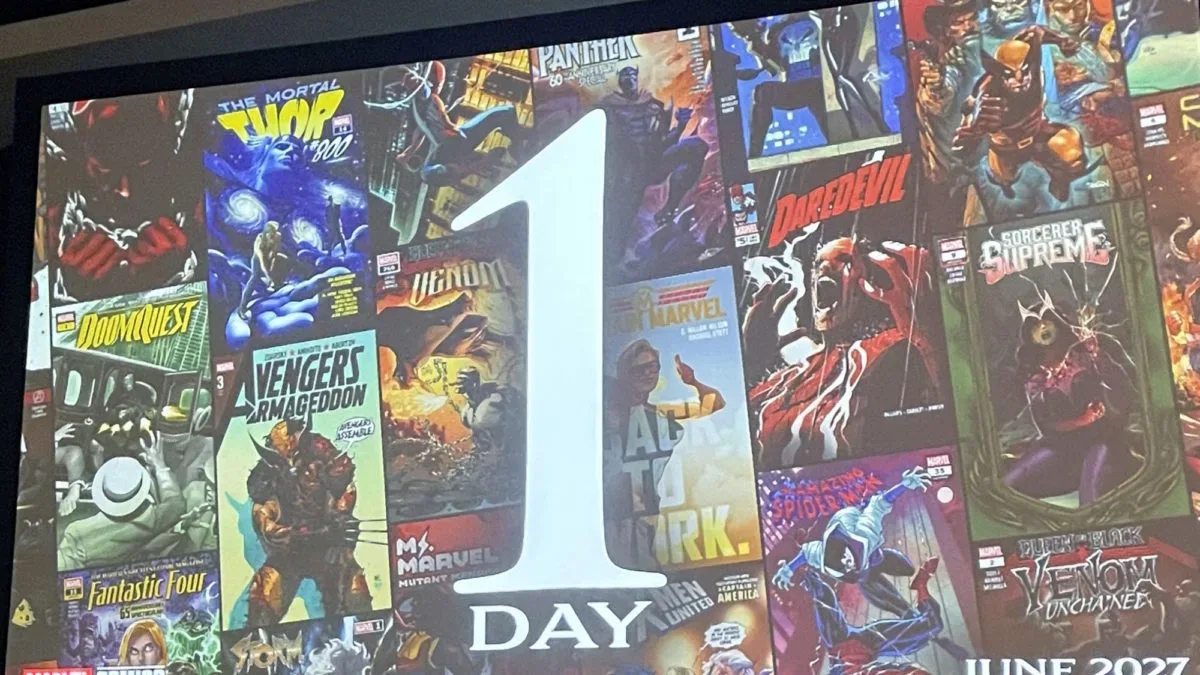
For related Marvel discussion, including a recent Spider-Man continuity tease, see our look at Marvel’s “1 Day” reveal and the questions around Spider-Man’s One More Day reset.
VisionQuest release details
- Series: VisionQuest
- Streaming service: Disney+
- Premiere: October 14
- Episodes arriving first: Two
- Tommy Maximoff / Speed: Ruaridh Mollica
- Ultron: James Spader