Potential spoilers for VisionQuest episode 2 and prior Marvel television stories follow.
Marvel viewers have returned to an old and highly specific pastime: studying the background of a scene as if a flat cap were a subpoena. A figure who appears twice during VisionQuest’s London-set second episode has sparked speculation that Billy is already keeping tabs on Tommy, his brother.
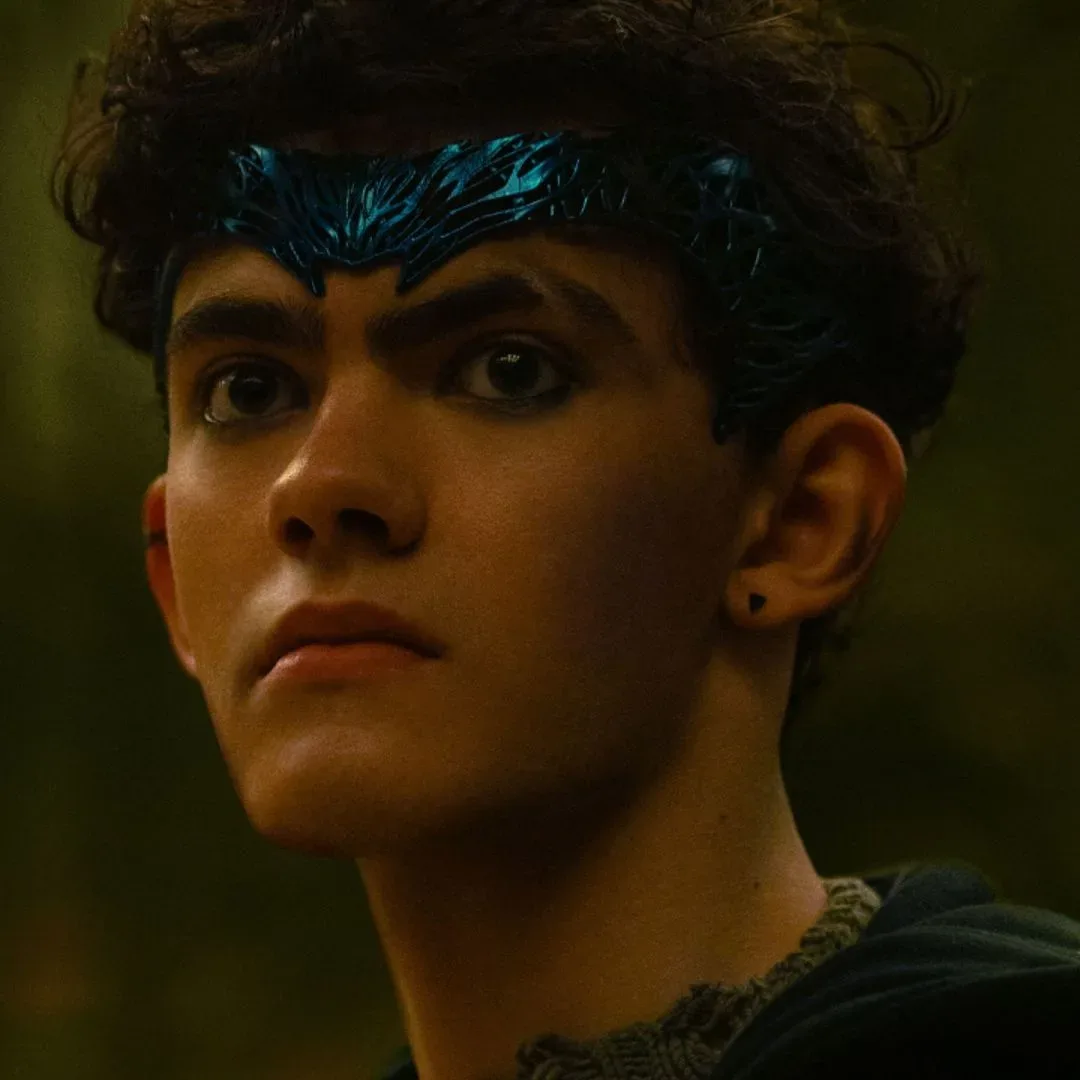
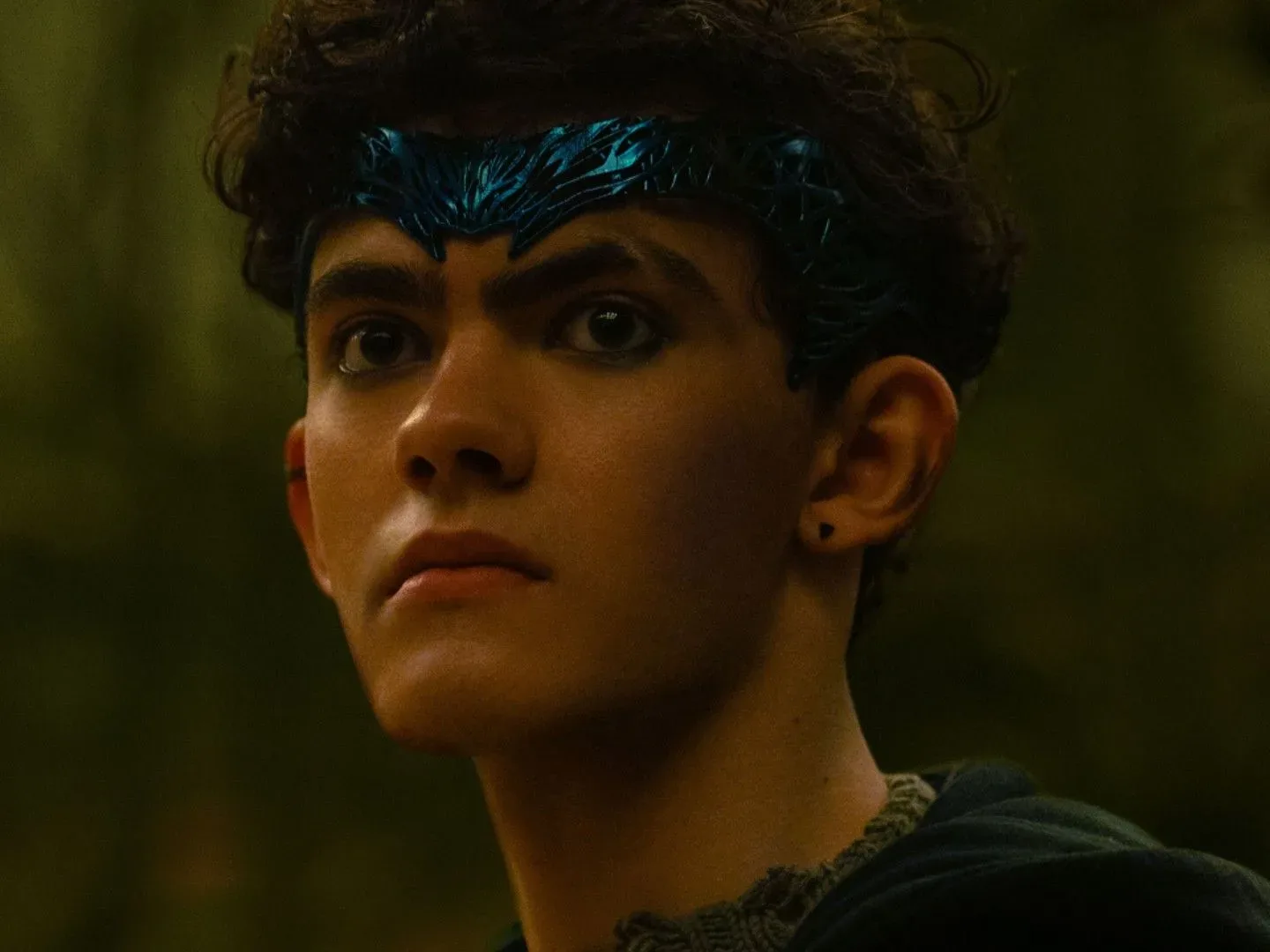
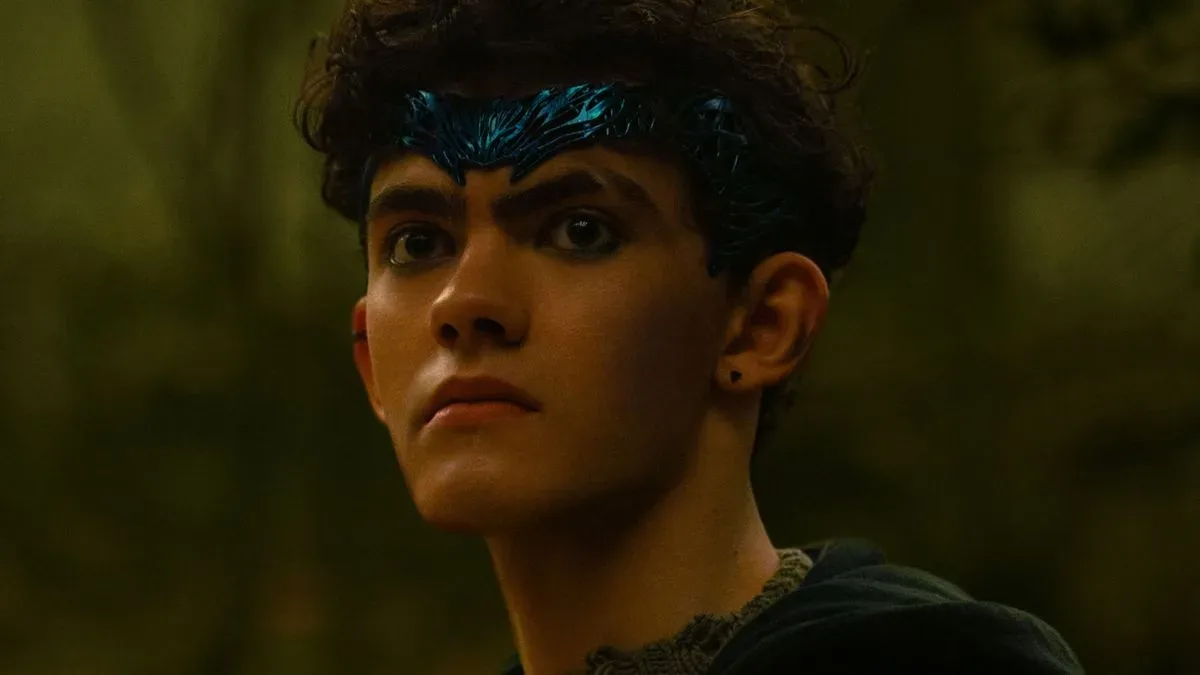
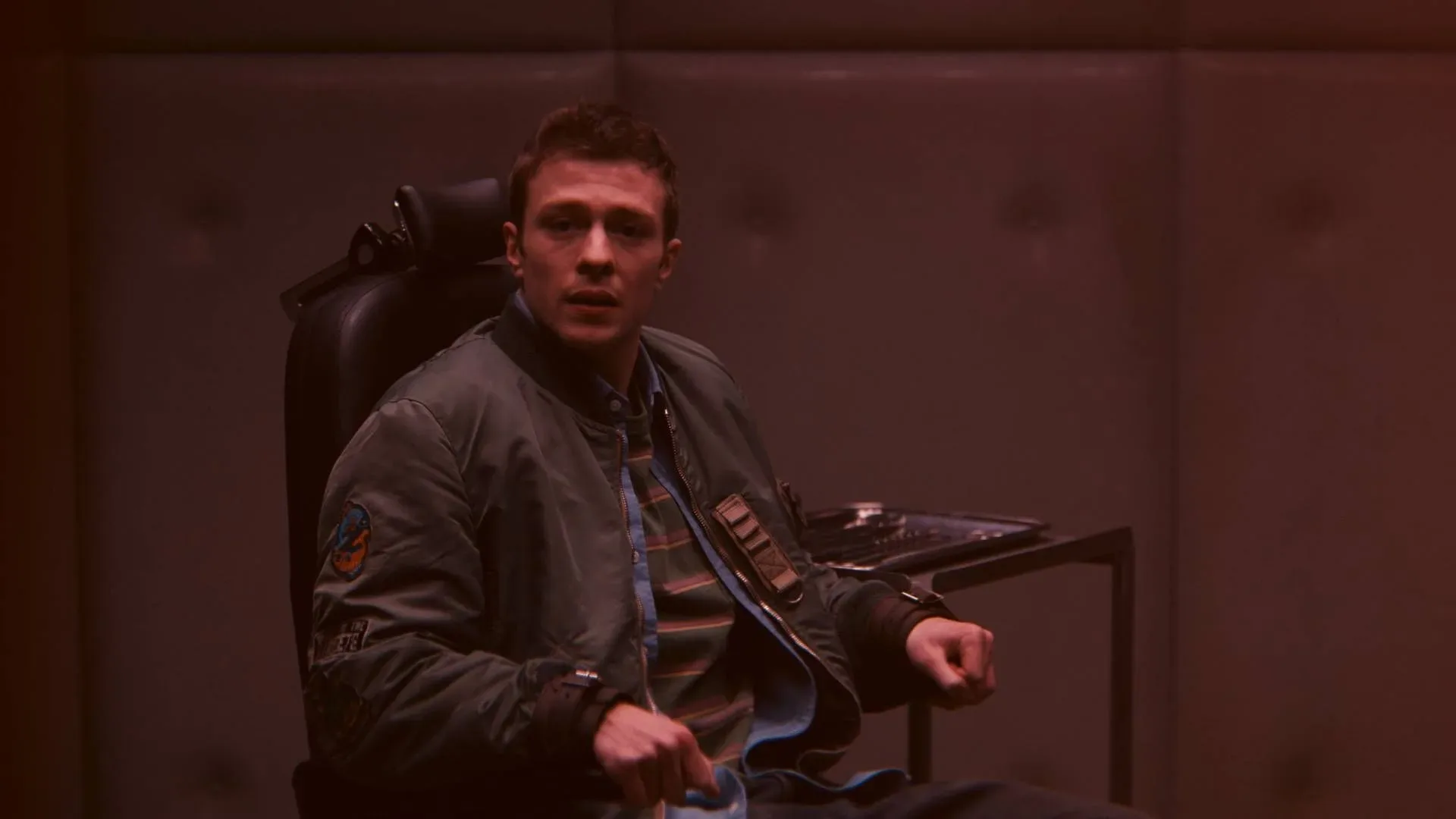
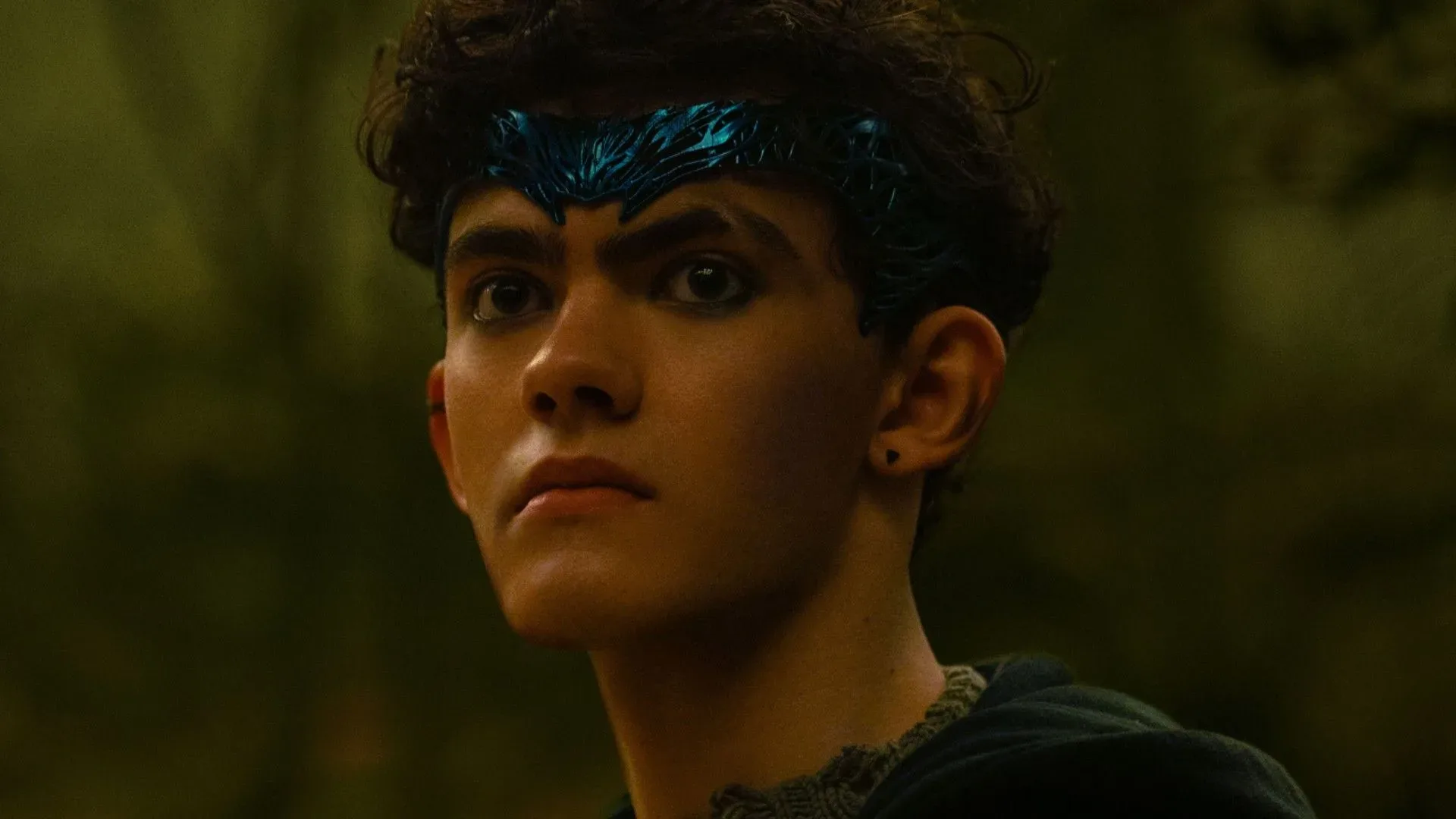
The theory centers on scenes around Borough Market in which Tommy, played by Ruaridh Mollica, is involved in a small-time scam and pickpocketing. In the background, fans have noticed a person in a coat and flat cap on two occasions. The figure’s apparent resemblance to Joe Locke has led to the suggestion that it is Billy rather than an incidental passerby.
That is an intriguing read of the footage, but it is important to separate what can be seen from what has been confirmed. The episode includes a background figure whom viewers believe looks like Locke. It does not, on that evidence alone, establish the character’s identity, motives, or even that the person is Locke at all. The potential appearance has not been confirmed within the material available here.
Still, this is not speculation built entirely from a blurry outline and a determined pause button. Mollica has indicated that he and Locke filmed Marvel material together before they appeared in the West End play Clarkston. That comment makes shared screen time plausible. It does not specify a project, scene, character interaction, or whether the alleged background sighting is the material he meant, but it gives the theory a stronger foundation than a resemblance by itself.
For more on why Mollica’s remarks became part of this conversation, see the earlier look at the questions raised by his VisionQuest comments.
What viewers think they spotted
The argument is straightforward. Tommy is moving through a public London location while carrying out low-level deception and theft. A coat-and-cap-wearing observer can reportedly be spotted more than once during these sequences. Rather than treating that presence as ordinary crowd dressing, viewers have connected it to Billy, the character played by Locke.
Repeated placement is the key detail in the theory. Background performers are a normal part of location shooting, especially in a busy market setting. A recurring individual can nevertheless draw attention when a series has a reason to keep one character hidden from another, or from the audience, until a later reveal. The claim is therefore not simply “someone looks familiar.” It is “a familiar-looking person appears more than once in scenes specifically involving Tommy.”
That distinction makes the observation worth discussing, even if it is far from proof. A visual easter egg is a deliberately planted detail, reference, or cameo meant to reward attentive audiences. A suspected easter egg remains a suspected easter egg until the show makes it meaningful or the production confirms it. It may instead be a recurring extra, a continuity coincidence, or a performer whose resemblance has done a lot of work for the internet.
Why Billy following Tommy would matter
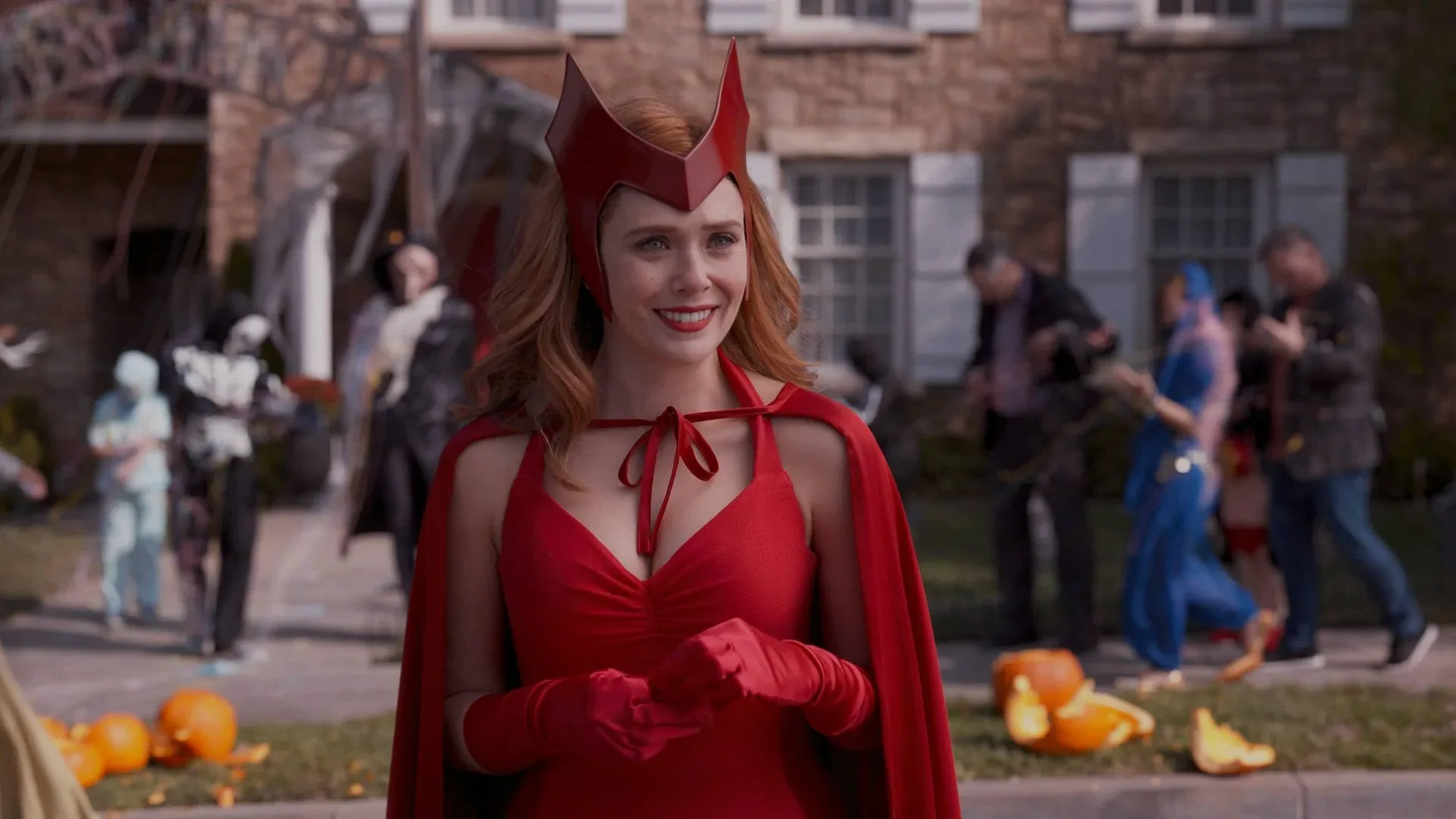
VisionQuest is already operating in the shadow of Wanda and Vision’s family story. Billy and Tommy are central to that emotional territory, and a scenario in which Billy silently observes Tommy would immediately establish a relationship dynamic without requiring an early face-to-face reunion.
It would also suggest a difference in where the two characters are at emotionally. Tommy’s reported activity in the episode places him in an unstable, street-level situation. If Billy is nearby, watching rather than approaching, the show could be setting up questions of recognition, caution, guilt, or uncertainty. Does Billy know Tommy is his brother? Does Tommy know Billy is there? Is Billy protecting him, investigating him, or simply trying to decide whether he should make contact?
Those are questions, not confirmed plot points. But they show why a quick background glimpse has landed so strongly. A reunion scene can be dramatic; a possible surveillance scene is a narrative fuse. It delays the answer while making every later interaction feel more loaded.
There is also a practical storytelling advantage to a background appearance. It lets a series introduce the idea of Billy’s proximity without immediately resolving the family thread. Audiences familiar with Locke’s prior Marvel role will scan the scene differently. Audiences who miss the possible cameo can still learn what matters later, if the show chooses to reveal it. That is the kind of layered construction serialized mystery shows often invite viewers to interrogate.
The WandaVision comparison is about the viewing experience
The appeal of the theory owes much to the habits formed by WandaVision. That series encouraged week-to-week scrutiny of tiny details: a name, a credit, an object, a phrase, or an unexplained disruption could feel like a clue to a larger truth. The discussion around VisionQuest has revived that same frame-by-frame energy.
This does not mean every mysterious figure is destined to become a major reveal. Mystery-driven viewing can create a useful tension between evidence and expectation. Evidence is what the episode visibly presents: Tommy in London, the suspicious repeated figure, and the apparent resemblance noted by viewers. Expectation is what fans build from prior Marvel stories: that Billy and Tommy may connect, that Wanda’s absence may remain meaningful, and that a background detail could lead to a larger family development.
Keeping those categories separate is especially useful in franchise television. A universe with many continuing characters encourages viewers to make connections, and often rewards them for doing so. But a convincing theory is not a spoiler, a cast confirmation, or a guarantee that an anticipated character arc will unfold in a particular way.
Mollica’s comment gives the idea its most concrete support
The strongest support comes from Mollica’s statement about having filmed Marvel work with Locke before the pair performed in Clarkston. It establishes that the actors have worked together on Marvel material. Since Locke was last seen in Marvel television alongside a ghostly Agatha in Agatha All Along, the possibility of Billy crossing into VisionQuest fits the broader continuity suggested by the available facts.
Yet even that statement has clear limits. It does not confirm that Locke appears in episode 2. It does not say the two actors shared a scene as Billy and Tommy. Nor does it explain whether the work was retained in a released episode, filmed for a future installment, or connected to another production. The comment helps explain why the fan theory has traction; it cannot settle it.
“We shot our MCU stuff before we did the play [together],” Mollica said when discussing his and Locke’s work.
That restrained reading is more satisfying than treating a single clue as a completed answer. If VisionQuest is indeed building toward a Billy-and-Tommy meeting, the uncertainty is part of the point. The episode may be inviting its audience to notice that somebody is close by without yet explaining why.
Wanda remains the larger unanswered presence
The potential Billy sighting is also attracting attention because VisionQuest has already included a Wanda reference. Even without a confirmed Scarlet Witch return, Wanda continues to loom over the characters and circumstances surrounding Vision. A story involving Vision and their sons naturally raises the emotional stakes around her absence.
It is tempting to turn that into a chain of assumed events: Billy follows Tommy, the brothers reunite, Vision reunites with them, then Wanda returns. At present, only the first step is even being argued from on-screen imagery, and that step remains unconfirmed. The rest is audience hope and narrative possibility.
That does not make the speculation pointless. It identifies the family question at the center of the show’s intrigue. Vision, Billy, Tommy, and Wanda are linked by a history that viewers have already watched become complicated, painful, and unresolved. A small visual detail can matter because it points back toward that larger emotional map, not merely because it might deliver a cameo.
How to watch the clue without overcommitting
- Look for repetition: The case depends on the figure appearing twice, not on a single indistinct frame.
- Separate likeness from identity: A resemblance to Locke is not confirmation that the person is Locke or Billy.
- Use the cast comment carefully: Mollica’s remarks support the possibility of shared Marvel work, but do not identify an episode or a scene.
- Wait for narrative payoff: If the figure matters, a later episode may clarify why Billy would be near Tommy.
- Avoid treating theories as leaks: The currently available details support discussion, not certainty.
For now, VisionQuest episode 2 has accomplished something that Marvel’s most puzzle-friendly shows do well: it has made a coat, a cap, and two background appearances feel like a possible doorway into a much bigger story. Whether the figure is Billy, a deliberate misdirect, or simply a very unfortunately familiar-looking London pedestrian remains unresolved. The evidence is interesting; the verdict is still out.