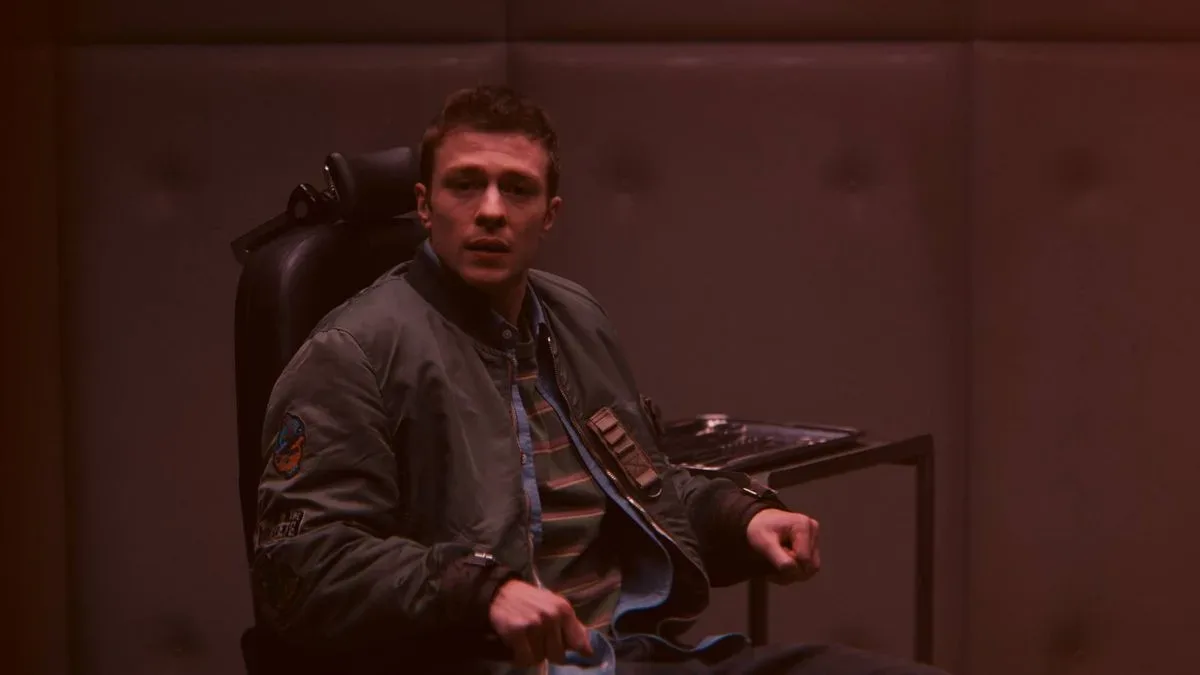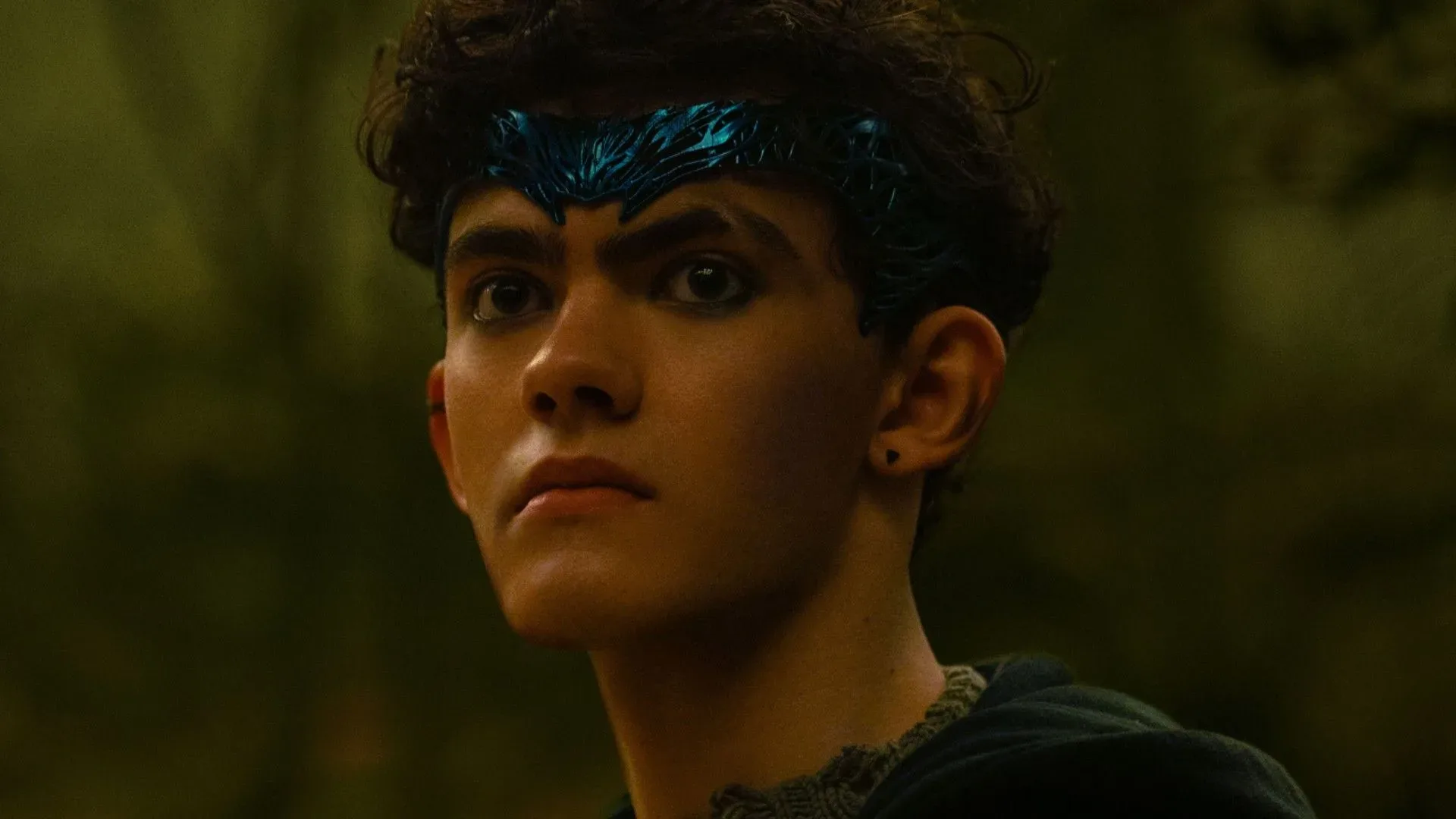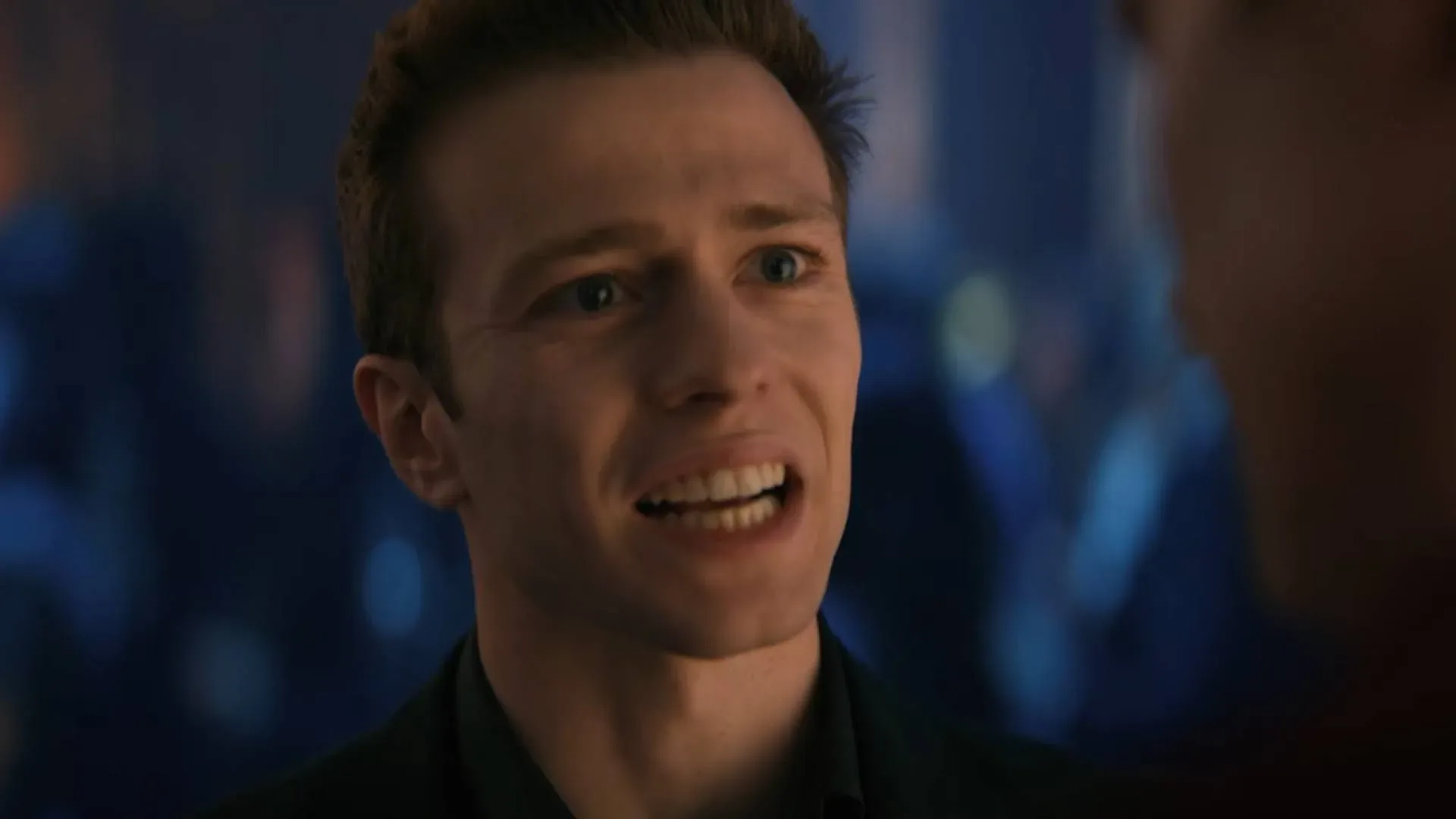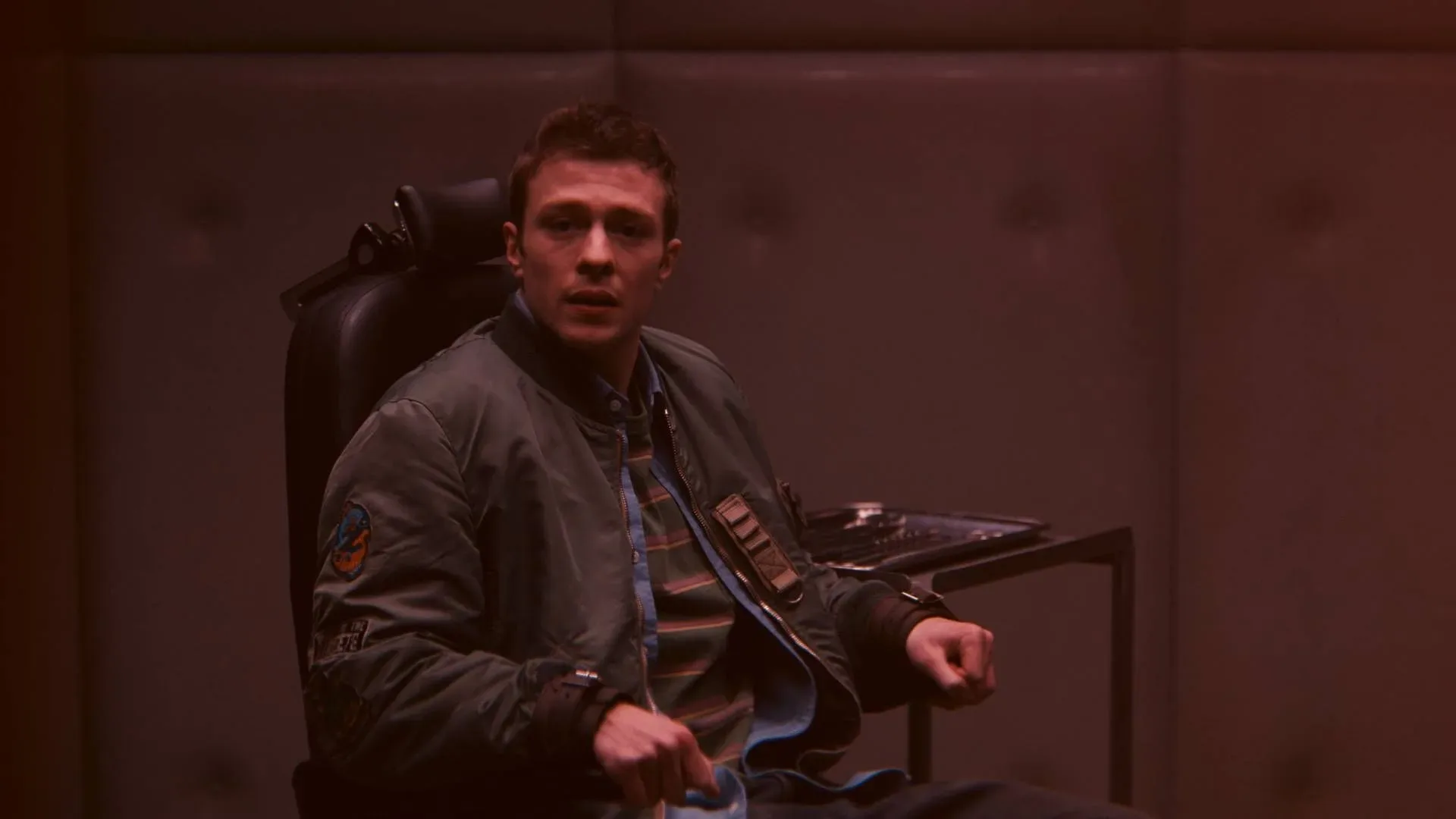
Marvel viewers have turned a few comments from Ruaridh Mollica into the latest VisionQuest mystery. Mollica, who plays Tommy Shepherd, discussed meeting Joe Locke before the pair worked together in a West End play and said they had filmed their Marvel work beforehand. That wording has prompted speculation that Locke’s Billy Kaplan could appear in the Disney Plus series.
It is an understandable theory, particularly because Tommy and Billy are identified as brothers in the MCU setup described so far: Tommy is the son of Vision and Wanda, while Locke plays Billy Kaplan. But it remains a theory, not a confirmation. Mollica’s comments establish a production timeline for their respective Marvel work; they do not explicitly say that he and Locke filmed a scene together for VisionQuest.
That distinction is doing a great deal of work here. In a franchise where a carefully edited trailer frame can launch weeks of discussion, an actor saying “we shot our MCU stuff” can sound like the beginning of a major reveal. It may simply mean both actors had completed their separate Marvel shoots before beginning the play. Until an episode resolves the question, viewers should treat the alleged Billy cameo as plausible fan inference rather than settled casting news.
What Mollica actually said
Mollica recalled that he and Locke met for coffee before their stage collaboration, saying that their Marvel work had already been filmed by that point. He described the two as quickly becoming friends, then explained that they went on to perform together while a “big secret” gradually became known to fans.
“We actually shot our MCU stuff before we did the play,” Mollica said when discussing the timing of their work.
His recollection also describes fans making Marvel-related art at the stage door during the theatrical run. That part makes clear that interest in the actors’ shared Marvel connection was already building. It does not, however, identify a scene, an episode, a character appearance, or a specific piece of story information from VisionQuest.
There are two readings of the statement:
- The cameo reading: Mollica and Locke filmed material connected to one another before the play, implying Billy may turn up alongside Tommy in VisionQuest.
- The timeline reading: Each actor filmed Marvel material independently before the play, and Mollica used broad shorthand to describe that shared period of work.
The second reading is not as exciting, but it fits the available words just as comfortably. Nothing in the comments confirms that the actors were on the same set, performed opposite each other, or worked on the same episode.
Why this has become a spoiler conversation
A spoiler is not simply any detail that fans did not know. In practice, it is information that reveals a story event, a surprise character appearance, or another narrative development before the audience reaches it. Mollica’s remarks are generating spoiler chatter because they might be interpreted as pointing to the return of an established character. The vital word is might.
Fans on social media have jokingly treated the remarks as a major leak, even comparing Mollica’s apparent openness to the long-running internet joke about Tom Holland accidentally giving away Marvel details. The humor works because Marvel productions are commonly associated with secrecy, and because fans are accustomed to parsing press interviews for tiny indications about casts and connections.
But a social-media reaction is not corroboration. Fans can be very good at spotting a meaningful clue, yet a theory becoming popular does not make it confirmed. The most responsible reading is that Mollica has offered a detail with enough ambiguity to fuel discussion, while the show itself has not yet supplied the answer.
Why Tommy and Billy make the idea compelling
The theory has traction because the two characters are already framed as family. A Billy appearance would not feel like an unrelated celebrity drop-in; it would potentially connect directly to Tommy’s place in the story. That emotional and narrative logic is why a single broad comment can attract more attention than a standard anecdote about two actors becoming friends.
Still, narrative logic is different from production evidence. Stories often establish connections that are not immediately explored onscreen, and actors can share an overall franchise without sharing a sequence. Viewers should avoid assuming that a relationship described in character background automatically guarantees a reunion in the next episode.
The better question is not “Would Billy appearing make sense?” It plainly could. The question is “Did Mollica’s wording verify that it will happen?” On the supplied evidence, the answer is no. It suggests a possibility, nothing more definite.
What “cameo” would mean in this case
A cameo generally means a brief appearance by a recognizable actor or character, often intended as a surprise or connective moment. Fans use the term broadly, though an appearance could range from a short scene to a more consequential guest role. There is no detail here about the size, purpose, or even existence of any potential Billy appearance.
That uncertainty matters. Even if Locke were eventually seen in VisionQuest, the present comments would not tell audiences whether he has a one-scene appearance, a recurring role, or involvement in a larger plot. Treating every possible appearance as confirmation of a sweeping crossover tends to create expectations the available information cannot support.
It is also worth separating production order from release order. Productions may film material before another project begins, while audiences receive that material much later through weekly releases. Mollica’s comment concerns when the Marvel work was shot relative to the play. It does not specify when any particular scene is meant to appear for viewers.
What viewers can reasonably watch for
VisionQuest is continuing with weekly episodes on Disney Plus, so the show should provide a direct answer before long if Billy is part of its story. Until then, viewers who want to preserve surprises have a straightforward choice: avoid social discussions that frame the theory as established fact, and let the episodes do the confirming.
For those who enjoy the detective work, there is still a useful line to hold. Mollica’s anecdote is a clue only in the loosest sense. It supports the fact that he and Locke had both done Marvel filming prior to their West End engagement. It does not support claims about a filmed reunion, a release date for one, or a specific plot beat.
That measured approach also makes the eventual reveal more satisfying. If Billy appears, the interview will look like an accidentally revealing bit of context. If he does not, the comments will remain exactly what they are now: a warm account of two actors meeting, becoming friends, and navigating the attention that came with their Marvel association.
The broader appeal of a carefully handled mystery
Part of the fun of ongoing genre television is the interval between episodes, when viewers compare notes without yet having a definitive answer. There is a difference, though, between enjoying a possibility and reporting it as a certainty. Serialized franchises especially invite audiences to connect characters, production comments, and future-story potential. That participation is part of the experience, as another recent discussion of evolving screen canon shows in this look at how a television story can work within and reshape established continuity.
In this case, the evidence is deliberately small. Mollica and Locke had Marvel work completed before their stage play. Fans were aware of a shared secret during that run. Tommy and Billy have a familial connection in the stated MCU context. Everything beyond those points—including a Billy Kaplan appearance in VisionQuest—is anticipation.
So, has Mollica taken the fictional “Marvel spoiler crown” from Tom Holland? Fans can enjoy the joke. For now, though, he has not clearly spoiled anything. He has delivered the more familiar franchise-interview outcome: one imprecise but intriguing sentence, followed by a great deal of enthusiastic detective work.