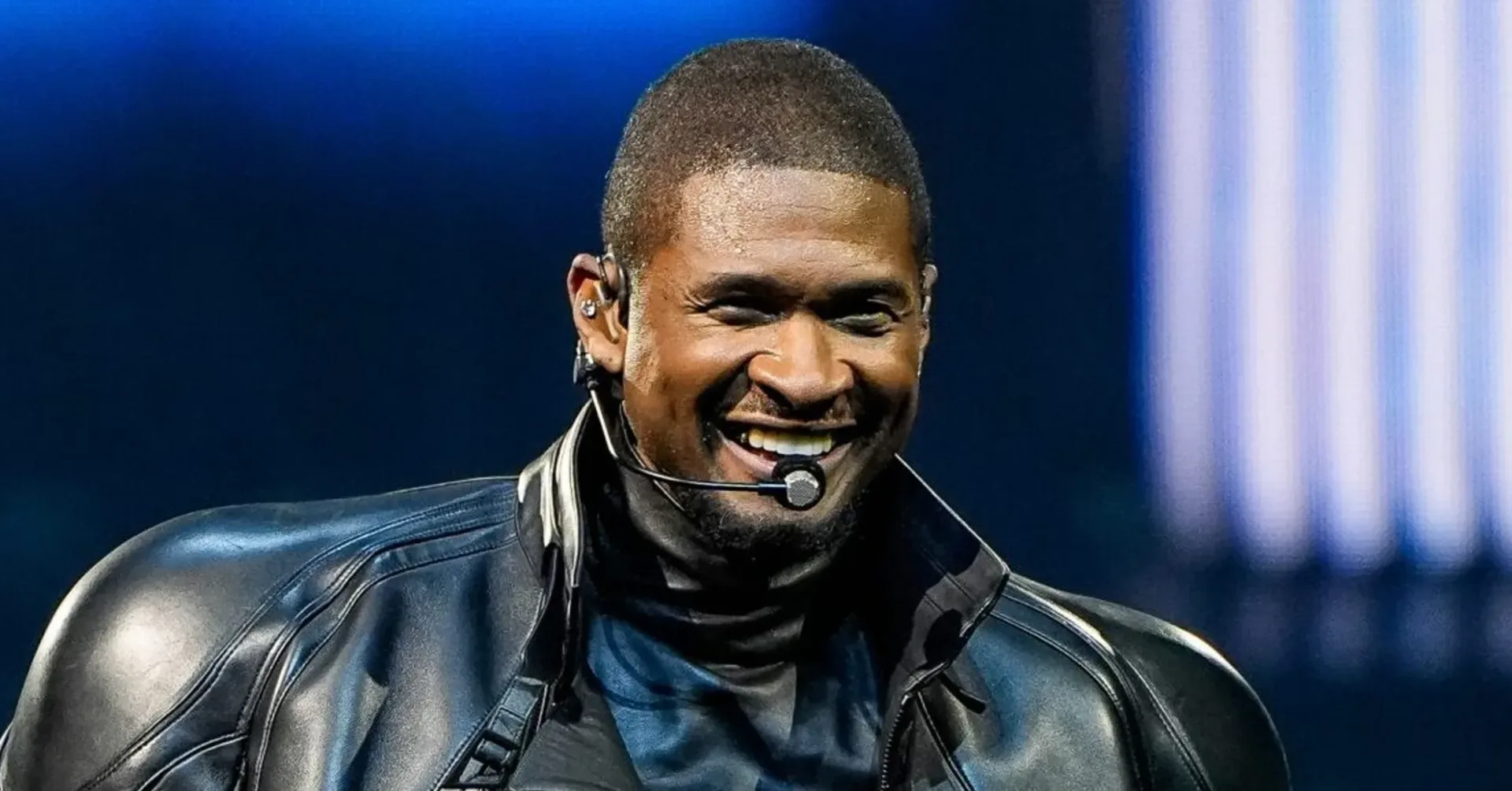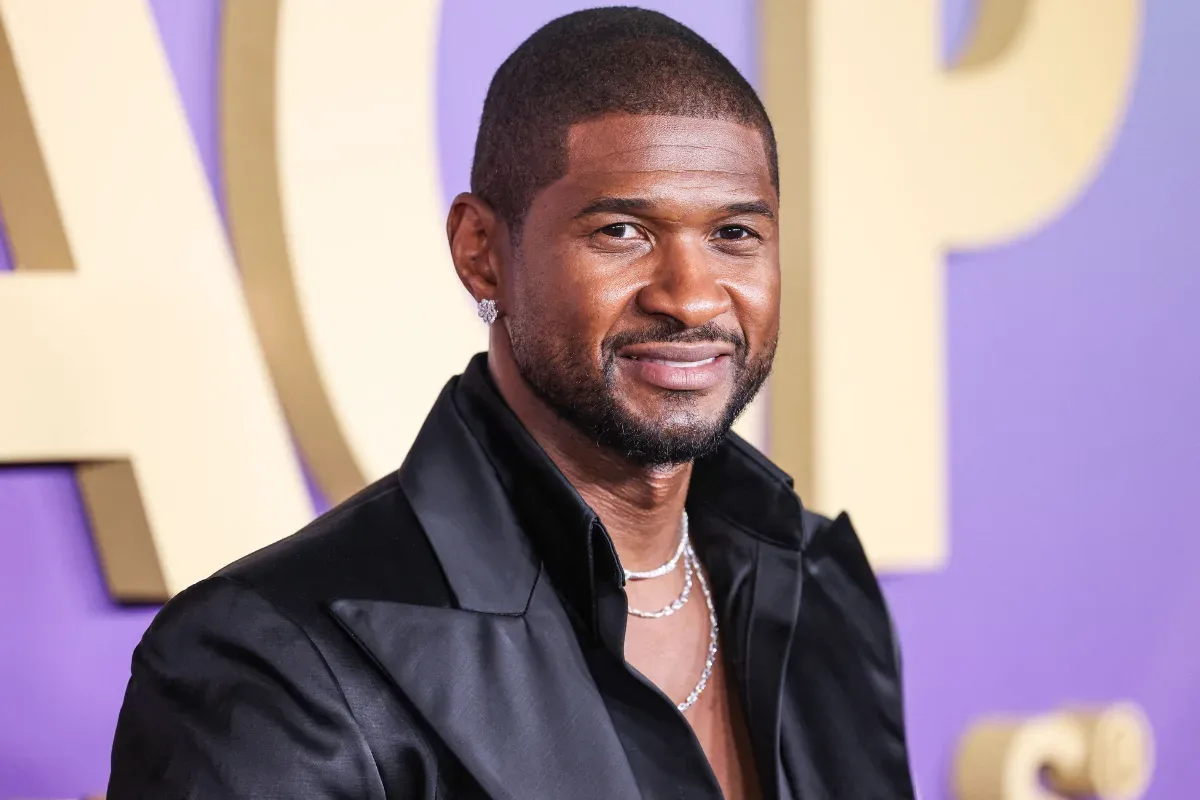
Five undergraduate students at the USC Thornton School of Music are beginning a paid yearlong route into the machinery behind major live events. Usher’s New Look and USC Thornton have launched the Founding Fellows program, an initiative built around exposure to touring, production, venues, artist management and the business operations that make large-scale shows possible.
The fellows were selected through a competitive application process. Each student receives a stipend, while the program also provides support for travel and an individual culminating project. Their work began in September with a leadership session led by New Look co-founder Shawn H. Wilson, followed by a visit to the R&B Tour at SoFi Stadium, where they learned alongside interns already embedded in the touring operation.
The central idea is broader than placing a student at one desk or within one department. Each fellow is expected to pursue a personal question through several corners of the live-entertainment business, using those experiences to identify where their interests and skills may fit. The group is set to complete individual projects in spring 2027 that connect what they learned with how they intend to apply it.
A fellowship designed around the work audiences do not see
For a concertgoer, a stadium show can appear to be a straightforward exchange: an artist walks onstage, music is performed, lights and video move in sync, and the crowd goes home. In practice, the performance sits atop a network of specialized jobs. Touring involves moving people and equipment between dates. Production concerns the technical and logistical process of constructing the show. Venue operations deal with the physical site and its day-to-day readiness. Artist management concerns the business and career side of an artist’s work.
The new fellowship’s value is in making those connected roles visible to students who may know they want a career in music or entertainment but have not yet identified a particular lane. A conventional internship can offer meaningful entry into one team. This program is structured to let participants compare several environments before they commit too early to a narrow definition of what working in live music means.
That matters because technical, creative and business responsibilities can overlap at a show while still requiring different strengths. A person interested in audio may gravitate toward how sound is carried through a venue. Someone drawn to wardrobe may be focused on performance presentation and preparation. Multimedia work may involve visual storytelling and documentation. Venue operations can center on the practical circumstances that allow an audience experience to happen at scale. The Founding Fellows model does not present those areas as interchangeable; it gives students a chance to understand how they operate alongside one another.
Paid participation and travel support change the shape of access
The program’s stipend and travel support are significant features, not decorative additions. Learning across multiple live-entertainment settings requires time, transportation and the ability to take part in experiences beyond a campus classroom. By funding the fellows and their trips, the program is designed to make sustained participation more feasible while putting the final project in the hands of each student.
That final project also creates a useful distinction between simply observing an industry and processing what was observed. The fellowship is not described as a single work placement with one predefined output. Instead, students will build projects informed by the questions they chose to pursue. The result could help each participant articulate a direction, rather than merely list a set of places visited.
Related coverage includes Usher’s New Look and USC Thornton Launch Paid Live Entertainment Fellowships.
There is a practical career lesson in that structure. Live entertainment is often discussed through visible performers and headline venues, but entry-level workers benefit from being able to explain their own role in a production ecosystem. A project rooted in real exposure can give a student a clearer vocabulary for that conversation: what they noticed, which problems held their attention, and which kinds of teams they want to join.
How the program builds on New Look’s touring work
The fellowship follows earlier New Look training activity centered on jobs beyond the stage. During Usher and Chris Brown’s stadium run, a touring internship placed young people in audio, wardrobe and multimedia roles. After two and a half months across 18 tour stops, six interns were hired. Their work included running cables, preparing stage equipment and photographing fans.
Those duties offer a grounded picture of the work that can disappear behind a finished concert. Running cables is fundamental physical and technical labor: the connections that help equipment communicate and operate have to be placed and managed. Preparing stage equipment is a reminder that a show depends on readiness before the artist performs. Photographing fans documents the audience side of the event, which is part of the broader experience a tour creates around the performance itself.
One of the prior interns, Mi’Cai Haywood, was already studying at USC Thornton. The Founding Fellows program now establishes a separate path for university students while bringing them into contact with young professionals from Atlanta and Detroit. That cross-city element may be especially useful because it frames live entertainment as an industry with multiple local ecosystems rather than one isolated campus-to-job pipeline.
The earlier internship outcomes should not be treated as a guarantee that fellowship participants will receive jobs; no such outcome has been stated for the new program. What they do show is that New Look’s prior training model involved tasks with direct connection to a working tour and led to hires for some participants. The fellowship expands the educational side of that approach by adding longer-term exploration, travel and independent projects.
Detroit and Las Vegas visits point to different sides of the business
Organizers are developing a November visit to Detroit around the Motown Museum, Michigan Central and Detroit Spark Lab. The planned trip links music history to present-day training and technology. That combination is important: studying a musical legacy is not the same thing as acquiring current professional skills, but the two can inform one another when students consider how a city’s cultural past connects with its future-facing spaces.
The fellows are also expected to visit Los Angeles as part of the program. Details of that stop have not been specified, so its exact focus remains unclear. Still, the planned sequence suggests an approach built around place-based learning: students encounter different institutions and working contexts rather than absorbing every lesson in the same setting.
An early-2027 Las Vegas visit is planned around Metallica, Live Nation and Sphere. The stated emphasis is immersive live shows and the teams responsible for sound, images, production and venue operations. “Immersive” in this context refers to a show experience built from more than the performance alone, with sound and visual systems playing a central role in how the audience receives it.
For students, that makes Las Vegas a fitting case study in coordination. Sound, images, production and venue operations are distinct areas, yet an audience experiences them as one event. If any one part is out of step, the seamless impression of the show can be affected. Learning how those departments relate is valuable even for fellows who ultimately choose a single specialty.
It also reinforces why the program’s cross-functional design is more than a tour of impressive facilities. The fellows are being asked to look past the headline names and examine the people, systems and decisions involved in delivering a live experience. That perspective aligns with New Look’s stated focus on jobs that sit beyond the stage.
What the fellowship can mean for students exploring entertainment work
The Founding Fellows program offers an alternative to the idea that success in entertainment begins only with performing. A live show needs performers, but it also needs people who understand production workflows, equipment preparation, audience-facing documentation, artist-side business considerations and venue functions. For students deciding where to aim, exposure across those areas can be as useful as early specialization.
Its timing is notable as well. The fellows began with a leadership session before moving into a stadium-tour setting, and the coming schedule mixes industry visits with an eventual personal project. That sequence creates room for reflection between experiences. Instead of treating every stop as a résumé line, students can use one encounter to refine the question they bring into the next.
For aspiring professionals, a useful takeaway is that curiosity can be concrete. Rather than asking only, “How do I work in music?” a student might ask what kind of problems they want to solve: technical delivery, visual presentation, event operations, artist support or another function within the overall show. The fellowship’s personal-question model is designed to give participants evidence with which to answer that larger career question.
Live events also remain an important part of the wider music conversation, including the audience etiquette and experience surrounding performances. That audience-facing dimension has recently surfaced in other concert discussions, including a performer’s request for fans to stop raising a personal loss during shows. The Fellows program, by contrast, directs attention toward the professionals whose planning and labor shape the environment in which those audience moments take place.
The first cohort now has a clear runway through spring 2027: continued learning across live-entertainment sectors, planned visits to different cities and a final project that draws the experiences together. The scope is ambitious for five students, but deliberately small cohorts can make room for individualized questions. In this case, the objective is not simply to show students how a concert happens. It is to help them recognize which part of making it happen could become their own career.