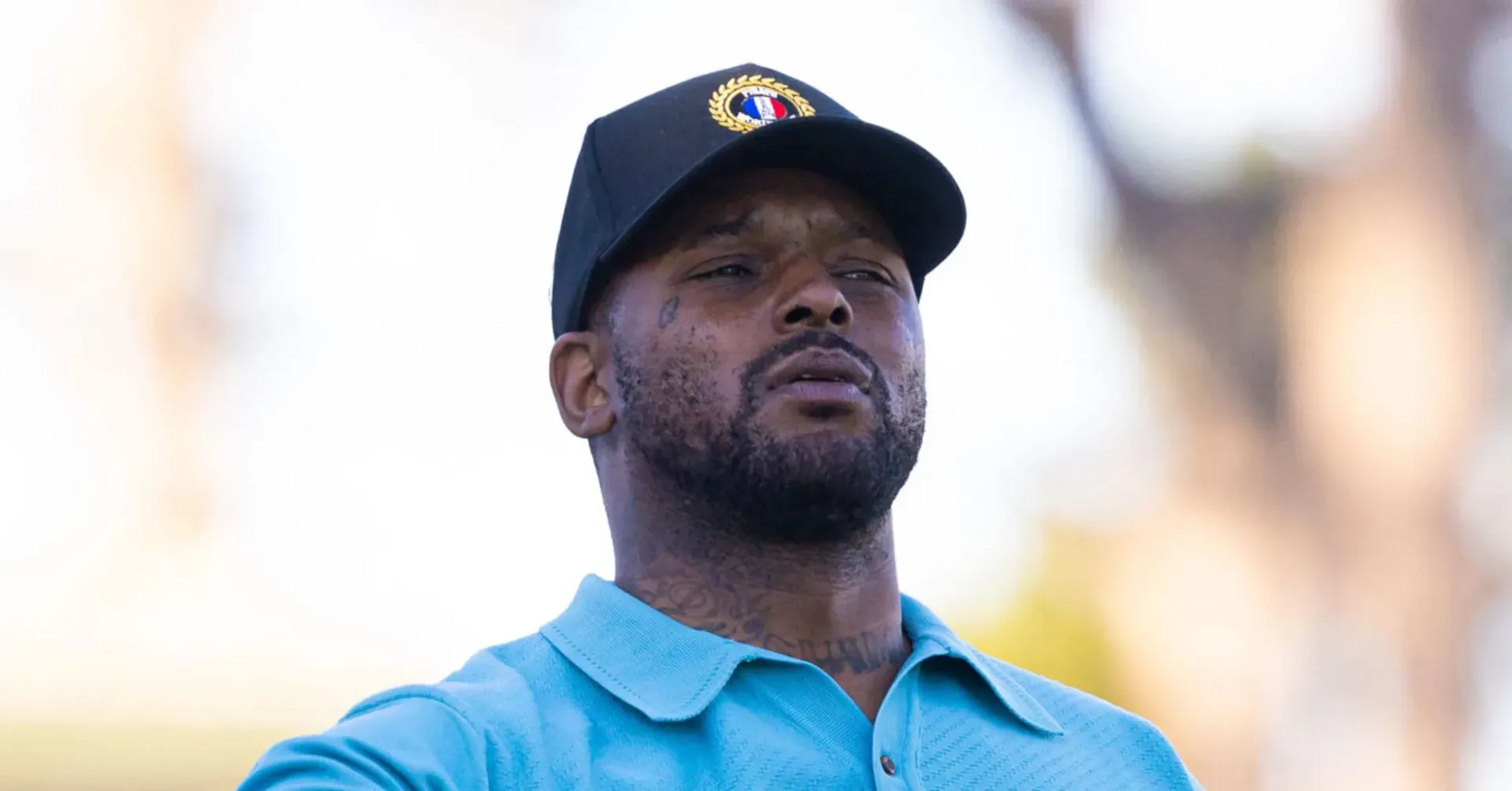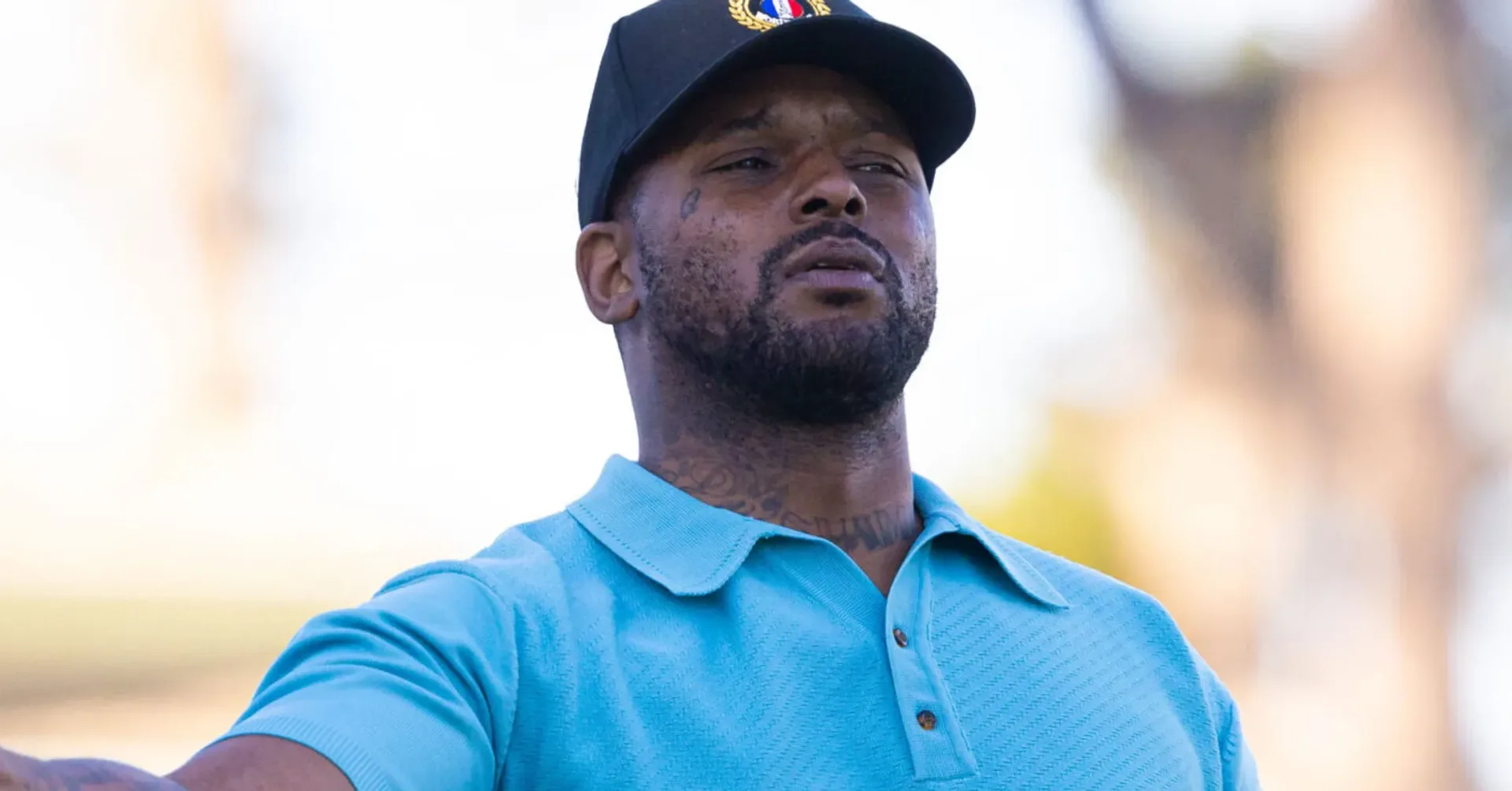
ScHoolboy Q has drawn a clear boundary around questions about his late friend Mac Miller. At a recent concert, the Los Angeles rapper addressed a fan who brought up Miller and explained why he no longer wants to be approached about a loss that remains deeply personal.
Footage circulating online shows Q asking the crowd to record his answer, seemingly so the point would travel beyond the room. His message was direct: he wishes people would stop asking him about his dead friend. He described the recurring questions as exhausting and pushed back on the idea that speaking about Miller’s death is a subject he should be expected to revisit for others.
The exchange did not turn into an extended confrontation. The fan apologized, and Q responded appreciatively. But the moment underscored an important distinction that can get lost in a concert setting: a public figure may have shared memories publicly before, yet that does not create a standing invitation for strangers to request more emotional disclosure whenever they meet him.
A friendship that extended beyond collaborations
Mac Miller died in September 2018 at age 26 from an accidental overdose. He and ScHoolboy Q were close friends as well as collaborators, appearing together on songs including Gees and Friends. That shared catalog is part of why audiences may associate the two artists so closely, but Q’s response makes plain that their relationship was not merely a piece of rap trivia or a convenient prompt for a crowd interaction.
For listeners, collaborations can make an artistic connection feel accessible and permanent. For the people who made the work, the connection can carry private history, grief and memories that are not contained in a song’s credits. Q’s remarks are a reminder that the public availability of music does not make every personal consequence of its creation available for discussion.
That dynamic also helps explain why a seemingly sympathetic question can land badly. A fan may intend to honor Miller or communicate shared sadness. The person being asked, however, may hear another unexpected demand to revisit the worst moment of a friendship. Intent and impact are not always identical, particularly when loss is involved.
This is not a newly stated concern
Q has spoken about the difficulty of grieving Miller before, including in the period immediately after Miller’s death. He postponed the release of CrasH Talk, the album that arrived in 2019, because he was not emotionally ready to promote a record while processing the loss.
During a September 2018 concert, he explained that he could not picture entering a cycle of radio interviews and being repeatedly asked about Miller’s death. The possibility of that repeated questioning contributed to his choice to hold the project back. In other words, the boundary heard in the recent concert clip follows a concern he expressed years ago, rather than representing an abrupt rejection of fans or of Miller’s legacy.
Related coverage includes ScHoolboy Q Asks Fans to Stop Bringing Up Mac Miller at Shows.
Promotion cycle is the industry shorthand for the interviews, appearances and performances that often surround a release. It can require artists to answer similar questions many times across a short stretch. In ordinary circumstances, repetition is part of the job. In the context of bereavement, repeated questions can turn a painful experience into a routine talking point. Q’s earlier decision around CrasH Talk showed that he did not want his friendship with Miller reduced to that kind of obligation.
He did later share some memories in a personal 2019 interview. Q said he was still struggling to make sense of Miller being gone and recalled their final FaceTime conversation, which happened while Miller was working on a music video. He also said Miller had visited the studio and heard CrasH Talk before his death. Those details matter because they show Q has not erased the friendship from his public story; rather, he has objected to the expectation that he must discuss it on demand.
What the concert moment asks of fans
Concerts are often built around closeness. Audiences sing lyrics back, call out requests and try to make a brief moment of contact memorable. Yet proximity to an artist’s work is not the same as proximity to the artist’s private life. Q’s response offers a practical line for fan etiquette: do not assume a famous person’s past openness about a tragedy means they want a question about it at a show.
- Do not treat a death as a conversation starter or a way to secure attention during a live performance.
- Do not assume a collaboration gives fans a right to ask about the relationship behind it.
- If an artist has set a boundary, respect it without demanding an explanation or a second response.
- Let the music and the event in front of you remain the focus unless the performer chooses otherwise.
None of that means Miller’s work or influence must be ignored. There is a meaningful difference between appreciating an artist’s music and asking a grieving friend to relive the circumstances of their death. Tributes can be offered through listening, sharing the art or discussing the records themselves without placing a personal burden on someone connected to the artist.
There is a wider pop-culture lesson here, too. Fans frequently encounter artists through carefully edited interviews, songs, social posts and clips. Those formats can create a sense of familiarity, but they are not a substitute for consent. The fact that an artist has once told a story does not mean that story is available for unlimited public retrieval. Similar questions of public life, personal history and celebrity boundaries surface across music coverage, including in this report on Swizz Beatz recalling Alicia Keys meeting Michael Jackson.
Q’s current work continues alongside that boundary
The recent exchange came while Q has been marking the tenth anniversary of Blank Face LP. The associated tour ended October 17 in Las Vegas. He is also preparing a new album, THank Que, which is slated for 2027.
At an October 9 performance in Los Angeles, Q told the audience he does not intend to retire and wants to still be around for the twentieth anniversary of Blank Face LP. Taken together with the planned album, that comment points to an artist continuing to look forward creatively while also insisting that his grief not become an audience-accessible ritual.
That is the core of Q’s request. He is not asking listeners to forget Mac Miller, deny the friendship, or pretend their work together did not matter. He is asking people to stop treating his friend’s death as a question he owes them an answer to. The difference is small only on the surface; for someone who lived the loss, it is substantial.