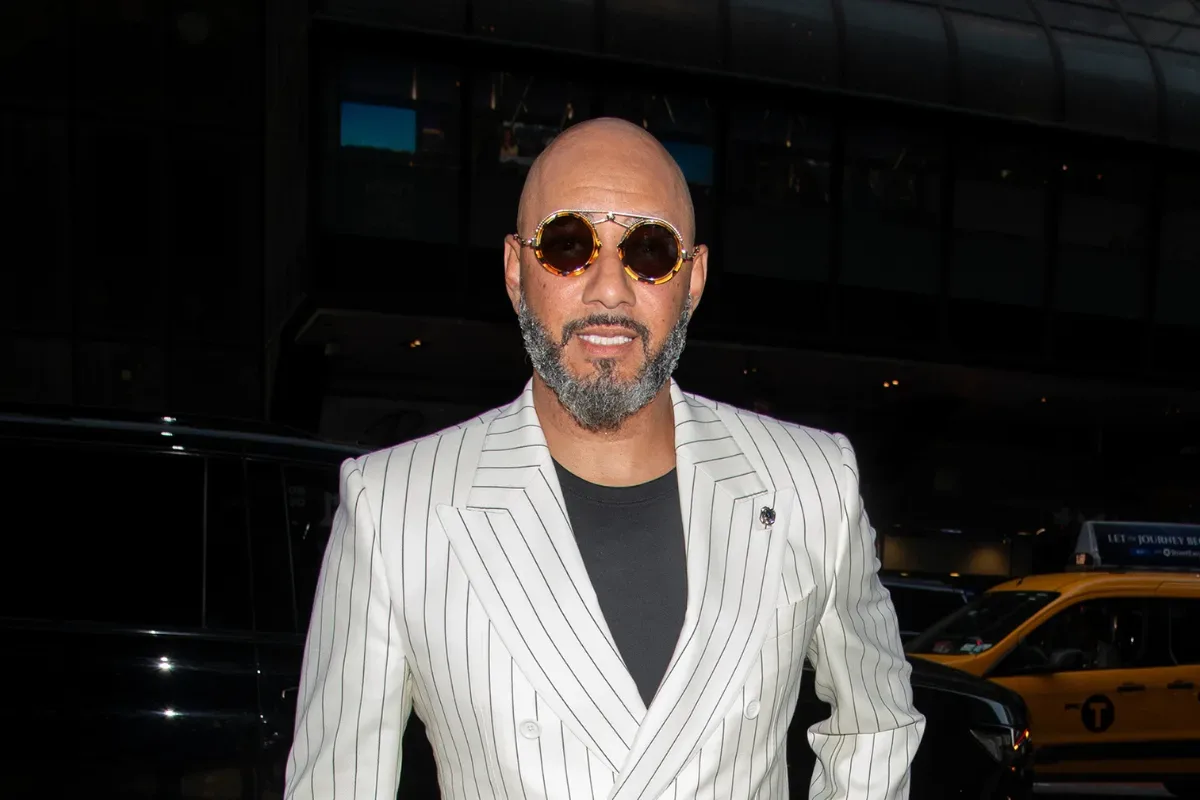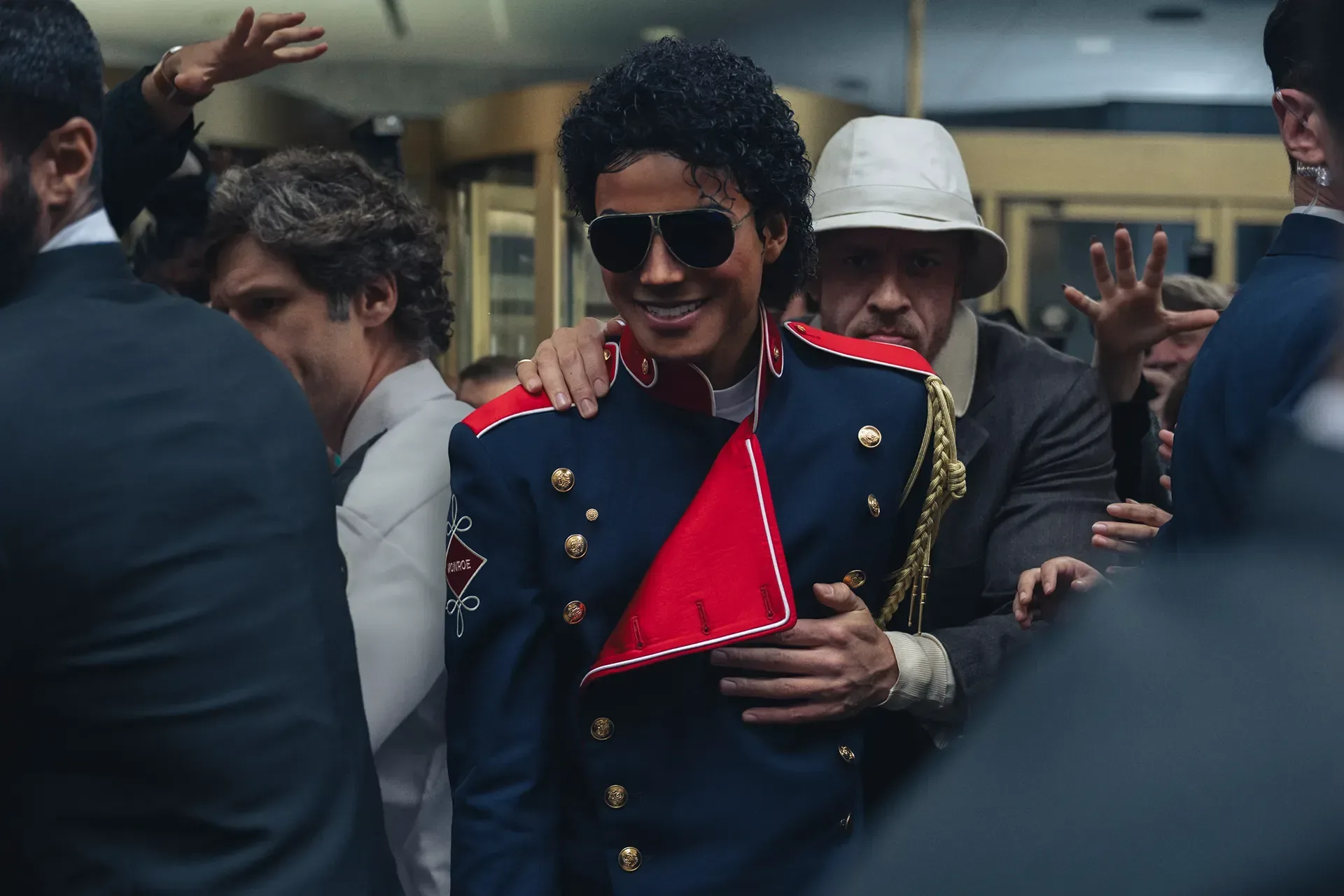
Swizz Beatz has shared a personal memory involving Alicia Keys and Michael Jackson: rather than treating Jackson’s reported admiration for Keys as an awkward complication, he says he helped create a chance for the two musicians to meet.
The account centers on a visit to Jackson’s home before the planned This Is It London residency in 2009. Swizz Beatz described an informal setting in which Jackson spoke eagerly about returning to the stage, showed some of the moves he expected to perform, and welcomed his visitors into a more private, everyday environment than the public typically saw.
It is a small story with unusually large figures at its center. Keys was already an acclaimed singer-songwriter and pianist; Jackson was one of pop music’s defining performers. The appeal of Swizz Beatz’s recollection is not that it reframes either artist’s career, but that it places mutual admiration—not professional maneuvering—at the heart of their encounter.
A reported crush became an introduction
Swizz Beatz said he learned of Jackson’s feelings toward Keys through Janet Jackson. He later married Keys in 2010, but he described the situation as something he took in stride. In his retelling, the response was to arrange a meeting so the artists could share a moment as fans of each other.
That framing matters. “Crush” can easily become tabloid shorthand, yet the details Swizz Beatz supplied present it as admiration expressed through an introduction, not a claim of a relationship or collaboration. There is no indication here that Jackson and Keys recorded together, planned to work together, or had an ongoing public partnership.
Instead, Swizz Beatz’s memory is about an opportunity many musicians would value: meeting someone whose work shaped the broader language of pop performance. For a figure as globally familiar as Jackson, a private conversation can carry a different significance from the heavily managed spectacle surrounding a public appearance.
The story also gives a more grounded angle on a star who is often discussed through huge records, elaborate productions, and constant cultural scrutiny. Swizz Beatz characterized Jackson as relaxed and personable during the visit, an impression that contrasts with the scale of the career associated with him.
The visit happened during the buildup to This Is It
The timing gives the recollection particular weight. Jackson was preparing for the This Is It residency in London, scheduled to begin in July 2009. A residency is a run of performances in one location rather than a conventional tour that moves from city to city. It can allow an artist to build a production around a fixed venue and return repeatedly to the same audience base.
Related coverage includes Swizz Beatz Recalls Setting Up Alicia Keys’ Meeting With Michael Jackson.
Swizz Beatz recalled Jackson being excited about those forthcoming shows and demonstrating dance steps he intended to use. The detail suggests an artist still focused on the work itself: movement, staging, and the immediate question of what a crowd would see when the lights went up.
The planned performances never happened. Jackson died on June 25, 2009, aged 50, only weeks before the residency was due to begin. That fact changes how an anecdote about anticipated concerts lands. What was, at the time, a glimpse of forward-looking preparation is now also a record of a final unrealized chapter.
It is important not to overstate what the visit proves. A rehearsal-style demonstration for guests is not the same thing as a confirmed set list, a finalized production plan, or footage from a completed show. Still, Swizz Beatz’s account offers a direct personal impression of Jackson’s enthusiasm during the lead-up to a residency that remains inseparable from the story of his final months.
Why the Thriller plaques stand out
Another detail from the visit will especially catch the attention of music-memorabilia followers. Swizz Beatz said he noticed framed Thriller plaques resting against a wall. He recalled that Jackson offered to let him take some, but he chose not to do so because he did not want to seem overly eager. Jackson, in Swizz Beatz’s telling, downplayed them as merely objects.
A music plaque generally marks a commercial or industry achievement, such as sales or certifications. It is not automatically identical to a retail record award, nor does every plaque carry the same provenance—the documented history of who owned an item and where it came from. But an award personally offered by the artist associated with it would have a remarkable connection story if that transfer were documented.
That distinction is useful because the anecdote is compelling without turning it into a market claim. No sale, valuation, authentication, or later ownership of any plaque is described. Nor should an account of a casual offer be mistaken for evidence that any particular award entered circulation. The striking part is the contrast: an object tied to Thriller, one of the best-selling albums in music history, apparently occupied so little practical importance in Jackson’s own home that he was prepared to part with it.
For collectors, stories like this underline why context can be as meaningful as the object. A plaque’s physical condition and official status matter, but the human chain around it matters too. In this case, the story ends with the plaques staying where they were—and with Swizz Beatz preserving the memory of refusing an extraordinary souvenir.
A private moment between major artists
Swizz Beatz’s recollection does not need embellishment to be memorable. It contains the simple mechanics of a meaningful meeting: word reaches one artist that another admires them; a partner helps make the introduction; gifts are brought for Jackson’s children; and the visitors see a legendary performer speaking excitedly about the next performance.
It also makes room for the idea that fame does not erase fandom. Jackson’s interest in meeting Keys and Keys’s opportunity to meet Jackson can coexist without either reducing the other to a headline. Swizz Beatz presented the encounter as something mutually appreciative, which is likely why the anecdote feels warmer than sensational.
Music stories are often built around rivalry, commercial competition, or unreleased work. This one is instead about access, generosity, and timing. Jackson’s apparent willingness to welcome guests, talk through his return to the stage, and casually offer awards connected to a landmark album makes the visit feel human in a way that career summaries rarely can.
For more music-world pop-culture coverage, see this report involving Stevie Wonder.