The latest Los Angeles stop of Tory Lanez’s “Not On Tor” series brought a substantial guest list to the stage despite Lanez not being physically present. The October 15 event featured appearances and performances from Tyga, Blueface, Chrisean Rock, Fenix Flexin and the reunited New Boyz, while attendees also sang and danced to Lanez tracks played over the venue system.
The format matters here. This was not a conventional concert in which the billed artist took the stage. Lanez is currently serving a prison sentence, and the event instead operated as a listening party supported by guest performers, public playback of his music and direct audience participation. That distinction is central to understanding both the appeal of “Not On Tor” and the strong reactions surrounding it: the gathering was built around Lanez’s catalog and fan community, even in his absence.
A guest-heavy Los Angeles stop
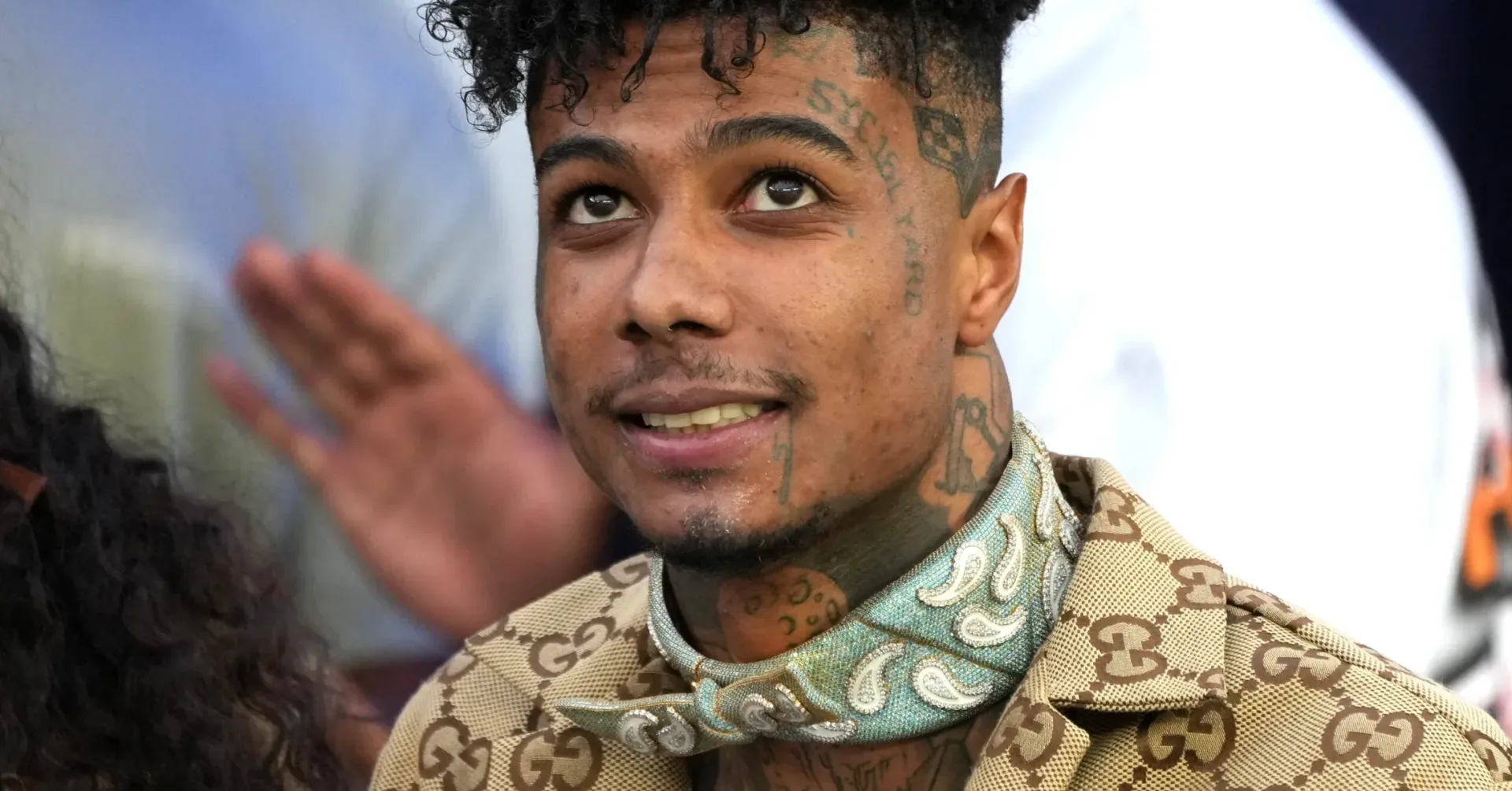
Tyga performed selections that included “Rack City,” providing one of the event’s clearest hit-driven moments. Blueface also performed, with Chrisean Rock dancing behind him during his set. Blueface and Tyga led “Free Tory” chants with the crowd, turning the performance space into a show of support for Lanez as well as a music event.
Fenix Flexin appeared to perform “Rubberz,” described as both viral and controversial. The New Boyz reunion added another recognizable name to an evening that leaned on surprise guests and familiar tracks rather than a single featured live performance from Lanez himself.
Rock’s appearance drew a notably mixed response. Clips from the event showed audience members booing her, and those videos circulated quickly online. The contrast between that response and the crowd’s enthusiasm for the larger event illustrates the unusual dynamics of a multi-artist listening party: guests can bring their own audiences, reputations and points of friction into a room assembled for somebody else’s music.
What “Not On Tor” is—and what it is not
A listening party is an event structured around recorded music rather than a full live set by the artist whose work is being celebrated. In this case, fans heard Lanez songs through the venue sound system and responded as a crowd, while visiting artists supplied the live-performance component.
Calling the series a tour can make its structure sound straightforward, but the Los Angeles date shows why the more precise description matters. Lanez did not perform in person. The experience relied on guest lineups, communal playback and the symbolic force of fans gathering around his music. That setup also gives individual stops flexibility: the guests can change from city to city, and each event can become its own scene rather than a repeat of an identical show.
It is a model built heavily on participation. Singing along, dancing to the recorded songs and joining chants were not incidental details at the Los Angeles event; they were much of the event’s live energy. In that sense, the crowd was doing more than watching a performance. It was helping create the spectacle that a traditional headliner’s appearance would ordinarily anchor.
Related coverage includes Blueface, Chrisean Rock and Tyga Join Los Angeles ‘Not On Tor’ Event.
There is a useful parallel with other event-focused entertainment formats, where communal attendance can become the main attraction even when the presentation does not follow a standard concert structure. The mechanics differ, but the importance of a shared, one-night atmosphere is familiar to viewers of live event television productions.
Support, controversy and the public message
The “Free Tory” chants were the Los Angeles stop’s most explicit political and personal statement. Lanez and some of his supporters continue to seek a reversal of his sentence and verdict, though those efforts have not succeeded so far. The listening-party series gives supporters a recurring public venue in which to maintain that message.
That support is also why the series is likely to remain divisive. It is not simply a nostalgia-focused gathering around old songs or a detached celebration of guest performers. The events connect Lanez’s recordings with an active campaign for his freedom, making the audience reaction part of the wider conversation around his case.
Blueface’s participation adds another complicated layer. He had previously alleged that he had a sexual encounter with Megan Thee Stallion following the shooting connected to Lanez’s imprisonment, and he also claimed to have seen her gunshot wounds. His presence at an event that featured chants supporting Lanez does not resolve those claims or the tensions around them. It does, however, underline that public alliances at a live event can be more complicated than prior comments might suggest.
The Los Angeles program therefore had multiple tracks running at once: a guest showcase, a music-centered gathering for Lanez fans, a public expression of support for him, and an event in which a few of the participating names carried their own controversies. Treating it only as a concert would miss those layers. Treating it only as a statement about Lanez would also overlook the draw of artists such as Tyga, Blueface, Fenix Flexin and New Boyz.
Lanez’s absence remains the event’s defining condition
The notable feature of “Not On Tor” is that Lanez’s physical absence has not prevented the events from drawing crowds. The series has sold out dates despite pushback, demonstrating that his music and supporter base can still generate an in-person occasion through a different structure.
That does not make the format uncomplicated. A regular tour normally offers a direct relationship between a performer and ticket buyers: the performer appears, performs and shapes the night. Here, the performer’s recorded work remains central, but the live event is carried by organizers, guests and the audience. The success of any individual date may consequently depend in part on how well that city’s lineup lands with fans.
Los Angeles had obvious marquee value through Tyga and Blueface, along with a reunion appearance by New Boyz. At the same time, the booing directed at Rock shows that a stacked lineup does not produce one unified crowd response. The programming can amplify the event, but it can also create unpredictable moments that travel far beyond the venue through short online clips.
More dates are on the schedule
Upcoming “Not On Tor” stops are planned for Washington, DC, New Orleans and Pittsburgh. There is also expectation around possible Toronto and Montreal dates, though no such stops were confirmed in the available information.
For now, the Los Angeles event offers the clearest picture of what the series can be: a Lanez-centered listening party that uses prominent guests to create a live-show atmosphere, combines music playback with performances, and leaves room for supporters to voice their demands. Future lineups will determine whether other cities take a similarly guest-driven approach or develop their own versions of the format.
Separate from the tour activity, Lanez has sought $100 million from prison authorities over a stabbing attack in jail last year. Prison officials have said he bears partial responsibility for the attack because he agreed to his housing arrangement. That dispute remains unresolved in the information available here, as do continuing attempts to challenge his sentence and verdict.
The immediate takeaway from Los Angeles is simpler: “Not On Tor” is functioning as an active event series rather than merely a playlist gathering. With high-profile performers, a reunion, crowd chants and an online-viral negative reaction to one guest, the stop made clear how much can happen around an artist who is not in the building.