The Emmy Awards’ In Memoriam segment is designed to be one of television’s most sincere annual pauses: a short broadcast window asked to represent an enormous number of performers, writers, executives, craftspeople and innovators whose work shaped the medium. Claims circulating after this year’s ceremony have renewed a familiar argument around that difficult job—who appears on the televised reel, who does not, and whether a few minutes of airtime can ever fully reflect television history.
Important context is needed here. Several names attached to online discussion of alleged omissions, as well as details attributed to the ceremony, should be treated as unverified. A social-media list or a post-ceremony recap is not, on its own, confirmation that a person has died, that they were eligible for inclusion, or that a specific on-air tribute occurred. That distinction matters particularly with memorial coverage, where a mistaken claim can cause real distress to families, colleagues and fans.
Still, the broader conversation is worth having. The pressure on an awards telecast to condense a year of loss into a tightly timed musical montage practically guarantees debate. Viewers do not experience television credits as a spreadsheet. They remember the role that made them laugh, the show that accompanied them through school or family life, and the face that turned up every week in a beloved ensemble. When that connection is absent from the screen, it can feel personal.
Why an In Memoriam reel can never be complete
A live awards show has hard limits. Producers have to consider broadcast timing, music, transitions, presenters, awards, commercial breaks and the overall emotional rhythm of the night. Even a segment that runs longer than usual cannot include every person whose work crossed into television during the eligibility period.
That becomes especially complicated because television is a vast collaborative business. Performers may be known principally for film, theater, music, radio or stand-up while also having substantial TV credits. Others may have built indispensable careers behind the camera as editors, makeup artists, directors, network leaders, production designers, writers or producers. A viewer may know an individual from one famous series, while an awards body may assess their career from a different professional and eligibility perspective.
There is also an unavoidable split between celebration and documentation. The televised package is a ceremonial tribute, shaped for a general audience. A complete memorial record is an archival project, best suited to a searchable online space where names can be preserved with biographies, credits and room for future additions. Treating the broadcast montage as the entire record sets it an impossible task.
The names viewers associate with television matter
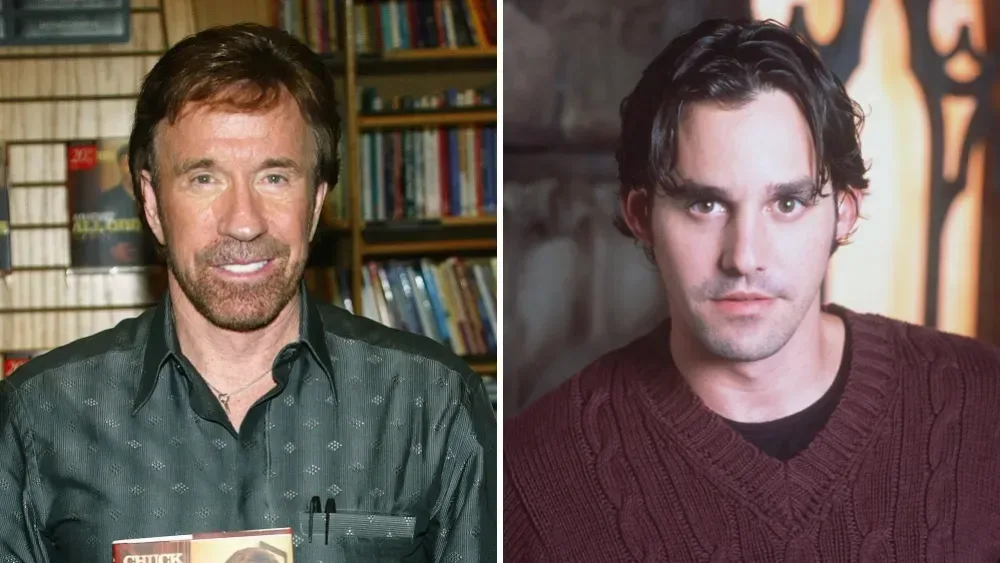
The disputed discussion included names connected in fans’ minds to projects as different as Buffy the Vampire Slayer, Walker, Texas Ranger, Days of Our Lives, Starship Troopers, The Gong Show, The Ring and 30 Rock. That variety illustrates a key point: audiences do not sort cultural memory into neat “television,” “film,” “daytime,” “cult favorite,” or “guest performer” folders.
For one person, a performer’s defining cultural contribution might be a recurring sitcom role. For another, it might be a genre series that became a lasting convention and collectible phenomenon. For a third, it could be a single unforgettable appearance in a long-running daytime drama. The emotional response to a memorial omission is often about the work that fans carried forward—not necessarily the length or category of the person’s television résumé.
Related coverage includes Emmys In Memoriam Segment Draws Attention for Omitted Names.
That is one reason nostalgia-driven series retain so much power. A character, costume, prop, promotional still or signed item can serve as a physical bridge to a show’s community and its cast. In collecting terms, television memorabilia is not merely merchandise; it is often a record of the performances and creative teams people want remembered. The same impulse helps explain why fans look closely at awards-show tributes.
Long-form tributes and the balance of a broadcast
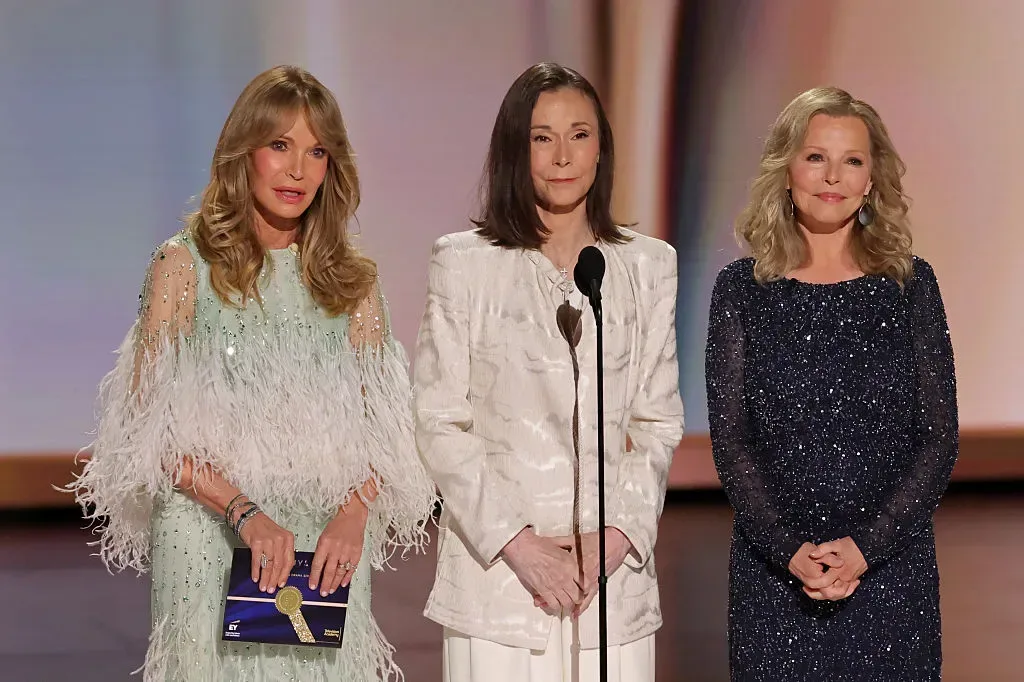
Accounts of the ceremony described featured memorial attention for Catherine O’Hara, with Annie Murphy, Dan Levy and Macaulay Culkin connected to that tribute, along with separate recognition for Dolly Parton and Rob Reiner. They also described Noah Kahan performing Simon & Garfunkel’s “Bridge Over Troubled Water” while names appeared onscreen.
Those details should not be repeated as confirmed event reporting without verification. But the format they describe is recognizable: awards shows often combine individual spotlight tributes with a larger sequence of names. Such a structure can provide moving, specific appreciation for a few towering figures, while leaving less time for the broader list that audiences expect to see.
That trade-off is at the heart of the criticism. A dedicated tribute can tell a richer story of an artist’s impact, invite colleagues to share meaningful memories and make room for a performance. Yet every additional minute devoted to one person can make the audience more aware that others may receive only a brief onscreen listing—or no space in the televised edit at all.
There is no simple formula that makes this painless. A reel based strictly on prominence may overlook beloved supporting performers and technical talent. A reel intended to be all-inclusive may become too long for broadcast. Spotlighting several names can feel appropriate and still create the appearance of an uneven standard. The ceremony is trying to honor lives, not rank them, but television’s limited runtime inevitably makes viewers perceive choices.
Online archives are the more durable answer
The Television Academy’s online memorial resources are the appropriate place for viewers seeking a broader record beyond the televised segment. An online archive can acknowledge more careers, capture work across formats and offer a resource that remains available after the broadcast’s emotional moment has passed.
For fans, the practical approach is to check official records before sharing an omission list. Confirm that a death has been publicly reported by reliable channels, then look for the person in the relevant archive and consider whether their work falls within the organization’s scope. This does not eliminate disappointment, but it keeps the conversation respectful and reduces the chance that inaccurate posts become amplified simply because they are emotionally persuasive.
It is also useful to remember that online memorial pages can be updated, while a live broadcast cannot be revised once it airs. A name absent from a telecast is not necessarily excluded from an institution’s wider remembrance. Conversely, an online list circulating without provenance should not be treated as a definitive accounting.
Legacy is bigger than a single night
Awards ceremonies have enormous cultural reach, which makes their memorial choices highly visible. But a performer’s or creator’s legacy is maintained through reruns, streaming rediscovery, fan communities, interviews, official archives and the objects that preserve a production’s history. Television is built to return: an episode can be rewatched, a character can find a new audience years later, and a supporting player can become central to a fandom’s shared memory.
That ongoing relationship between people and the shows they love is why memorial segments inspire such close attention. They are not just lists of credits. They are public acknowledgments that a person’s contribution reached viewers and remains part of the medium’s story.
For anyone following the reported debate, the best next step is patience and verification. Check official Academy listings, avoid presenting unconfirmed deaths or alleged broadcast details as fact, and leave room for the possibility that a person’s television legacy may be documented outside a short awards-show reel. A memorial segment can be meaningful without being comprehensive—and the responsibility to remember accurately should last longer than the applause.
For another example of how news about cultural figures should be approached carefully when reports are still developing, see this report on a producer’s death being described as reported.