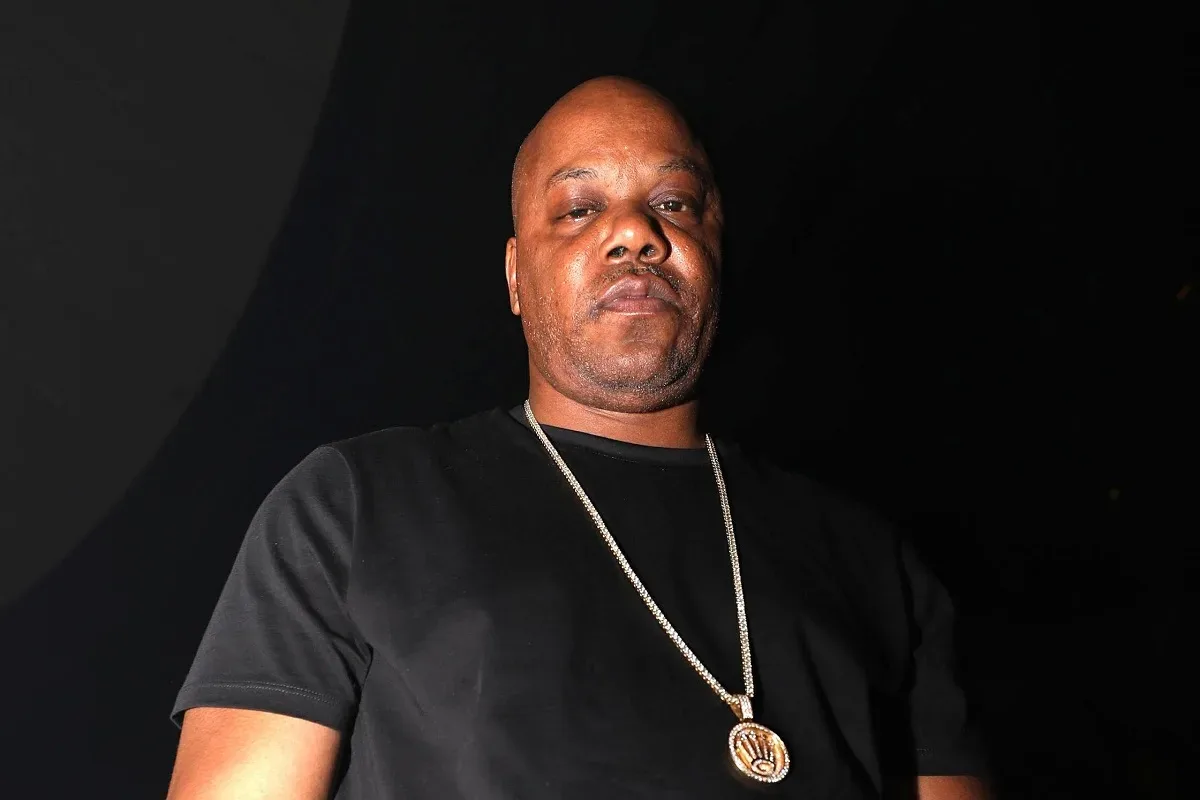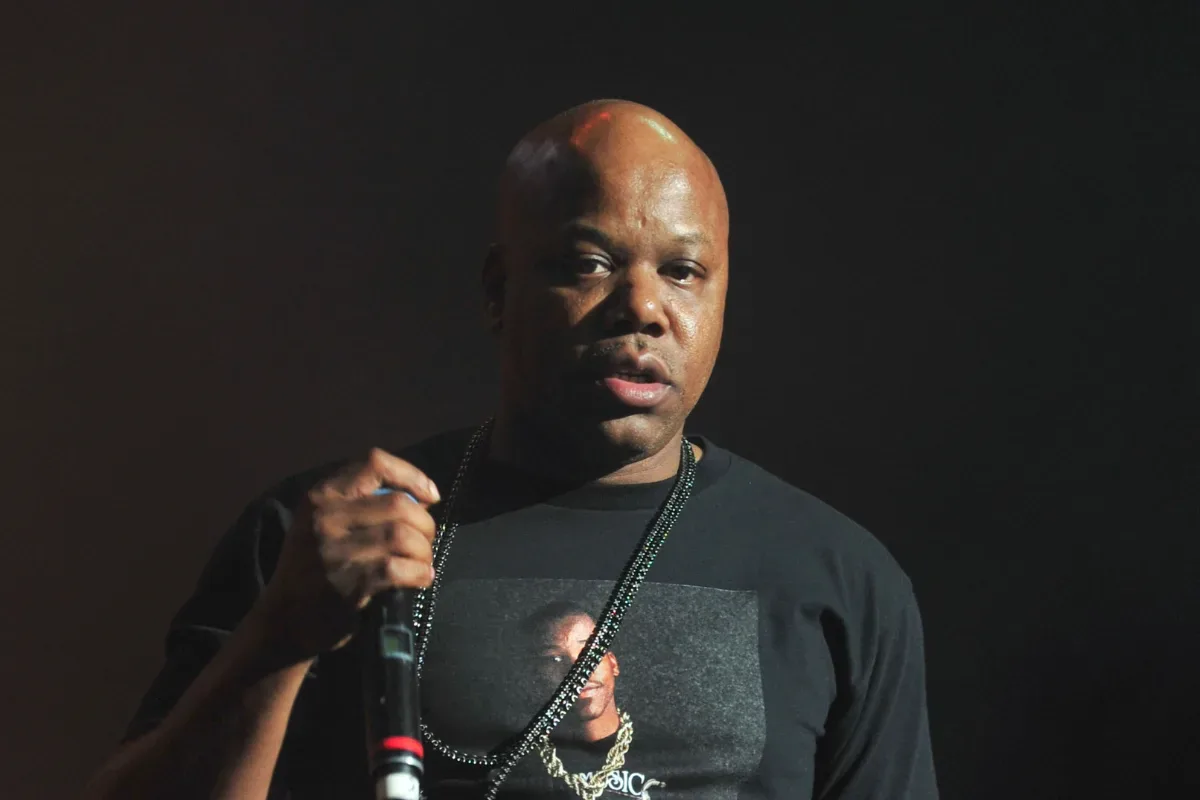
Too $hort has recalled an unusually direct lesson in music-industry gatekeeping: the people offering to introduce him to The Pack were not members of The Pack at all.
In a recent interview, the Oakland rapper said he had heard the group’s mixtape and encountered some of its friends outside a hamburger stand. Those friends reportedly said access to the Berkeley group would have to go through them, then began discussing the money they expected to receive. Too $hort’s account makes a key distinction: he says the band members did not know about the attempted arrangement.
Rather than treating those intermediaries as legitimate representatives, he said he made calls, learned that one member of The Pack was the son of a friend, and contacted the group himself. The outcome was a signing to Too $hort’s Up All Nite imprint, with Jive Records handling distribution.
For readers looking for the compact version of the story, the account of the disputed introduction centers on that contrast: friends attempted to create a toll booth around an act, while Too $hort found a direct route to the artists and made the deal without them.
For more context, explore The Future Is ****** #21 Will Go Silent, Reviving a Classic G.I. Joe Issue Number Tradition.
A cautionary tale about access and representation
The episode is not presented as a contractual dispute with The Pack. That matters. The people demanding a cut were described as friends who had intercepted the opportunity, not as the group’s authorized managers or members. Too $hort characterized the conduct as unprofessional and said the artists were unaware of it.
In practical terms, an intermediary can be useful when they are actually empowered to speak for an artist: a manager, attorney, label representative, or another person with a defined role. But an introduction alone is not automatically a negotiating right. The story illustrates why prospective partners often verify who is authorized before discussing money, signing paperwork, or allowing a third party to speak for an act.
Too $hort described doing “due diligence,” a term that broadly means checking essential facts before a business decision. Here, that reportedly involved calling people who could confirm a personal connection to one of the members. It was enough to move the conversation away from the would-be brokers and toward the group itself.
The details also point to a less glamorous side of talent discovery. A mixtape can create buzz, but the path from hearing it to making a workable agreement may involve informal networks, mutual acquaintances and basic verification. The lesson is not that every informal contact is suspect; it is that the artist’s own knowledge and consent are the meaningful starting points.
Too $hort’s stated role: backing the talent without remaking it
Too $hort said his part in The Pack’s rise was to recognize potential and give the group an opportunity, rather than to dictate its sound. He said he did not produce their beats or pick their song titles. That is a significant detail because it describes a support model built around access, distribution and exposure while leaving core creative choices with the act.
The Pack consisted of Lil Uno, Stunnaman, Lil B and producer Young L. Their breakout 2006 single, “Vans,” had sold more than 300,000 copies by May 19, 2010. The reported figure offers a concrete sense of why the group drew interest beyond its immediate scene, although it should not be read as a full measure of everything surrounding the group’s career or catalog.
Too $hort said he took The Pack on the road and that they were popular wherever they performed. He also credited the group with introducing him to MySpace. That detail captures an important aspect of the period without overstating it: artists’ networks were not one-way transfers of expertise from veteran to newcomer. A more established performer could open doors and provide an audience, while younger artists could introduce new platforms and new methods of reaching listeners.
MySpace was part of that exchange in Too $hort’s recollection. It provided a way for musicians and fans to connect online, and the fact that he singles it out suggests The Pack helped him engage with a changing promotional environment. The story is therefore about more than a deal. It is also about how regional scenes, touring and online discovery could overlap.
The Bay Area and the hyphy opportunity
The Pack fit within Too $hort’s broader interest in younger Bay Area artists and hyphy. In 2006, he said he wanted the movement to generate jobs and major-label agreements. “Hyphy” is the name associated with a Bay Area-centered rap movement and its surrounding culture; in the material available here, it is chiefly relevant as the local scene Too $hort hoped could produce tangible professional opportunities.
That goal can sound abstract until it is tied to the mechanics described in this case. A label imprint is a label operating under a larger business structure. Distribution is the process that helps recordings reach the market through a larger company’s systems. Too $hort’s Up All Nite imprint and Jive distribution gave The Pack an avenue toward a wider music-industry infrastructure, while he said the group retained control over its beats and titles.
This balance is worth separating from a claim that the arrangement guaranteed any particular result. No business setup removes uncertainty. But Too $hort’s comments describe a specific philosophy: identify an act, connect it to an opportunity, and avoid taking over the artistic decisions that define the act in the first place.
From touring support to a shared Bay Area compilation
That regional focus also appeared on I Love The Bay, a compilation released July 17, 2007. The Pack was included alongside established and emerging Bay Area names including E-40, Keak Da Sneak, Messy Marv, Yukmouth, San Quinn, Zion I and The Team. The record also featured a posthumous appearance by Mac Dre.
Compilations can function as a scene map: instead of centering one artist, they put multiple performers in proximity and present a regional identity through a single release. In this case, the lineup placed The Pack in company with artists from across the Bay Area’s rap ecosystem. The Pack and Mistah FAB appeared together on “Yes Sir,” while the release’s first singles were “Lose It,” featuring Mistah FAB, and “Video Vixen,” featuring Dem Hoodstarz.
Too $hort said he wanted to represent the entire Bay Area. The compilation gave that ambition a practical outlet, pairing younger acts with more familiar names on the same project. It is evidence of a curatorial role in addition to the signing itself: not merely locating a group, but situating it in a broader roster and regional conversation.
The Pack’s path beyond Up All Nite
The Pack later moved beyond Too $hort’s label. On May 19, 2010, SMC Recordings announced an agreement with the group and plans for an album titled Wolfpack Party, with The Cataracs among the guests. SMC’s then-chief operating officer, Will Bronson, said the company had tried to sign The Pack when “Vans” broke but had been unable to compete with Too $hort.
That sequence underlines the value of timing in artist development. Interest from other companies does not necessarily produce a deal, and the initial partner may be the one that arrives first with a credible offer and an established relationship. In The Pack’s case, the account traces a path from a mixtape and an improvised attempted introduction to an imprint deal, Jive distribution, touring, a notable compilation appearance and later business with SMC.
Too $hort also said he remains on good terms with The Pack and still brings the group out to perform “Vans” onstage. That continued association gives the anecdote an ending far less sour than its opening. The friends’ attempted payday did not become the story’s defining outcome. The direct artist connection did.
For fans, the lasting takeaway is straightforward: “Vans” remains the song attached to the group’s breakthrough, but the surrounding story is a reminder that careers can turn on who gets the call, who actually has authority to answer it, and whether a veteran collaborator recognizes the difference.