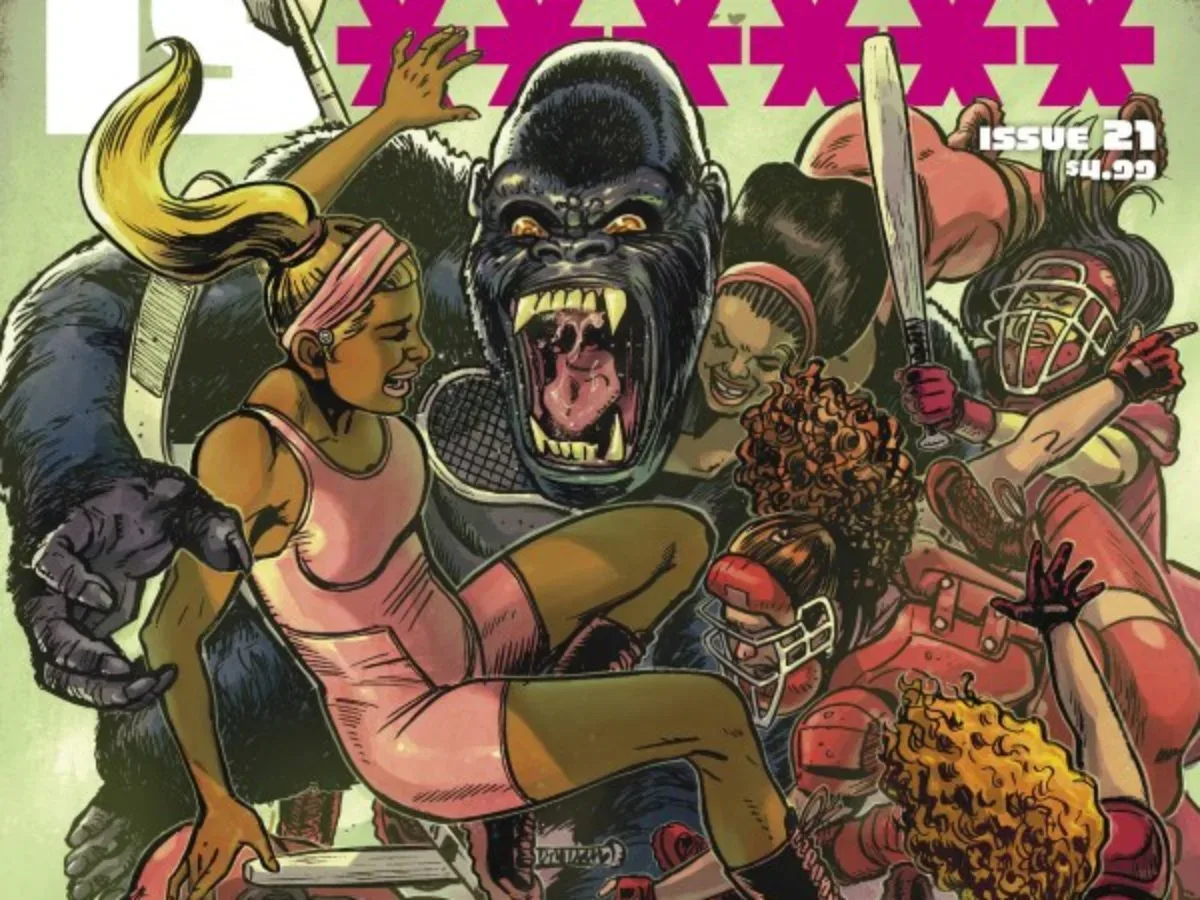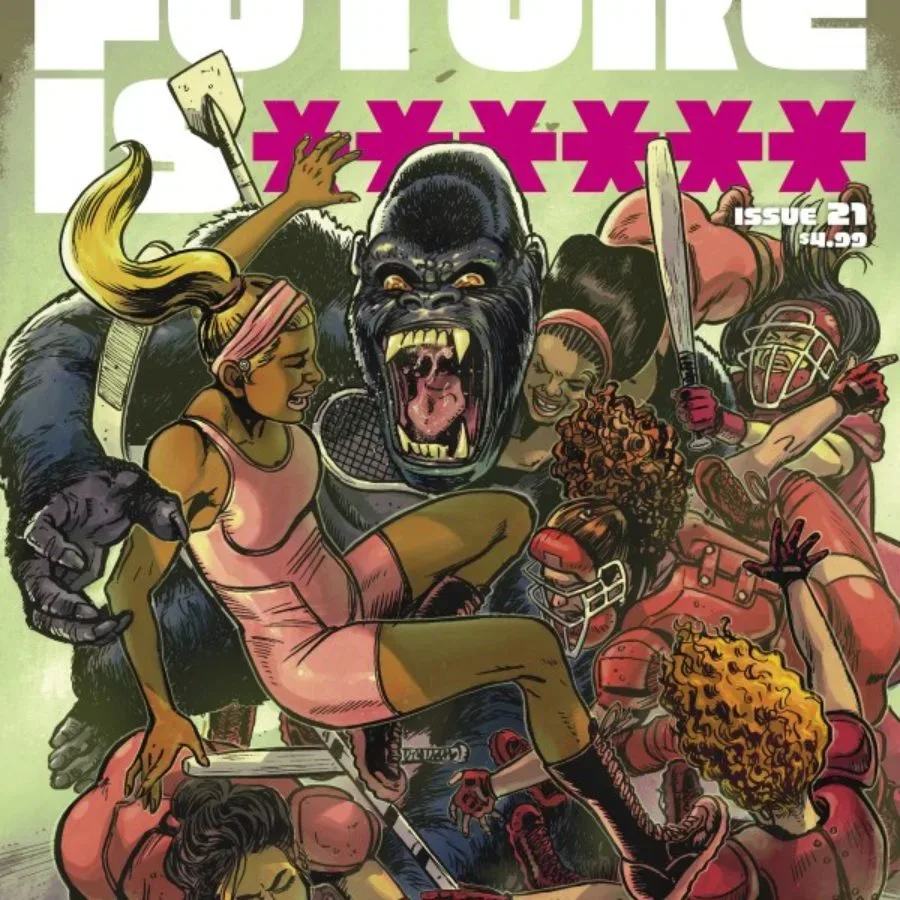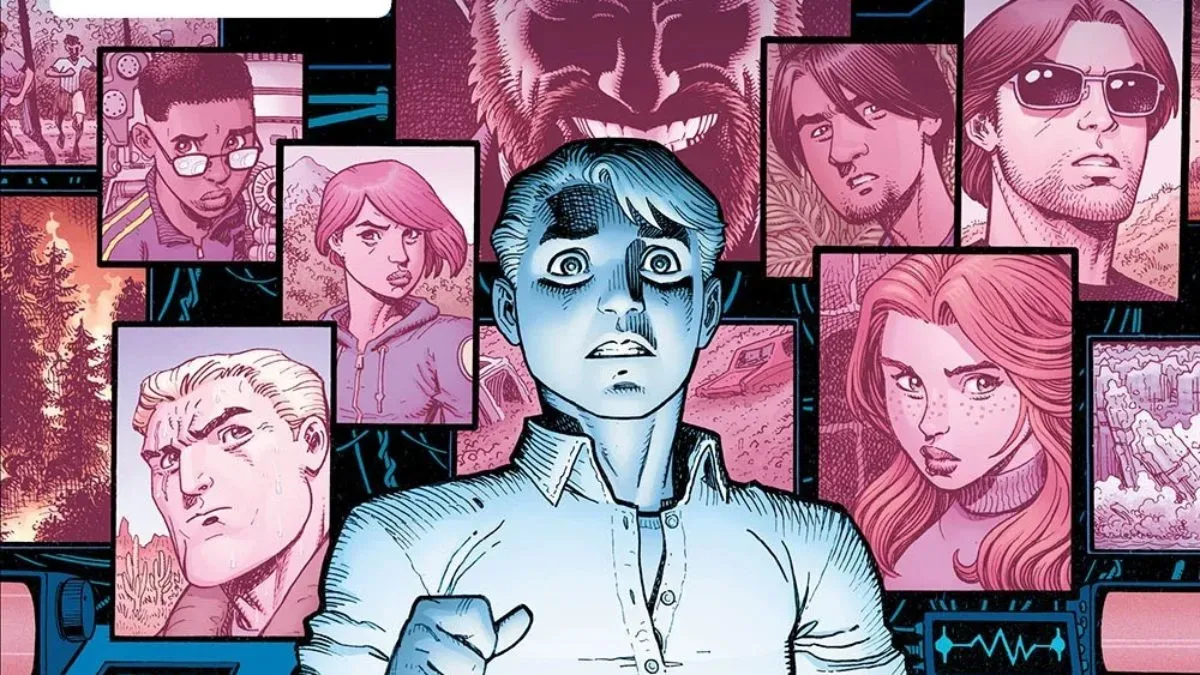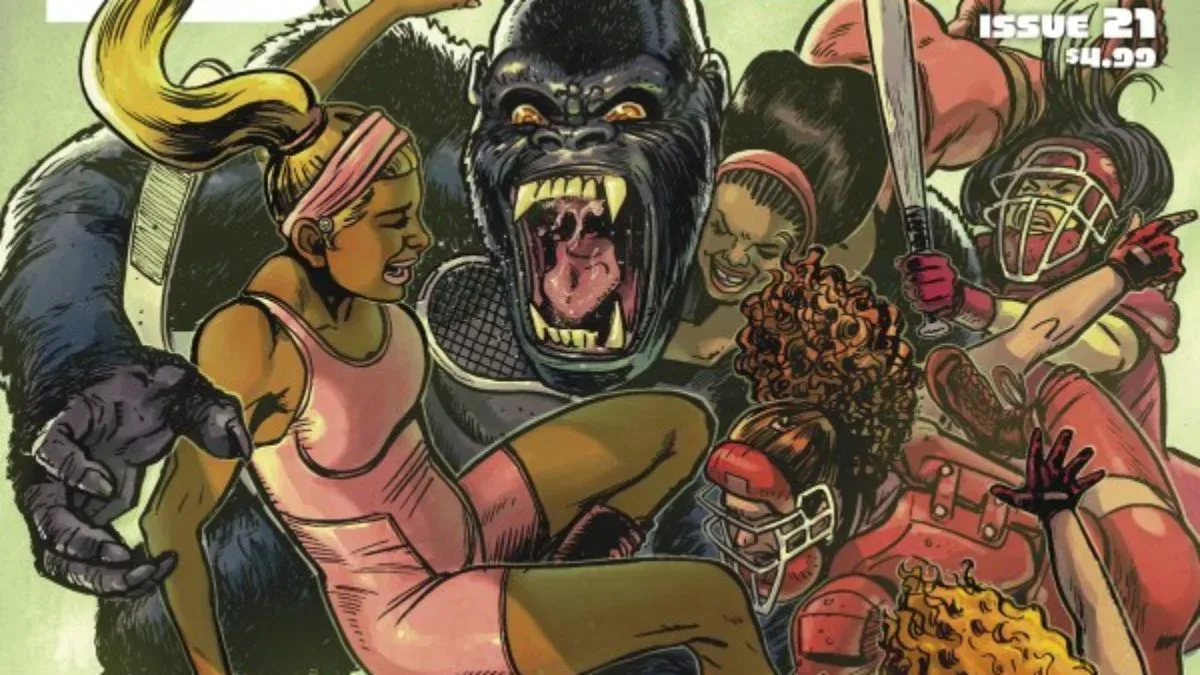
Comics are preparing to turn down the volume again. The Future Is ****** #21, from writer Fred Van Lente and artists David Lapham and Rico Renzi, is solicited as a silent issue centered on Martina. Rekcah Comics lists the mature-readers release for January 13, 2027, at $4.99.
It is not just an issue without ordinary dialogue; it is also a deliberate choice of issue number. The solicitation openly invokes the old idea that a series’ 21st installment should be silent, an affectionate nod to the long-standing reputation of G.I. Joe #21 and its “Silent Interlude.” The comic-book industry has many traditions, some involving capes, some involving deaths that prove remarkably reversible, and apparently one involving number 21 politely confiscating everyone’s speech balloons.
What is known about The Future Is ****** #21
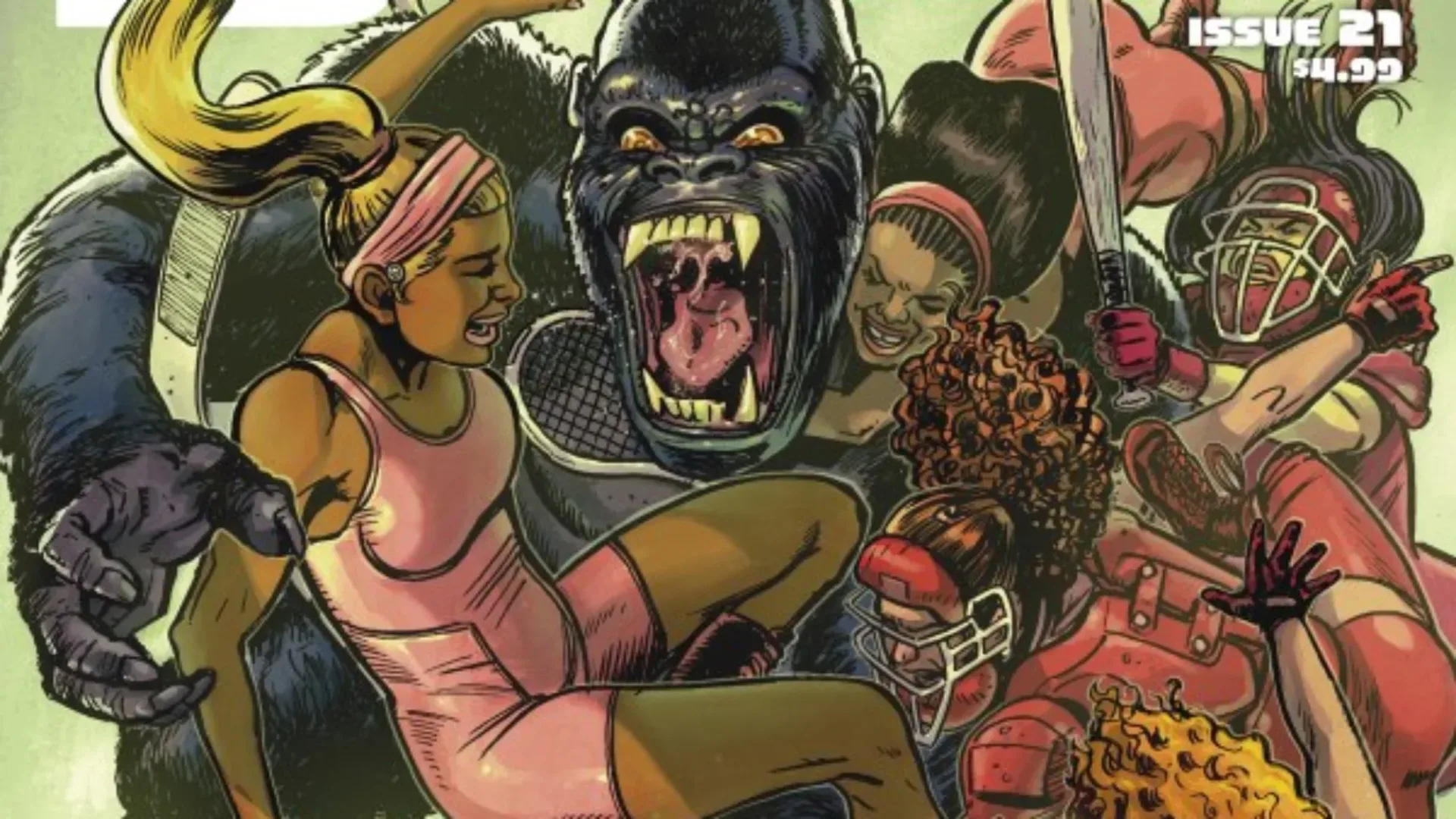
The planned issue credits Van Lente as writer, Lapham and Renzi as artists, and Patrick Piazzalunga for the cover. The advance copy identifies Martina as the focus of the special. It also says Lapham will continue his interior-art run on the series.
One important qualification: a “silent issue” is not always the same thing as an entirely text-free comic. The solicitation promotes Capture The Flag challenges in every issue of the series, including #21. Those challenges may require written material, and the available information does not establish precisely how the special issue handles them. What is clear is that the narrative is being marketed as silent, rather than that every printed mark on every page will vanish.
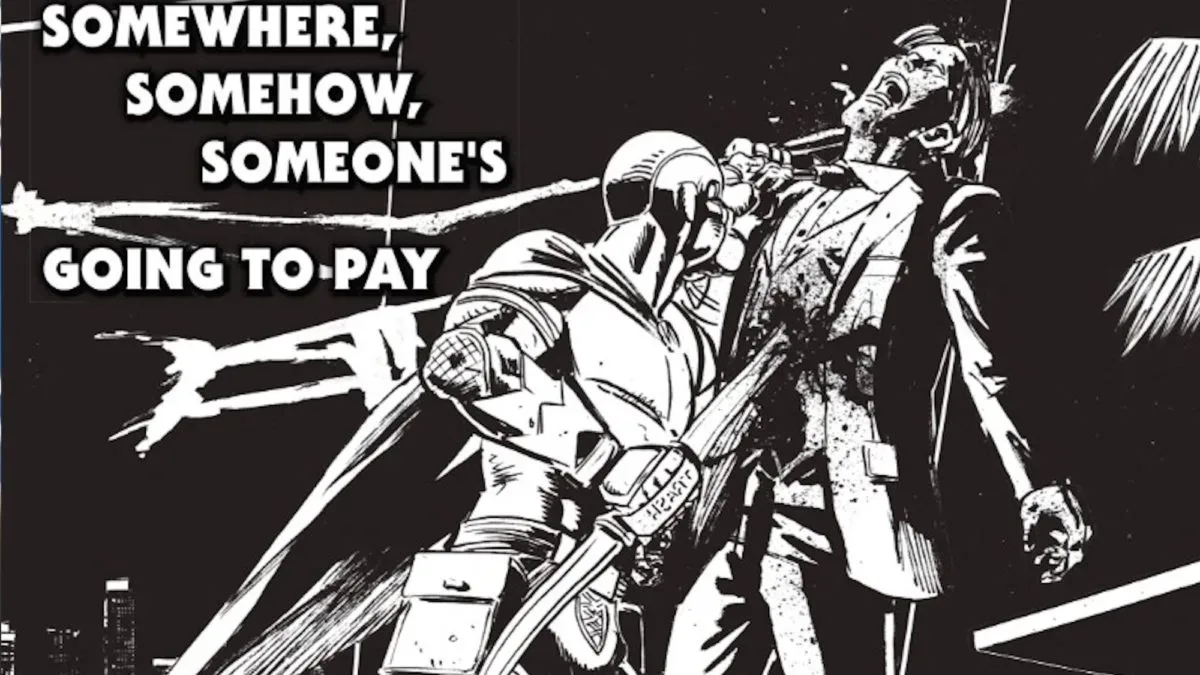
In comics, silence usually means the sequential storytelling must carry more of the load. Sequential art is the term for visual storytelling across ordered panels: readers infer time, motion, reaction, cause and effect from the arrangement of images. Dialogue can clarify a character’s intention, summarize a change in location, or tell readers what a sound means. Remove it, and composition, body language, panel-to-panel pacing, color, symbols and facial expression become much more consequential.
That makes the format a particularly visible test of collaboration. A writer can still shape a silent comic through plot, scene structure and visual direction; an artist must communicate action and feeling without leaning on explanatory captions; and color can help steer attention, establish mood, distinguish locations or underline a turning point. With Lapham drawing and Renzi credited alongside him, #21’s approach will be something readers can evaluate on the page rather than simply by its elevator pitch.
Why issue #20 matters to prospective readers
Readers curious about the experiment have an obvious on-ramp immediately beforehand. The Future Is ****** #20, dated December 9, 2026 and also priced at $4.99, is positioned as both a new beginning and a self-contained story. Van Lente is credited as writer, with Lapham and Renzi on art and Lapham providing the cover.
That matters because silent storytelling asks a reader to pick up visual cues quickly. A prior issue designed to introduce the world may offer useful grounding before #21 chooses to leave conventional verbal explanation behind. It is not necessary to assume that #20 is required reading—the published description calls it a done-in-one—but its placement makes it a sensible starting place for anyone arriving specifically for the silent installment.
Issue #19, scheduled for November 11, 2026 at $4.99, remains part of the immediate lead-in. It credits Van Lente, Mario D’Alessandro and Andrea Meloni, with a Lapham cover, and spotlights villains including The Stray. The solicitation also identifies Lapham as the forthcoming regular interior artist beginning with the next issue. Taken together, the three solicitations present a transition: #19 spotlights antagonists, #20 introduces Lapham’s ongoing interior work through an accessible standalone, and #21 turns that new visual foundation into a format-driven special.
Why G.I. Joe #21 still casts such a large shadow
The connection to G.I. Joe is not vague nostalgia. The specific number is the point. “Silent Interlude” made issue 21 a memorable marker for American superhero and action comics, showing how much suspense, movement and character can be conveyed with pictures rather than dialogue. Naming a new silent comic #21 therefore signals homage before a reader has seen a single panel.
That kind of reference is useful shorthand, but it also creates a creative challenge. A tribute works best when it understands the technique rather than merely borrowing a famous number. Silence is not a genre by itself. It can support an action sequence, a comedy, an emotional aftermath, an investigation, a chase or an intimate character moment. The solicitation’s focus on Martina suggests a character-centered framework, but it does not reveal the plot or the exact mood. Readers should be wary of filling those blanks with assumptions.
The issue-number homage has precedent beyond this new series. Ninjak #22, by Matt Kindt and CAFU, was also presented as a nod to the famous G.I. Joe silent-comic model. The continuity of references shows that “silent issue” remains more than a production stunt: it is a recognizable formal challenge with its own lineage.
Silent comics are a tool, not a one-note gimmick
Modern comic history offers multiple ways creators have used very little or no dialogue. John Byrne and Jim Aparo’s Batman #434, released in 1989, is often identified as an early mainstream superhero example, using near-silence while Gotham responds to the apparent death of Batman. Later Batman examples include #18 by Peter J. Tomasi and Patrick Gleason, #67 by Tom King, Lee Weeks and Jorge Fornés, and the lead story in 2025’s Detective Comics #1100 by Tom Taylor and Mikel Janín.
Elsewhere, Marvel’s 2002 “’Nuff Said” initiative produced dialogue-free or nearly dialogue-free entries across its line. Grant Morrison and Frank Quitely’s New X-Men was among those issues. The point of a line-wide exercise like that is partly practical: it places artists’ storytelling choices under an unusually bright spotlight. A reader cannot simply skim balloons to discover who is upset, what changed, or why a confrontation matters.
Matt Fraction and David Aja took a different route in Hawkeye #11, the “Pizza Dog” issue. Rather than treating silence merely as an action-comics obstacle course, that story filters events through a dog’s limited sensory understanding, using diagrams, icons and fragments of human speech. Fraction later brought a similarly reduced-word instinct to Batman #13 with Matteo Scalera during the “Bad Seeds” event. These examples show that “wordless” can mean rethinking perspective and information, not only dropping dialogue from a standard script.
Gustavo Duarte’s DC Silent Tales offers another use: short visual comedy strips starring Justice League characters and others. The project was originally called Speechless before a trademark issue prompted the new name. Meanwhile, Kevin O’Neill’s final project, Silent Pictures, collected two new wordless stories in a slipcased pair of hardcovers, with an introduction by Alan Moore. The format can hold slapstick, superheroes, experimental perception and more reflective work; the absence of dialogue does not dictate the genre.
How to read a silent issue without turning it into homework
A silent comic rewards a slightly slower read, but it should not require a detective board covered in red string. First, track panel size and placement. A larger image can signal importance, duration or a dramatic pause; narrow repeated panels may slow a moment into increments. Second, watch eyelines and gestures. If one character looks beyond a panel boundary and the next image answers that gaze, the page is creating an invisible line of conversation.
Third, note repeated objects, colors and shapes. These are sometimes called visual motifs: recurring elements that gather meaning through repetition. Finally, pay attention to the gutter, the blank space between panels. Readers do the interpretive work of connecting one image to the next, a process often described as closure. In a dialogue-heavy comic, text may spell out a transition; in a silent one, the gutter does more of that work.
That is the appeal and the risk. A well-staged silent sequence can make readers feel unusually involved, because they are actively assembling the narrative. If visual information is unclear, though, there is no caption waiting in the wings to rescue the moment with a polite explanation. For a series that also promises hacking-oriented Capture The Flag material, the contrast could be especially interesting: an issue built around visual reading alongside a feature associated with puzzles and technical problem-solving.
The format also arrives at a moment when serialized storytelling is being consumed and discussed through many different reading communities. For a separate example of how access to ongoing written work can affect those communities, see this report on the AO3 outage and the possibility of a read-only return. A silent comic is obviously not a substitute for prose or fanfiction; it is a reminder that the medium’s meaning can travel through structure and image as well as words.
Release details and what remains unknown
- The Future Is ****** #19: November 11, 2026; $4.99; Fred Van Lente, Mario D’Alessandro and Andrea Meloni; cover by David Lapham.
- The Future Is ****** #20: December 9, 2026; $4.99; Fred Van Lente, David Lapham and Rico Renzi; cover by Lapham. It is described as a new-reader-friendly, self-contained story.
- The Future Is ****** #21: January 13, 2027; $4.99; Fred Van Lente, David Lapham and Rico Renzi; cover by Patrick Piazzalunga. It is solicited as a silent issue centered on Martina.
The #20 and #19 solicitations also list retailer-oriented cover bundles, including variants and black-and-white chase variants. Those details concern retailer offerings and should not be confused with a broad statement of consumer availability. The published material does not provide a full plot for #21, a page count, or an explanation of how its Capture The Flag challenges will coexist with the silent-story concept.
For now, the clearest promise is also the simplest: The Future Is ****** plans to use its 21st issue for a wordless storytelling exercise, with Lapham’s interior run newly underway and Martina at the center. It is a very specific homage, but one with ample room for its own visual voice. In January 2027, the balloons are expected to sit this round out.