The Golden State Valkyries’ WNBA Finals run has brought a distinctly Bay Area soundtrack to Chase Center. E-40 has publicly backed the club, while Too $hort and LaRussell were lined up for prominent Game 2 roles as the Valkyries looked to build on a 1-0 series lead over the Atlanta Dream.
It is a notable collision of a new basketball team and artists whose work is closely linked to the region’s rap identity. The Valkyries reached the Finals in only their second year, and their postseason presentation has made room for the local music community as well as the action on the floor. In this case, the arena entertainment is not a detached celebrity cameo: Too $hort had already performed at the team’s first home playoff game and had attended every home postseason contest since.
E-40’s message turns a hometown anthem into a Finals rallying cry
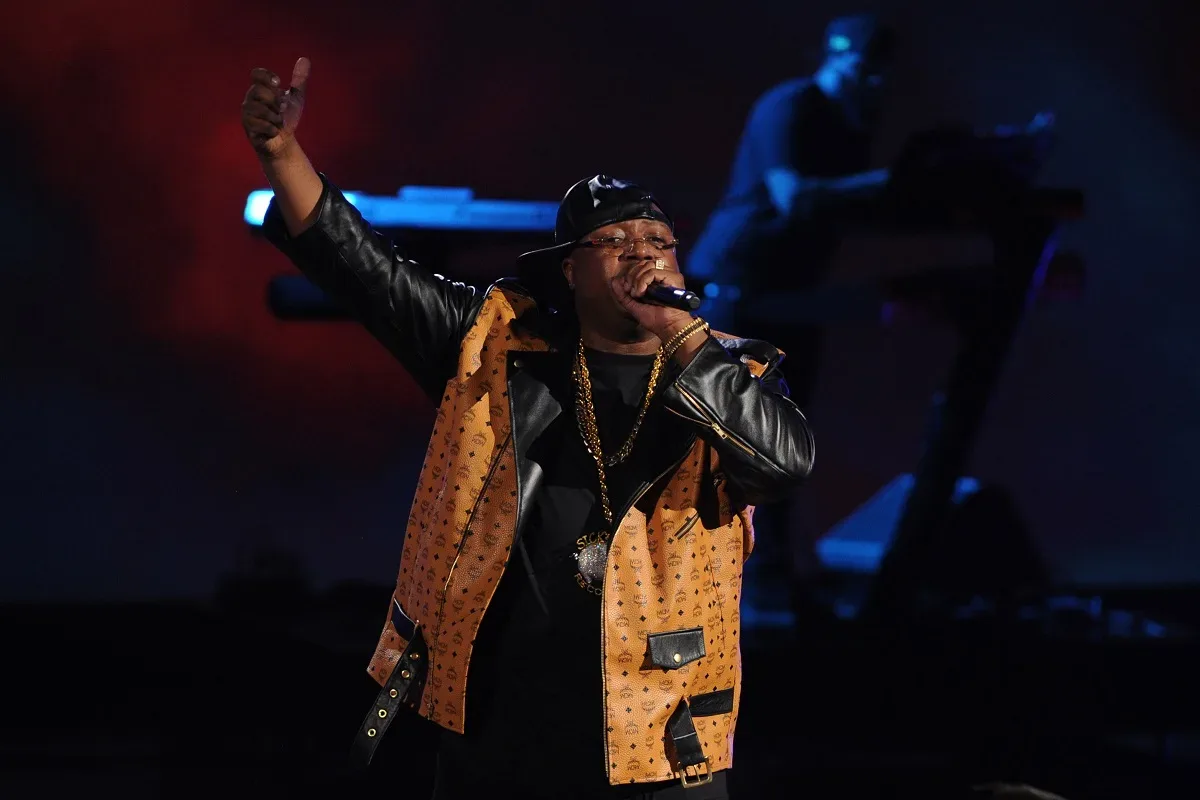
E-40 shared a black-and-white social-media reel featuring Valkyries game footage, Chase Center imagery and a courtside moment in which he exchanged a fist bump near the floor. Its caption invited fans to show up for the Finals with a familiar local phrase: “Tell us when to go.”
That wording deliberately echoes Tell Me When to Go, E-40’s 2006 collaboration with Keak da Sneak. In the setting of a Finals series, the reference works as both a nod to the artist’s catalog and a compact call for arena energy. Rather than introducing a new slogan, it repurposes a recognizable regional touchstone for a team attempting to make a fast, memorable mark in the league.
E-40’s connection to the run has also included an in-person appearance. He attended Golden State’s October 9 victory over the Aces in Las Vegas, a win that secured the Valkyries’ Finals berth. His involvement therefore spans the clinching moment and the home portion of the championship series.
The rapper’s “Yay Area” wording matters here because it places the team’s success in a broader regional frame. The label is a common cultural shorthand for Bay Area pride, and the Finals setting gives it a particularly visible stage. The Valkyries are young as a franchise, but the artists appearing around the series represent music and audience traditions with established local resonance.
Too $hort and LaRussell were set for Game 2 duties
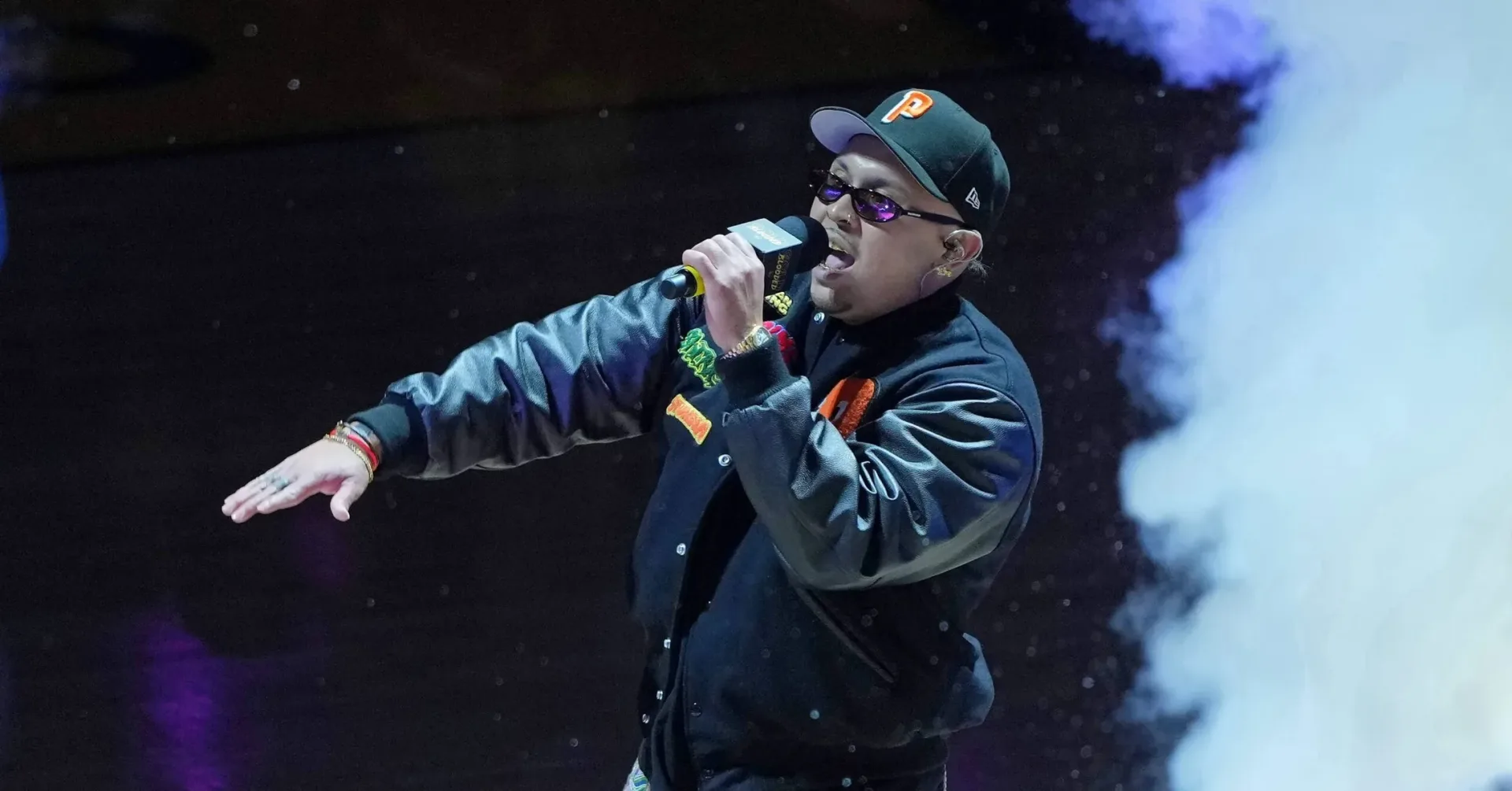
For Game 2 at Chase Center, Too $hort was set to handle the pregame drum, while Vallejo artist LaRussell was booked for the halftime performance. Larry June occupied the halftime slot for the series opener, meaning the opening games were designed to feature a succession of Bay-connected performers rather than treating music as a one-off add-on.
The pregame drum is a ceremonial arena role: an invited figure performs a drumbeat before the contest, creating a focal point for the crowd shortly before tipoff. It is not a halftime concert, but it can establish the building’s mood at the moment fans are settling into the stakes of the game. With Too $hort assigned to that duty and LaRussell booked for halftime, Game 2’s entertainment schedule stretched from the lead-in to the midgame break.
Too $hort had already become one of the clearest musical presences around the Valkyries’ postseason. He performed at halftime during Golden State’s first home playoff game in September and subsequently attended every home playoff game. That continuity makes the planned Game 2 appearance feel less like a promotional stop and more like an extension of visible support throughout the playoff run.
He also singled out the Chase Center audience for its intensity after the opener. Too $hort said the Valkyries crowd, which he referred to as “Ballhalla,” was louder and more intense than Warriors crowds. The comment is subjective, but it underlines the character of the environment the team and its supporters have built during this run.
“Ballhalla” is a fan nickname for the Valkyries’ home atmosphere, built from a play on Valhalla. In practical terms, the nickname gives supporters a shared identity that can be chanted, repeated online and used to frame the arena as a difficult place for opponents to visit. When a local artist adopts that language, it helps connect the crowd’s own vocabulary to the wider culture surrounding the team.
A Bay sound at a high-profile basketball moment
E-40, Too $hort and LaRussell share roots in the Bay’s hip-hop ecosystem, though their roles around the Finals are different. E-40’s contribution was a public message and his presence at a key road win. Too $hort’s relationship with the postseason has included live performance, repeat attendance and the scheduled drum role. LaRussell’s Game 2 halftime booking put another Vallejo voice at center stage.
The connection among the artists is especially meaningful in light of the Bay’s hyphy movement. Hyphy is a regional cultural and musical movement associated with rap, dancing, slang and car culture. It is not simply a genre tag; it describes an energetic style and a broader scene that helped shape how Bay Area hip-hop was expressed and experienced. E-40’s Tell Me When to Go is one of the touchstones associated with that world.
That context explains why the Valkyries’ playlist of guests carries more weight than generic “celebrity attendance.” These are performers whose names evoke the area’s music history and ongoing creative output. The team’s Finals programming turns that association into an arena-scale celebration, pairing a new women’s basketball franchise with a longstanding local cultural language.
There is also a useful distinction between support and spectacle. A halftime set can create a memorable event presentation, but Too $hort’s every-home-game attendance shows a separate layer of commitment. E-40’s presence at the Las Vegas clincher likewise ties his support to a competitive milestone, not only a home-game photo opportunity. For fans, those details make the performances and appearances feel connected to the campaign’s progression.
The Finals changed the arena calendar, too
The championship series had a concrete effect beyond the basketball schedule. Chase Center moved a Doja Cat concert featuring Latto from October 19 to October 25, with the venue linking the change to Golden State’s Finals berth. That adjustment is a reminder that a deep playoff run affects the full operation of an arena: game dates, concert bookings, performers, staff and ticket-holders can all be shaped by the team’s success.
For local music fans, the shift also highlights the scale of the moment. A Finals home date takes priority in a building that normally hosts major touring acts, while the basketball event itself then makes room for regional talent such as Too $hort, Larry June and LaRussell. The result is not a replacement for the concert calendar so much as a temporary reordering of it around a title opportunity.
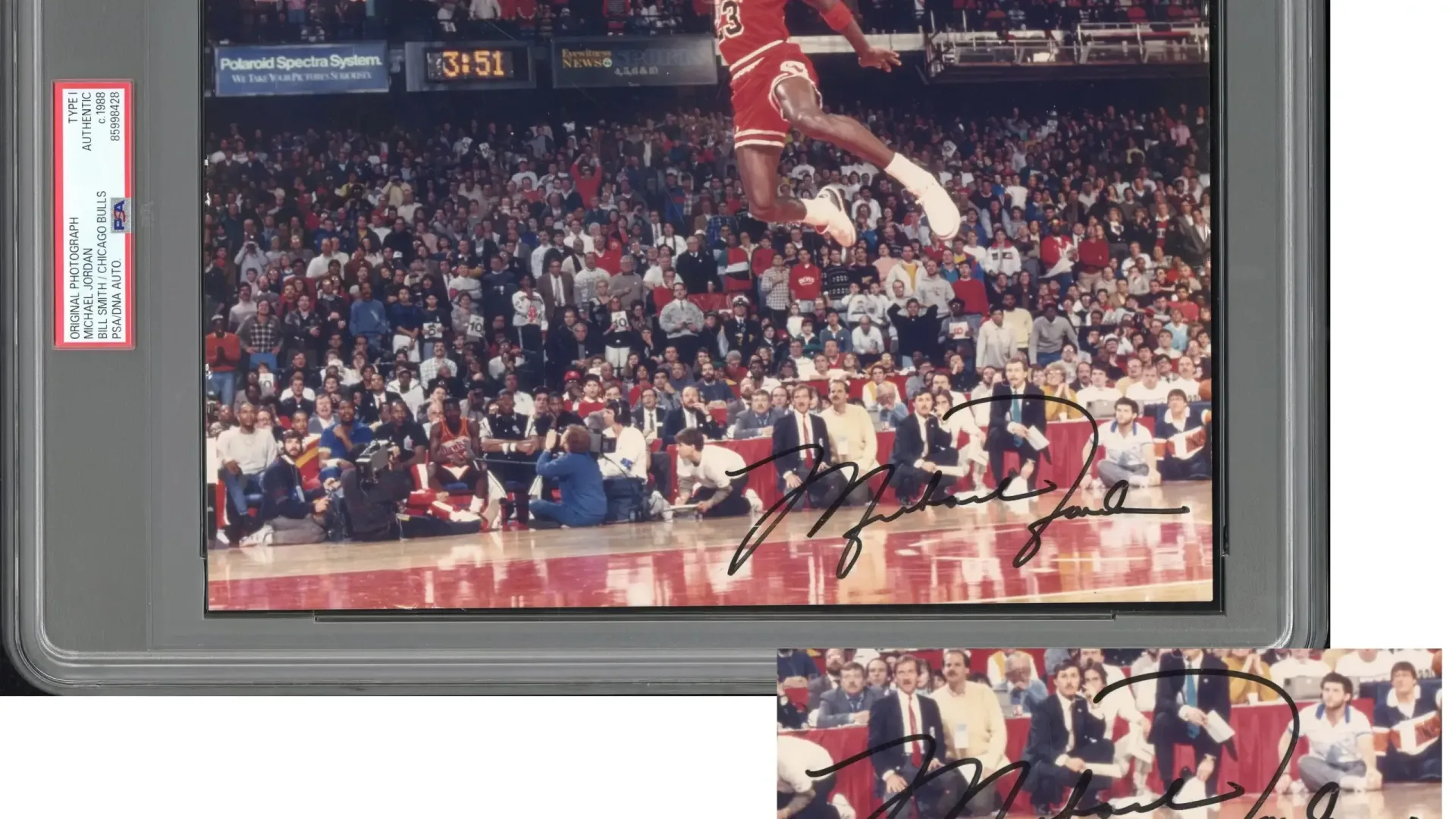
The overlap between music, sports and memorabilia culture often endures beyond the final score. For another example of basketball history being treated as a collectible visual artifact, see this report on a signed Michael Jordan dunk photograph leading a photography auction. The Valkyries’ Finals entertainment is a live event rather than a collectible, but it similarly shows how basketball moments are amplified by the personalities and images around them.
Where the series stood for Game 2
Golden State entered Game 2 with a 1-0 advantage after beating Atlanta 68-64 on October 17. Gabby Williams led the Valkyries with 26 points in that victory. The narrow four-point margin is important context for the occasion: the series opener was not a runaway result, so the home crowd’s intensity and the building’s pregame energy arrived alongside genuine competitive pressure.
Game 2 was listed for 5 p.m. Pacific and 8 p.m. Eastern at Chase Center, with USA Network and Peacock carrying the broadcast. For viewers at home, the local-artist programming is part of the event surrounding the telecast; for fans in the building, the pregame drum and halftime set turn the game into a fuller Bay Area showcase.
None of the music elements can decide a possession, a defensive stop or a final score. But they can clarify what a Finals appearance means to a young franchise and its community. E-40’s rallying post, Too $hort’s sustained playoff presence and LaRussell’s planned halftime appearance all place the Valkyries’ title chase inside a recognizable local sound. With Golden State holding the early series edge, Chase Center’s Game 2 program was set to make the home-court atmosphere feel unmistakably its own.