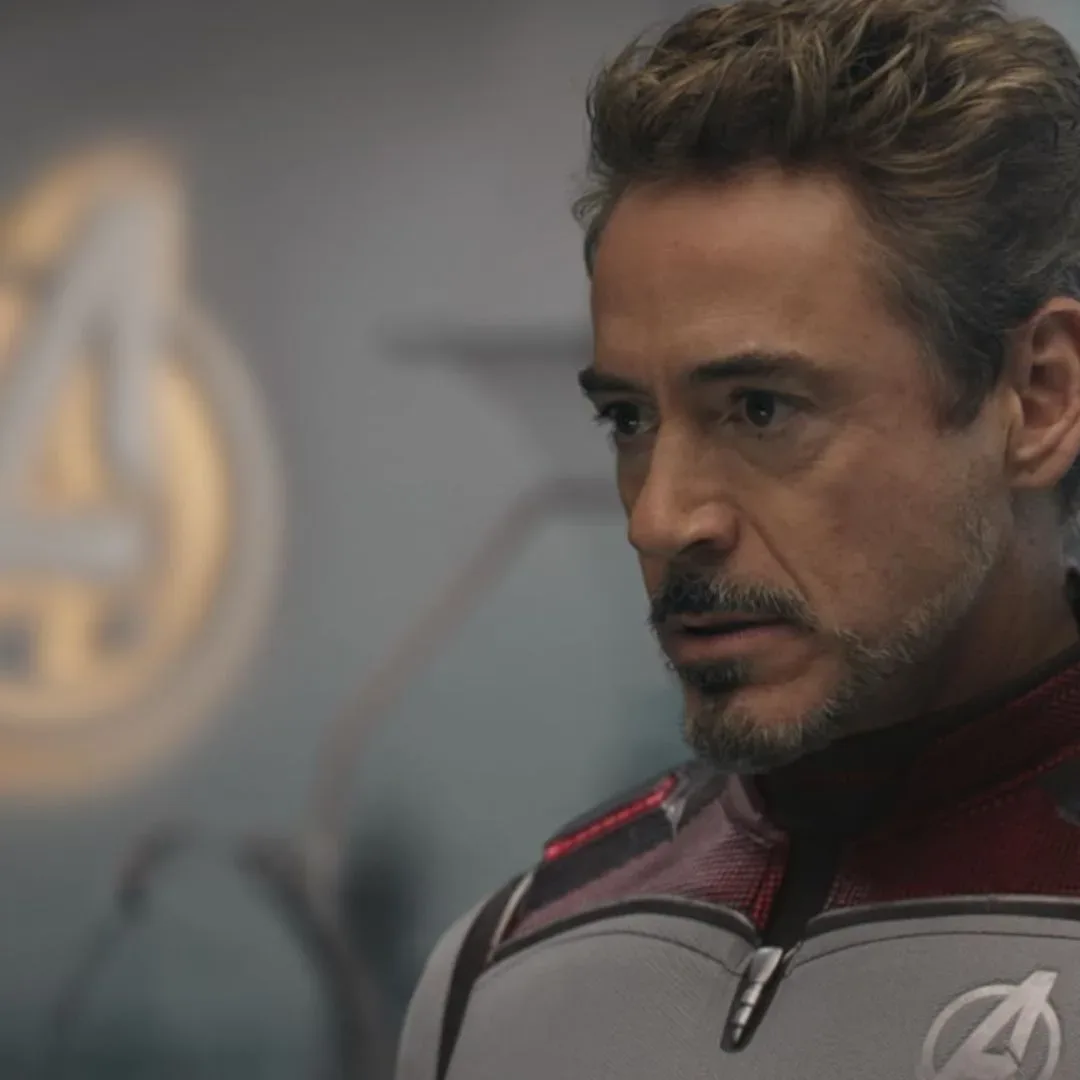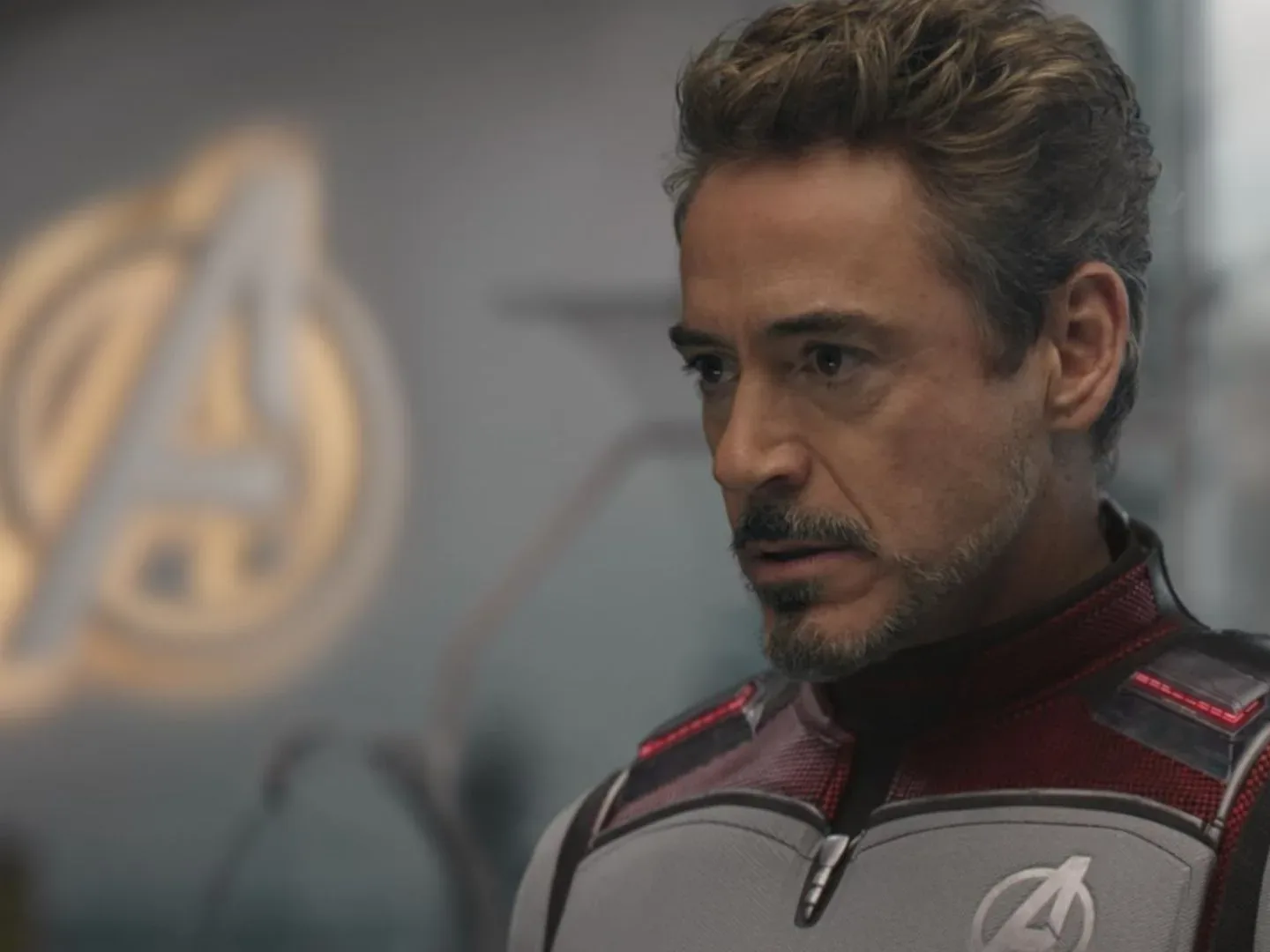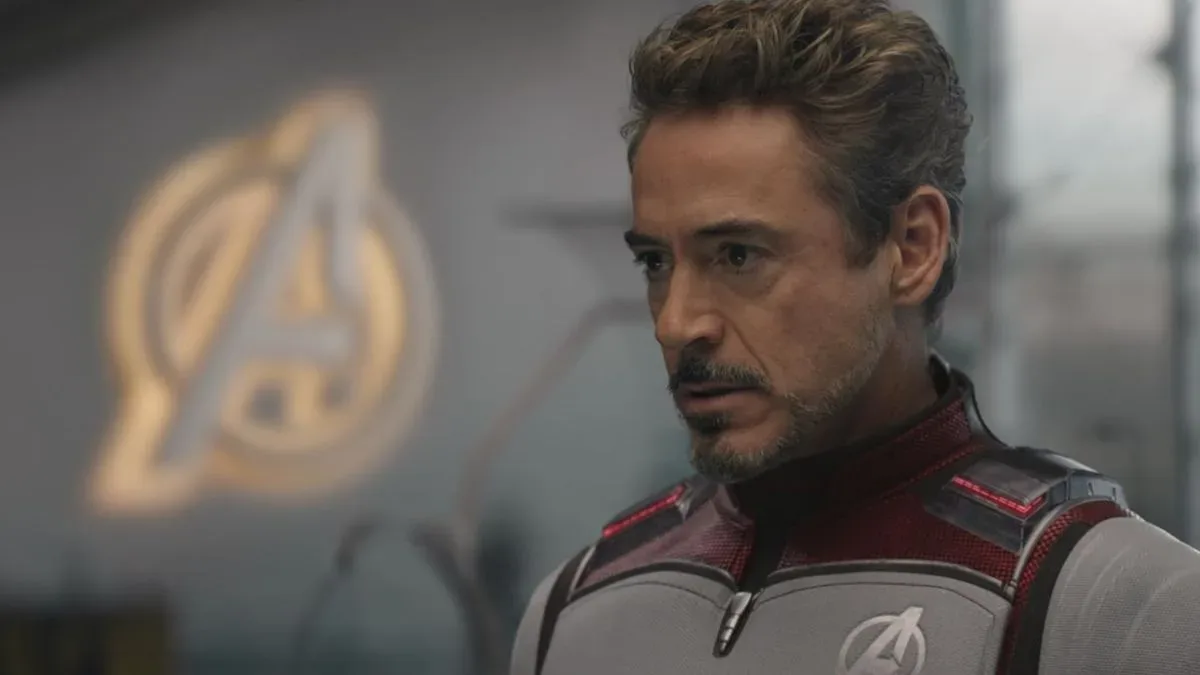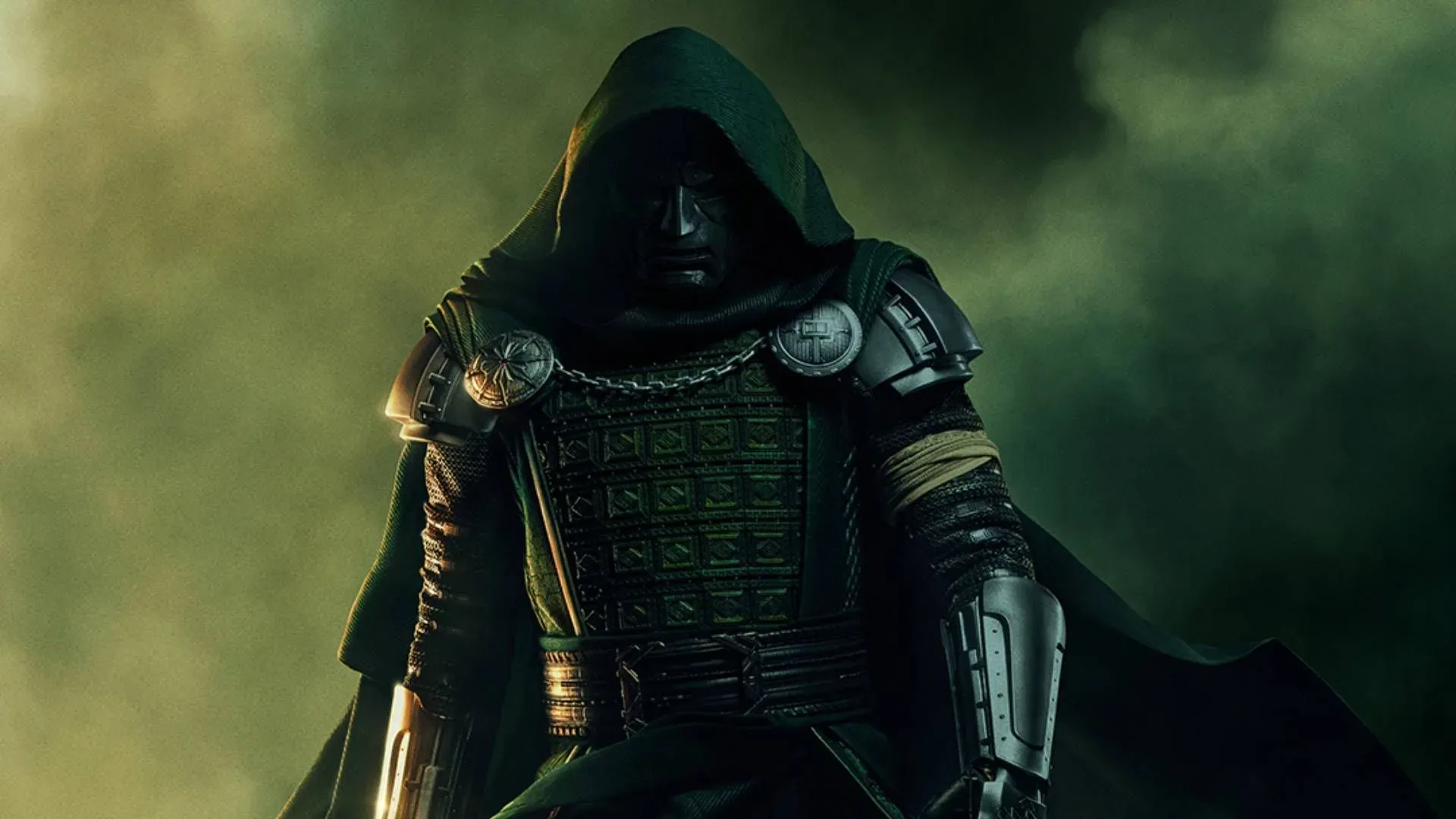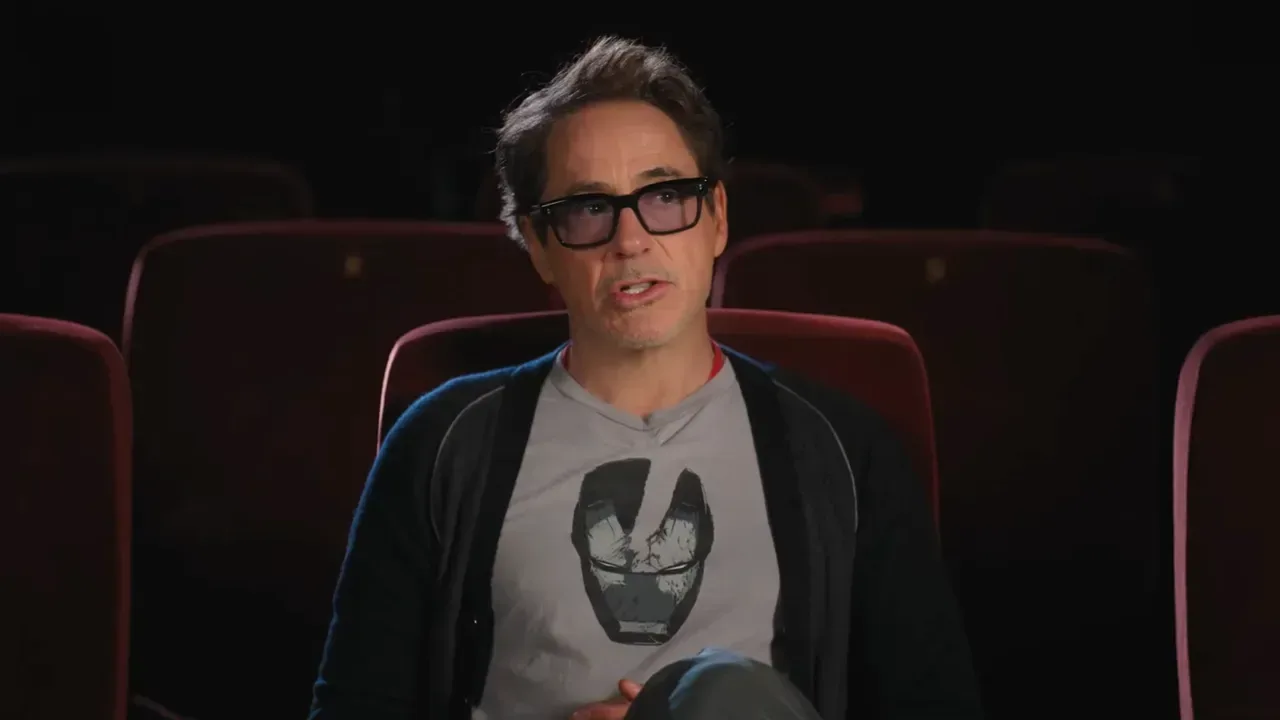
Robert Downey Jr.’s return to the Marvel Cinematic Universe as Doctor Doom has created an understandable question: why does Victor Von Doom have the face of Tony Stark?
One fan theory proposes a particularly twisty answer. Rather than Doctor Doom being a Tony Stark variant, it suggests Tony may be the alternate-universe version of Victor Von Doom. In this reading, the Starks adopted a baby who originated in Latveria; in other realities, that child was never adopted, remained Victor Von Doom and became the imposing ruler expected in Avengers: Doomsday.
It is a clever bit of multiverse arithmetic, and it uses a real scene from Avengers: Endgame as its starting point. But the theory is still speculation, not confirmed MCU story. More importantly, the available evidence includes a significant complication: Marvel Studios president Kevin Feige has directly said Doom is Victor Von Doom, rather than merely a shortcut to return another established character.
That does not settle every question around Downey Jr.’s casting. It does mean fans should be careful not to turn an entertaining continuity puzzle into an established fact.
The theory: Tony, not Doom, is the alternate version
The central proposal flips the assumption many viewers might make after learning Downey Jr. would play Doom. Instead of treating Victor as a Stark-like offshoot from another universe, it imagines Tony as the divergent life path.
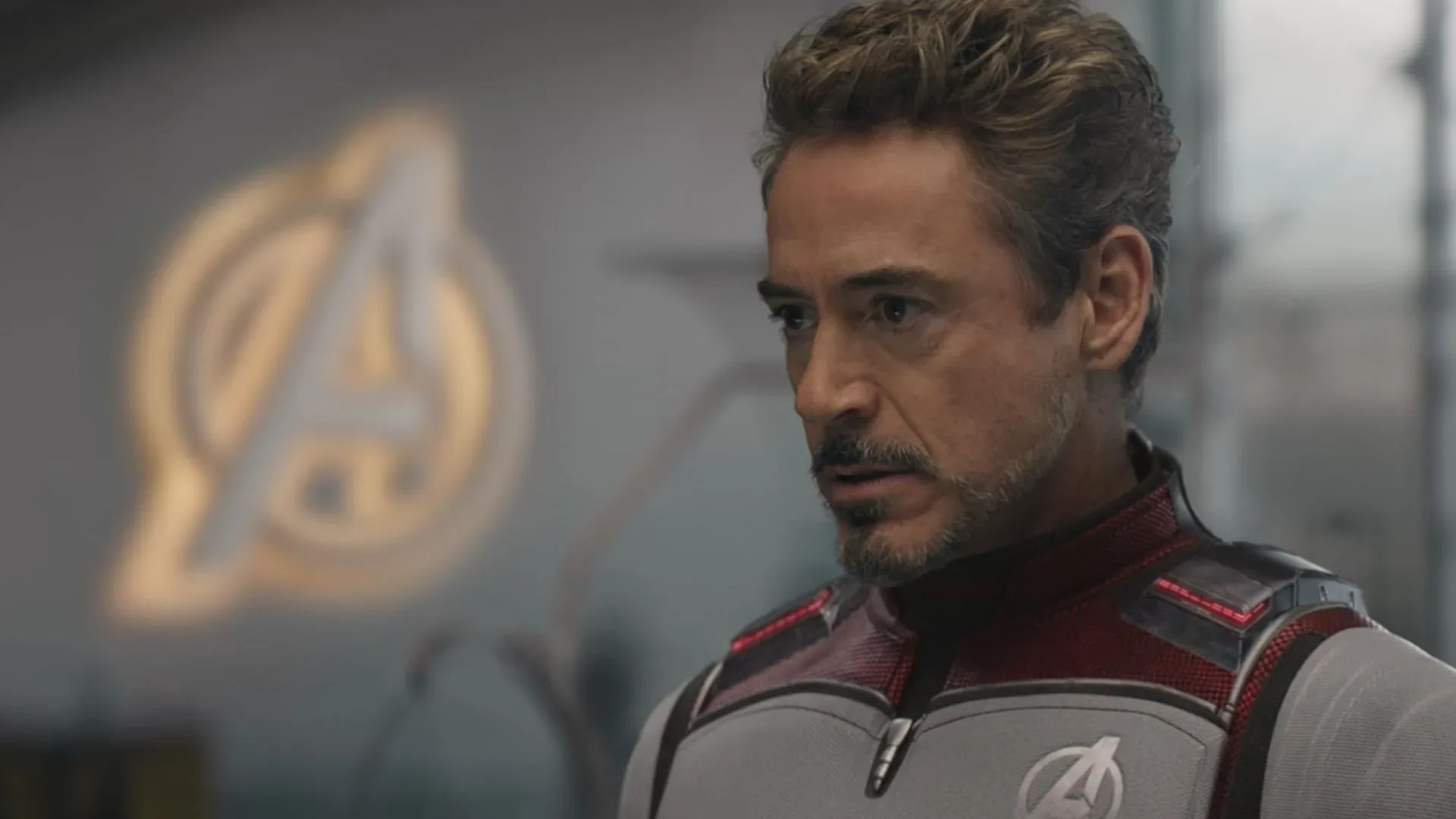
The theory looks to Tony’s time-travel trip in Avengers: Endgame, when he meets Howard Stark. It argues that the apparent timing around Maria Stark’s pregnancy may not neatly align with Tony’s birth, leaving room for an adoption. From there, the speculation leaps to a much larger premise: the infant could have come from Latveria and originally been Victor Von Doom.
Under that framework, the actor’s shared face becomes a visual consequence of the multiverse. In one reality, Victor is raised by Howard and Maria Stark and becomes Tony, the brilliant, reckless hero audiences knew as Iron Man. In others, he remains in Latveria and becomes Doom.
The dramatic appeal is obvious. It offers a way to connect the MCU’s foundational hero to a major villain without saying that the returning actor is simply replaying Tony Stark. It also creates a deliberately uncomfortable contrast: the same person, formed by different circumstances, might become either a self-sacrificing Avenger or an authoritarian figure.
Related coverage includes Marvel Theory Suggests Tony Stark Could Be the Doctor Doom Variant in Avengers: Doomsday.
That last element is interpretation, not a revealed plot point. The fan’s theory characterizes the Doom expected in Doomsday as a “God-King,” but viewers do not yet have the film itself to establish the precise nature of this version of Doom or the relationship, if any, between him and Tony.
What “variant” actually means in this discussion
In Marvel’s multiverse language, a variant is generally a version of a person from a different reality. The term can describe characters whose lives split in radically different directions, including versions with different identities, histories or appearances.
That flexibility is why the theory can exist at all. A multiverse story can accommodate a familiar face playing a different character. Yet that same flexibility is not proof that every shared face requires a literal family, adoption or variant explanation.
There are two distinct questions being bundled together:
- Why is Robert Downey Jr. playing Doctor Doom? This is a casting and storytelling question that remains unresolved in public.
- Is Victor Von Doom secretly Tony Stark, or a version of Tony? This is a specific in-universe claim, and there is currently no confirmation for it.
The difference matters. A film can use Downey Jr.’s presence to evoke the memory of Iron Man for the audience while still presenting Doom as a wholly separate character. A shared actor can be narratively meaningful without turning one character into the hidden origin of the other.
The Endgame scene does not prove an adoption
The proposed clue rests on a close reading of the 1970 sequence in Avengers: Endgame. Tony encounters Howard at a moment when Maria is pregnant, and the theory sees a possible mismatch in the timing.
However, the scene itself does not explicitly establish that Tony was adopted. Howard’s dialogue indicates that Maria’s pregnancy is already far along, which leaves room for the ordinary explanation: the timeline works without introducing an undisclosed adoption.
This is the biggest practical weakness in the idea. A theory can identify an ambiguity, but ambiguity alone does not turn into evidence for its most elaborate answer. The scene would need more than a debatable pregnancy calculation to support a revelation as consequential as “Tony Stark was born Victor Von Doom.”
There is also no supplied confirmation tying MCU Tony’s origin to Latveria. The Latverian component is what makes the theory vivid, because it connects Stark’s family directly to Doom’s expected identity, but it is also its largest unsupported step.
Feige’s comment is the crucial counterweight
Feige has addressed the concern that Doom may just be a multiversal repackaging of someone viewers already know. His answer was blunt:
“People wondered, ‘Is Doom just a variant of another character? Is this just a shortcut to bringing back another character?’ The answer is no. He’s Victor Von Doom.”
That statement does not explain why Downey Jr. has been cast, nor does it reveal the story mechanics behind Avengers: Doomsday. But it is a strong reason to resist the conclusion that Doom is simply Tony with a different costume and a darker disposition.
It also creates a useful distinction between actor association and character identity. The former is unavoidable: Downey Jr. is closely identified with Iron Man after playing Tony for years. The latter, based on Feige’s statement, remains Victor Von Doom.
Could a future film complicate that distinction with parallel worlds, visual echoes or unexpected connections? Certainly, multiverse stories are built to make viewers question relationships across realities. But the available comment sets a boundary around the simplest version of the fan theory. Doom should not be assumed to be Tony, and Tony should not be assumed to be a concealed Doom variant.
Why the theory still resonates
Even with thin textual support, the idea speaks to the unusual challenge Marvel has set for itself. Casting Downey Jr. as a new character brings emotional baggage by design. Audiences are likely to see Tony Stark before they see Victor Von Doom, at least initially. A story that makes that discomfort part of the drama could be compelling.
The adoption angle also gives the theory a thematic hook. Tony’s defining MCU journey involved responsibility, legacy and ultimately sacrifice. Reframing him as someone whose life was shaped by being raised in the Stark family offers a nature-versus-nurture premise: perhaps upbringing, circumstance and personal choice are the dividing lines between heroism and tyranny.
But that is exactly why theories like this need a clear label. It is a compelling possible theme, not currently established continuity. The MCU has not confirmed that Howard and Maria adopted Tony, that Tony has ties to Latveria, or that Doom’s appearance is explained by an alternate Stark upbringing.
For readers tracking the wider setup around the film, the broader Avengers: Doomsday handoff is already shaping up as more than a simple reunion exercise. Downey Jr.’s casting is one major ingredient, but it is not yet a complete answer to how Doom fits into the story.
What viewers can responsibly take from it
The best version of this theory is not “the MCU has secretly proven Tony Stark was Victor Von Doom.” It is a question worth carrying into the movie: will the film acknowledge the audience’s association between Downey Jr. and Iron Man, and if it does, will that acknowledgment be literal, multiversal, thematic or simply unsettling?
For now, the known points are limited:
- Robert Downey Jr. is returning to the MCU as Doctor Doom.
- Avengers: Doomsday is scheduled for December 18, 2026.
- A fan theory reads the Endgame time-travel sequence as possible support for Tony being an adopted child connected to Latveria.
- The film has not confirmed that interpretation.
- Feige has said Doom is Victor Von Doom and rejected the notion that he is just a variant-based shortcut for bringing back another character.
That leaves plenty of room for speculation, but it also leaves the adoption theory where it belongs: on the fun, inventive edge of MCU discussion. It may be an elegant explanation for a familiar face beneath Doom’s mask. Until Avengers: Doomsday provides an answer, though, it is not evidence that Iron Man’s history has been secretly rewritten.