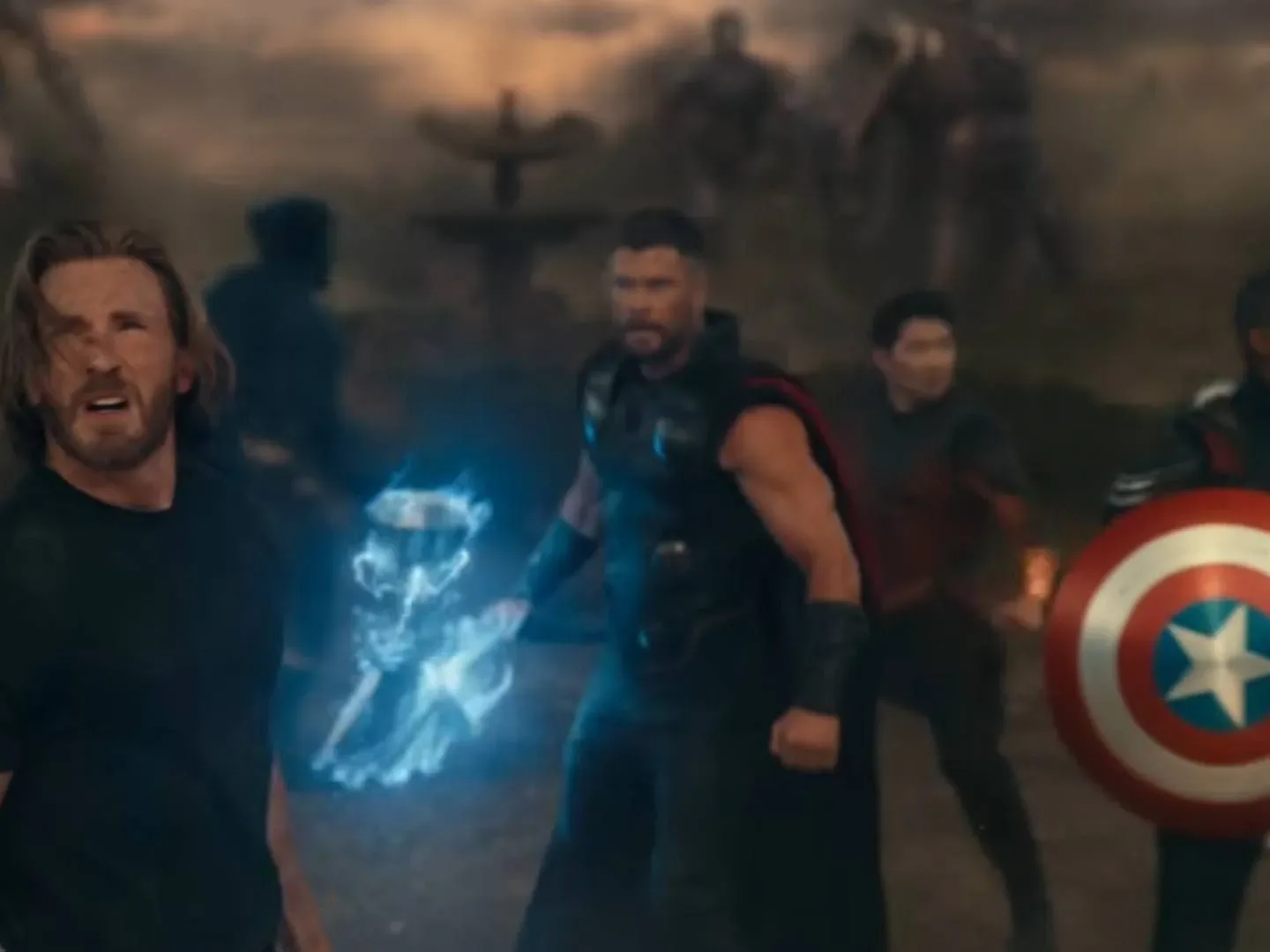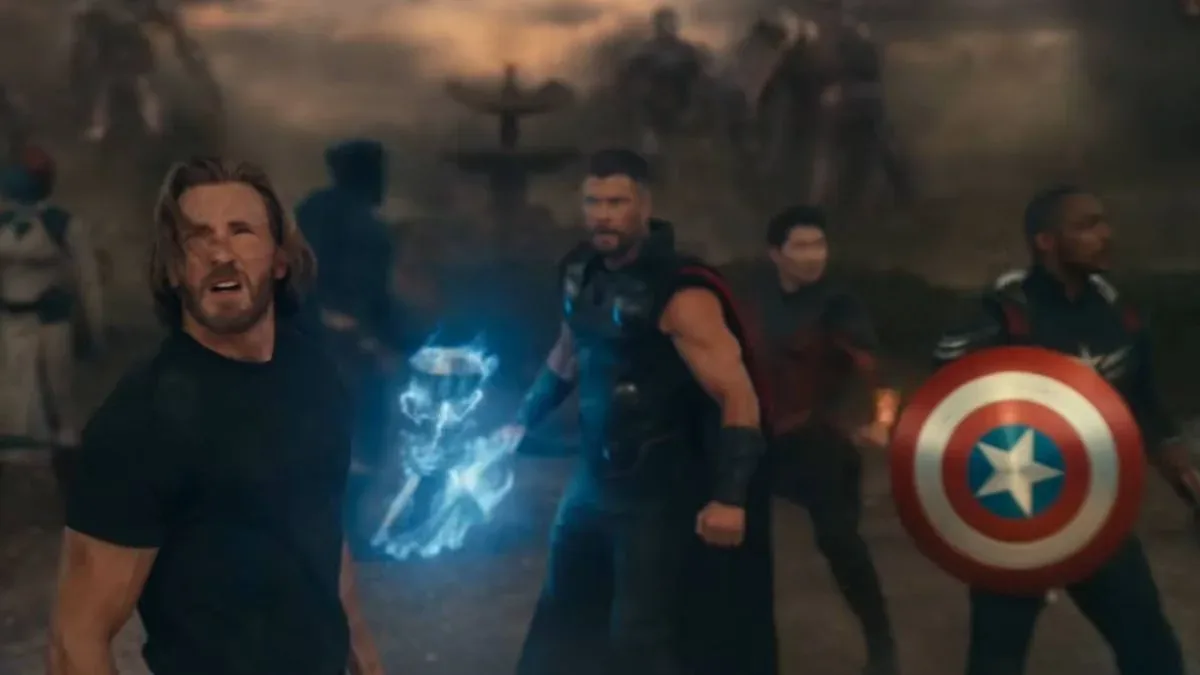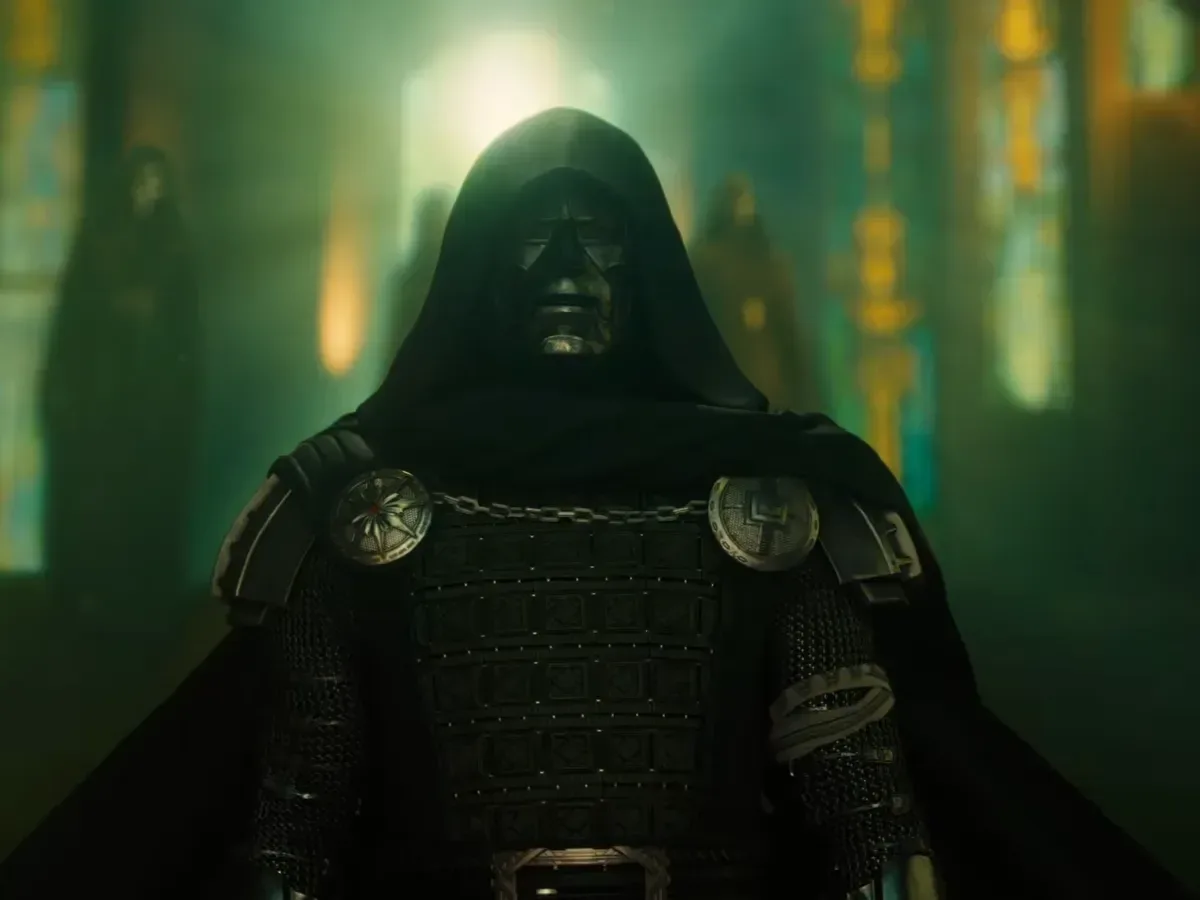
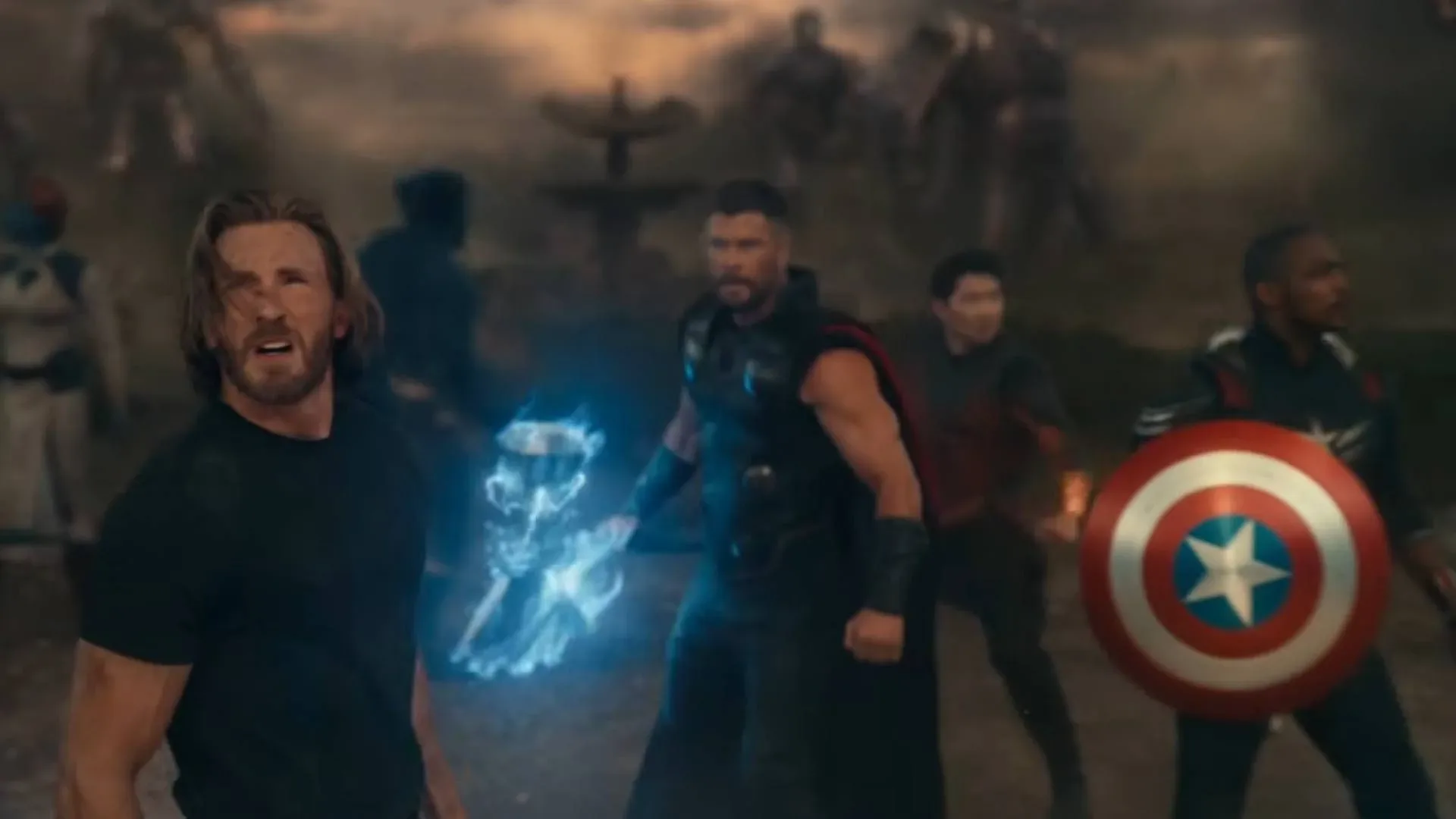
Avengers: Doomsday has a roster problem—and potentially a roster solution. The latest look at the Doctor Doom showdown brings the Avengers together with the New Avengerz, the Fantastic Four and X-Men characters connected to the earlier Fox-era films. It is an intentionally enormous collision of Marvel screen history, with the multiverse providing the narrative excuse for nearly everybody to enter through the same extremely busy door.
That scale can be fun. It can also become a barrier. Thor’s apparent confusion in the trailer—he says he does not know what many of the assembled heroes actually do, or who they are—works as a joke, but it captures the audience challenge facing the movie. Years of films and series have introduced a wide field of heroes since Avengers: Endgame concluded the Infinity Stone story in 2019. A crossover can reward people who followed every branch; it still has to give viewers a reason to care about the people in front of them rather than treating them as a parade of familiar costumes.
The important question, then, is not simply how many heroes can fit into Doomsday. It is whether the film and its follow-up, Avengers: Secret Wars, can turn an all-star reunion into a genuine handoff. The evidence currently available points toward both possibilities: returning veterans will still command attention, while several newer groups are positioned to inherit a much larger share of the franchise’s future.
The old guard is back, but the story cannot stand still
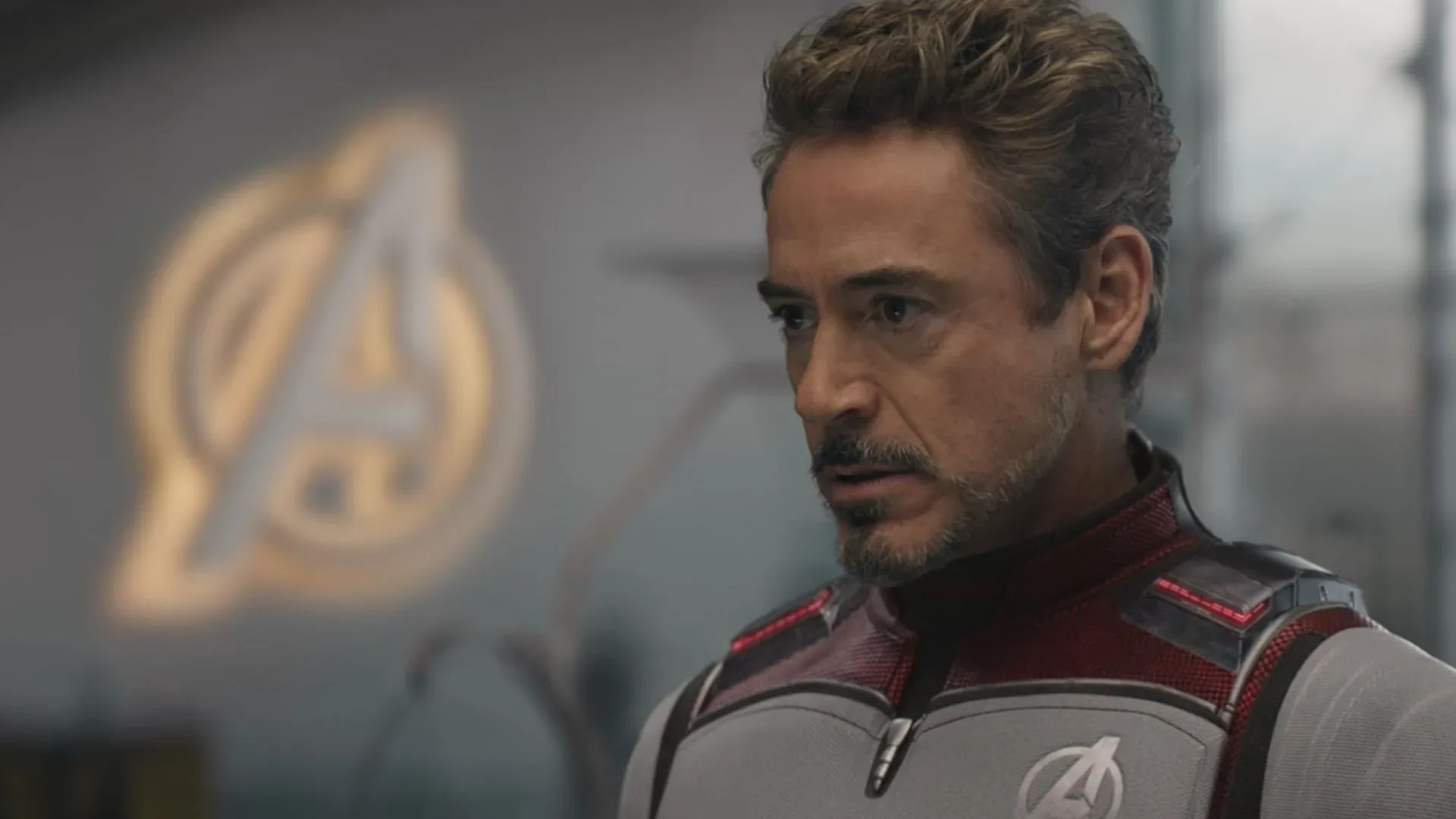
The returning lineup carries obvious nostalgic weight. Chris Evans is again associated with Steve Rogers, Chris Hemsworth’s Thor is back, and Robert Downey Jr. returns in a different role. These are names closely tied to the first major Avengers era, which makes their presence an understandable draw for a story framed around Doctor Doom and a multiversal crisis.
But nostalgia has a cost when it becomes the only organizing principle. Endgame was presented as a culmination, and Steve Rogers’ story appeared to reach a natural close there. Bringing long-running figures back may be dramatically justified by the new conflict, but it also risks overshadowing heroes introduced through Marvel’s later Phases Four, Five and Six.
A “phase” is Marvel’s label for a connected run of films and shows. It is not just a release schedule: the term signals which characters, conflicts and ideas are supposed to build toward the next shared event. The post-Endgame phases expanded the board considerably. That expansion produced potential successors, but it also created the issue Thor’s line points to: viewers may know individual characters without yet seeing a clear center of gravity for the team.
Doomsday may be designed to make that uncertainty part of the drama. A multiverse story, in this context, means characters and worlds from separate continuities can intersect. It allows the Fantastic Four and the earlier-film X-Men to stand alongside the contemporary Avengers without requiring them to have occupied the same cinematic history all along. The mechanism is useful for spectacle, though it does not automatically solve the emotional problem of a packed ensemble.
A crowded cast also makes consequences more plausible. No specific character outcome should be assumed from trailer material, particularly when major promotional campaigns can withhold late-story developments or use misdirection. Still, an event film built around this many heroes has limited room to keep every status quo intact. Retirement, loss and changed allegiances are all narrative routes that could clear space without making the return of veteran characters feel pointless.
The New Avengerz offer a different kind of team identity
One obvious successor group is the former Thunderbolts, now called the New Avengerz. Under Val Cooper, this collection of former villains and compromised figures is pursuing redemption rather than arriving with the cleaner heroic mythology traditionally associated with the Avengers name.
That distinction matters. Marvel teams have included characters with difficult histories before, including Black Widow and the Winter Soldier. The New Avengerz proposition appears more openly rooted in people who have done harm and must decide what heroism looks like afterward. It gives the Avengers concept a different energy: not a gathering of polished icons, but a group whose credibility must be earned repeatedly.
Yelena Belova’s presence makes the tonal contrast easy to see. She is not framed like an invincible cosmic powerhouse; the humor of sending her and her weapons toward a threat as imposing as Doctor Doom underscores the mismatch. Yet a team does not need to be the strongest collection of people in the room to be useful dramatically. Characters with a chequered past can bring friction, suspicion and practical instincts that an idealistic super-team may lack.
The New Avengerz are therefore more than spare parts for an oversized battle. They could represent a parallel answer to the question of what comes next: a team that keeps the Avengers-scale mission while refusing to pretend its members are uncomplicated symbols. Whether they emerge from Doomsday intact is unknown, and the scale of the threat makes every prediction precarious. Their continued existence, however, would give future stories a distinctly different foundation from simply reassembling the old guard.
The Young Avengers groundwork is finally visible
The clearest long-term succession possibility is a Young Avengers team. In comics, the group was created by Allan Heinberg and Jim Cheung in 2005 and began as young super-powered characters with connections to established Avengers. Marvel’s screen universe has gradually introduced counterparts and adjacent candidates across separate projects, even if the team itself has not formally appeared as a unified on-screen institution.
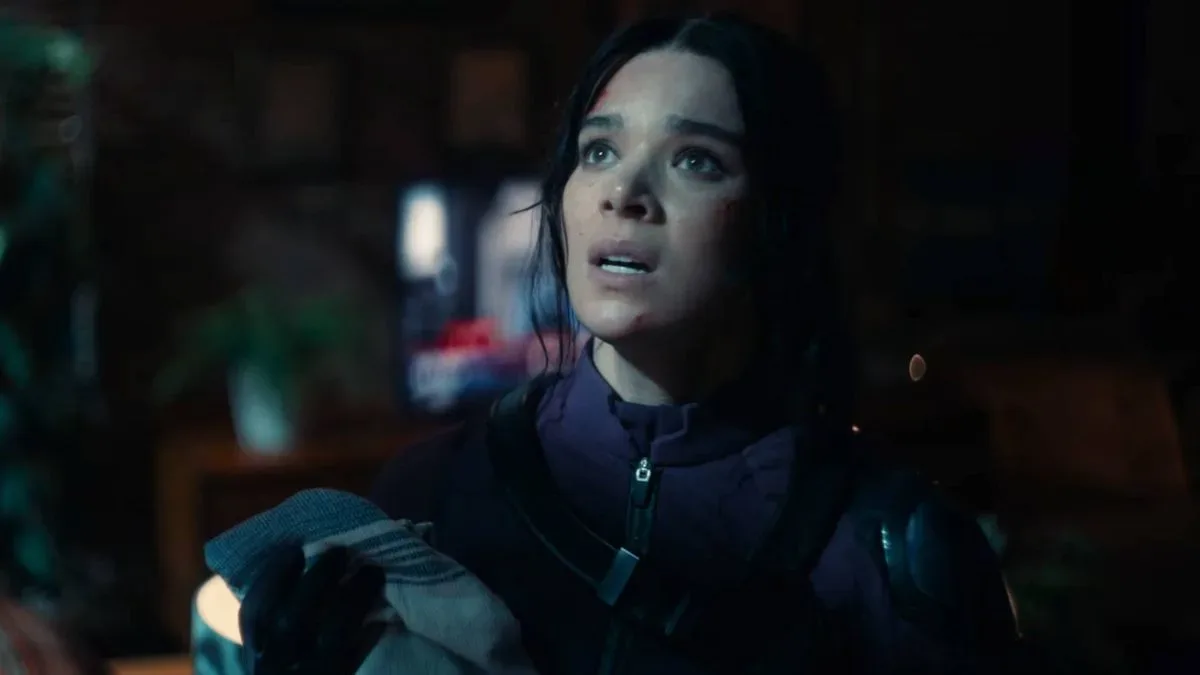
Kamala Khan is a key connective figure. At the end of 2023’s The Marvels, Ms. Marvel approached Kate Bishop with the idea of gathering younger heroes. That scene did not settle the complete lineup or promise a particular release, but it gave the prospective team an explicit in-story starting point. Kate’s return in Doomsday, played by Hailee Steinfeld, makes that thread feel more immediate.
Kamala’s later mention in Daredevil: Born Again adds a small but useful piece of connective tissue. Her father said she was visiting friends in California. Cassie Lang, played by Kathryn Newton, lives there, and the latest Doomsday trailer places Cassie with Kate. None of that alone confirms a formal roster, but it is the sort of deliberate overlap that makes a team-up seem increasingly likely rather than merely wishful.
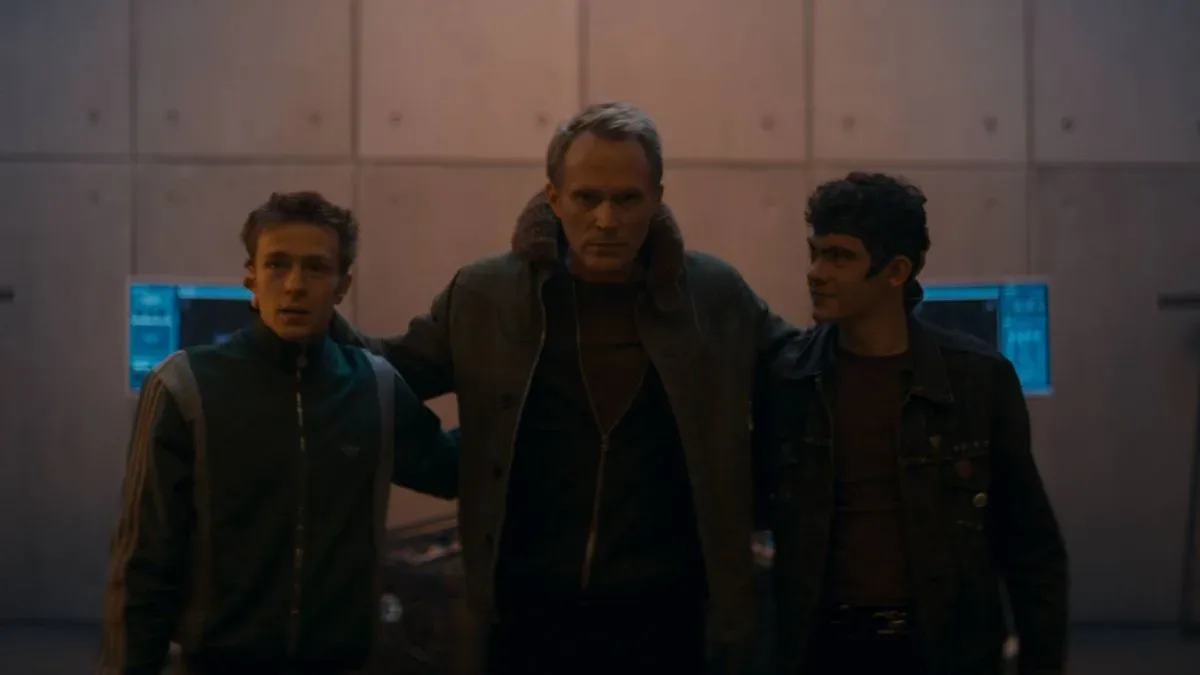
Wiccan and Speed are another strong piece of the puzzle. The brothers were united at the end of VisionQuest, while a post-credits scene linked the series directly to Doomsday through Doctor Doom’s surprise recruitment of Wanda Maximoff, their mother. A post-credits scene is a short sequence placed during or after a production’s credits, commonly used to set up a future story. In this case, the device turns what might have been a separate family thread into one with an apparent connection to the imminent Avengers event.
Several other candidates have already appeared: Kid Loki, played by Jack Veal, in the first season of Loki; America Chavez, played by Xochitl Gomez, in Doctor Strange in the Multiverse of Madness; and Elijah Bradley, played by Elijah Richardson, in The Falcon and the Winter Soldier. Skaar, Hulk’s son played by Wil Deusner, also made a brief silent appearance in the She-Hulk: Attorney at Law finale.
That pool is extensive enough to show why Marvel does not need to manufacture a new generation from scratch. The practical task is more difficult: select a manageable core, make their relationships legible, and ensure they do not exist merely to echo older heroes. Kate and Cassie are linked to Hawkeye and Ant-Man. Wiccan and Speed carry their family history. Kamala has already acted as a would-be recruiter. Those connections are a launchpad, not a substitute for personalities and goals that belong to the younger characters themselves.
What a passing of the torch would actually require
Marvel leadership has characterized Doomsday and Secret Wars as a transfer from one universe to another, with Secret Wars intended to lead into a very new era beginning in 2028, the MCU’s 20th anniversary. A new X-Men film, a third Black Panther film and a new Ghost Rider are among the identified parts of that era, with three further Marvel films not specified.
That is a broad direction, not a detailed map. There is no stated confirmation here of a Young Avengers film, nor is there a complete public picture of who survives, leaves, or leads after the two Avengers features. It is reasonable to see the ingredients for a Young Avengers project, but it is still analysis rather than a confirmed slate item.
For the handoff to work, the upcoming films need to do more than remove familiar heroes from the frame. A replacement is not automatically a successor. The newer characters need decisions that change the outcome of the crisis, dynamics that distinguish them from the heroes who inspired them, and enough space to establish why they would choose to form or remain in a team once the emergency ends.
That is especially significant for casual viewers. Marvel cannot assume every person walking into Doomsday has memorized a decade of credits scenes and streaming appearances. The movie has an opportunity to reintroduce the newcomers through clear motivations and useful actions, rather than treating prior homework as the price of admission. A huge crossover succeeds when the audience understands the immediate stakes and can follow a handful of emotional through-lines, even if the wider universe remains vast.
The New Avengerz and a potential Young Avengers lineup offer two complementary routes forward: one group shaped by redemption and hard experience, the other by emerging identity and inherited expectation. The Fantastic Four and X-Men presence expands the multiversal stakes, while the established Avengers provide the familiar connective tissue. The challenge is choosing a future rather than just displaying every available past.
Avengers: Doomsday is scheduled for theaters on December 18 in the United States and December 16 in the United Kingdom. Until the complete story is on screen, claims about hidden acts, absent characters or permanent fates remain speculation. What is already clear is that Marvel has built the materials for a major reshuffle—and a reunion only earns its place if it leaves something new behind.
For another look at how a legacy franchise can use a returning idea without simply replaying it, see GTA 6’s headphones and the Vice City idea that waited 24 years.