Warning: this article discusses the post-credits material attached to the Avengers: Endgame Encore rerelease.
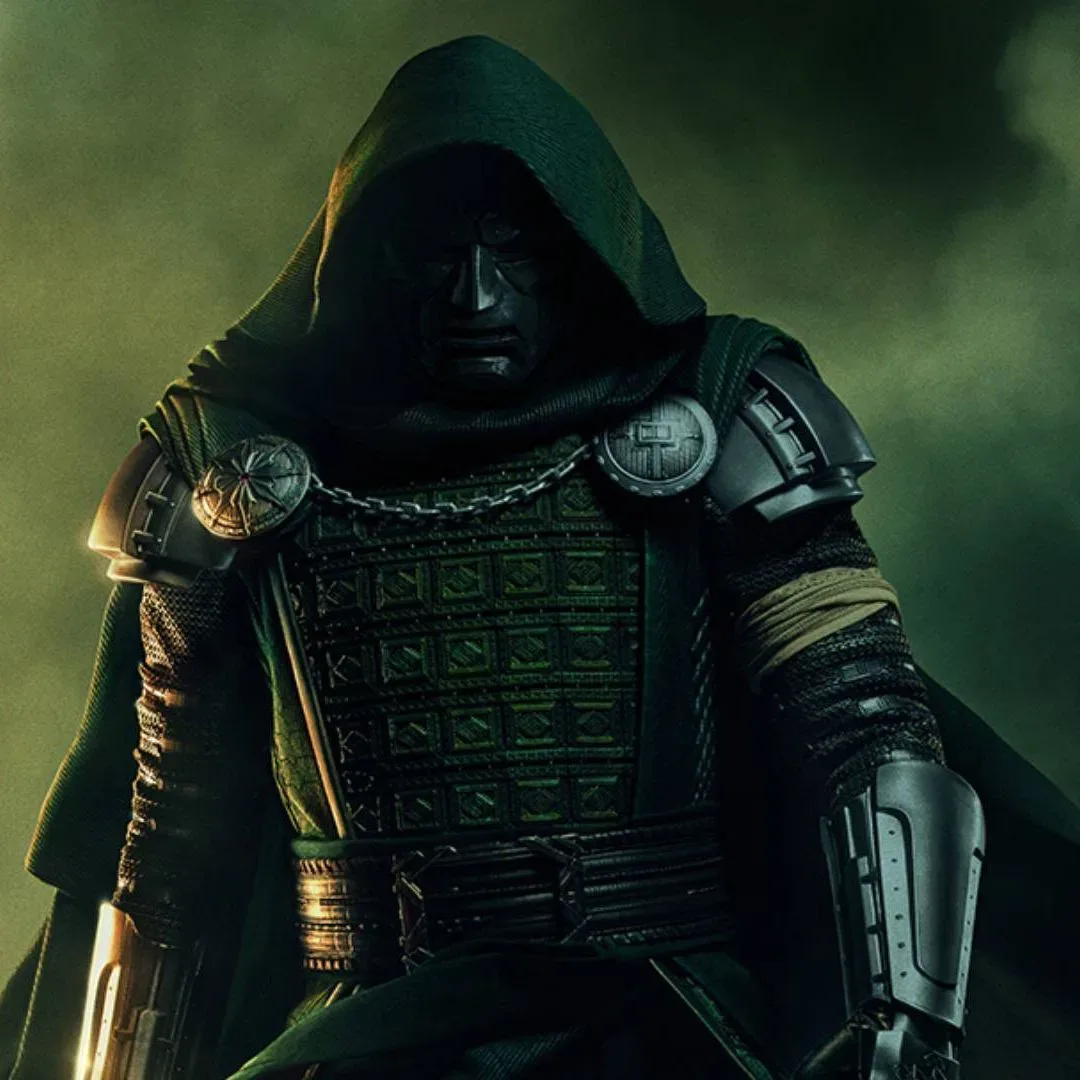
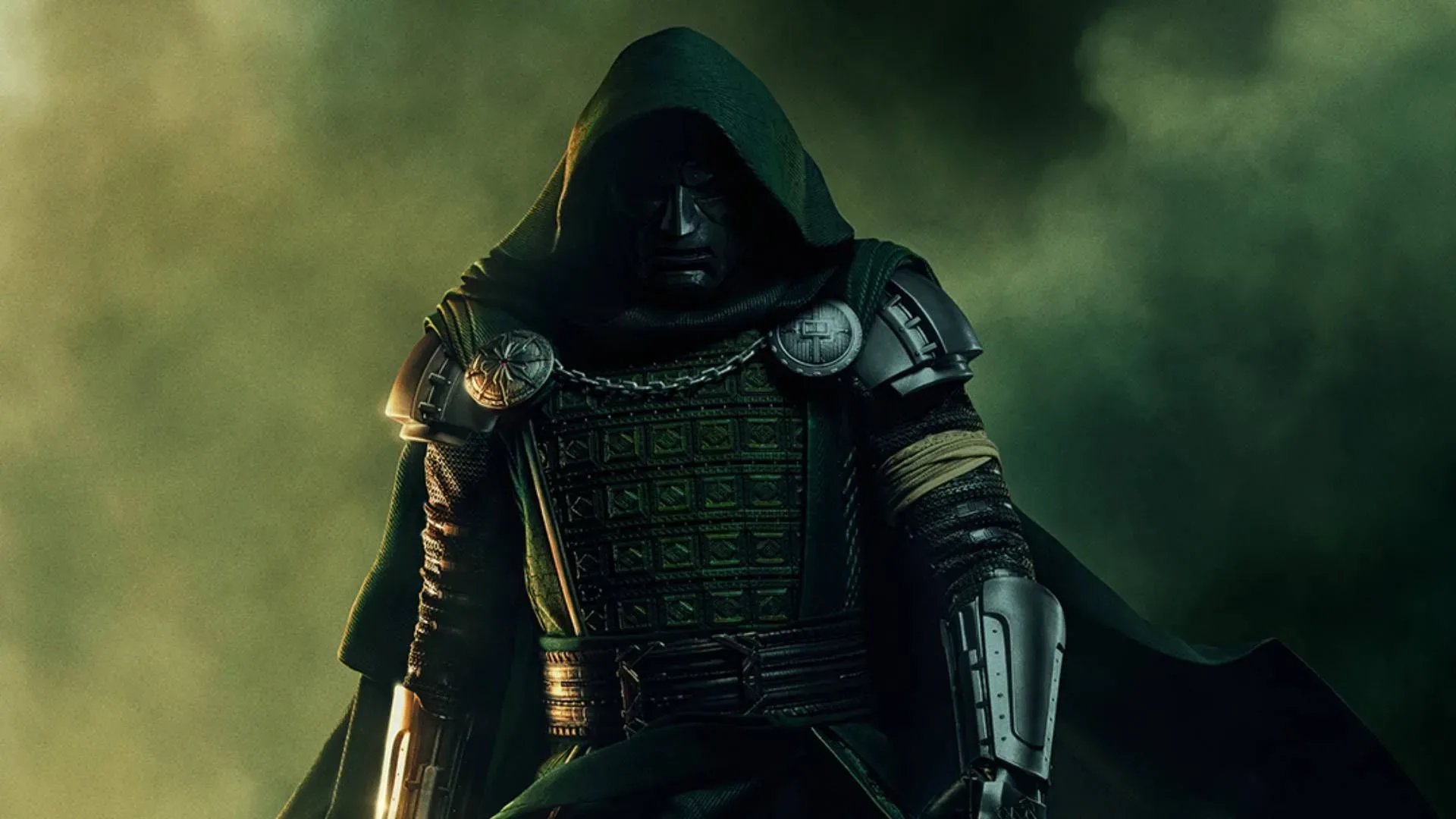
A brief bit of sound-and-image storytelling has given Marvel speculation a shiny new metal mask to wear. The Avengers: Endgame Encore rerelease reportedly connects the hammer-on-iron audio cue heard at the close of the original film’s credits with imagery of Victor Von Doom forging his mask. Because that sound deliberately recalled Tony Stark building the first Iron Man suit, viewers have begun asking whether the parallel is more than a visual flourish.
The resulting theory is straightforward, even if its eventual answer may not be: Robert Downey Jr.’s Victor Von Doom could be a Tony Stark variant from another timeline. Under that reading, the montage is not simply introducing a famous Marvel antagonist. It is showing an altered origin point for a face the audience already associates with Iron Man—a similar act of forging, traveling down a radically different path.
That is still theory, not confirmation. The available footage can support several readings, including the simplest one: a dramatic tease for Doom that uses ironworking imagery because metal, masks, armor and invention are meaningful parts of both characters’ screen iconography. But the decision to place Doom’s mask-making alongside an audio cue so closely linked to Tony’s earliest cinematic moment has made the variant explanation hard for fans to ignore.
What the Encore footage appears to connect
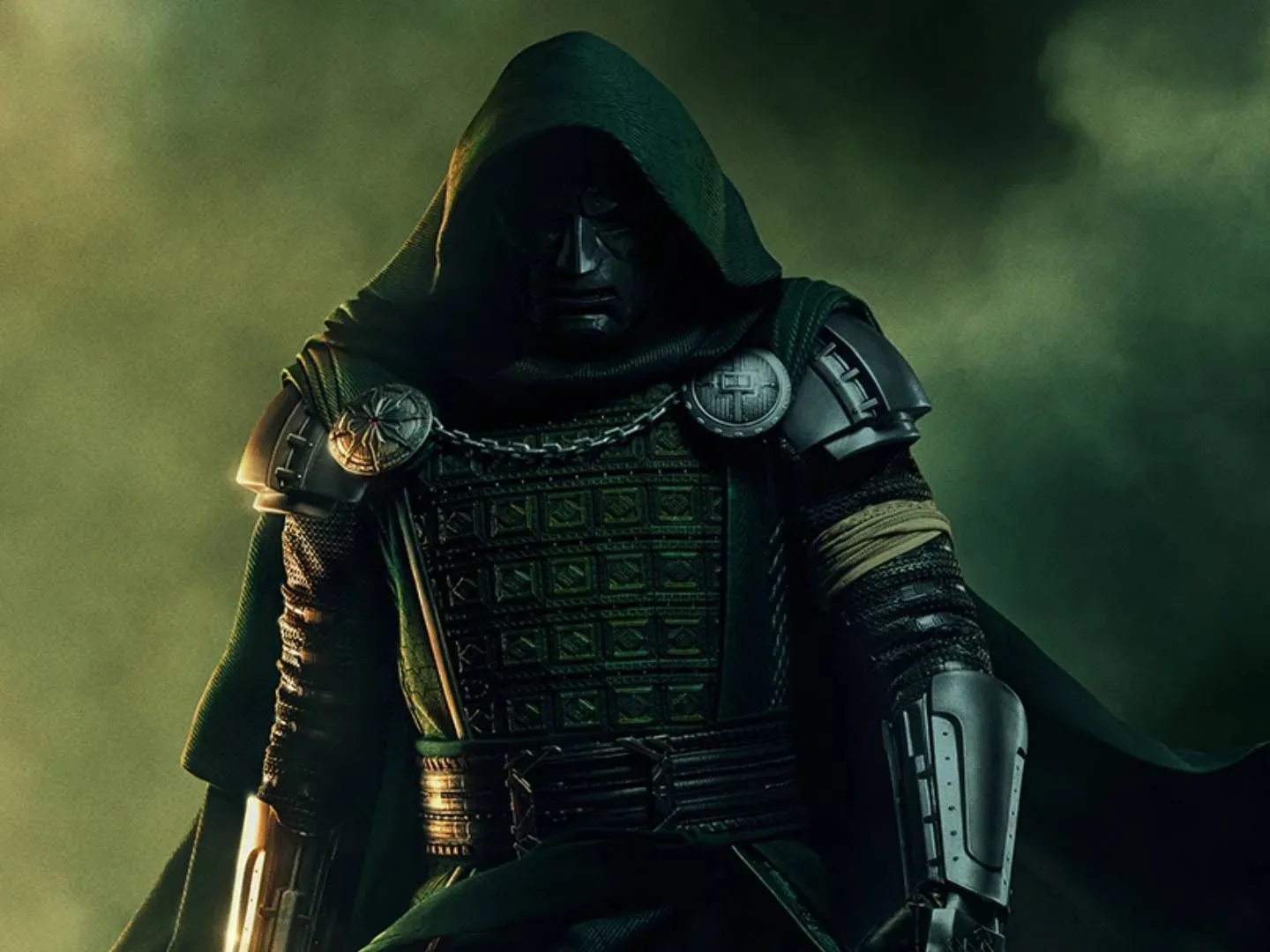
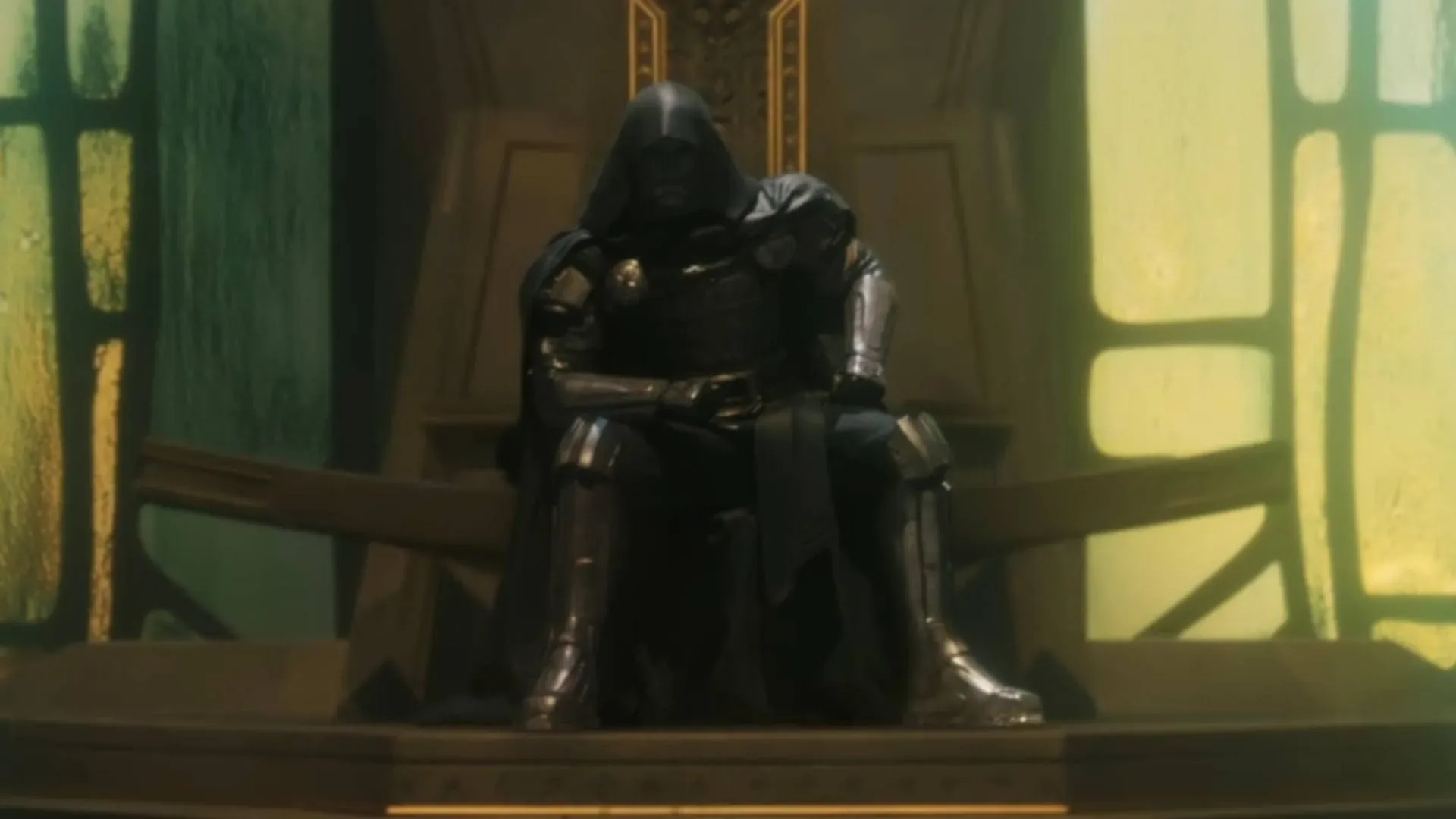
At the end of the original Avengers: Endgame credits, the audience heard the sound of a hammer striking iron. It functioned as an echo of Tony Stark constructing his first Iron Man suit in the first Iron Man film. The Encore material reportedly adds shots of Doctor Doom forging his mask to that familiar sound.
In isolation, the new imagery is an efficient way to introduce Doom’s visual identity. A mask is not just an accessory in this kind of villain presentation; it is a symbol, an immediate silhouette, and a promise that the character will arrive with a distinctive persona. Pairing its construction with a hammering sound makes the teaser tactile. It gives the moment weight without requiring dialogue or an explanation of where Doom has been.
Placed after Endgame, however, the sequence invites comparison. Tony’s story is inseparable from technology and the physical work of turning raw materials into survival equipment. Doom forging a mask to the same sonic rhythm creates a deliberate rhyme between the two images. A rhyme does not have to mean the two people are literally the same person, but it does tell viewers that the productions want them considered together.
That distinction matters. A teaser can establish thematic contrast without establishing a plot fact. Doom might be framed as a dark reflection of Stark: another brilliant, forceful figure associated with metalwork, but one whose choices lead elsewhere. Or the teaser may be laying groundwork for the more literal possibility that Downey’s Doom shares a multiversal origin with Tony.
What “variant” means in this theory
Within Marvel’s established multiverse storytelling, a variant is a version of a person from a different reality or timeline. The word does not merely mean someone with similar traits, a successor, or a symbolic counterpart. The key idea is that distinct worlds can produce alternate versions of people, sometimes with strikingly different lives.
That is why the theory has appeal in this particular case. If Doom is a Tony Stark variant, the shared appearance has an in-story framework rather than being treated as a casting coincidence. The question becomes less “Why does Victor Von Doom look like Tony Stark?” and more “What happened in this reality that turned this version of Stark toward Doom?”
Fans responding to the Encore scene have characterized it as an apparent villain-arc version of Tony from another timeline. Their logic is understandable: the hammering callback offers an origin-story mirror, while the mask provides a visual marker of divergence. One begins by making a suit that becomes Iron Man’s defining image; the other is shown making the object most associated with Doctor Doom.
Yet the evidence stops short of saying that the two origin stories are identical, that Doom was ever called Tony Stark, or that a particular timeline has been identified. Those details have not been established by the teaser material described here. The interpretation is strongest as a possible direction, not as a completed piece of continuity.
Why the theory fits the larger setup
The upcoming Avengers: Doomsday is expected to feature the original X-Men cast, and the post-credits material also reportedly points toward a collapsing multiverse. Those ingredients make alternate realities central to the conversation around the next Avengers storyline.
A collapsing multiverse, in plain terms, suggests that separate realities are no longer safely separate. It creates room for characters, histories and consequences from different worlds to collide. In storytelling terms, that gives Marvel a route to bring together people who normally could not meet, or to show the audience familiar faces in unfamiliar roles.
That context does not prove the Stark-variant theory, but it removes one objection that might exist in a more grounded continuity. A Doom who resembles Tony would not need to be explained away as a strange coincidence if the plot is already operating across realities. The multiverse supplies the mechanism; the Encore stinger may be supplying the emotional provocation.
There is a broader dramatic advantage to that approach as well. Tony Stark’s legacy carries enormous emotional weight after Endgame. Casting the same actor as a major adversary means the story can use audience recognition as part of the tension. Other heroes may see Doom’s face and be forced to reckon with their memories of Tony, whether or not Doom himself has any connection to their world’s Iron Man.
That possibility is separate from the variant question. Doom could look like Tony without being Tony, and the resemblance alone could still be weaponized dramatically. Conversely, making him a variant would deepen the premise by tying resemblance to a different life and different decisions. The teaser’s forging imagery works for both interpretations, which is exactly why it has generated so much debate.
Joe Russo’s guarded answer leaves the door open
Joe Russo has addressed the obvious question surrounding Downey playing Doom while declining to spell out the explanation. His response was that the reason would make sense once audiences watched the films. It is not a confirmation of a Tony Stark variant, but it does indicate that the likeness is meant to have an eventual narrative explanation rather than being ignored.
“I’m not going to give away anything. It will all make sense when you watch the movies.”
That wording is broad on purpose. It could point to a multiversal identity reveal, a different narrative link between Stark and Doom, or another explanation entirely. It does, however, make the Encore imagery feel more consequential than a random end-credits embellishment. If the face-sharing question is part of the plan, a sequence that recalls Iron Man’s birth while showing Doom’s mask being made is an especially pointed piece of foreshadowing.
The safest reading is that the films are inviting the audience to notice the connection before explaining it. Marvel has not supplied enough information in this material to settle the connection’s exact nature.
What to watch for in Doomsday and Secret Wars
If the variant theory is heading somewhere, Avengers: Doomsday and Avengers: Secret Wars are the likeliest places for the films to clarify it. The immediate markers to watch are not just more shots of the mask or metalwork, but the language characters use around Doom’s identity.
- Recognition: Does anyone who knew Tony react to Doom as though the resemblance is impossible to dismiss?
- Timeline detail: Is Doom linked to a specific alternate reality, rather than simply arriving as a new threat?
- Origin parallels: Does the story return to invention, armor, captivity, survival or another element that explicitly echoes Iron Man’s beginning?
- Doom’s own knowledge: Does he know anything about Tony Stark, or is he presented as a wholly separate person who merely shares a face?
- The multiverse crisis: Does the collapsing-reality storyline create the circumstance that brings Doom into contact with the Avengers’ world?
Any one of those elements could move the conversation forward. None is required for the mask-forging sequence to work as a mood piece, but together they would help distinguish an intentional identity mystery from a thematic callback.
There is also an important practical implication for viewers: do not treat every visual parallel as a lore declaration. Franchise post-credits scenes frequently operate as trailers for an idea. They can establish tone, point toward a future character, or provoke questions that are resolved in a more complicated way later. The Endgame Encore moment appears designed to do all three at once—celebrate Iron Man’s foundational imagery, announce Doom’s arrival, and make Downey’s casting impossible to discuss in purely surface-level terms.
A metal-on-metal clue, not a final verdict
The strongest case for the Tony Stark variant theory is the intentional pairing: the original Iron Man forging callback, followed by Doom forging his mask, at a time when multiverse collapse is part of the developing Avengers setup and Downey’s dual association is known to matter. That is substantial fuel for speculation.
The limit is just as important. The footage has not established that Victor Von Doom is Tony Stark, that he originates in a named alternate timeline, or that the mask sequence recreates Tony’s history beat for beat. It has established a connection worth watching.
Until Doomsday or Secret Wars supplies the missing context, Doom’s forge can be read as a carefully placed question mark hammered into the end credits. And as superhero timeline chatter gets increasingly tangled, it may be worth keeping an eye on how another comic-book universe is playing with chronology in this look at Gorilla Grodd’s DCU mockumentary timeline.