Major spoilers follow for Avengers: Endgame Encore, including its newly added ending material and credits scenes.
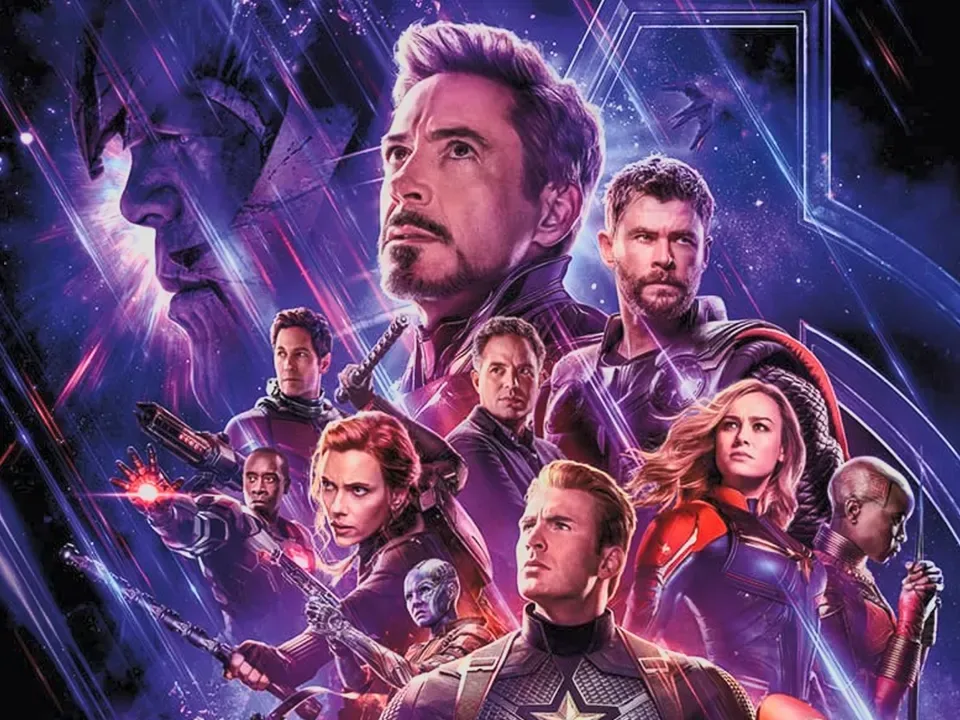
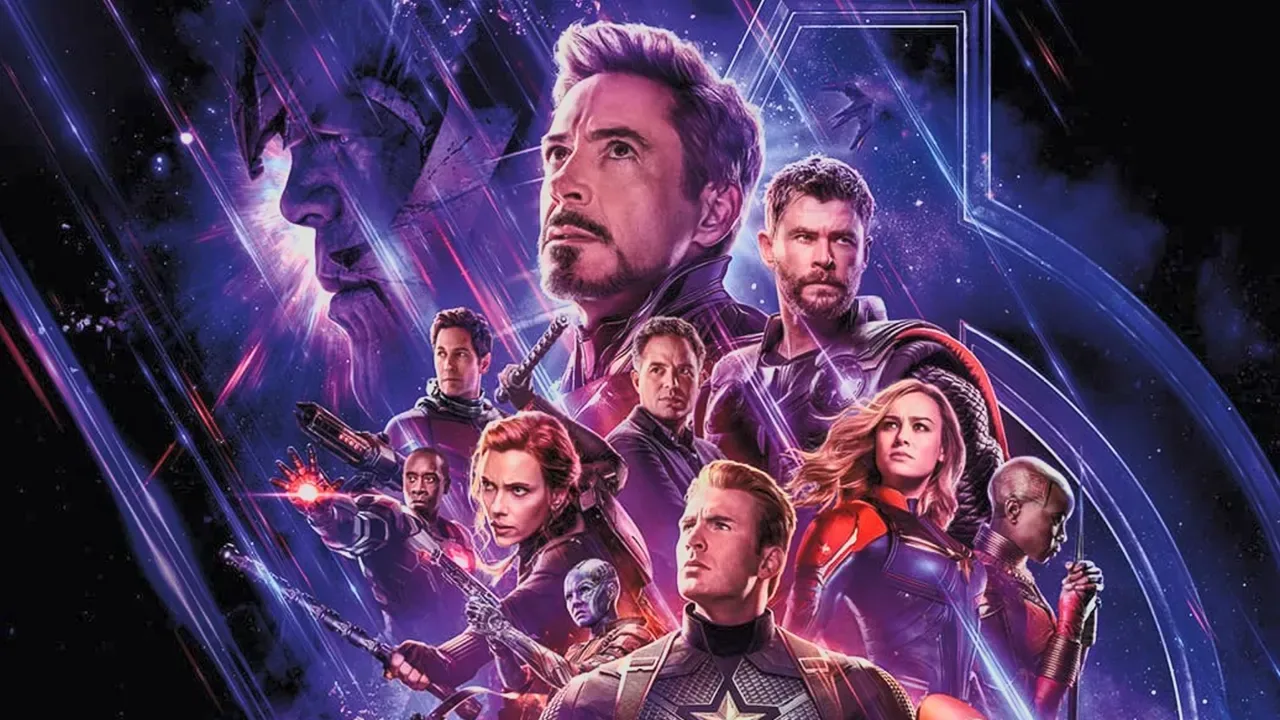
Avengers: Endgame Encore, the extended and reworked version of Marvel’s 2019 blockbuster, is set to arrive on Disney+ in the U.S. on Friday, November 13. An official listing visible to subscribers confirms the near-term streaming debut for the version that recently returned to cinemas.
The original Avengers: Endgame has long been available through Disney’s streaming service. Encore is not simply that earlier cut being promoted again, however. It is presented as a substantially refreshed edition, with new color grading and additional sequences filmed during production of Avengers: Doomsday.
That distinction matters for viewers deciding whether to revisit the film. The core story remains the familiar conclusion to the Infinity Saga, but Encore turns a retrospective screening into an explicit piece of setup for the next Avengers event. Its changes are concentrated at the finale and in newly expanded credits material, where characters and concepts from later Marvel projects begin to intrude on the original ending.
What changes in Avengers: Endgame Encore?
The headline alteration comes at the very end of the movie. In the original version, Steve Rogers and Peggy Carter’s reunion was allowed to play as an uninterrupted happy ending. Encore disrupts that moment with Loki’s arrival, apparently during his work as an agent of the TVA.
TVA is short for the Time Variance Authority, the organization central to Loki. In practical story terms, its appearance places an institution associated with monitoring and managing timelines directly inside an ending that once felt deliberately final. That is a meaningful tonal shift: what had been a private epilogue for Steve and Peggy becomes a possible point of contact with the larger multiverse narrative.
Encore also adds both mid-credits and post-credits material. One scene uses a found-footage approach for Bruce Banner and is set after his appearance in Spider-Man: Brand New Day. “Found footage” generally describes imagery framed as if it was recorded from within the fictional world, rather than photographed in the conventional polished style of the main film. The supplied details do not establish how extensive this Banner sequence is, but its placement after another Bruce Banner appearance makes it a forward-facing addition rather than a missing beat from Endgame’s original plot.
Another added scene takes place inside the TVA and features multiple characters from the Loki series. Together with Loki’s interruption of Steve and Peggy’s ending, that scene gives the TVA a prominent role in Encore’s new connective tissue.
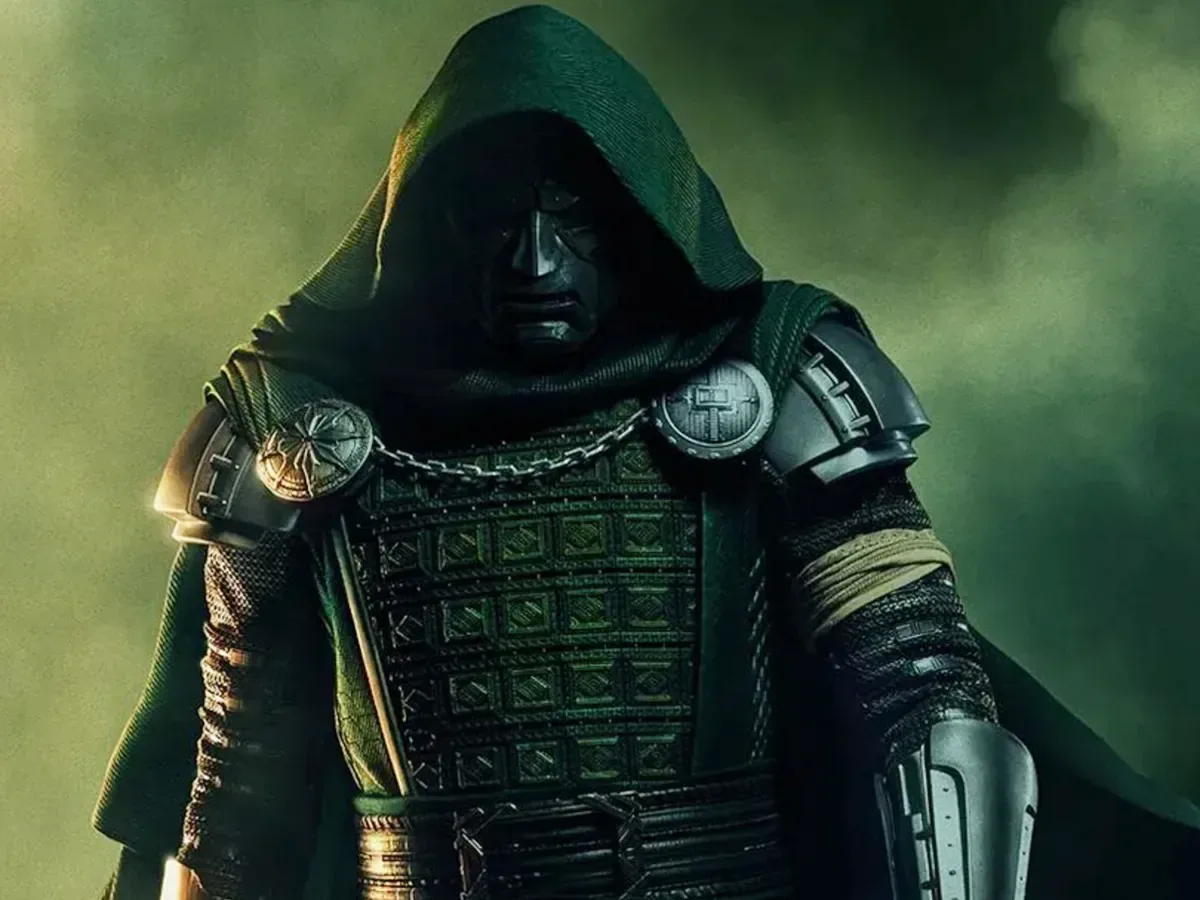
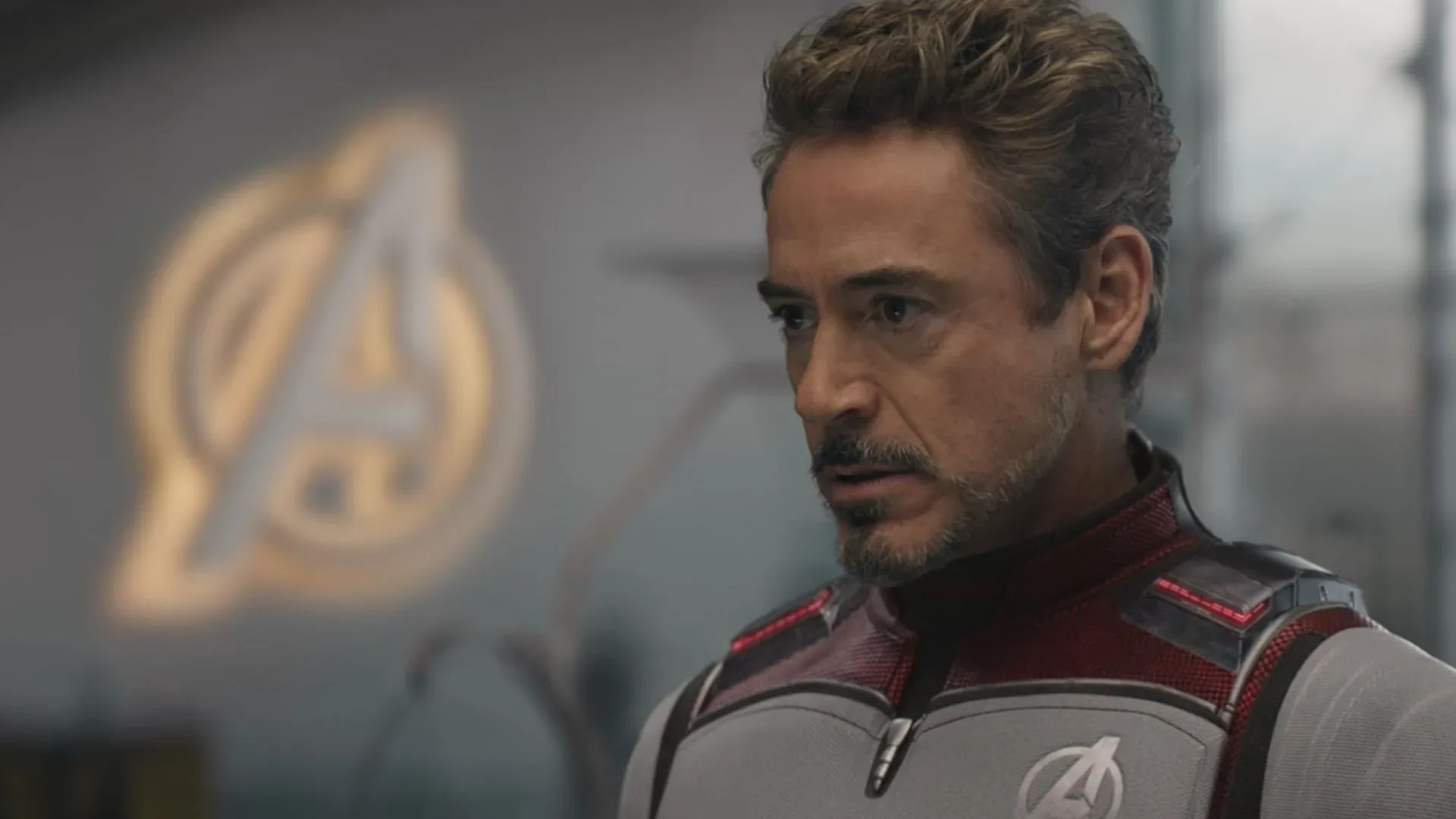
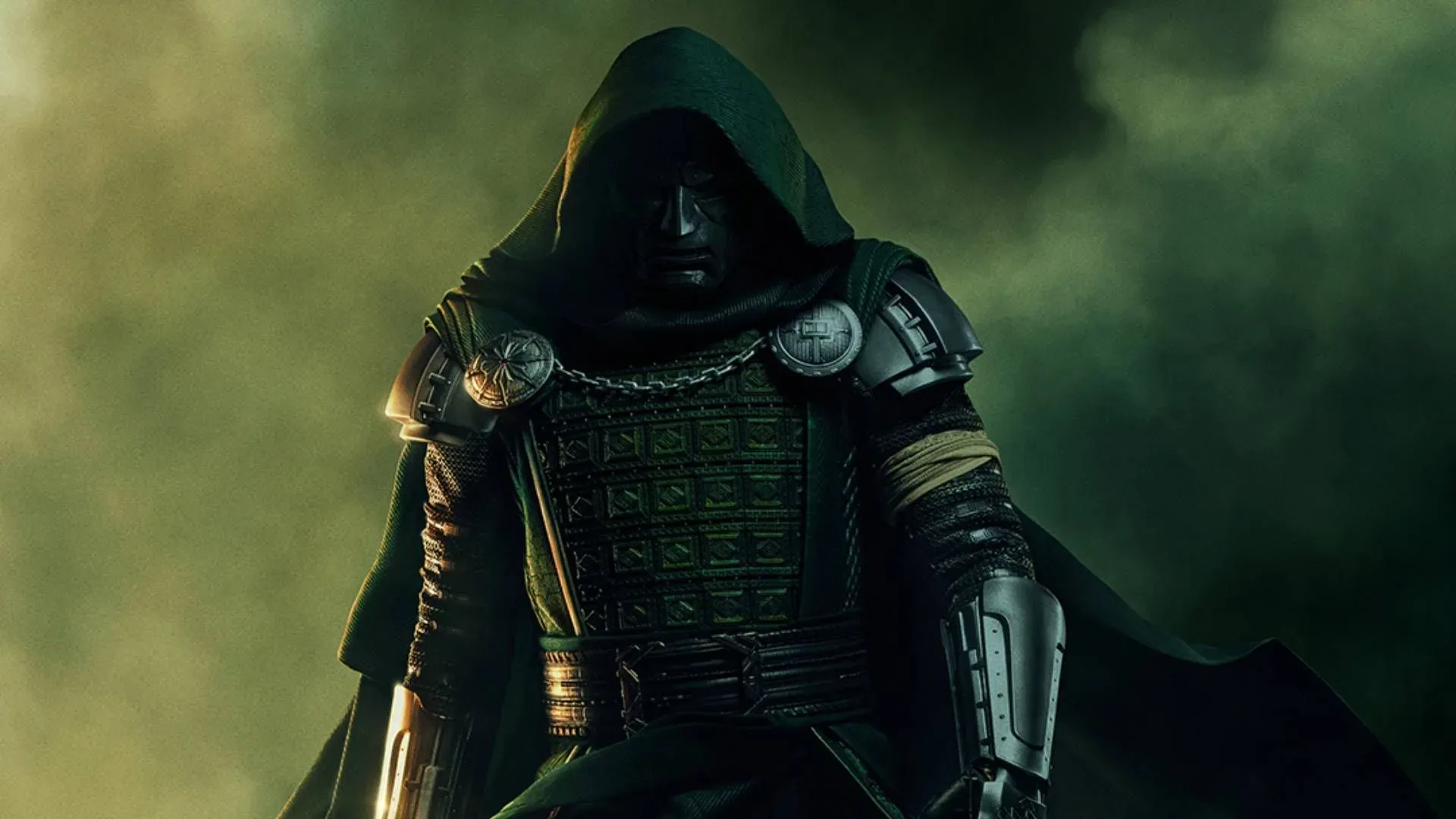
The closing image has changed as well. The sound of metal being hammered, which previously functioned as a callback to Tony Stark forging the Iron Man mask, is now revealed to depict Doctor Doom forging his own appearance. The revision deliberately invites viewers to connect the imagery of Iron Man and Doctor Doom, particularly because both characters are played by Robert Downey Jr.
Why the streaming release is significant
Encore’s Disney+ release is expected to make those additions far easier to revisit than a theatrical-only re-release. The new version’s changes were held back before its cinema debut, even as its arrival on streaming seemed likely. Details subsequently circulated after the September theatrical release, but the U.S. Disney+ listing supplies a concrete date for subscribers who have been waiting to see the revised cut in full.
For Marvel viewers, the practical implication is straightforward: selecting Avengers: Endgame on Disney+ may no longer mean encountering only the version they have known for years. The Encore label is important. It identifies the cut with the newly graded presentation and the Doomsday-linked scenes, while distinguishing it from the established streaming edition.
“Color grading” refers to the adjustment of a film’s color, contrast and overall visual balance after footage is shot. It can influence everything from the warmth of a scene to the intensity of shadows and highlights. No specific visual changes have been detailed here, so it would be premature to characterize the new grade as brighter, darker, more saturated or otherwise. What is confirmed is that Encore has been given fresh grading as part of the updated presentation.
The timing also frames Encore as a runway toward Avengers: Doomsday, which is just over a month away. Rather than treating the earlier film only as the endpoint of one saga, Marvel is using the revised version to reposition it as a direct narrative precursor to the next major Avengers chapter.
Endgame’s ending is no longer sealed off
The most consequential creative decision is not necessarily the extra footage itself, but where it has been inserted. The Steve-and-Peggy scene carried enormous emotional weight because it stepped away from grand crossover mechanics. It offered Steve a life beyond the role he had repeatedly placed ahead of himself.
By having TVA-linked Loki arrive during that sequence, Encore changes the function of the moment. The scene still begins from the same emotional destination, but it no longer stands apart from the continuity machine around it. Its revised form asks audiences to view Steve’s resolution through the possibility of timeline oversight, interference or consequence.
That is analysis, not confirmation of a specific plot outcome. The available details do not say why Loki appears, what he wants, or whether Steve and Peggy’s ending is undone. They do establish that the interruption is abrupt and that Loki seems to be appearing in his TVA-agent capacity. Those facts alone make the previously self-contained scene newly relevant to Marvel’s ongoing timeline stories.
The additional TVA sequence reinforces the same point. It is not merely a cameo-oriented extension: it associates Encore’s revisions with the characters and organizational framework introduced through Loki. Viewers who followed that series should have clearer context for the institution and its role in multiversal storytelling; viewers who did not can still recognize that the new material is intended to push Endgame beyond its original stopping point.
Doctor Doom becomes the clearest Doomsday signal
The reworked hammering reveal is the most direct bridge to Doctor Doom. In the original context, the sound recalled Tony Stark’s earliest act of invention, when he forged the first Iron Man mask. Encore reassigns that imagery to Doom, transforming a callback to one defining Marvel figure into an introduction for another.
It is a pointed choice given Robert Downey Jr.’s connection to both roles. The material suggests a thematic parallel between the two characters without explaining precisely what form that parallel will take in Avengers: Doomsday. The existence of a tease should not be confused with confirmation of plot mechanics, character relationships or the scope of Doom’s role. Still, the visual callback clearly encourages the audience to consider those similarities.
The Banner footage and TVA material widen the bridge beyond Doom alone. Bruce Banner’s inclusion ties the revised film to a more recent point in his own on-screen chronology, while the TVA scenes draw on the threads associated with Loki. As a package, these changes make Encore feel designed to synchronize several moving pieces before the next Avengers film.
How Encore fits alongside the current Disney+ material
The release lands only days after another major Doomsday-related development on Disney+ in the post-credits scene of the Vision Quest finale. Readers looking for coverage of that separate reveal can find it in our look at VisionQuest’s Doctor Doom connection. That material carries its own spoilers, but the proximity of the two releases makes the broader strategy easy to see: Disney+ is becoming a key venue for Marvel’s immediate pre-Doomsday setup.
There is also a difference between the two kinds of storytelling at work. A post-credits scene is typically a compact tag after the main story, often built to tease what follows. Encore goes further by modifying the ending of a completed feature, adding post-credits content and revising the final image. The approach does not replace Endgame’s main narrative, but it does reshape the lens through which its final moments are viewed.
For people planning a rewatch, the least spoiler-heavy route is to watch Encore before exploring discussion of its revised ending and credits scenes. For those who have already seen the theatrical re-release, the November 13 streaming arrival offers an opportunity to revisit the changes and how they sit alongside the original film’s emotional arc.
Disney+ availability confirmed so far is specifically for the U.S. The listing provides no broader territory rollout details in the information available. Likewise, the confirmed additions establish links to Loki, Bruce Banner and Doctor Doom, but leave substantial questions about their ultimate meaning for Avengers: Doomsday unanswered.
What is clear is that Encore is more than a cosmetic rerelease. Fresh color work, a TVA interruption of Endgame’s final scene, added credits sequences and the Doctor Doom forge reveal collectively make it a newly contextualized version of a familiar film—one engineered to point viewers toward what comes next.