Tom McCarthy says the impact of Spotlight should not be measured solely by awards, acclaim or the number of people who watched it. A decade after the film won Best Picture at the Academy Awards in 2016, the director says he has heard from viewers who felt seen by its account of investigative reporting into the Catholic Church’s systemic concealment of child sexual abuse by priests. But he does not believe that response amounts to sufficient institutional change.
For McCarthy, the standard is stark: every child must be safe. Until that is true, he argues, change within the church has not gone far enough.
The director raised that concern while discussing his newer film, A Statement, which shifts from the failures exposed by journalism to another long-running American inability to act on known evidence. The movie follows 20 experts trying to agree on language for a statement to Congress about carbon dioxide emissions and the climate. Its subject is not simply the scientific warning itself, but the difficulty of converting agreement on evidence into collective action.
Two films, two institutional failures
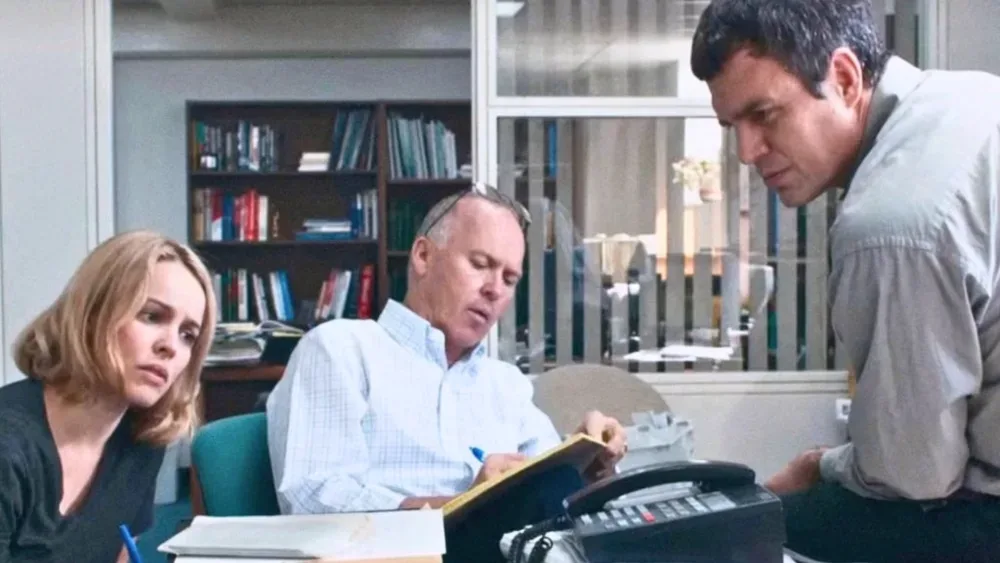
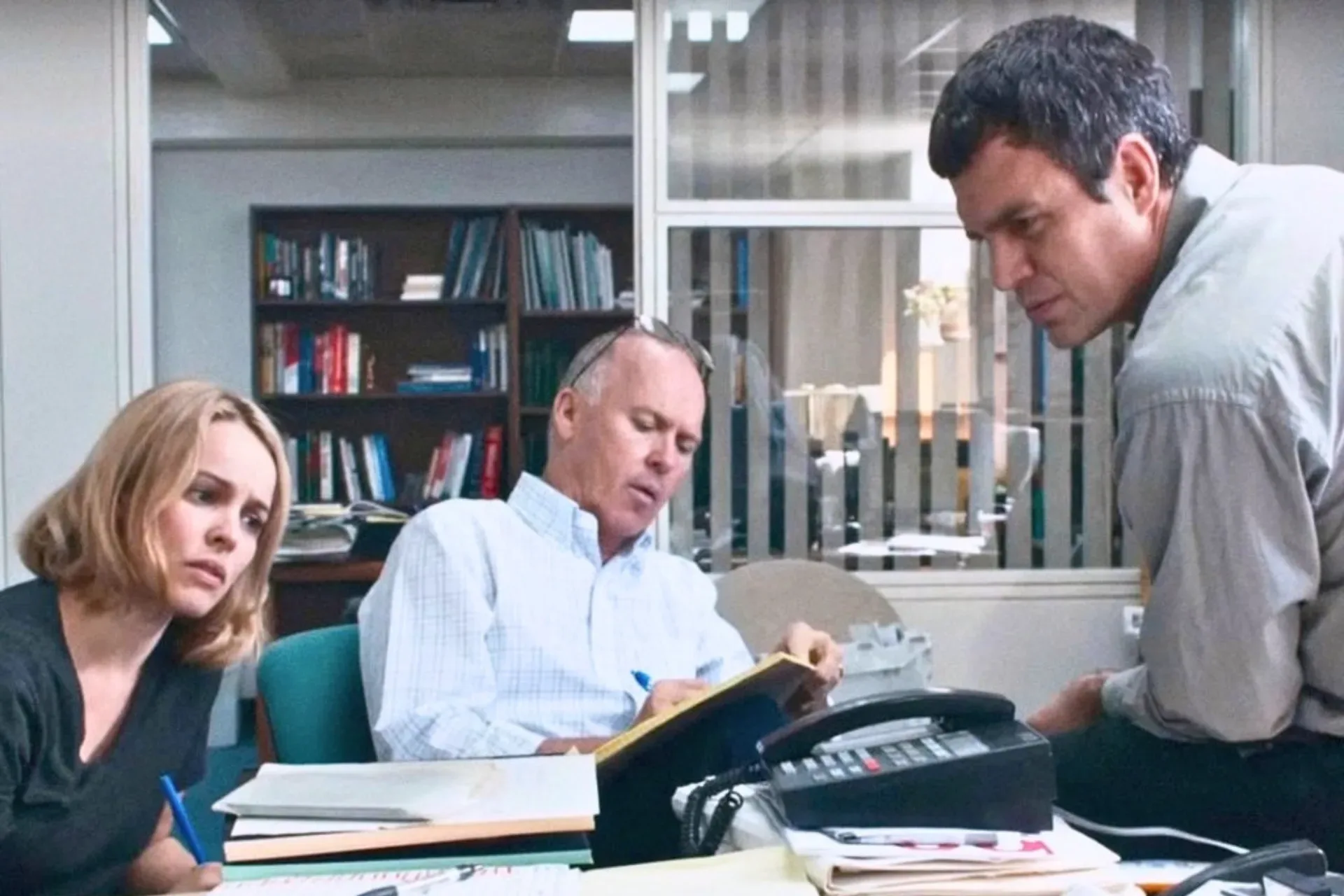
Spotlight is a biographical drama centered on the Boston Globe reporting that exposed the church’s cover-up. Michael Keaton, Rachel McAdams and Mark Ruffalo led its ensemble. McCarthy remains proud of the film and sees a filmmaker’s role as helping begin a public conversation: putting an issue in view, asking audiences to think about it, and inviting a reckoning rather than claiming to have solved the problem.
That is an important distinction. A film can expand public awareness, validate people affected by an issue and make difficult events newly discussable. None of those outcomes automatically changes the behavior of a powerful institution. McCarthy’s comments on Spotlight hold both truths at once: the movie mattered deeply to many people, and its cultural reach did not, in his view, yield enough protection for children.
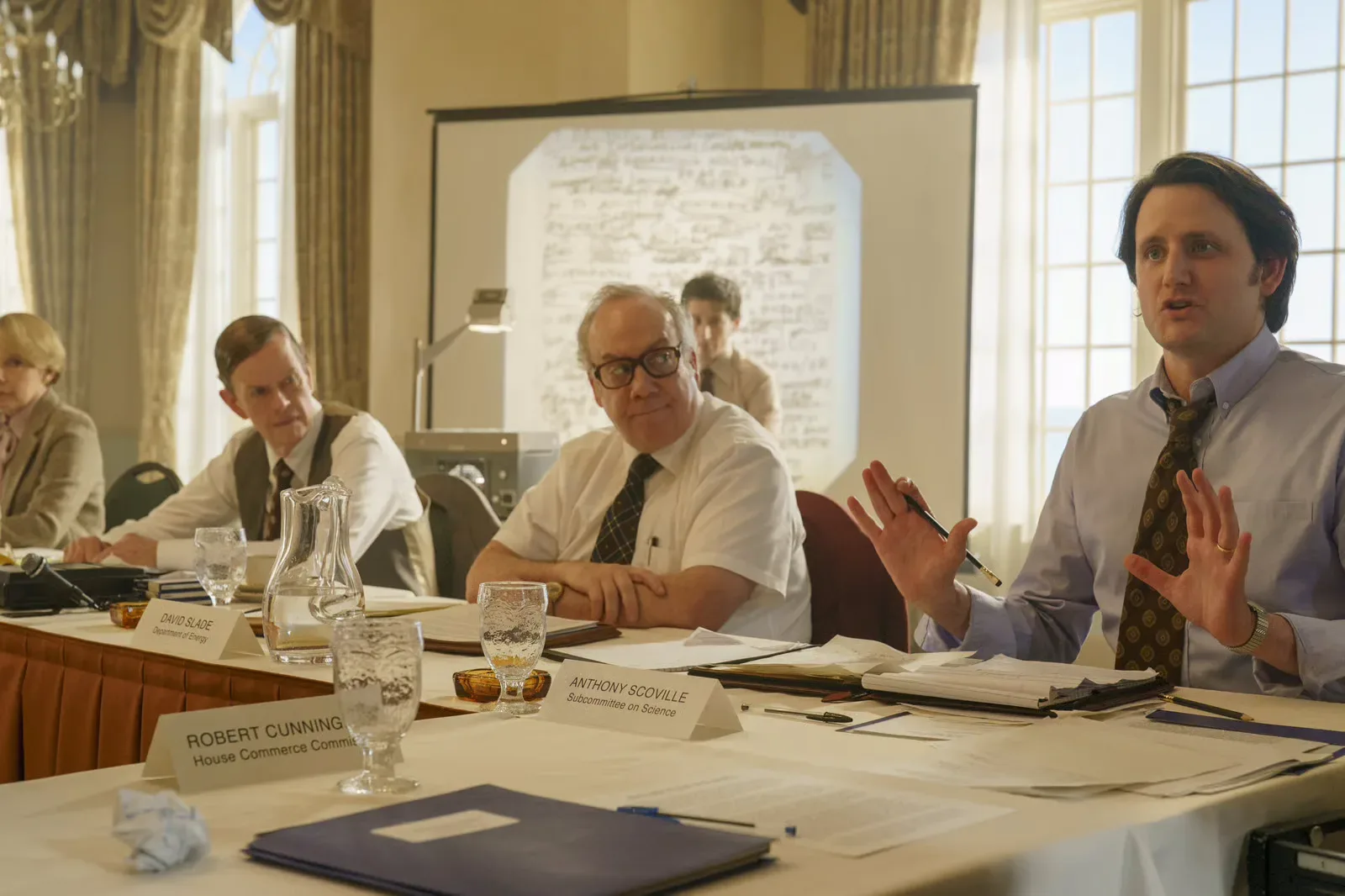
A Statement applies a related dramatic question to climate change. The film is based on a real 1980 conference in St. Petersburg, Florida, described in its opening text as the first American meeting dedicated to solving the climate crisis. The participants never reached a consensus. Nearly half a century later, disputes over carbon emissions remain embedded in U.S. political conflict.
The connection between the films is not that their subjects are interchangeable. They plainly are not. One concerns abuse, institutional concealment and survivor safety; the other concerns emissions, climate science and public policy. Their shared thread is narrower and more revealing: what happens when institutions have access to serious information but cannot—or will not—produce an adequate response?
What “consensus” means in A Statement
Consensus does not merely mean that a majority has voted one way. In the setting depicted by A Statement, it means a group reaching a position it can collectively stand behind. That makes wording consequential. A statement to Congress can define a risk, establish urgency, set limits on uncertainty or leave room for competing political interests. If the group cannot agree on the language, it cannot present a unified recommendation.
Related coverage includes Tom McCarthy Says Church Change Since ‘Spotlight’ Is Still Not Enough.
The stakes of that breakdown give the movie its dramatic engine. The premise is not built around a single physical threat or a tidy technical breakthrough. It is built around discussion: 20 experts in a room trying to turn knowledge into a statement with political consequences. That approach places negotiation, disagreement and institutional caution at the center of the story.
McCarthy has said he did not want the movie to preach. He has also said there is a right and wrong involved, while emphasizing that the aim is to bring people to the table to listen and have the conversation. Those ideas can coexist. A film can take its subject seriously without treating every scene as a lecture, and it can recognize the factual basis for a problem while exploring why people still fail to agree on a response.
The screenplay is based on Nathaniel Rich’s 2019 nonfiction book Losing Earth. Rich has characterized A Statement as a climate film for adults and praised it for avoiding a bombastic approach. That description points to a particular ambition: treating climate politics as a human and institutional drama rather than relying on spectacle to communicate importance.
The political pressure outside the film
The real-world context described around the film underlines why McCarthy’s 1980 setting continues to resonate. Twenty-one states recently sued the Trump administration over its repeal of federal greenhouse-gas regulations for power plants. The Trump-led Environmental Protection Agency’s position is that removing the Biden-era limits will cut costs and strengthen U.S. energy production. The Democratic-led group of states argues that the rollback would set back the climate fight by decades.
That dispute is a current example of the broader divide that A Statement dramatizes. It is not only a disagreement about whether emissions rules should exist. It is also a conflict over costs, energy production, regulatory authority and how urgently climate risks should shape public policy. In other words, even when the discussion starts with scientific evidence, it reaches institutions that weigh competing priorities and power.
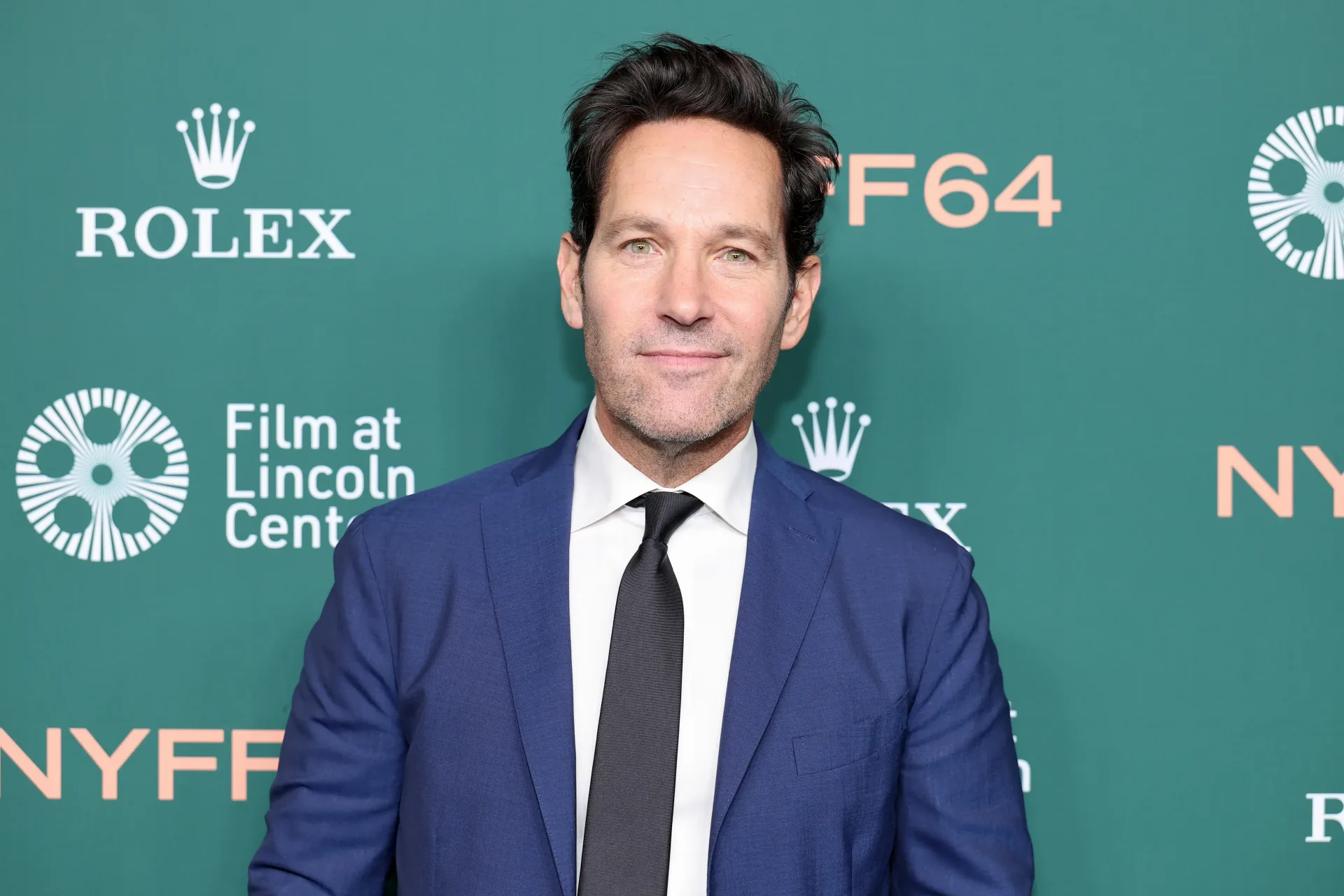
Paul Rudd, who leads the ensemble in A Statement, framed the historical gathering as one in which Republicans and Democrats alike recognized an existential threat. In his account, the issue had not yet been absorbed into the heavily politicized divide that characterizes climate debate now. The question was how to respond, not whether the underlying science should be dismissed.
That observation makes the film’s timing especially pointed. The 1980 meeting took place four days before Ronald Reagan won the presidency. Its participants could not achieve a consensus, and the movie’s historical moment sits immediately beside a major political transition. The chronology does not prove a simple cause-and-effect story, but it gives the gathering an air of suspended possibility: experts were wrestling with a warning just before the country entered a new political era.
A deliberately uneasy line about science
The film appears to preserve that uncertainty rather than resolve it with retrospective certainty. At the end, Paul Giamatti’s David Slade, a Department of Energy government director, reassures Tatiana Maslany’s character with a line expressing confidence that presidents may change but science will remain a point of agreement. Rudd has said the line lands with a wink.
That wink matters. It changes the sentiment from a simple affirmation into dramatic irony: the audience knows that science has not always remained outside partisan struggle. The film can acknowledge the stability of scientific evidence while recognizing that public institutions and political coalitions do not necessarily respond to it consistently.
“Politicized” in this context means that an issue becomes closely tied to partisan identity, electoral power and ideological conflict. Once that occurs, debates that might otherwise center on evidence and policy design can become tests of group allegiance. McCarthy and Rudd’s comments suggest that A Statement is interested in the moment before that divide was fully entrenched, as well as the long consequences of failing to settle on action then.
Why the comparison with another climate film misses the point
A Statement opened during the same weekend that Tom Cruise’s Digger performed poorly at the box office. Rich had not seen Digger, but said he was curious to do so. His comments focused instead on what he believes differentiates McCarthy’s picture: an attempt to move beyond polemic and into a deeper examination of the material.
A polemic is a work constructed chiefly to argue forcefully for a particular position. The term is not automatically an insult; direct argument can be purposeful and effective. But Rich’s distinction is useful for understanding the stated intent behind A Statement. The film is designed around the complexity of people trying, and failing, to formulate a shared public position. Its conflict is therefore rooted in process, language and political consequence—not only in delivering a verdict to the audience.
McCarthy’s remarks about Spotlight make that creative choice easier to understand. He sees filmmaking as a way to start discussion and illuminate what demands attention. That is a modest claim about what movies can do, but it is not a small one. Public conversation can help people feel recognized, challenge complacency and create pressure for accountability. It just cannot substitute for the sustained institutional work required to protect children or confront climate risk.
In that sense, A Statement sounds less like an attempt to claim that one movie can end an argument than an examination of why the argument has endured for so long. Its 1980 conference, its 20 experts and its failed statement offer a contained setting for a much larger question: what do people do when the evidence is in front of them, yet agreement remains out of reach?
That is also why McCarthy’s view of Spotlight is so unsentimental. Recognition is meaningful, but he does not present recognition as the finish line. A film may shine a light; lasting change requires the institutions in that light to act.
For a different look at how technical explanations can clarify a complicated subject without flattening it, see this guide to screen tearing and why it occurs in games.