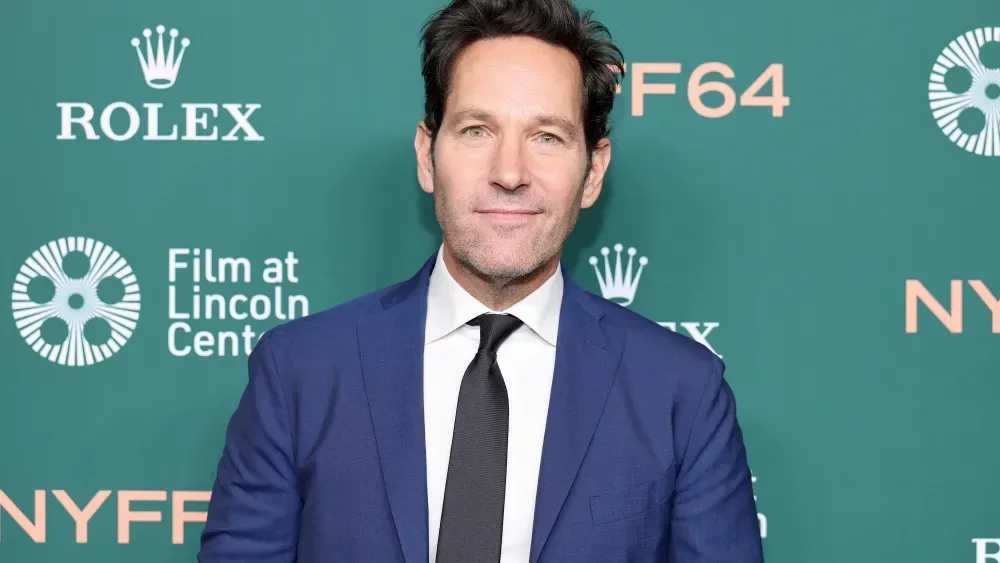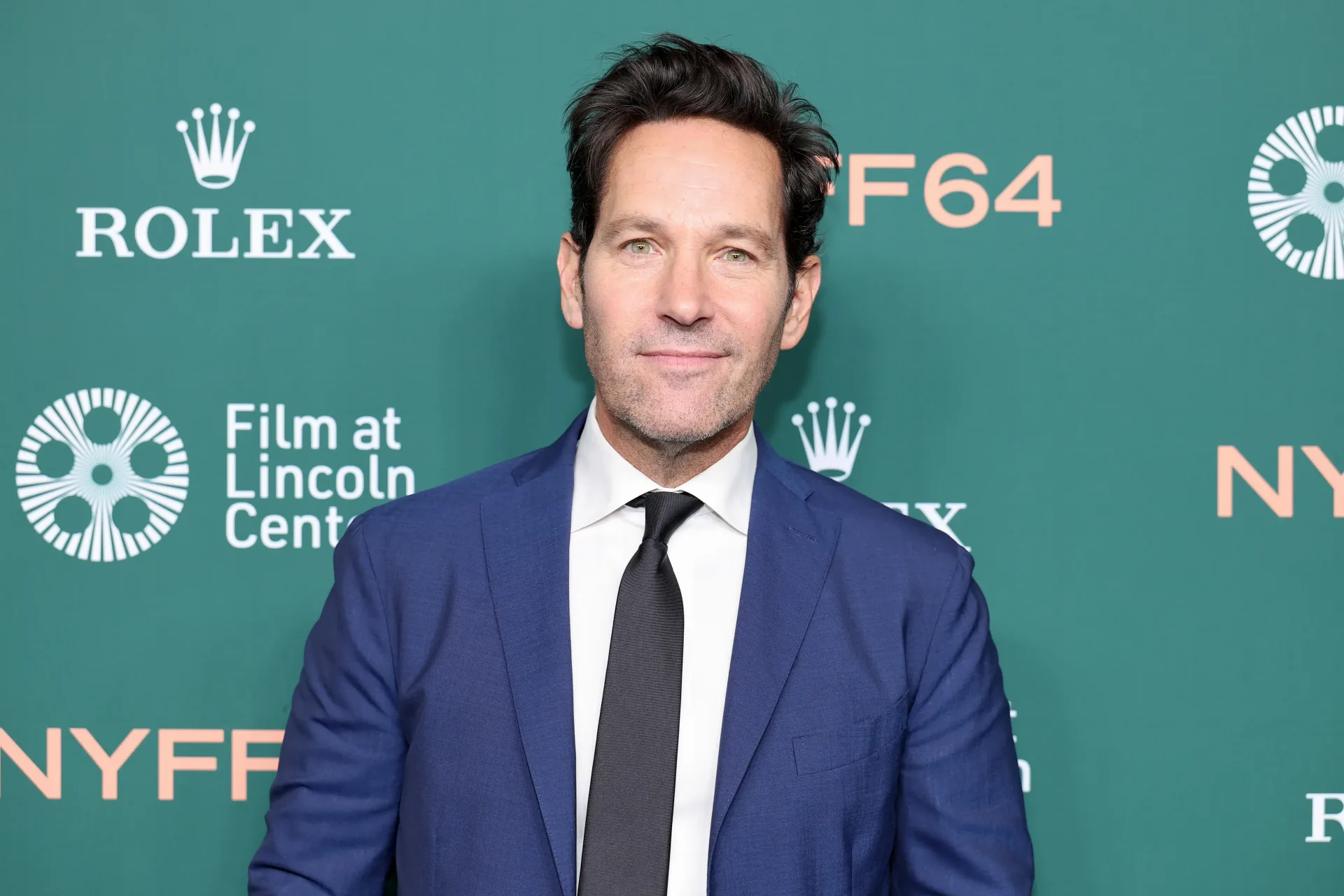
Paul Rudd has offered a blunt assessment of the device that follows most people everywhere: the smartphone, in his view, is “facilitating our own destruction.” The actor’s point was not framed as a grand technological diagnosis so much as a practical observation from a film set. While making Tom McCarthy’s A Statement, Rudd and the rest of the ensemble worked under a strict no-phones policy, an arrangement he says made the group more connected.
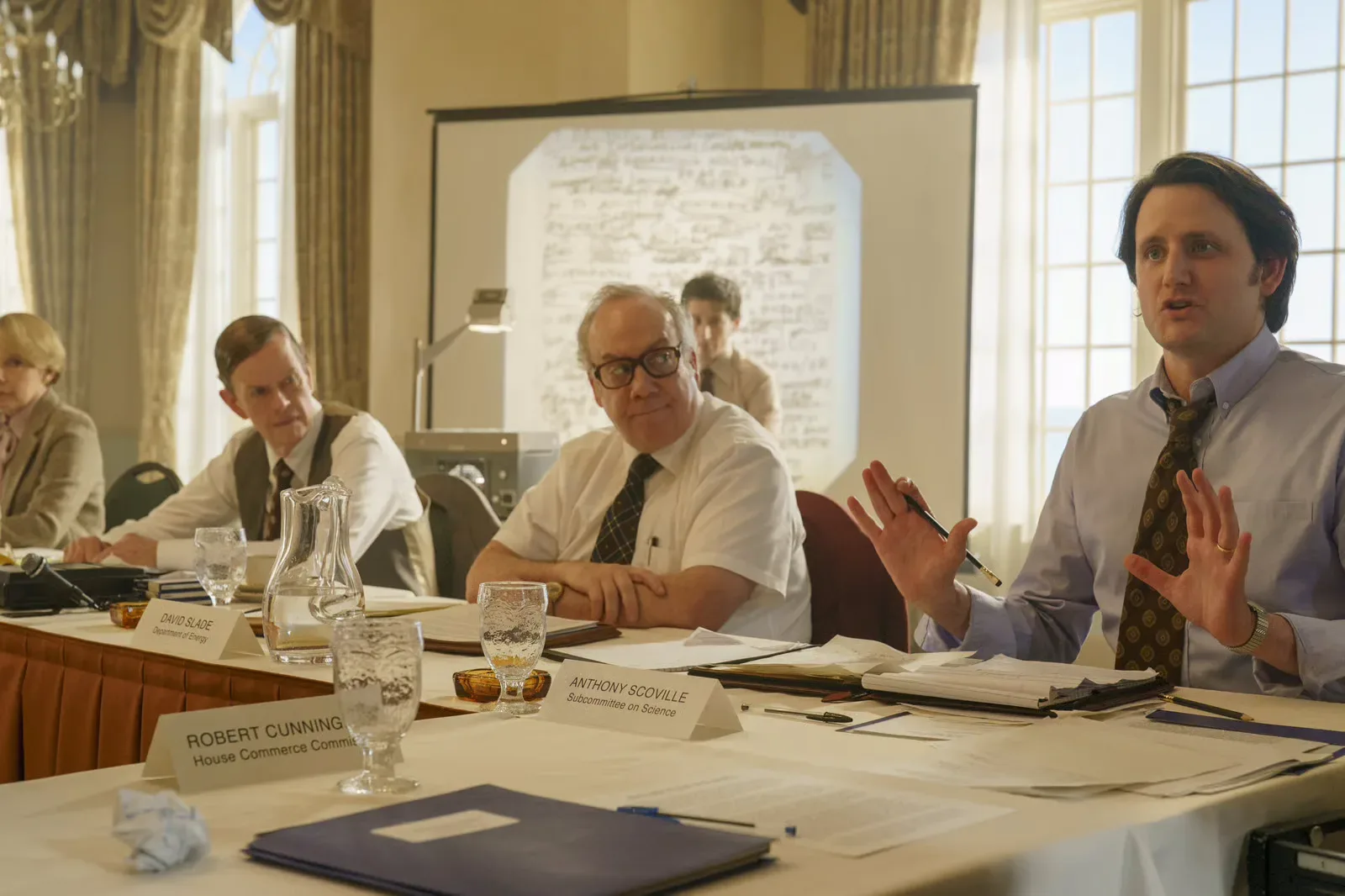
Rudd plays the moderator of the first meeting devoted to addressing America’s climate crisis in the film, which is set at a Florida beachside resort in 1980. Its central action places 20 experts in a conference room for a weekend, where they struggle through their differences while attempting to craft a statement to Congress about carbon dioxide emissions and the climate. For more on the movie’s premise and its pressure-cooker structure, read our look at how A Statement turns a 1980 climate meeting into a test of talk versus action.
A deliberate break from the default setting
Rudd said he has already made a habit of leaving his own smartphone in his trailer rather than bringing it to set. He described himself as addicted to the device “like everybody else,” but argued that it is important to put it down. On A Statement, that personal practice aligned with a production-wide rule imposed by McCarthy.
The result, Rudd said, was not simply a quieter break room. It changed how the cast spent the small gaps between takes. Instead of each performer slipping into an individual feed, the people making the film had reason to remain in the same shared space and speak with one another.
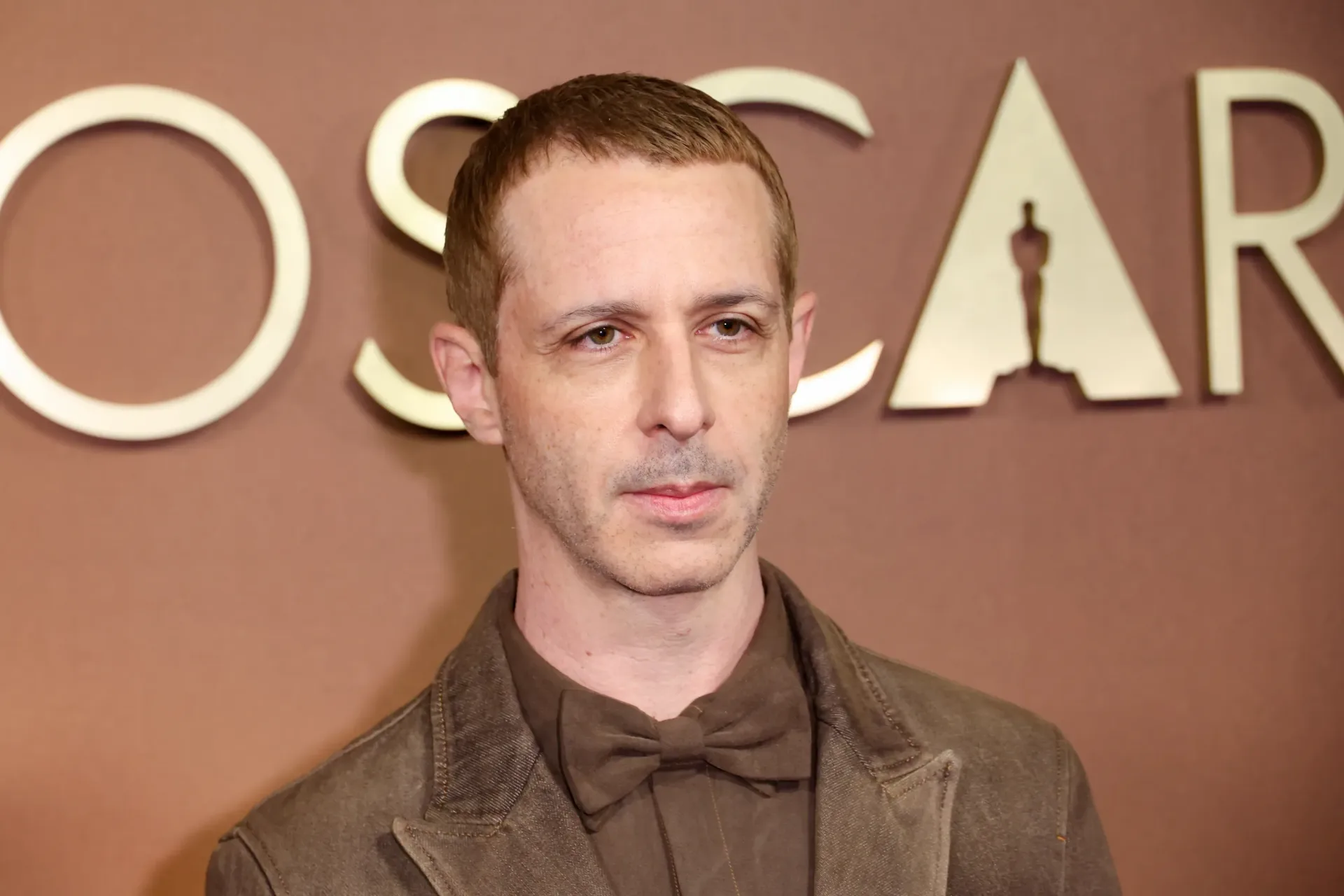
That distinction matters particularly for this production. A Statement is built around an ensemble of characters trying to communicate under pressure. Rudd’s castmates include Paul Giamatti, Tatiana Maslany, John Turturro and Amy Ryan. A film about negotiation, disagreement and listening depends heavily on the sense that its players are responding to one another rather than simply delivering isolated turns. The phone restriction did not change the script’s subject, but Rudd’s comments suggest it may have supported the social conditions that ensemble work asks for.
Why Rudd says it felt like a play
Rudd compared the atmosphere to working in a play. That is a useful shorthand for a particular kind of creative rhythm: people remain present in a room, share downtime and develop a collective tempo. It does not mean a film set literally operates like a stage production. Film work is shaped by cameras, setups, lighting, pauses and repeated takes. But the comparison captures what he felt was restored when phones were removed from the equation: direct contact.
The movie’s 1980 setting sharpened that impression. The cast was dressed for the period, but Rudd emphasized the social contrast as well. He said cell phones have changed how people look at and speak with one another; without them, the performers were effectively pushed to spend time talking. For him, the experience recalled an earlier way of being together.
It is worth separating the film’s period setting from the modern work practice behind it. A Statement is not being presented as proof that 1980 was a frictionless communication utopia, nor is a phone ban a magical route to better art. The narrower, source-supported takeaway is more useful: in a workplace that depends on collaboration, removing a persistent personal distraction can make conversations more likely during the moments when people would otherwise disengage.
Related coverage includes Paul Rudd Says Phone-Free Sets Can Rebuild Cast Connection.
What “doomscrolling” means in this context
Ryan specifically pointed to the absence of notifications and doomscrolling. Doomscrolling is the habit of repeatedly consuming an often alarming or negative stream of online material, usually by continuing to scroll long after the activity has stopped being useful or enjoyable. The term is especially relevant to a phone-free set because phones make that behavior immediate, portable and easy to fill into a five-minute pause.
Ryan’s point was concrete rather than abstract. In short breaks, she said, people connected by asking one another about their mornings, their plans or a scene they were working on. She felt the absence of those digital interruptions made the work “much more rich.” In that description, the benefit is not merely that nobody checked a screen. The benefit is what replaced it: informal conversation that can build trust, clarify creative instincts or simply make a long working day feel less isolating.
Ensemble chemistry is not just an on-camera issue
“Chemistry” is often used as a catch-all for whether actors seem believable together. In an ensemble drama, it can describe timing, attention, comfort with interruption, the ability to read another person’s energy and the willingness to react rather than wait for a cue. None of those qualities can be guaranteed by a policy about phones. They arise from performance, direction and the working relationships around a production.
Still, the comments from Rudd and Ryan identify a plausible practical link. If cast members spend the small breaks between takes talking about the scene, they may arrive back at work with a clearer shared sense of what is happening in it. If they discuss anything but the film, that can still matter: collaboration often grows from the ordinary social contact that creates familiarity.
That does not require treating smartphones as uniquely evil or assuming every screen use is antisocial. Phones are also tools for coordination, communication and work. Rudd’s argument is deliberately more emotional and critical than a production manual. But his account highlights a basic trade-off: a device designed to offer an endless stream of private attention competes with the people physically nearby for that attention.
On a film centered on a group trying to reach an agreement, the trade-off is especially visible. The story’s experts must sit with conflict, formulate arguments and find language they can put before Congress. The actors playing them were asked, at least during work, to spend their own downtime in conversation rather than in an app. That parallel should not be overstated—the movie’s fictional climate deliberations and a real-world device rule are obviously different things—but it gives the policy an unusual thematic fit.
A small rule with a potentially wide production effect
Phone policies can sound minor because they concern an object everyone already owns. Yet they can shape the texture of a workday. A rule can remove the assumption that every gap in activity should be filled by a personal feed. It can also make the environment more equal in a small but meaningful way: nobody needs to be the one person declining to look at a phone while everyone else is absorbed by one.
Ryan compared the adjustment to quitting sugar, arguing that after a few days it is out of one’s system and no longer missed. The analogy conveys habituation rather than a universal timetable. Her broader suggestion was that phones might eventually be treated as something people grow tired of using so constantly, rather than an automatic companion for every idle second.
For filmmakers considering a similar approach, the most grounded lesson from these accounts is not “ban technology and great performances will follow.” It is that any policy should have a specific purpose. In this case, the purpose was to create a more attentive, communal set environment for a large cast. A restriction is most likely to make sense when those involved understand that it is intended to preserve focus and encourage collaboration, not merely police personal behavior.
- For ensemble projects: shared off-camera conversation may be especially valuable when a film relies on group dynamics and dense dialogue.
- For period productions: a phone-free environment can reinforce, for the people making the work, some of the social distance from the present suggested by costumes and setting.
- For short breaks: the practical alternative to compulsive scrolling is not necessarily more work; it can be a check-in, a discussion of a scene or a moment of rest without notifications.
- For any production: the stated aim should remain realistic. The policy can create room for connection, but it cannot substitute for strong direction, preparation or respectful collaboration.
Why the comment lands beyond one movie set
Rudd’s criticism resonates because it describes a familiar contradiction. Smartphones promise access to other people, yet they can pull attention away from the people in front of us. His remarks do not claim that every use has the same consequence, and neither he nor Ryan presented the no-phone set as a scientific experiment. They described a lived workplace experience: fewer notifications produced more exchange among the people working together.
That experience also sits neatly beside A Statement’s premise. McCarthy’s film places experts in a room to grapple with the consequences of carbon dioxide emissions and attempt to form a message for Congress. Its drama comes from the difficult human work of discussion: listening, persuading, resisting and, perhaps, finding enough common ground to say something together. Rudd’s account suggests the off-camera environment embraced a modest version of the same idea. Put the devices away, remain in the room and see what changes when conversation is the easiest thing to do.
Whether other productions adopt a similar policy will depend on their needs, people and workflows. But Rudd and Ryan make a clear case for the value they found on this one: a phone-free set made room for the cast to look at one another, talk through the day and build the kind of shared presence their film’s ensemble demanded.