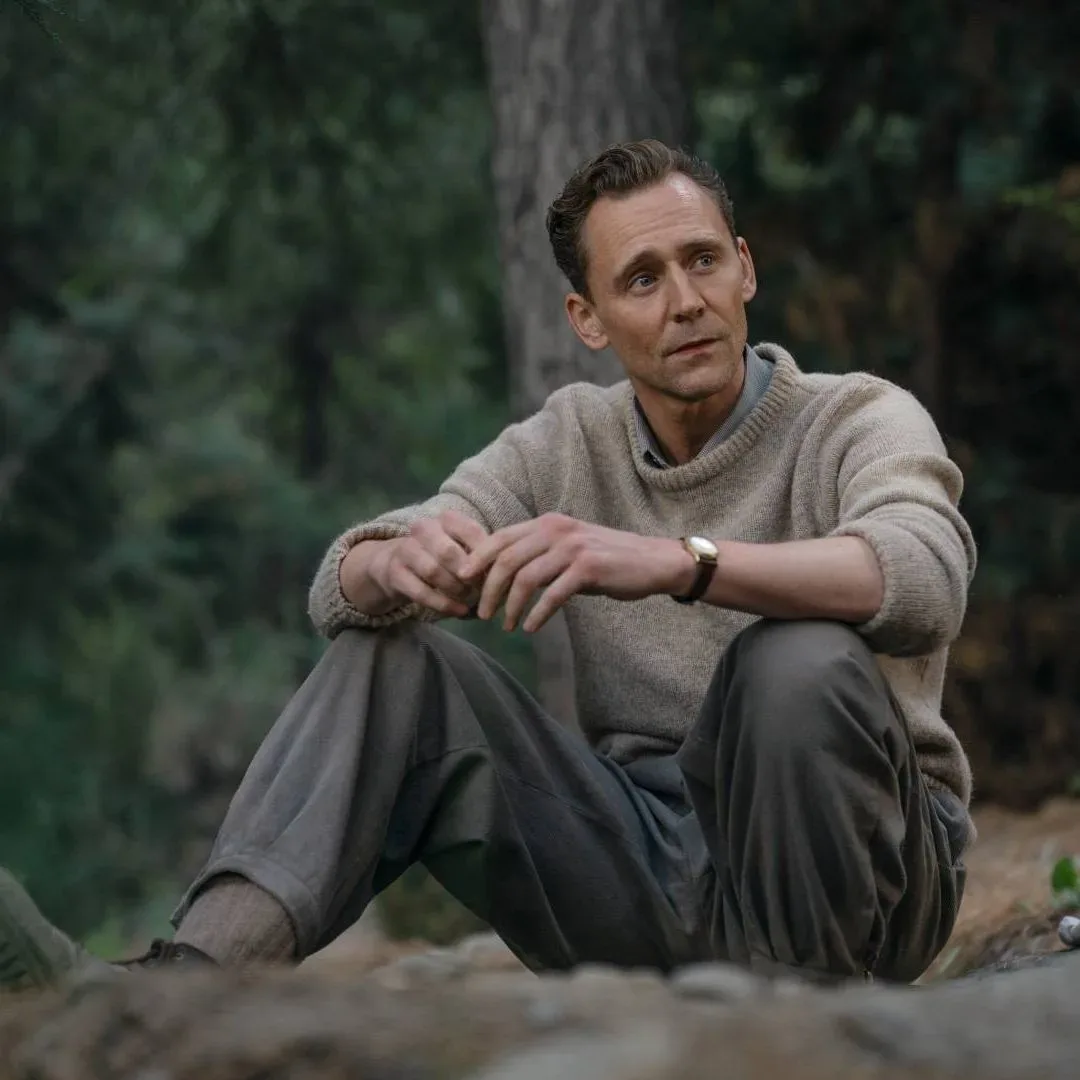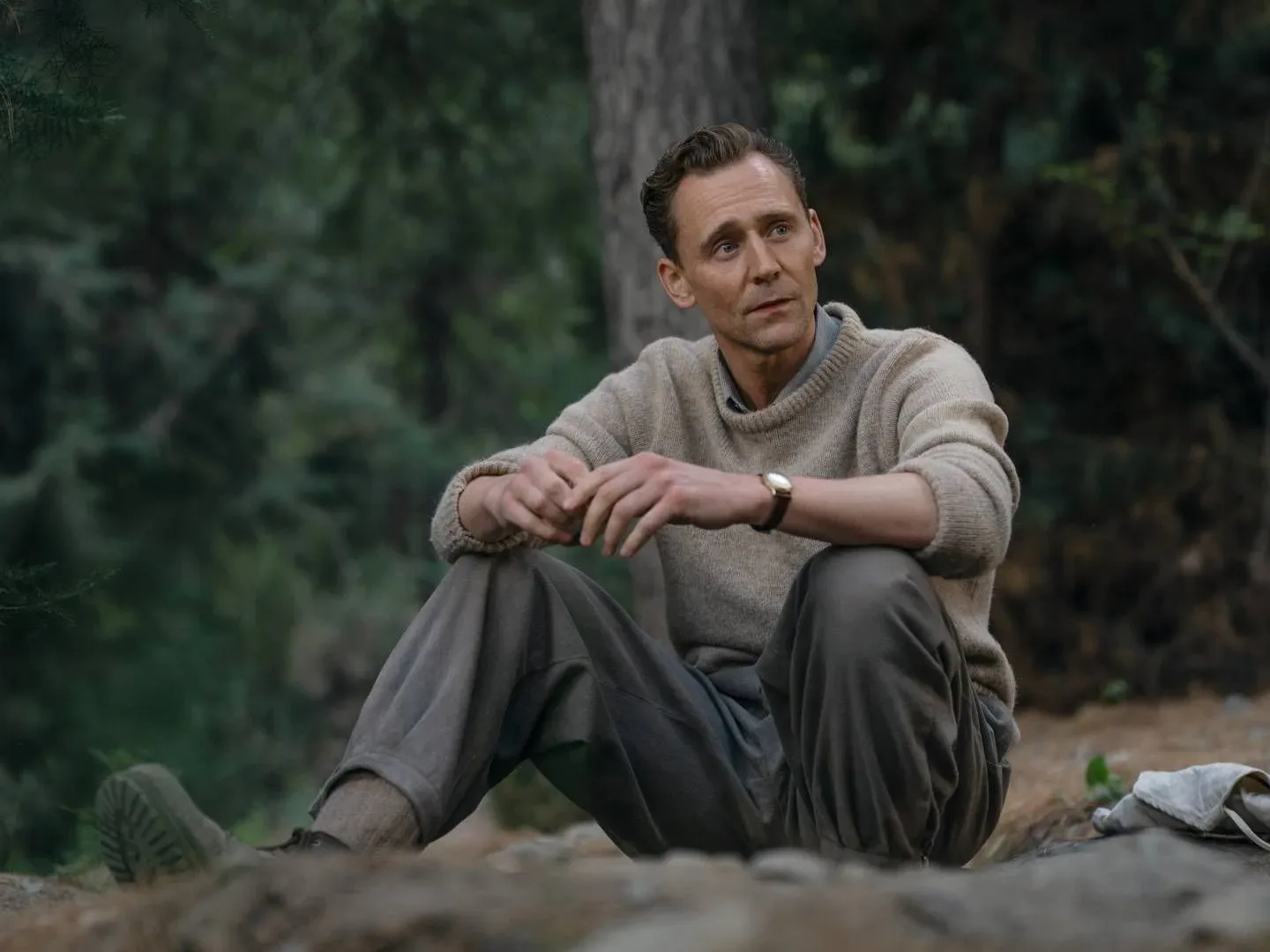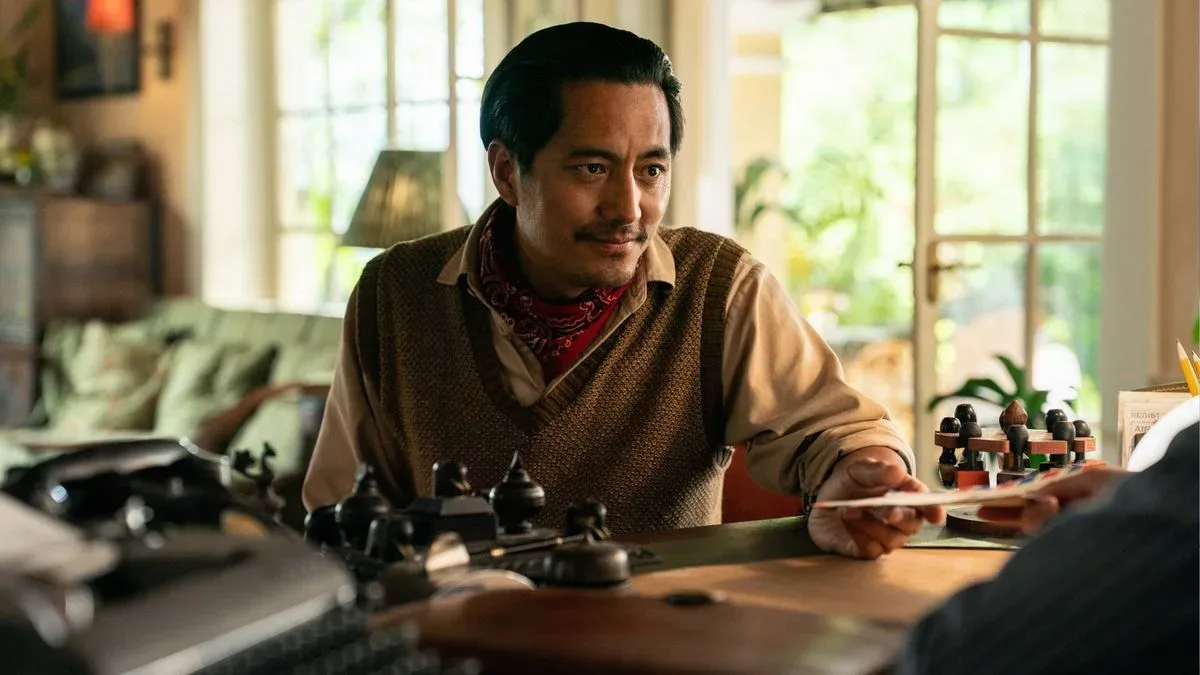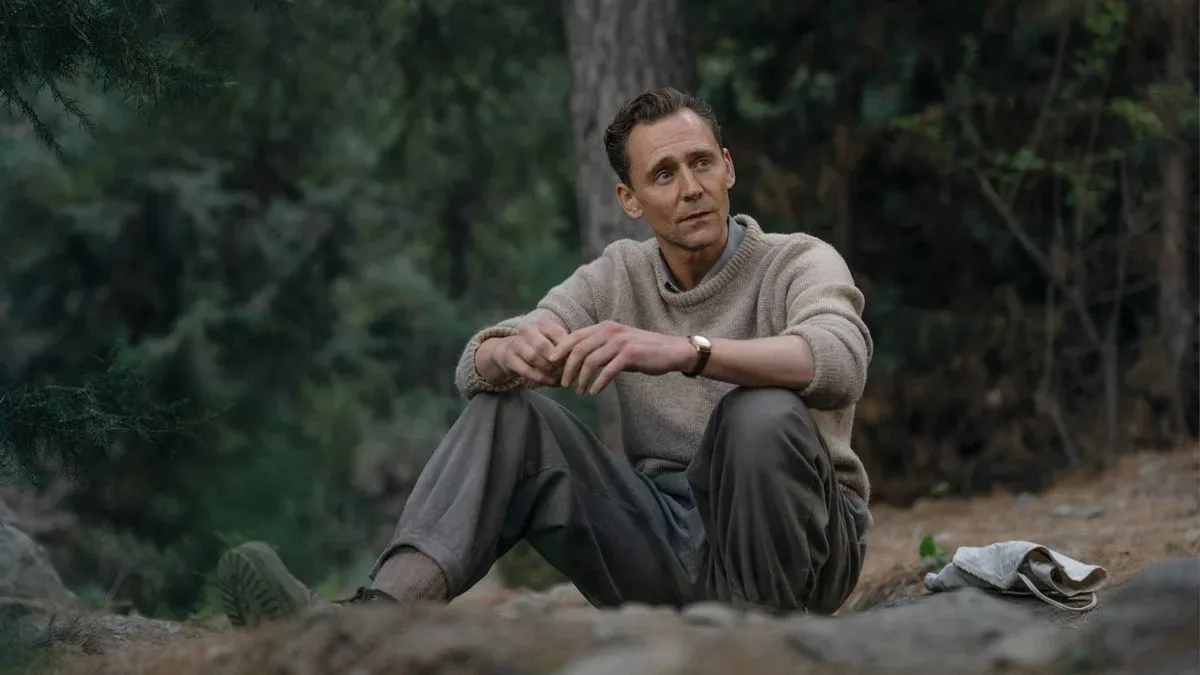
Tom Hiddleston has spent years playing Loki, a character whose survival, allegiance and next appearance have often been treated as closely guarded Marvel business. That experience has apparently made discretion second nature. But while Hiddleston says he is now well practiced at holding onto franchise secrets, the work behind Tenzing asked him to develop an entirely different kind of muscle.
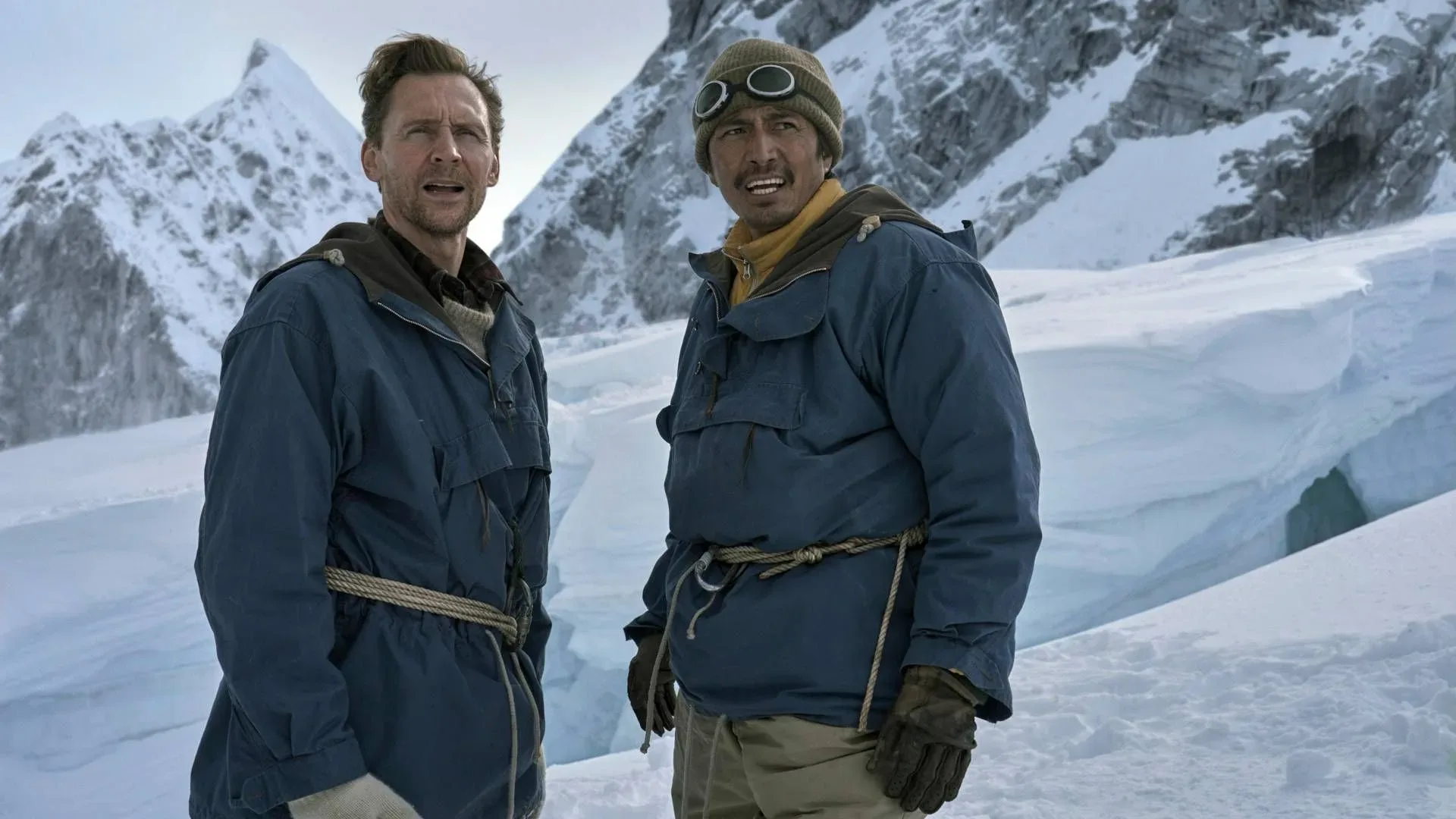
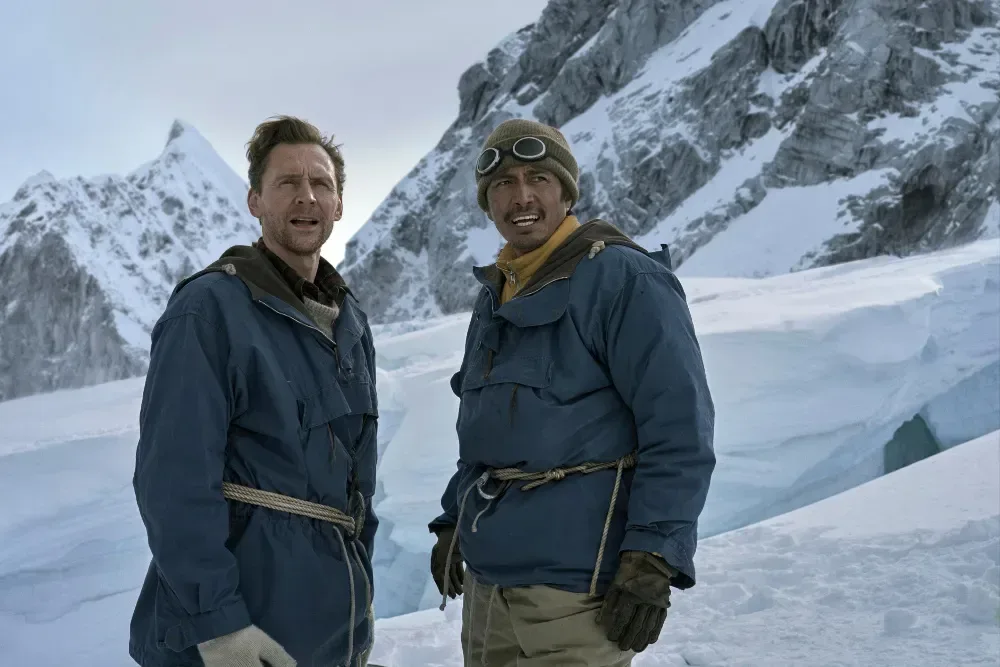
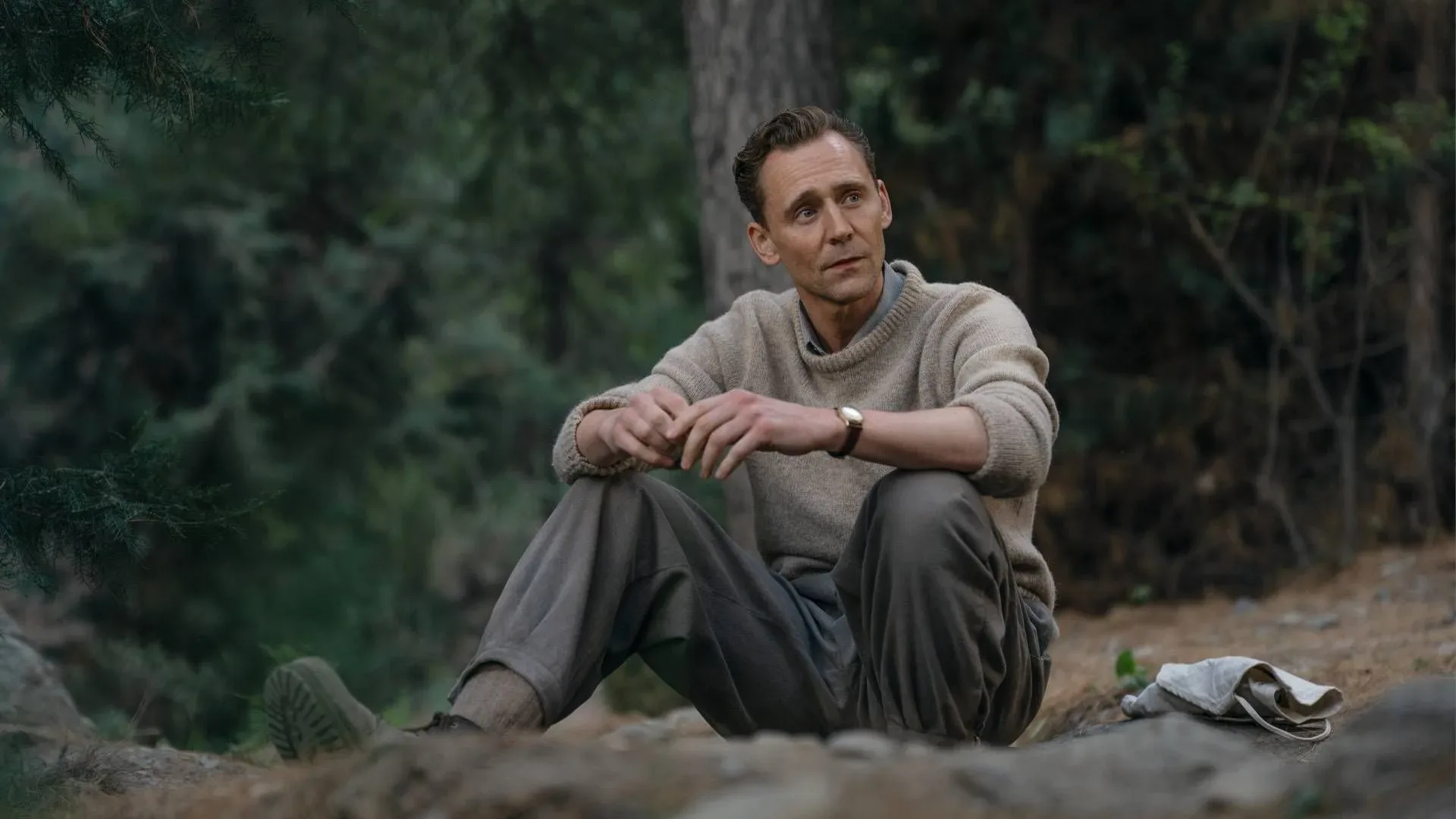
The Apple TV film casts Hiddleston as Edmund Hillary opposite Genden Phuntsok as Tenzing Norgay. Its Everest story required the pair to prepare for climbing sequences with real mountain work rather than relying only on the idea of it. Hiddleston’s preparation included running, strength and conditioning, then time with mountain and stunt teams to learn the practical actions associated with his role.
It is a useful distinction: secrecy is a professional discipline, but mountaineering performance demands physical conditioning, technique and confidence in an environment where the details of movement matter. For Hiddleston, the latter was unfamiliar territory.
Marvel secrecy versus mountain preparation
Asked to compare the challenge of preparing for Tenzing with keeping details about Avengers: Doomsday under wraps, Hiddleston treated the comparison lightly. He said the confidentiality side was already familiar after keeping Marvel information close for so long. Mountain training, by contrast, was new.
That response does not reveal any new story information about Avengers: Doomsday, its cast, or Loki’s place in it. Its significance is simpler: Hiddleston acknowledges that he has experience navigating the secrecy expected around Marvel productions. Fans looking for a coded confirmation or denial of any specific plot theory will not find one here.
The comments do, however, underline how different the two assignments are. A major franchise role can involve an intense promotional and confidentiality routine. A film built around a climb must also convince audiences that performers understand how climbers carry themselves, use their bodies and respond to difficult terrain. Hiddleston said the goal was for mountaineers watching the film to believe the cast knew what it was doing.
That is a high bar, particularly because the film is drawing on the real Everest journeys associated with Hillary and Norgay. The production’s approach, as described by its actors, focused on preparation that could lend credibility to the physical scenes without suggesting that performers had become elite climbers themselves.
What the training involved
Hiddleston said he began by getting fit and strong through running alongside strength and conditioning work. In this context, strength and conditioning means training intended to build the physical capacity for demanding activity: strength, movement control, endurance and resilience. It is different from simply adding muscle or doing a few isolated gym exercises. For a role involving mountains, it can support repeated exertion and more secure movement while carrying out choreographed actions.
Once in the mountains, Hiddleston spent time with the mountain team and stunt team learning the tasks that his character would need to perform. The source material does not identify individual skills, equipment, locations or a complete regimen, so the sensible reading is not that the cast recreated every condition of high-altitude expedition climbing. Rather, they pursued hands-on preparation specific to the film’s mountain work.
Hiddleston and Phuntsok also made a climb toward Everest base camp. The detail matters because it moves the preparation beyond a studio-only process. It also helps explain why the actors frame authenticity as an audience concern. If the production wants climbers to recognize believable technique on screen, real exposure to mountain terrain can inform posture, pacing and reactions in ways that are difficult to duplicate through rehearsal alone.
Phuntsok described a different starting point. Living on a high plateau meant that the mountain setting itself was not as difficult for him as it might be for someone without that familiarity. Still, he stressed that professional mountaineering presented a separate challenge. Training to climb ice, snow and rock was new knowledge for him.
That distinction is important. Familiarity with high-altitude living is not the same thing as being a trained mountaineer, and the actor did not claim otherwise. His comments instead point to the specialized nature of climbing technique. Ice, snow and rock can each require different decisions about balance, handholds, foot placement and safe progress. The production’s preparation was about learning enough of that physical language to portray the story credibly.
A real crevasse climb for a key scene
The most vivid example from the shoot involves a sequence in which Tenzing must climb a 30-foot icy crevasse. A crevasse is a deep crack or opening in ice, a term often associated with glaciers. In the film, the scene was enacted for real rather than being described as entirely simulated.
Hiddleston said it was among the first mountain sequences undertaken. Phuntsok went into the crevasse and climbed out the other side while the rest of the group watched. Phuntsok recalled looking back partway through, registering the depth and struggling to believe what he was seeing.
The account provides a more concrete sense of what “real mountain training” meant for this production. It was not merely a broad fitness campaign attached to a survival story. At least one significant piece of climbing action involved an actual icy wall and a genuine sense of vertical exposure. That does not erase the role of stunt professionals and a mountain team; Hiddleston specifically credited both. Instead, it suggests a collaboration in which the specialists supported actors carrying out demanding work in a controlled filming context.
Phuntsok connected that experience to the obstacles faced by Norgay, Hillary and their team. The comparison is emotional rather than a claim that a film shoot exactly reproduces an expedition. Still, it conveys why tangible climbing work could be valuable to the performers. Encountering height, ice and the effort required to move upward can give an actor something real to respond to rather than asking them to imagine the entire sensation.
Why the physical detail matters for Tenzing
For an adventure film centered on Everest, authenticity is not only about scenic backdrops. Viewers can read physical performance closely: whether an actor seems comfortable with climbing movements, whether exertion has weight, and whether fear or concentration feels connected to a genuine task. Hiddleston’s stated aim was not to claim mastery, but to make the work recognizable to people who know mountaineering.
That ambition also clarifies the split between acting and technical expertise. The mountain team and stunt team were present because they bring knowledge that actors do not automatically possess. Hiddleston and Phuntsok’s training then helped them perform within that framework. The result, if the preparation translates to the screen, should be a performance grounded in learned movement rather than generic adventure-film gestures.
Hiddleston called the making of the movie the most unforgettable adventure of his life. Given the running, conditioning, climb toward Everest base camp and the real crevasse sequence described by the cast, that characterization has a clear practical basis. The project asked for far more than a period costume and a soundstage performance.
Tenzing is now playing in select theaters and streaming on Apple TV. Hiddleston’s remarks also arrive as Marvel interest continues to orbit his long-running Loki tenure; for more franchise speculation on the site, see the discussion around a VisionQuest background figure and its Billy-and-Tommy theory. For this film, though, the immediate story is refreshingly direct: years of keeping plot twists confidential may be familiar territory, but climbing preparation required a wholly new kind of commitment.