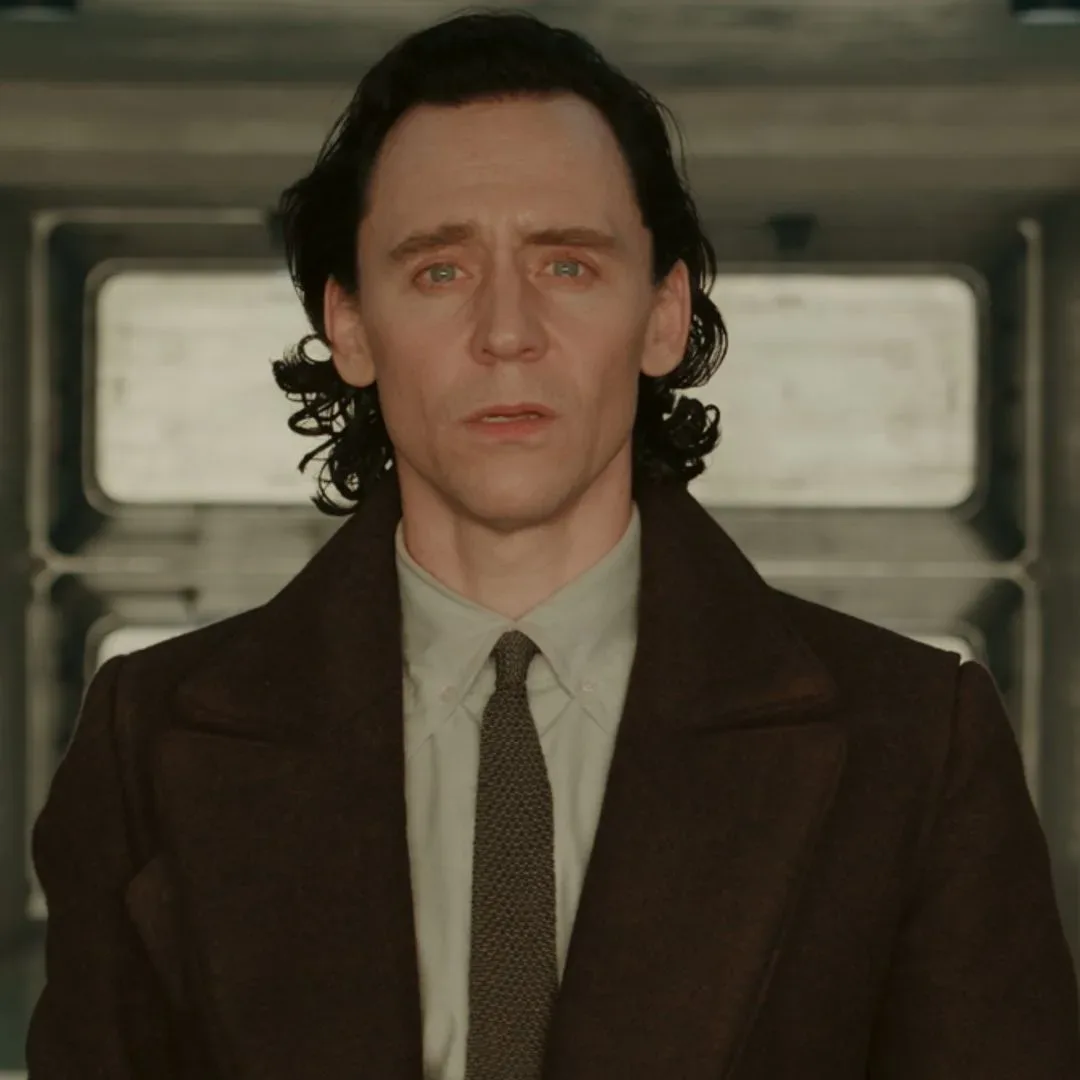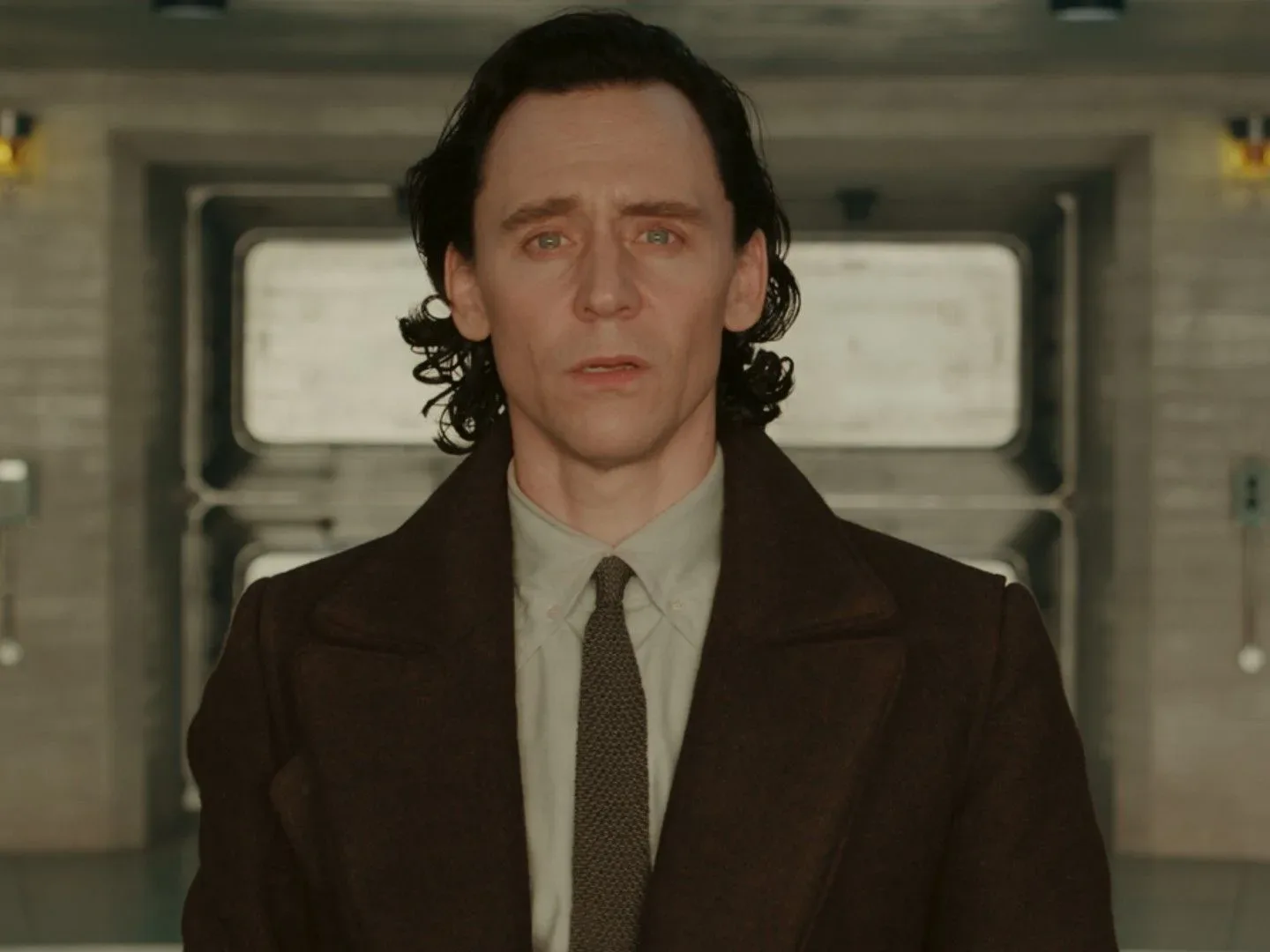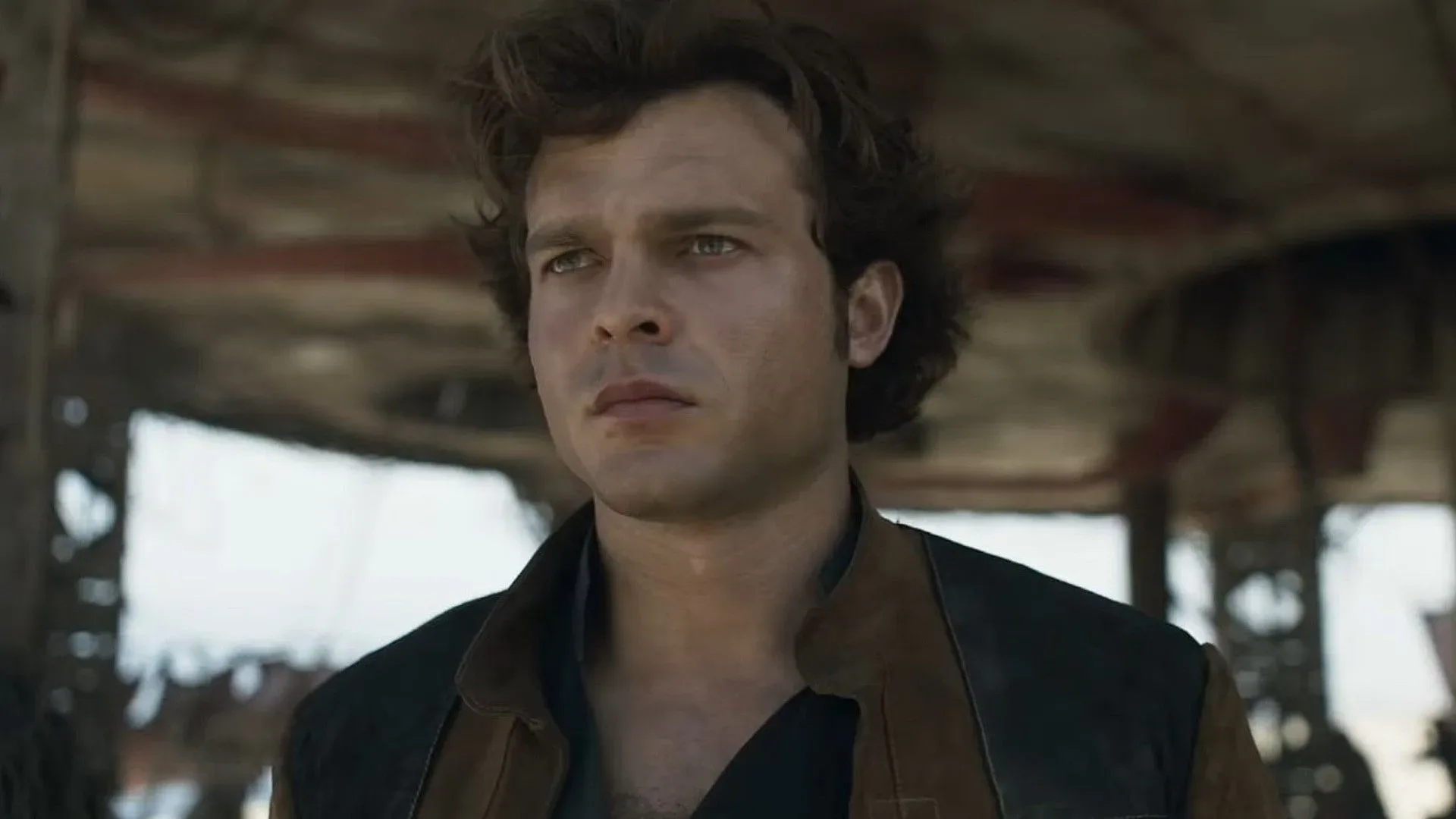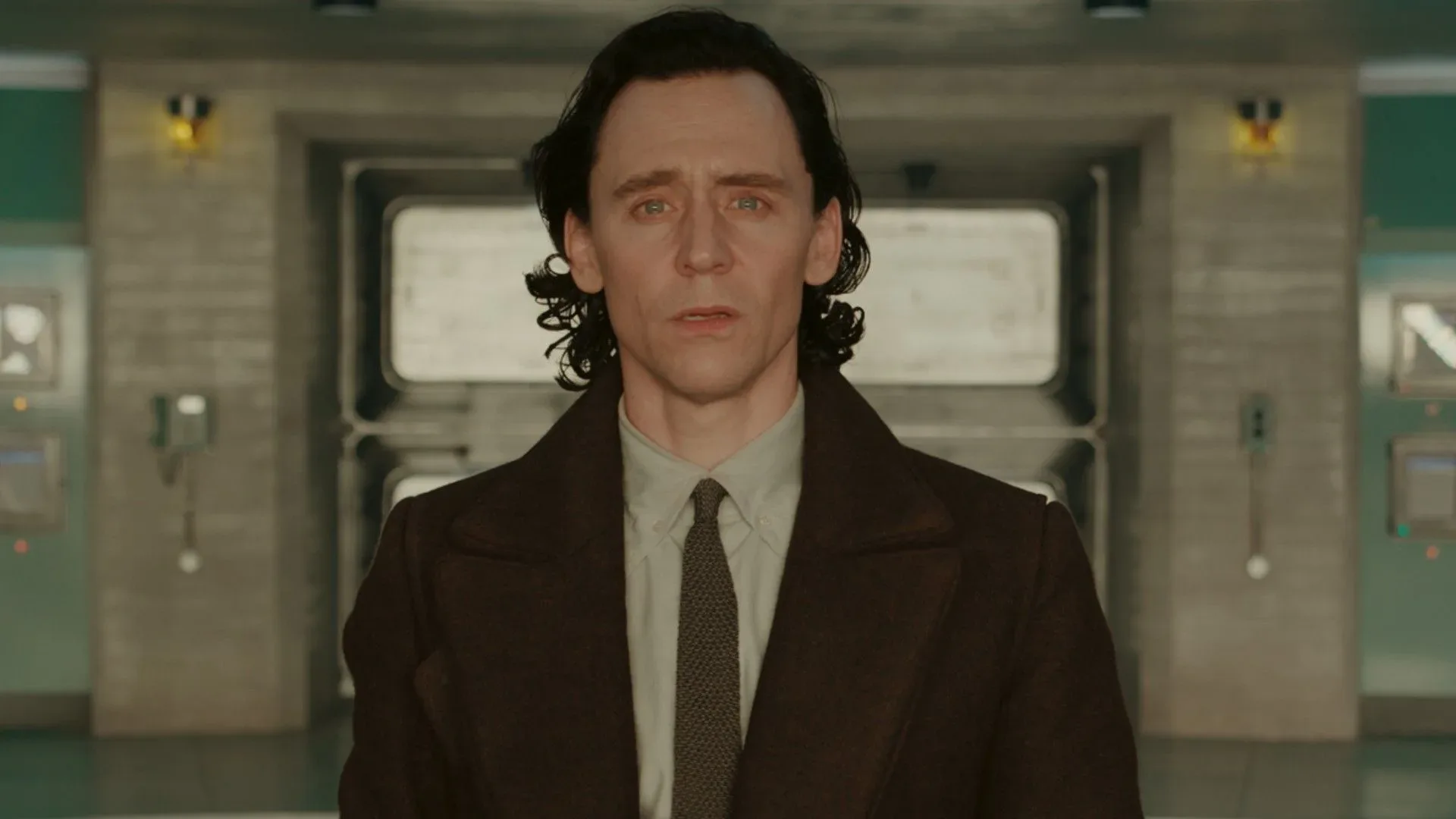
Tom Hiddleston’s connection to Star Wars begins where plenty of enduring genre attachments do: with childhood viewing. The actor best known for playing Loki said the films gave him an early lesson in “moral clarity” and in the balance between goodness and love in the universe—ideas he sees as central to the Force.
“I love those films. I loved them as a child. I suppose if I’m honest, it’s a very early introduction to moral clarity and the balance of goodness and love in the universe. I guess that’s what the Force is all about.”
It is a compact reading of a gigantic fictional universe, but it gets at why the original Star Wars trilogy has lasted for generations. The saga certainly has spacecraft, lightsabers, strange planets and villains with fabulously impractical breathing equipment. Yet its foundational dramatic engine is ethical choice. Characters confront fear, anger, loyalty, compassion, responsibility and the possibility of redemption. The galaxy is enormous; the personal decisions are deliberately legible.
Hiddleston’s comments are not confirmation of a role in any future Star Wars production. There is no indication that he has joined Star Wars: Starfighter, the upcoming film directed by Shawn Levy and starring Ryan Gosling. But they do explain why the prospect has long made sense to fans: he is not merely recognizing the franchise as a career opportunity. He is describing the themes that made it meaningful to him before that possibility entered the conversation.
What “moral clarity” means in this context
Moral clarity does not mean every person in a story is uncomplicated, or that every outcome is easy to predict. In storytelling, it usually means the work gives viewers a coherent sense of the stakes behind a character’s choices. An action may be difficult, costly or emotionally confusing while still carrying an intelligible moral weight.
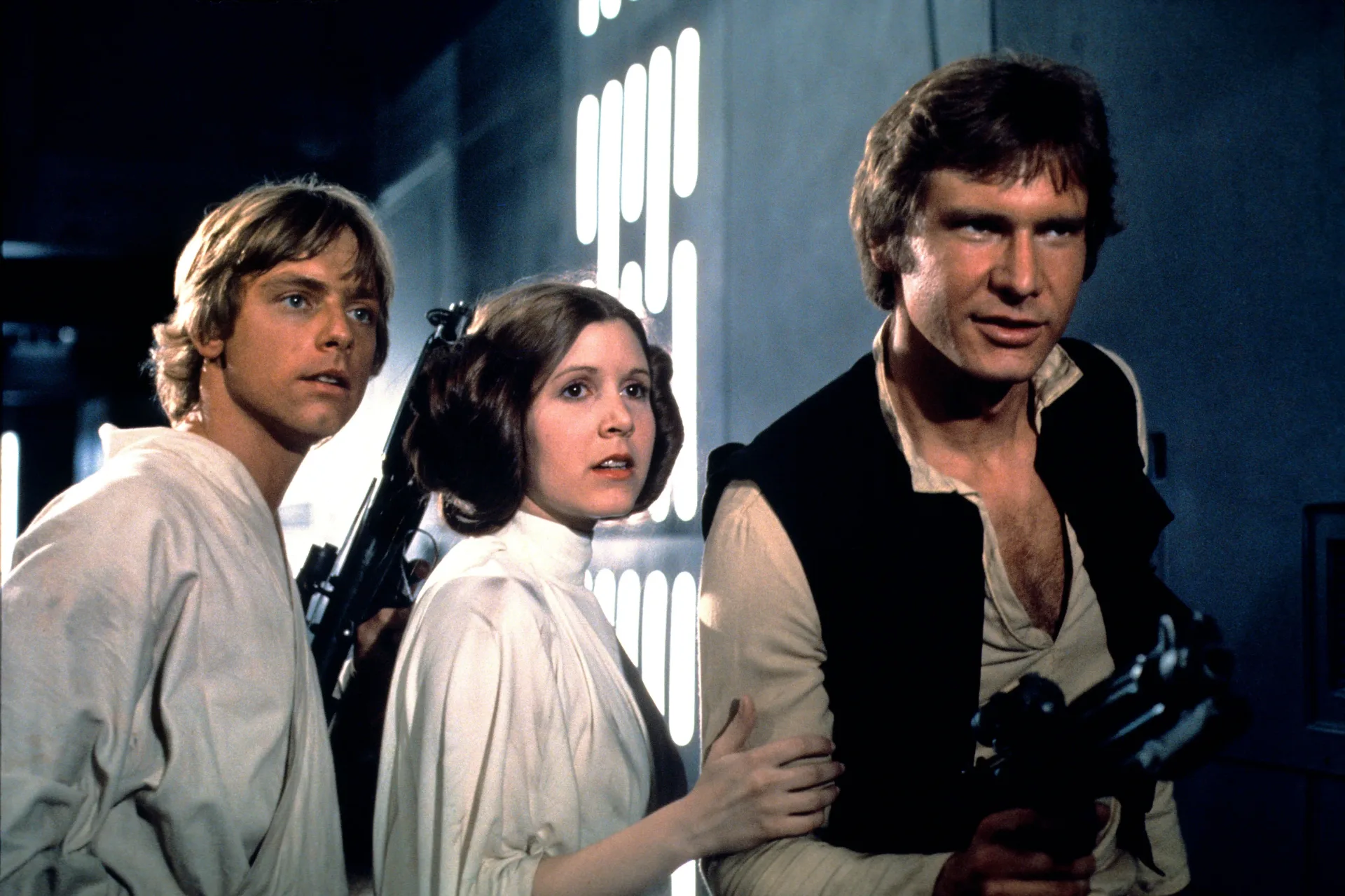
That is a useful lens for the original trilogy Hiddleston grew up watching: Star Wars: A New Hope, The Empire Strikes Back and Return of the Jedi. The films place spectacular conflicts around clear human-scale questions. Will someone choose domination or service? Will fear dictate an action? Can love coexist with discipline? Is a person permanently defined by their worst choices?
The Force is the franchise’s fictional spiritual and metaphysical framework, but Hiddleston’s description focuses on its narrative function rather than attempting a rulebook definition. In his reading, it points viewers toward a balance of goodness and love. That emphasis matters because the Force is often discussed through its powers—telekinesis, precognition and lightsaber combat—but its most lasting dramatic purpose is to make inner discipline and moral direction visible.
In other words, the power is rarely just the point. The question is what a character does with power, what motivates them, and whether they can resist the tempting shortcut offered by fear or anger. It is a premise that can communicate to a child without treating that child as incapable of understanding serious emotional stakes.
Why the original trilogy remains Hiddleston’s touchstone
Hiddleston previously made clear that his strongest attachment is to the first three released films because those were the entries he watched while growing up. In a 2017 interview, asked whether he could imagine appearing in Star Wars, he answered with enthusiasm but also supplied an important qualification: it would depend on the story and character.
“Goodness, I hadn’t thought of that. I mean, yeah, sure. I’m a huge fan, especially of the first three, because I grew up watching Star Wars: A New Hope, Empire Strikes Back, and Return of the Jedi. So, absolutely, yeah. It would depend on the story and the character and things.”
That is not a vague yes to any available part. It is a sensible statement of what a franchise role needs to offer: a character worth inhabiting and a story that gives the character a reason to be there. It also limits what can responsibly be inferred. Hiddleston has expressed affection for the series and openness to the right project; he has not announced a deal, teased a secret cameo or pointed to a particular character.
For viewers, there is a real difference between an actor being a fan and an actor being cast. Major franchises attract performers who grew up with them, but casting involves far more than affection: schedules, creative plans, character fit and the production’s needs all matter. Until a project itself identifies a performer, fandom should stay in the fandom column, not the confirmation column.
A fitting perspective from an actor associated with Loki
Hiddleston’s perspective is also interesting alongside his long association with Loki. His Marvel character is not built around the same kind of straightforward heroic path that Hiddleston identifies in Star Wars. Loki’s appeal has often come from contradiction: charm and cruelty, insecurity and ambition, theatrical confidence and personal doubt. Across more than a decade in the role, Hiddleston has played a figure whose relationship to goodness is complicated rather than settled.
That contrast may be one reason his explanation of the Force lands. It does not reduce Star Wars to a simple “good team versus bad team” slogan. Instead, it identifies a balance involving goodness and love. Those concepts become meaningful precisely because characters can lose sight of them, struggle toward them, or recognize them too late.
The distinction also shows why genre fandom can be creatively valuable without becoming empty nostalgia. A performer can admire the clean moral architecture of one saga while spending years exploring a more volatile, morally tangled character in another. The shared territory is not a costume or a brand label. It is the dramatic potential in choices, loyalties and personal transformation.
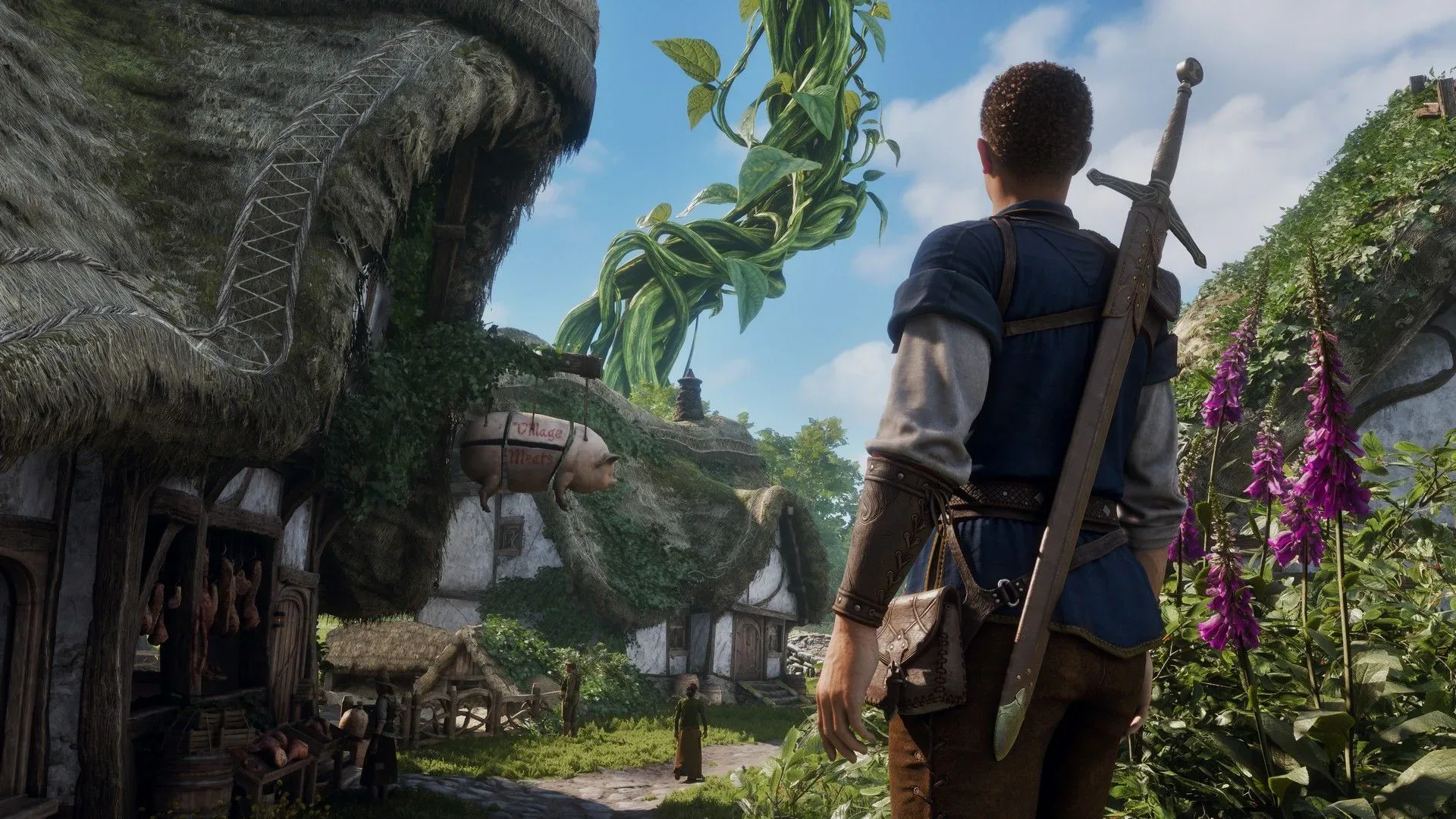
There is a broader industry parallel in creative teams openly acknowledging the series that shaped them. The team behind the new Fable has likewise spoken about its connection to that series’ original trilogy. Familiarity alone does not guarantee a successful new work, but it can establish a useful baseline: the people involved understand why the earlier material mattered to its audience.
What a hypothetical Hiddleston role would need
Because Hiddleston himself tied his interest to story and character, it is more useful to consider that standard than to speculate about unannounced casting. Star Wars has room for radically different types of roles. Its stories can center on heroes, antagonists, mentors, political figures, pilots, rogues, military personnel or people with a connection to the Force. A recognizable actor does not need to be positioned as a Jedi or a Sith to make an impact.
The central requirement would be narrative purpose. Does the part illuminate the story’s conflict? Does it give the actor material that is distinct from prior high-profile work? Does the character’s place in the world serve the film rather than simply invite audience applause at seeing a familiar face enter a familiar galaxy? Those are the questions implied by Hiddleston’s own condition.
It is worth avoiding another easy assumption: being a vocal admirer of the original films does not necessarily mean an actor would only suit a project modeled on them. The original trilogy can be a person’s emotional entry point while later stories, settings and characters provide a fresh creative challenge. What Hiddleston has singled out is the thematic foundation, not a demand for a particular kind of costume, era or storyline.
Starfighter is the concrete project, not a casting clue
At present, the specific forthcoming Star Wars film identified here is Star Wars: Starfighter, with Shawn Levy directing and Ryan Gosling starring. Hiddleston has not been named as part of its cast. That absence is the key practical takeaway for anyone turning his comments into a rumor: admiration is genuine, openness is genuine, and a role remains hypothetical.
That does not make the conversation pointless. On the contrary, Hiddleston has articulated a thoughtful reason a performer might want to work in the franchise. He sees Star Wars not simply as a landmark of science-fiction spectacle, but as an early encounter with storytelling where compassion, goodness and destructive impulses carry tangible consequences.
For a franchise frequently discussed in terms of timelines, cameos and future slates, that is a helpful shift in focus. The enduring value of Star Wars is not that every new production can recreate childhood exactly. It is that a new story can return to the emotional principles Hiddleston describes and find its own way to dramatize them.
And if a suitable character eventually appears, Hiddleston has already offered the only answer that can honestly be given for now: he would be open to it, provided the story and the role are right. Until then, his connection to the galaxy far, far away remains that of a lifelong viewer who found something larger than spectacle in the Force.