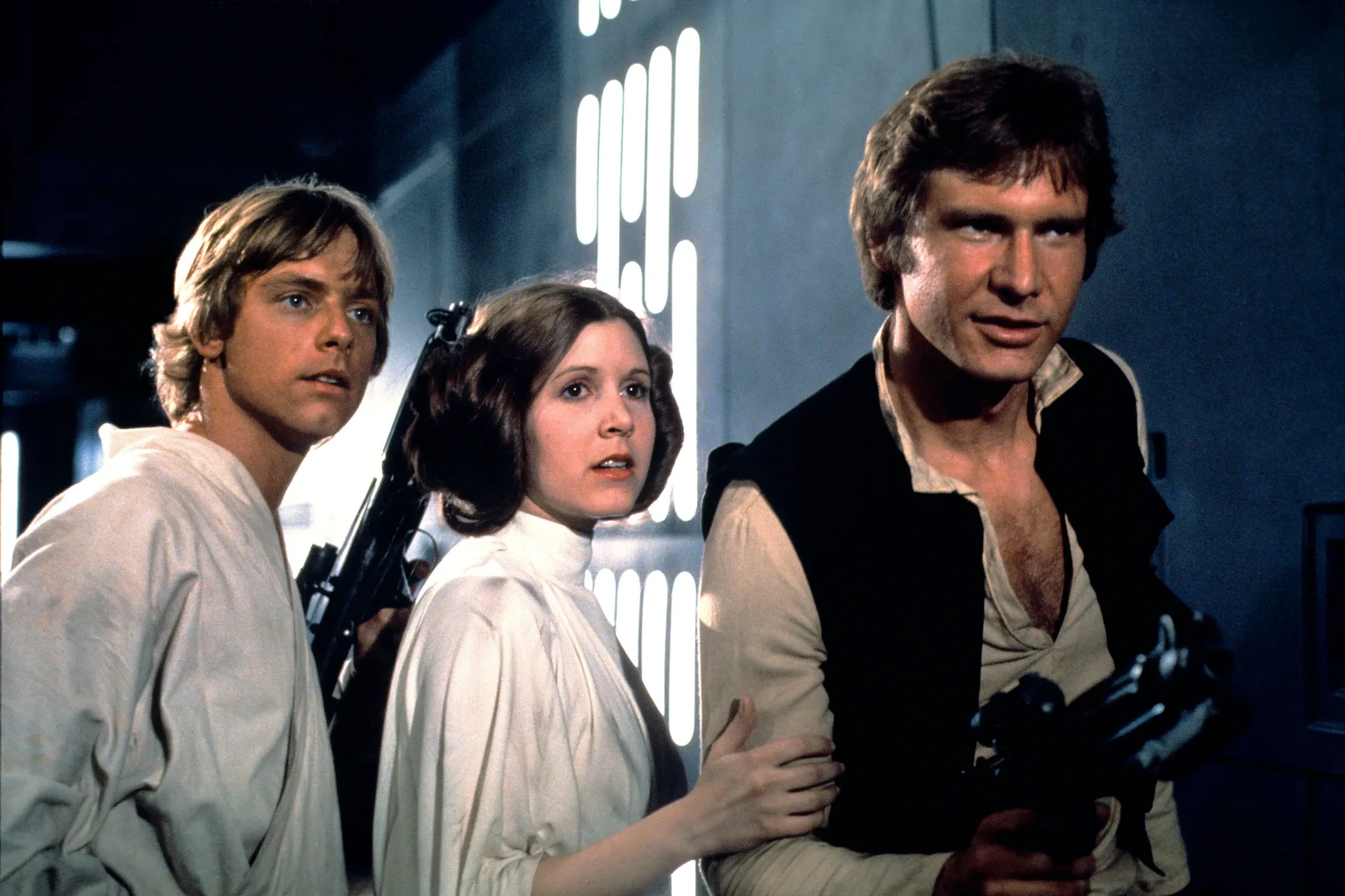
Star Wars: Starfighter has reportedly reached a production budget of $226.5 million at the end of filming, before marketing costs are included. That puts the headline figure just above the $226 million production-stage total cited for Star Wars: The Force Awakens.
It is an attention-grabbing comparison, particularly for a film positioned as the currently scheduled theatrical return to a galaxy far, far away. But the more useful number may be the one hidden beneath the headline: Starfighter filmed in the United Kingdom and reportedly received a $51.5 million tax break. If that incentive is applied against the stated spend, the effective production cost falls to roughly $175 million.
That distinction matters. A $226.5 million production figure describes the amount reached during the making of the movie, while a tax incentive can reduce the ultimate financial burden borne by the studio. Both numbers can be meaningful, but they answer different questions. One reflects the scale of the production activity; the other is closer to what the production may cost after a government incentive is accounted for.
The $500,000 headline gap is real, but incomplete
On the surface, Starfighter sits $500,000 above the cited $226 million figure for The Force Awakens at the conclusion of filming. That is an exceptionally narrow difference at this level of filmmaking. It should not be treated as proof that the new movie is necessarily a larger production in every practical sense, much less as a final measure of either film’s total expense.
First, the comparison is specifically framed around a point in the production timeline: filming had ended, and marketing had not begun. This is not a comparison of worldwide promotional spending, release expenses, or the full amount ultimately associated with putting either film in theaters. Marketing is a separate and potentially substantial part of a major movie launch, yet no marketing total is included here.
Second, the reported UK incentive creates a caveat large enough to change the interpretation. Subtracting the reported $51.5 million from $226.5 million produces an effective figure of approximately $175 million. By that calculation, the net cost would be $51.5 million below the unadjusted spending total.
That does not mean the $226.5 million figure is false or unimportant. It means the number needs a label. In plain terms:
- Production budget before the incentive: the reported $226.5 million spent or budgeted through the end of filming.
- Tax break: the reported $51.5 million benefit associated with filming in the UK.
- Approximate cost after that benefit: about $175 million, before marketing.
Calling the first figure the movie’s budget is understandable, but calling it the final all-in cost would be misleading on the available information. The reported benefit is not a trivial adjustment; it is the central qualification to the comparison with The Force Awakens.
What a production tax break means here
A production tax break is an incentive provided for eligible filmmaking activity in a particular place. In this case, the relevant fact is that Starfighter shot in the UK and reportedly qualified for a significant benefit. The reporting does not provide the detailed terms, eligibility requirements, timing, or final accounting treatment of that incentive, so those specifics should not be assumed.
What can be said is simpler: the credit changes how the $226.5 million number should be read. The gross spend tells readers something about the resources employed in making the movie. The lower, incentive-adjusted figure is a better guide to the production’s reported net burden once the stated tax break is considered.
This is why blockbuster-budget comparisons often need more than one number. Two projects can have similar pre-incentive spending yet different effective costs if one qualified for a regional production benefit and the other did not, or if their respective reported totals are taken from different moments in the production process. Here, the reporting offers a useful matching point—end of filming, before marketing—for the Force Awakens comparison. It also supplies a major adjustment unique to Starfighter.
The practical takeaway is not that one figure should replace the other. Rather, readers should avoid treating “$226.5 million” as a neat declaration that Starfighter is definitively a more expensive proposition than The Force Awakens. Before the reported incentive is considered, it is slightly higher at the stated stage. After it is considered, the financial picture is materially different.
A new pilot story set after The Rise of Skywalker
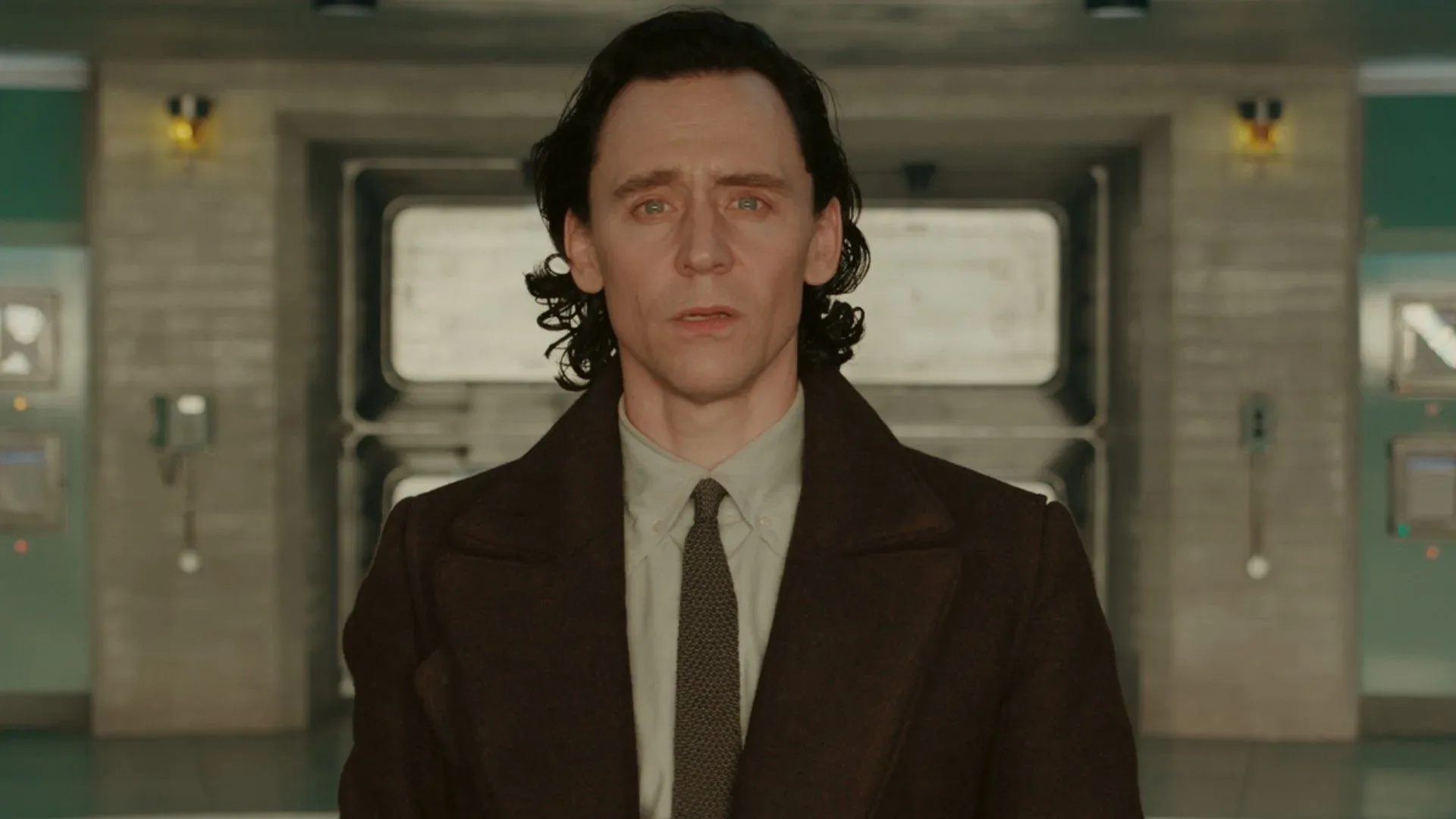
Budget discussion has arrived alongside several concrete story details. Shawn Levy is directing Star Wars: Starfighter, with Ryan Gosling leading the cast as Kade Auberon. Kade is described as a pilot who has ended up on the wrong side of the New Jedi Order.
The movie is set five years after the events of Star Wars: The Rise of Skywalker. That placement gives the film a clear connection to the sequel-trilogy era while centering a new lead rather than presenting itself, on the information available, as a direct continuation focused on the prior trilogy’s central heroes.
The reference to the New Jedi Order is especially notable because it establishes the institution as part of Kade’s immediate problem. Still, the available description does not explain why he is in conflict with it, what his larger objective may be, or whether the movie will focus on a galaxy-wide struggle, a more personal flight-and-pursuit story, or something between those poles. Those are story questions, not details settled by the current premise.
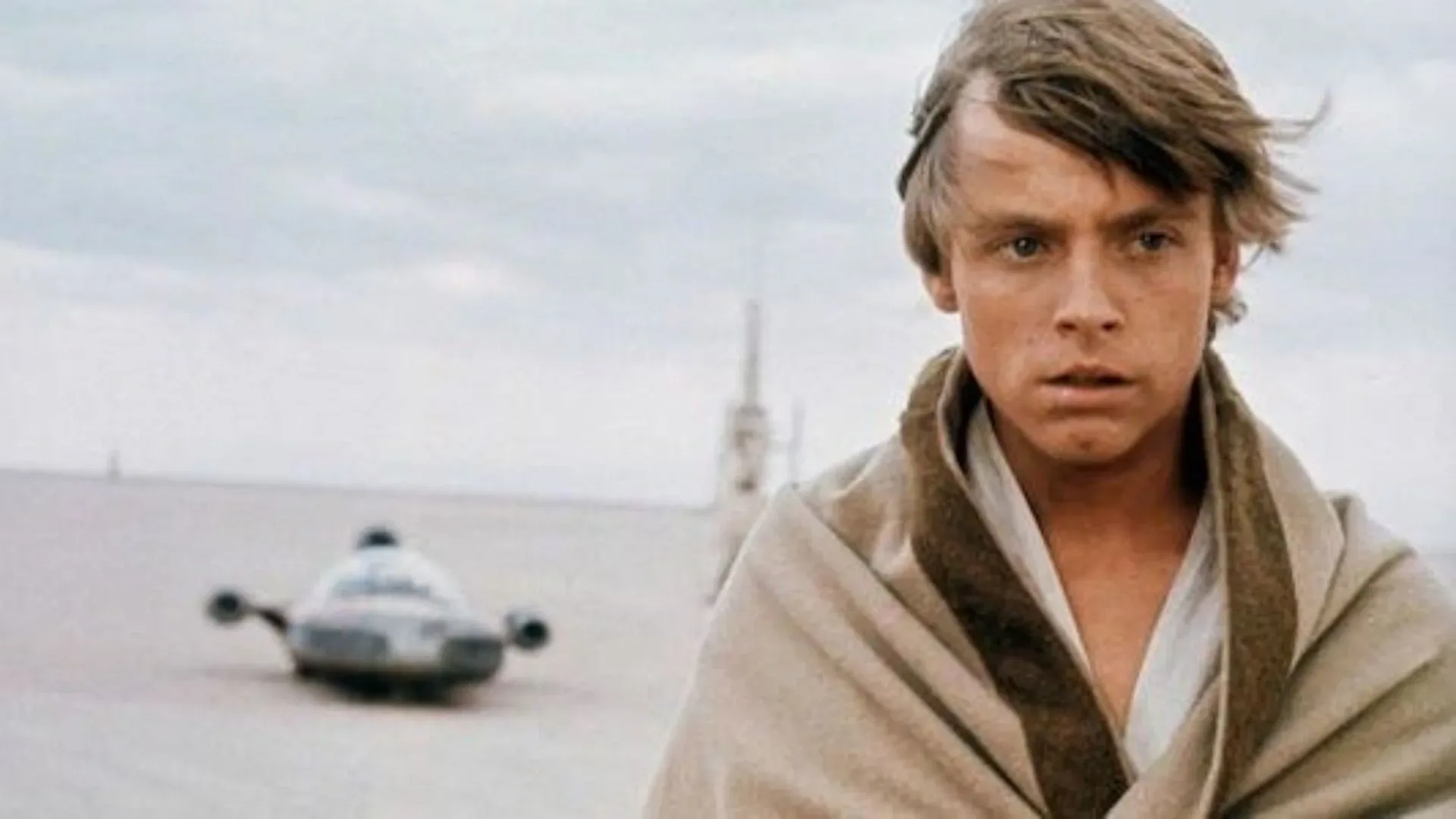
For viewers who want a thematic refresher rather than a production-accounting breakdown, Luke Skywalker’s binary sunset remains one of the saga’s most enduring touchstones. Starfighter, however, is being framed around another classic piece of Star Wars imagery: a pilot, a fast ship, and trouble that apparently begins before the engines even cool down.
The early footage suggests speed is part of the pitch
Footage from the film was shown privately at D23 earlier this year. The sequence reportedly begins with Flynn Gray’s still-unnamed character unveiling a starfighter described as the fastest ever built.
That is not enough to establish the film’s full plot or its final visual approach, and privately shown footage should not be mistaken for a public trailer. It does, though, point toward a straightforward piece of early messaging. A movie named Starfighter appears ready to make the machine itself a major point of intrigue, not merely background hardware for the lead character.
The “fastest ever built” claim also functions as an instantly legible story device. It establishes an extraordinary vehicle before viewers know its technical specifications, capabilities, limitations, or consequences. In genre terms, it gives the narrative a tangible object around which danger, pursuit, rivalry, escape, or temptation could be organized. None of those outcomes have been confirmed, but the reveal clearly puts speed and performance at the front of the film’s identity.
Gray’s role remains unnamed in the currently available details. That restraint is worth preserving. An early-footage moment can signal that a character matters without revealing how that character relates to Kade Auberon, the New Jedi Order, or the starfighter itself.
Why the calendar makes the spending story more visible
Starfighter is currently the only Star Wars film on the calendar, which gives every reported detail around it extra weight. It is not simply one entry in a crowded slate of confirmed theatrical releases. At present, it carries the immediate movie-side spotlight for the franchise.
That context helps explain why a production-budget comparison to The Force Awakens draws attention. The latter is a recognizable benchmark within modern Star Wars cinema, so a pre-incentive figure that narrowly exceeds it makes an easy headline. The caveat is that headlines tend to prefer one number, while the underlying situation requires at least two: the total reached by the end of filming and the reported tax benefit tied to UK production.
There is also reported movement beyond Starfighter. Jon Watts is said to have been hired to direct the first entry in a new trilogy intended to continue the Skywalker saga. That remains separate from the confirmed details around Levy’s film, and the available information does not establish release timing, cast, plot, or production status for the proposed trilogy.
On television, Ahsoka season 2 is set to arrive in January 2027. Together, that places both a forthcoming series and a 2027 theatrical film in the near-term Star Wars conversation, while Starfighter remains the sole movie currently calendared.
What the budget figure can—and cannot—tell audiences
A budget figure is often treated as a proxy for ambition, quality, scale, or confidence. It is not a reliable shortcut to any one of those things. The reported $226.5 million tells audiences that substantial resources were involved before the marketing campaign began. The reported $51.5 million UK incentive tells audiences that the studio’s eventual production cost may be substantially lower than that top-line amount.
Neither figure reveals whether the screenplay works, how Gosling’s Kade Auberon will be received, how much of the movie takes place in the cockpit, or how the New Jedi Order will function in the story. It also does not settle the final cost, because the figures may change and marketing has not been included.
For now, the clearest reading is also the least dramatic: Star Wars: Starfighter reportedly reached a pre-marketing production total marginally above the cited Force Awakens figure at the end-of-filming stage. Its reported UK tax break, however, is substantial enough that the apparent record-sized comparison needs an asterisk the size of a starship.