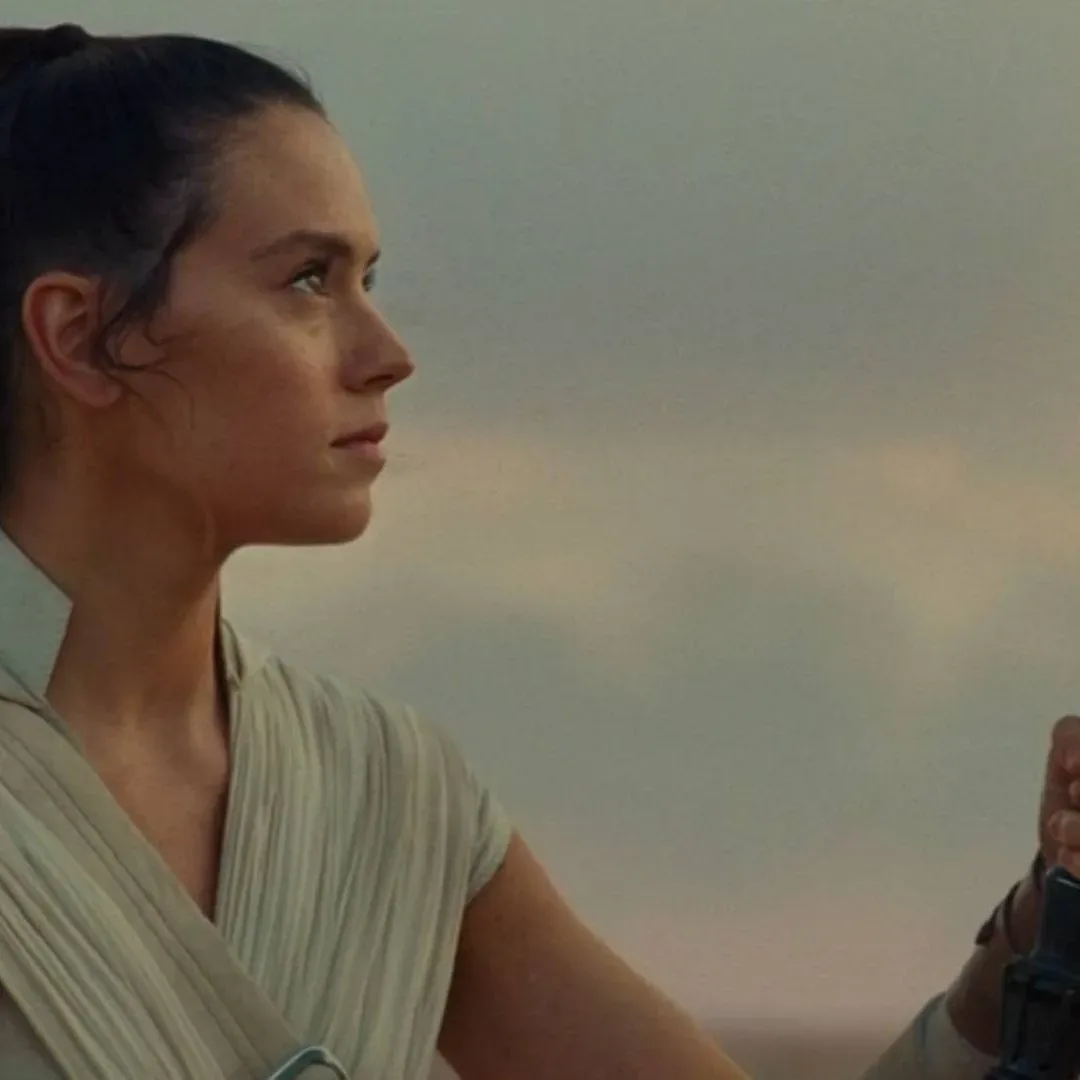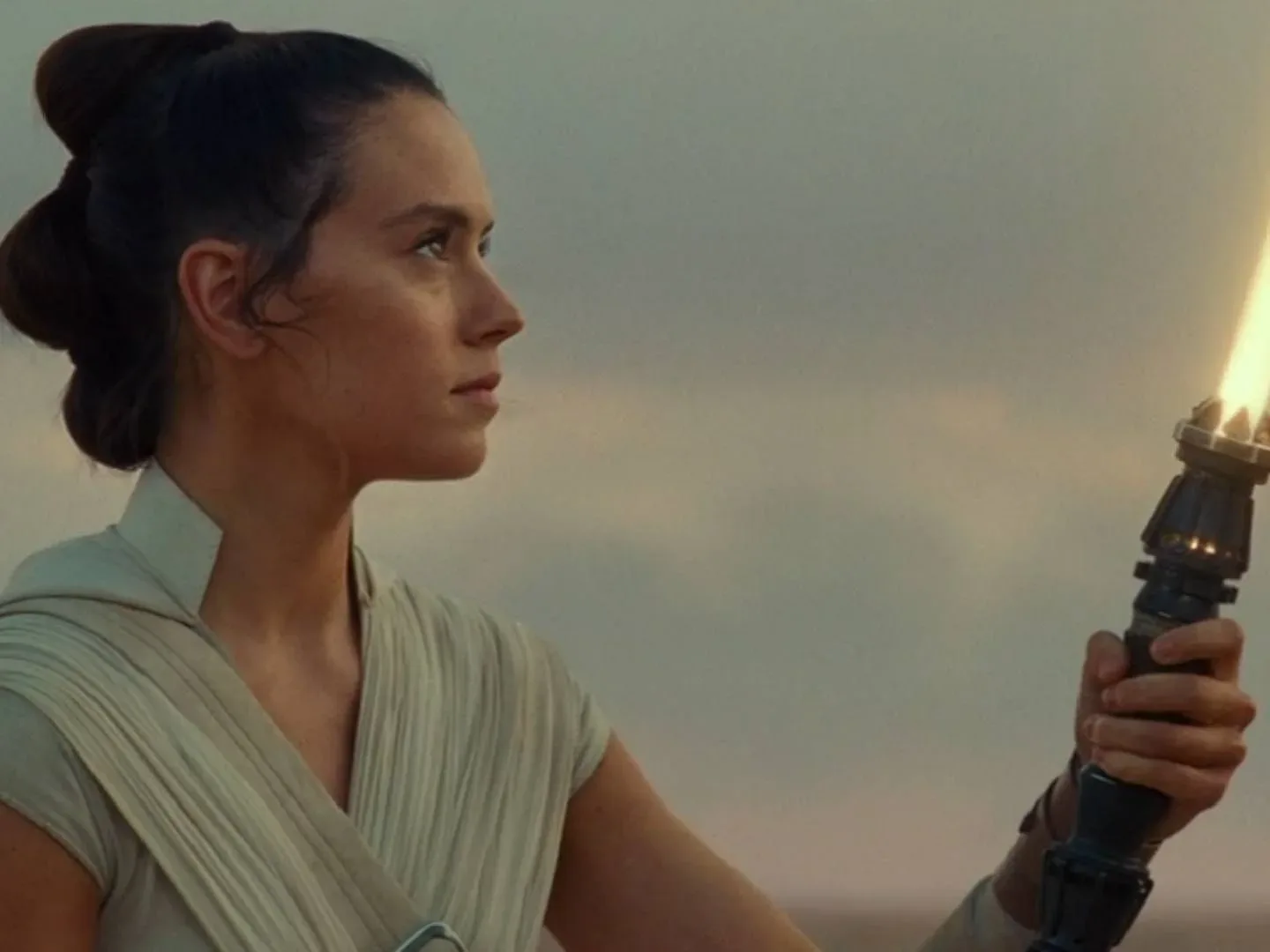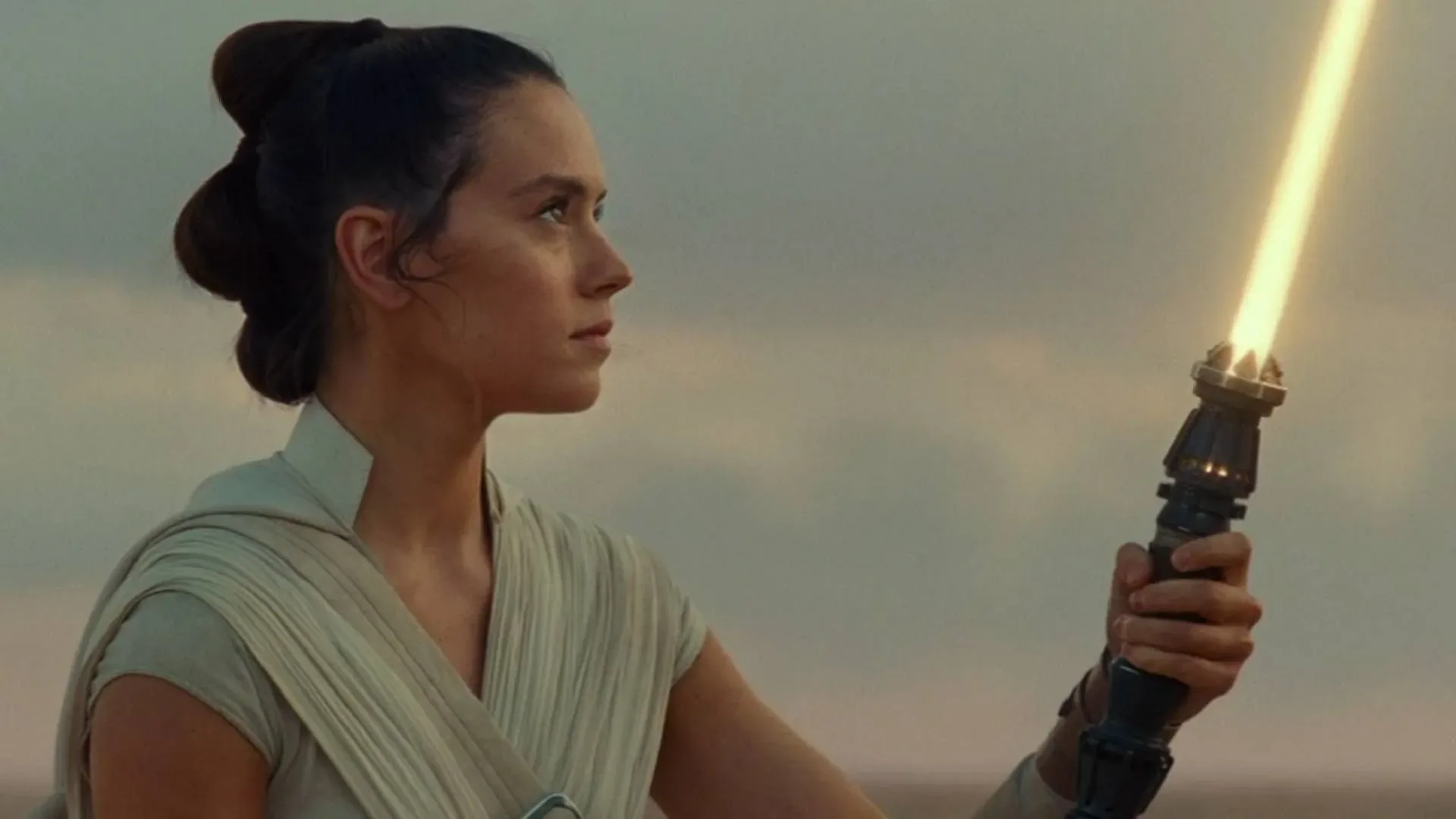
Three years after Daisy Ridley appeared at Star Wars Celebration to reveal plans for a new Rey-centered feature, a growing segment of the Star Wars community has adopted a distinctly cautious position: an announced project is not the same thing as a movie that is actually on its way.
The proposed film has an appealingly clear premise on paper. It was described as taking place roughly 15 years after Star Wars: The Rise of Skywalker, with Rey working to establish a new Jedi Order. That setup would move the saga beyond the sequel trilogy’s immediate aftermath while returning to one of Star Wars’ biggest enduring questions: what, exactly, does the Jedi legacy become after another era of catastrophe?
But the project’s public trail has become quiet. A director and writer were initially attached, and early story details gave fans something more substantial than a title-only tease. Since 2024, though, there has been little visible movement. Ridley offered the latest notable update in 2025, expressing confidence that the wait would pay off while acknowledging the many obstacles involved in getting films made. That is encouraging in tone, but it is not the same as a completed script, a production start, a trailer, or a release date.
Why the announcement is still generating anxiety
Star Wars fans are not reacting to the absence of one routine update. They are reacting to the franchise’s long history of publicly discussed film ideas that have remained in development for years, changed form, or simply faded from view. The Rey movie has become a focal point because its original reveal was unusually high-profile: Ridley herself was onstage, the character was known, and the broad timeline and premise were identified.
That combination makes silence feel more consequential. A mysterious in-development project can be easy to mentally file away. A movie positioned as the next chapter for a central trilogy protagonist is harder to forget, especially when the announcement created a reasonable expectation that audiences would eventually see Rey’s next steps onscreen.
For many fans, the practical rule has become simple: reserve excitement until a project has both a trailer and a release date.
That is less cynicism than self-protection. Film development is complicated, and many legitimate factors can slow it down: scripts can be reworked, creative teams can change, broader release strategies can shift, and studio leadership decisions can alter priorities. None of those possibilities, by themselves, proves that the Rey film has been cancelled. At the same time, none can be used to guarantee that it will happen.
The key distinction is certainty. At present, the available information supports saying that a Rey movie was announced and that Ridley voiced optimism in 2025. It does not support presenting a release window, a locked creative team, an active production schedule, or a finished screenplay as settled facts.
Rey’s story has real stakes beyond one release date
Rey rebuilding the Jedi Order is not merely a convenient premise for another adventure. It potentially addresses the post-sequel-trilogy status quo in a major way. The Jedi have repeatedly been dismantled, scattered, reinterpreted, or rebuilt across Star Wars storytelling. A film set around Rey’s attempt to start again could explore what lessons survive from the failures of previous generations.
That does not mean every unanswered Star Wars question must be explained, nor does it mean an announced outline is a promise of a particular final story. Development can reshape even a seemingly straightforward pitch. Still, the premise explains why fans are invested. It offers a chance to see Rey as more than a survivor or inheritor of a galactic conflict; she could become an active architect of whatever comes next.
It also places Ridley at the center of a future-era narrative rather than treating her return as a brief cameo or a nostalgic detour. For viewers who connected with the sequel trilogy, that possibility is significant. For viewers uncertain about where Star Wars should go after The Rise of Skywalker, a new Jedi Order is at least a concrete dramatic direction.
A familiar pattern for the galaxy far, far away
The concerns around the Rey project exist alongside several other long-discussed Star Wars film concepts. Simon Kinberg, a co-creator of Star Wars Rebels, was associated with plans for a trilogy. James Mangold, who directed Indiana Jones 5, was announced for a film set thousands of years before the Jedi era familiar to audiences. Taika Waititi has also been connected with a Star Wars feature for a long time.
Each of those ideas has generated curiosity for different reasons. A trilogy implies a sizable commitment; Mangold’s concept suggests an unusually distant point in the fictional timeline; and Waititi’s involvement naturally raises questions about tone and approach. Yet public association with a filmmaker is not a release guarantee. The fact that multiple projects can exist in various stages of development is precisely why fans have become wary of treating a stage announcement as a finalized slate.
This is not a problem unique to Star Wars. Major franchises often develop more ideas than they ultimately produce, and the development process is designed to test, refine, replace, or abandon material before the much more expensive stages of production begin. What makes Star Wars different is the scale of audience attention. Every director attachment, era label, and character return immediately becomes part of a larger fan map of the franchise’s future.
That can make an extended quiet period feel like a verdict even when no official verdict has been issued. It also explains the recurring plea from fans: announce projects later, when there is firmer evidence they are truly moving forward.
What is actually on the calendar
There are, however, two Star Wars projects with clearer near-term status. Ahsoka season 2 has been filmed and is set to arrive on January 20, 2027. Starfighter, starring Ryan Gosling, has a May 28, 2027 release date. Those are meaningful distinctions because they offer concrete markers that an audience can track rather than asking fans to infer progress from an old announcement.
That contrast is likely to intensify the questions around Rey. As 2027 approaches, viewers will have an upcoming filmed season and a dated theatrical feature to anticipate, while the next solo chapter for one of the sequel trilogy’s leads remains publicly undefined. It is understandable that some fans have jumped from uncertainty to the conclusion that the film will “probably never” arrive. But that conclusion remains a fan prediction, not a confirmed status.
The broader entertainment landscape is full of projects that take longer than expected, emerge with drastically revised creative teams, or arrive after periods when public discussion had all but disappeared. It is equally full of projects that never clear development. Without a new official milestone, both outcomes remain possible for the Rey movie.
What fans can reasonably watch for next
The most useful signs of progress would be concrete ones: confirmation of the current writer and director, news that a screenplay is complete, a production start, casting beyond Ridley, a formal title, or a release date. A trailer would obviously be the loudest signal, but earlier production milestones would also move the conversation beyond speculation.
Until then, it makes sense to keep the Rey project in the “announced, status uncertain” column. That may not satisfy fans who have waited since the Celebration reveal, but it is more accurate than declaring the film either imminent or definitively gone.
Star Wars remains capable of creating enormous excitement from a single logo, a familiar character, or a glimpse of a lightsaber. Its announcement culture has also taught audiences to ask for proof before committing emotionally. Similar care is useful whenever a major screen property is mapped far in advance; even plans for adaptations can change as development evolves, as with the still-forming approach discussed around The Legend of Zelda movie’s new story.
For Rey, the premise is still compelling, Ridley’s most recent public message was positive, and no definitive cancellation is established here. But three years after the reveal, fans wanting a clearer signal are not asking for too much. They are asking for the project to move from a promise about the future into something visible, scheduled, and real.