Major spoilers for The Rings of Power season 3 follow.
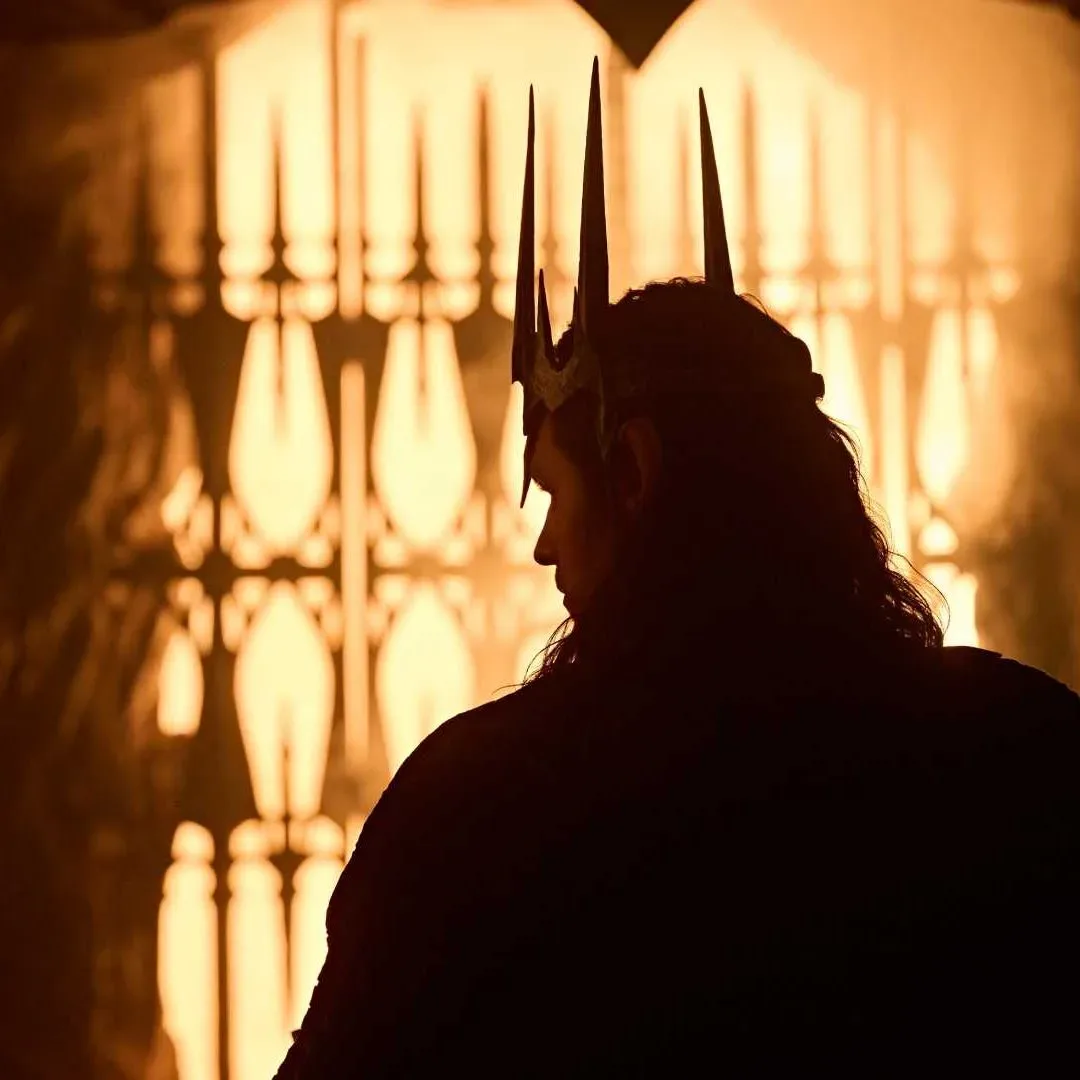
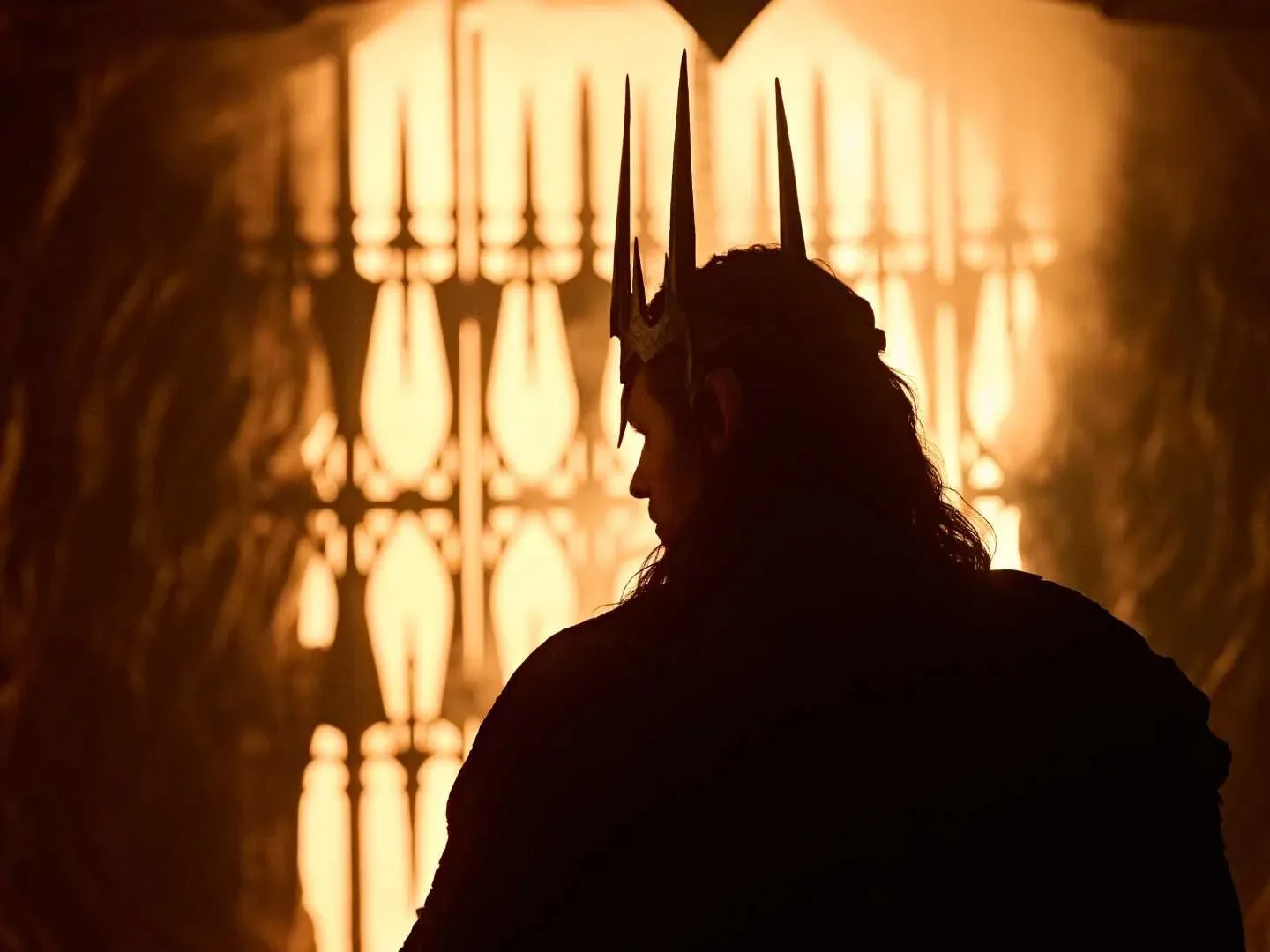
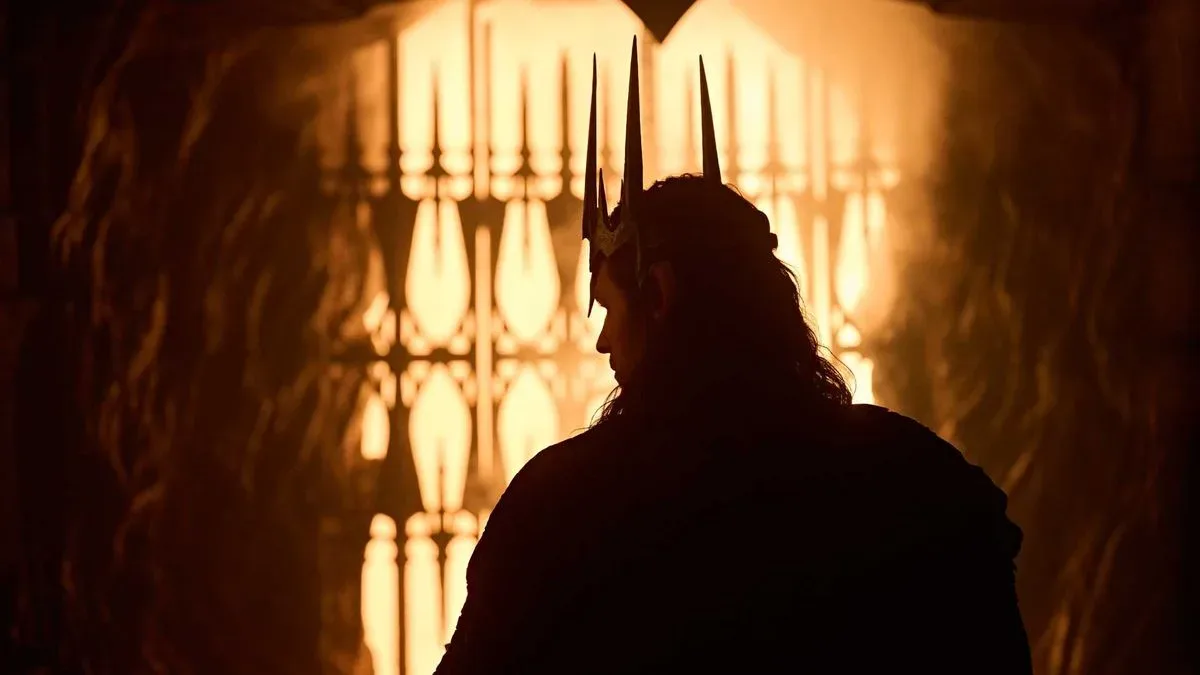
The Rings of Power has left its next season with a predicament rather more dangerous than a standard prison break. Sauron has surrendered before Pharazôn and Númenor’s forces, placing Middle-earth’s Dark Lord in apparent captivity. Yet the central difficulty is not simply whether Númenor can keep him locked up. It is whether anybody can meaningfully control a being whose most potent weapons may be patience, persuasion, and an opponent’s certainty that they have already won.
Showrunners J.D. Payne and Patrick McKay have indicated that season 4 could begin by directly confronting that dilemma. McKay described the basic premise in blunt terms: “What the hell are we supposed to do with him?” It is an apt framing for a story in which a victorious army now has to decide how to handle a surrendered supernatural adversary.
Season 4 has been officially greenlit, with filming set to begin next year. That confirmation means the consequences of Sauron’s surrender are not merely an end-of-season cliffhanger; they are the immediate dramatic terrain for the next chapter.
For more context, explore Cardi B Turns a Packed Year of Music, Touring and Motherhood Into a Direct Pep Talk.
A prisoner is not necessarily a defeated enemy
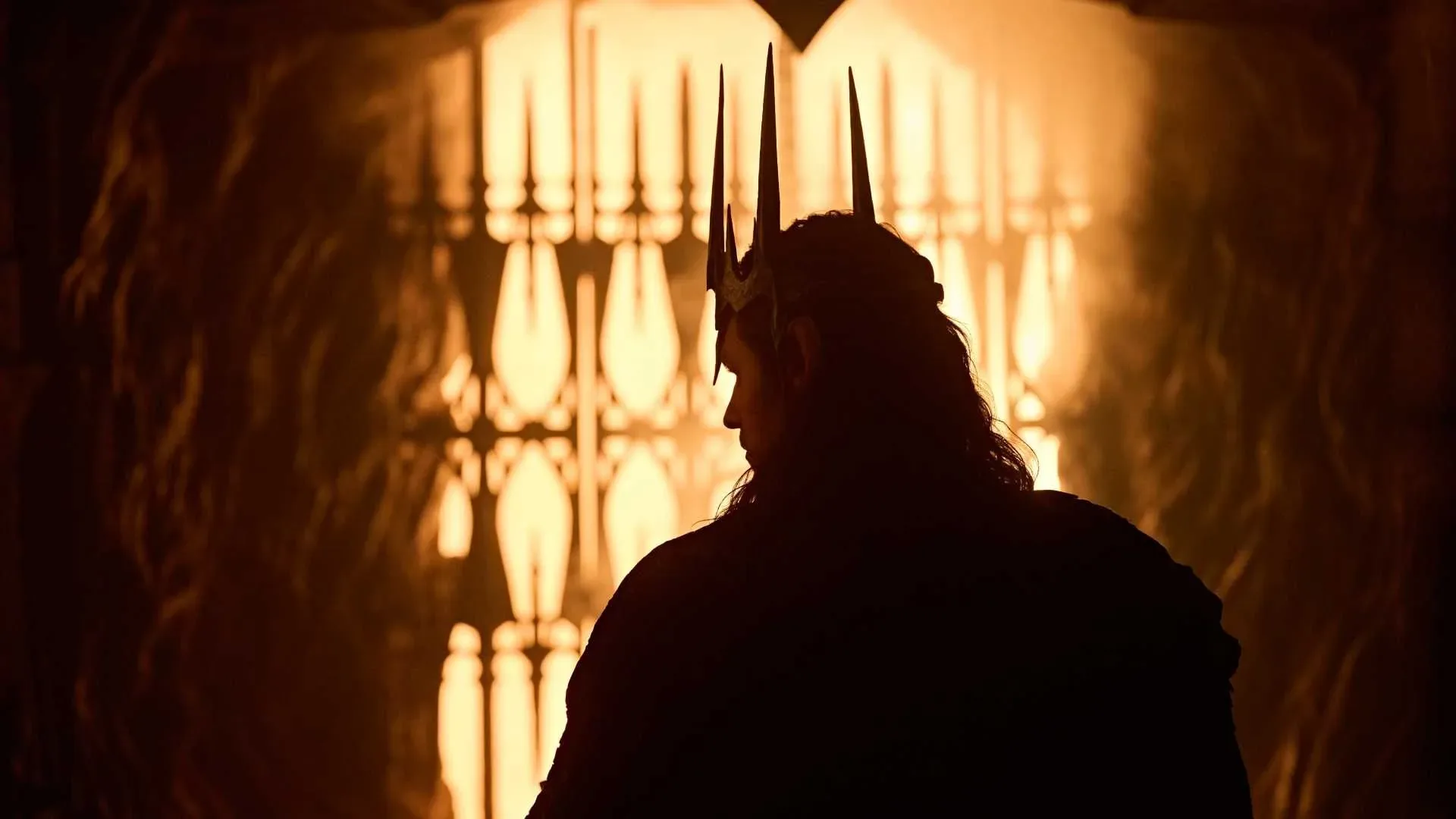
The visual of Sauron yielding to Pharazôn’s forces invites an understandable reading: Númenor has removed its biggest threat from the board. But a surrender can change the form of power rather than eliminate it. An enemy outside the gates can be fought, watched, and named as a threat. An enemy inside the gates can study a society’s rivalries, offer useful counsel, and turn confidence into vulnerability.
That is the tension McKay’s comments point toward. He raised the possibility that humility—whether genuine or performed—could give Sauron influence over a reluctant adversary. In practical storytelling terms, that places the danger in conversation and access rather than open warfare. The question for Númenor is not only where to put Sauron, but who is allowed to speak with him, who believes they can use him, and who begins to see his imprisonment as proof of their own strength.
It also creates a sharp political problem for Pharazôn. Capturing a feared enemy can be a major display of authority. Killing that enemy might seem like the cleanest solution, but holding him alive can look like an even greater declaration of dominance—at least at first. The show’s setup leaves room for that calculation to become a trap. The captive’s value as a trophy, adviser, source of knowledge, or public symbol may be precisely what makes releasing influence into Númenor possible.
What “Maiar” means for the stakes
Payne’s explanation of why Sauron was not simply killed points to a key piece of the show’s own supernatural logic: Sauron is one of the Maiar. In the context presented on screen, that makes a straightforward execution an unreliable answer. The series has already shown an attempt to destroy him failing.
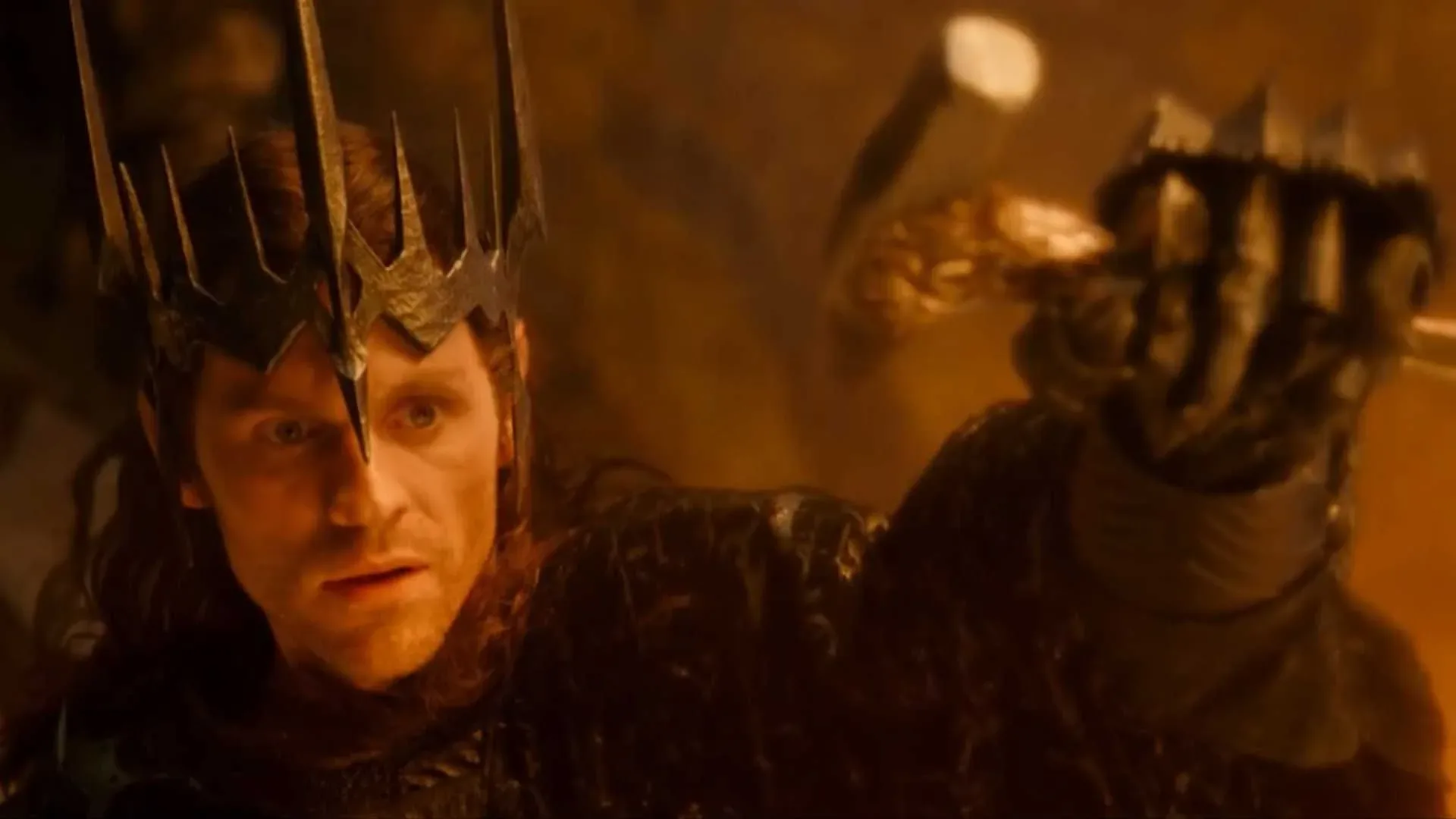
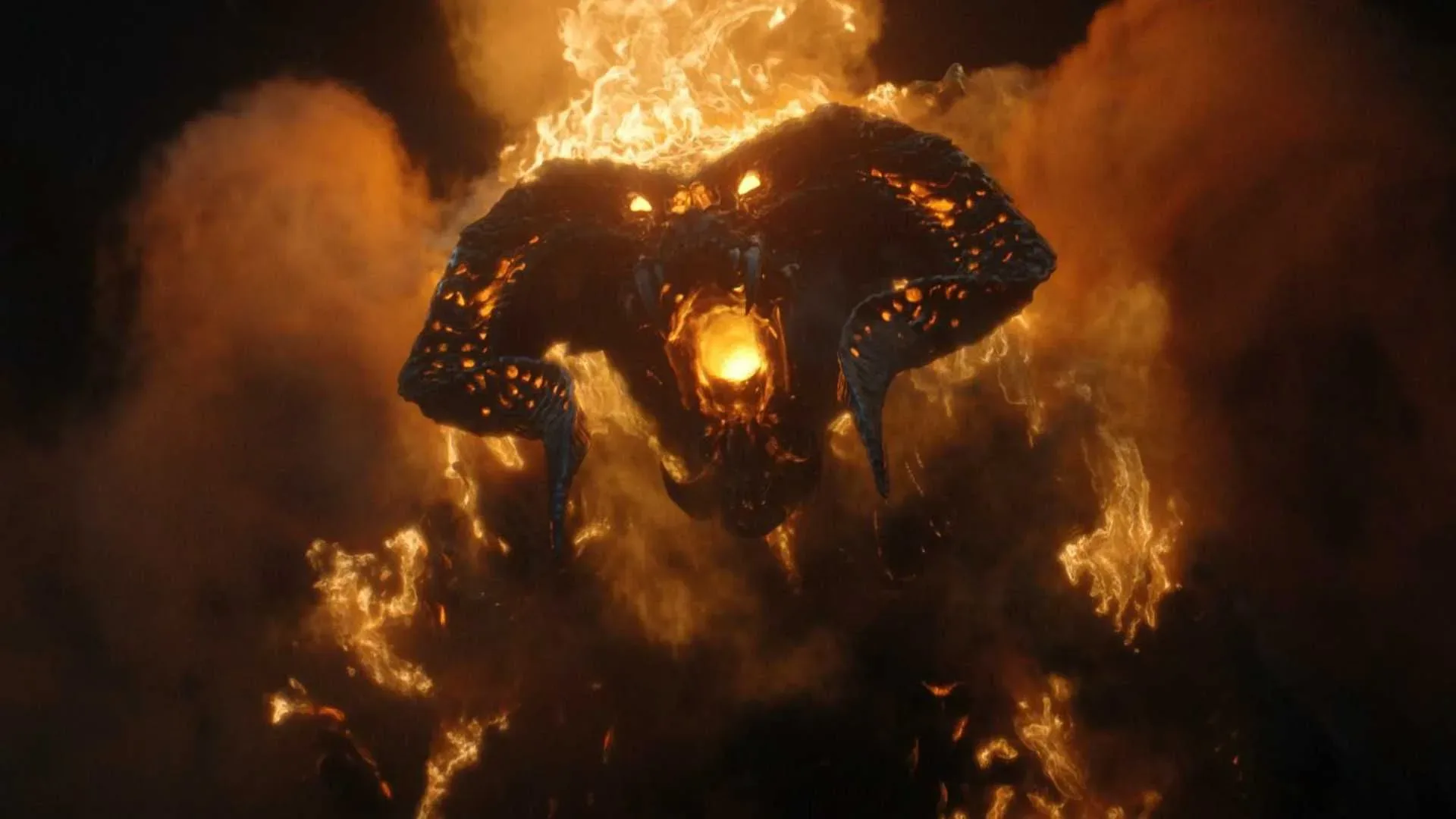
Payne referenced the season 2 prologue, in which an earlier incarnation of Sauron was played by Jack Lowden. The orcs tried to kill him, but he returned first in a monstrous black, goo-like form before eventually re-forming. Payne called this process “re-instantiat[ion].” Put plainly, the body can be destroyed without permanently removing the being behind it.
That detail matters because it separates custody from conventional military victory. A human ruler may think in terms of conquest: capture the enemy commander, execute him, end the campaign. But the show has established that Sauron does not fit those assumptions. If death is temporary or otherwise ineffective, Númenor’s leaders are left choosing among options that each carry their own risks: containment, coercion, negotiation, public spectacle, or an attempt to exploit the knowledge of a foe they cannot permanently erase.
None of those options guarantees safety. Indeed, the showrunners’ comments suggest season 4 may derive much of its early tension from the fact that every apparent solution also provides Sauron a possible opening.
The danger of a useful captive
A captive villain can be dramatically passive if the story treats incarceration as a pause button. Sauron’s situation has the potential to work differently because the threat is not limited to physical freedom. His capacity to regain form after the orcs’ attack establishes that brute force has limits. McKay’s emphasis on humility establishes another route: influence acquired through an image of submission.
That distinction makes Númenor’s choice especially fraught. A visibly defiant captive is easy to regard as an enemy, even if he remains dangerous. A captive who appears cooperative invites a more complicated response. Some people may call for caution, others for mercy, others for execution, and still others for using the prisoner’s apparent expertise. The conflict then becomes internal as well as external.
This is why the showrunners’ proposed opening question is stronger than a simple “Can Sauron escape?” mystery. Escape assumes the prison is the principal obstacle. “What do we do with him?” asks whether the captors understand the nature of the problem at all. It is a question about ethics, strategy, power, and hubris at once.
It also gives the series room to make Sauron’s surrender active rather than reactive. If the appearance of humility can be a tool, yielding may be a move chosen to reach a place force could not reach as easily. The season 3 ending therefore reframes captivity as a potentially strategic position—not proof that the threat has been solved.
Why Pharazôn and Númenor are now central
Sauron’s location is the immediate reason Númenor should sit at the center of season 4’s early pressure. He is not merely near the kingdom or plotting against it from a distance; he is apparently in its hands. That makes the kingdom’s response inseparable from the threat itself.
For Pharazôn, the political optics are obvious. Bringing Sauron to heel presents an opportunity to demonstrate command before Númenórean forces and the wider world. But dominance over a prisoner is only as meaningful as the captor’s ability to recognize manipulation. The more confidently authorities assume they have neutralized Sauron, the less prepared they may be for an attack that does not look like an attack.
The structure also sets up a useful imbalance. Sauron is held, so he seems to possess less agency. Yet the captors must make decisions: how to guard him, whether to question him, whether to listen, and whether his surrender should alter their policies. Each decision can create access. In that sense, the people with formal power may be the ones forced to reveal their priorities and weaknesses.
There is a grim irony embedded in the scenario. Keeping Sauron alive could be framed as restraint or wisdom, while killing him may be impossible to treat as a permanent solution. But the series has offered a reason to fear that Sauron benefits when opponents confuse a temporary physical advantage with a lasting victory.
What the season 4 setup does—and does not—confirm
The showrunners have not laid out a full season 4 plot, nor have they said exactly how Sauron’s captivity will unfold. The available clues establish the premise, not its resolution. Sauron’s surrender, the prospect of exploring his treatment in Númenor, and the show’s established depiction of his return after apparent death are the firm pieces of the board.
It would be premature to treat any single outcome as confirmed: whether he stays captive for long, who accepts his apparent humility, or what form his influence ultimately takes. The more defensible takeaway is that season 4 appears positioned to make uncertainty itself the point. The kingdom has captured a foe it cannot safely dismiss, while the foe has entered the heart of a powerful society under the most disarming possible guise.
For another look at the season’s central problem, Sauron’s season 4 predicament is exactly what makes the cliffhanger such an effective one. There is no obvious good answer to the question posed by his surrender—and, given what the series has shown of his resilience, the wrong answer may be far more dangerous than an open battle.
Season 4, then, has a clear dramatic engine before cameras even begin rolling: Númenor believes it possesses Sauron. The suspense lies in whether that belief is the beginning of its victory or the beginning of his.