The Lord of the Rings: The Rings of Power is heading into its third season with its creative team publicly acknowledging the debate around its first two chapters. Showrunner Patrick McKay says the series has learned from what worked and what did not, while arguing that audience reaction cannot replace the creators’ responsibility to steer the story.
McKay’s central message is less a promise that every disagreement surrounding the series will disappear than a statement of confidence. In his view, the production has become more assured in how it tells its story, and season 3 represents the point at which it has “hit its stride.” The new season begins streaming on Prime Video on November 11.
Feedback matters, but it is not the steering wheel
The series has been a particularly visible example of the difficult relationship between major franchise television and its audience. It is based in J.R.R. Tolkien’s Middle-earth, a setting with generations of devoted readers and viewers, which means every character decision, timeline choice, and adaptation choice can receive unusually intense scrutiny.
McKay said the team would be failing professionally if it did not care at all about what viewers thought. But he drew a clear distinction between listening to feedback and yielding authorship to it.
“We listen to what people say, and we want people to love it, but we are our hardest, harshest critics. What’s working and what’s not working, we’re going to learn from.”
That is an important distinction for a continuing serialized drama. Serialized means its plot is constructed across multiple episodes and seasons rather than being fully resolved in one installment. It gives writers room to develop long arcs, but it also makes instant course corrections complicated. Decisions made early in a story can affect characters, conflicts, and payoffs much later. A creative team can take criticism on board without being able—or necessarily wanting—to rebuild the premise around every reaction.
McKay’s comments suggest that season 3 is meant to reflect internal assessment as much as external conversation. The goal, as he frames it, is greater confidence in the show’s storytelling rather than an effort to have viewers dictate the plot.
Why the response has been so split
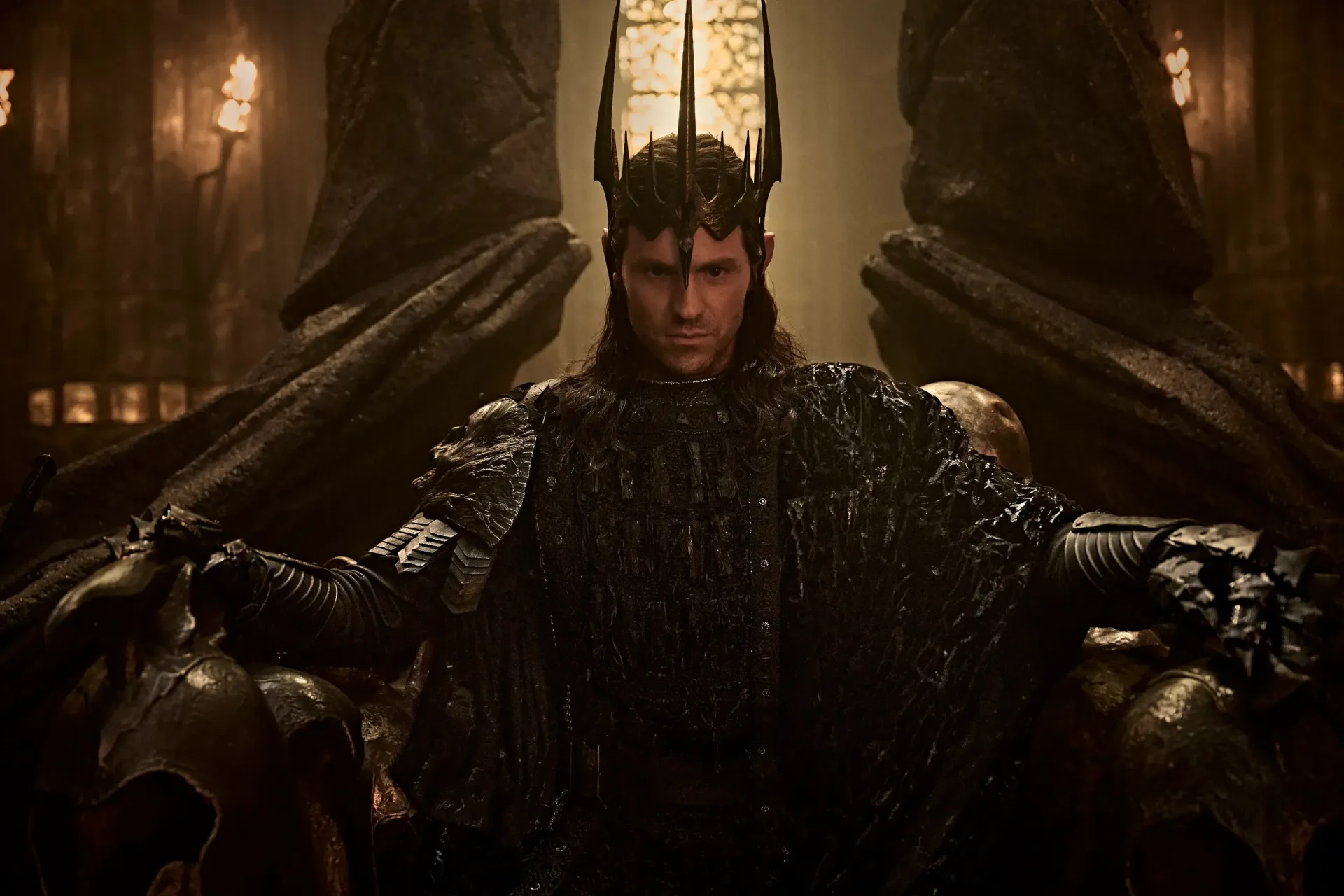
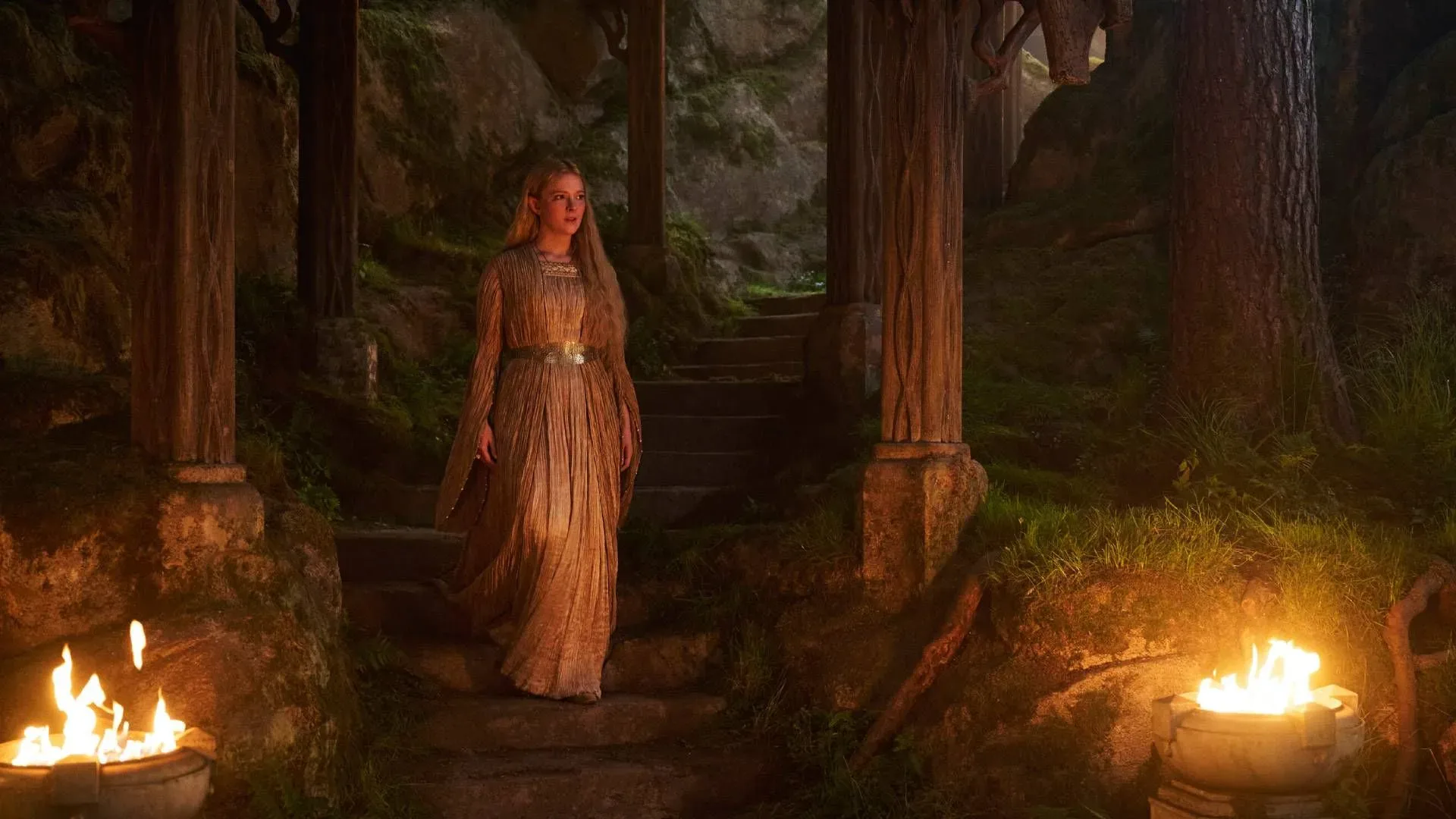
The Rings of Power is set during Middle-earth’s Second Age and follows Sauron’s rise to power. That era gives the series a vast canvas: the stakes are historical within the fictional world, while the individual characters still need clear motivations and an emotional throughline that works from episode to episode.
Related coverage includes The Rings of Power Team Says Season 3 Finds Its Storytelling Confidence.
The first two seasons were received positively by critics, earning Rotten Tomatoes scores of 84% and 85%, respectively. Those numbers are useful as a snapshot of critical response, but they do not settle the broader argument around the show. An aggregate score collects reviews into a percentage; it is not a universal measurement of fan enthusiasm, fidelity to the books, or the quality of any single episode.
Some viewers have argued that the show moved too far from the spirit of Tolkien’s work. That criticism is fundamentally about adaptation: not only whether a production uses familiar names, places, and events, but whether its tone, characterization, themes, and inventions feel compatible with the material audiences cherish. It is a subjective argument, but a consequential one for a franchise with such a firmly established identity.
At the same time, the series has the obligation of being television, not simply an illustrated reference book. It must build scenes, ongoing character arcs, and episode-level momentum for people who may come to the story with very different levels of knowledge. Finding the right balance between those demands has been at the heart of much of the discussion around its first two seasons.
Season 3 appears ready to lean into major Middle-earth imagery
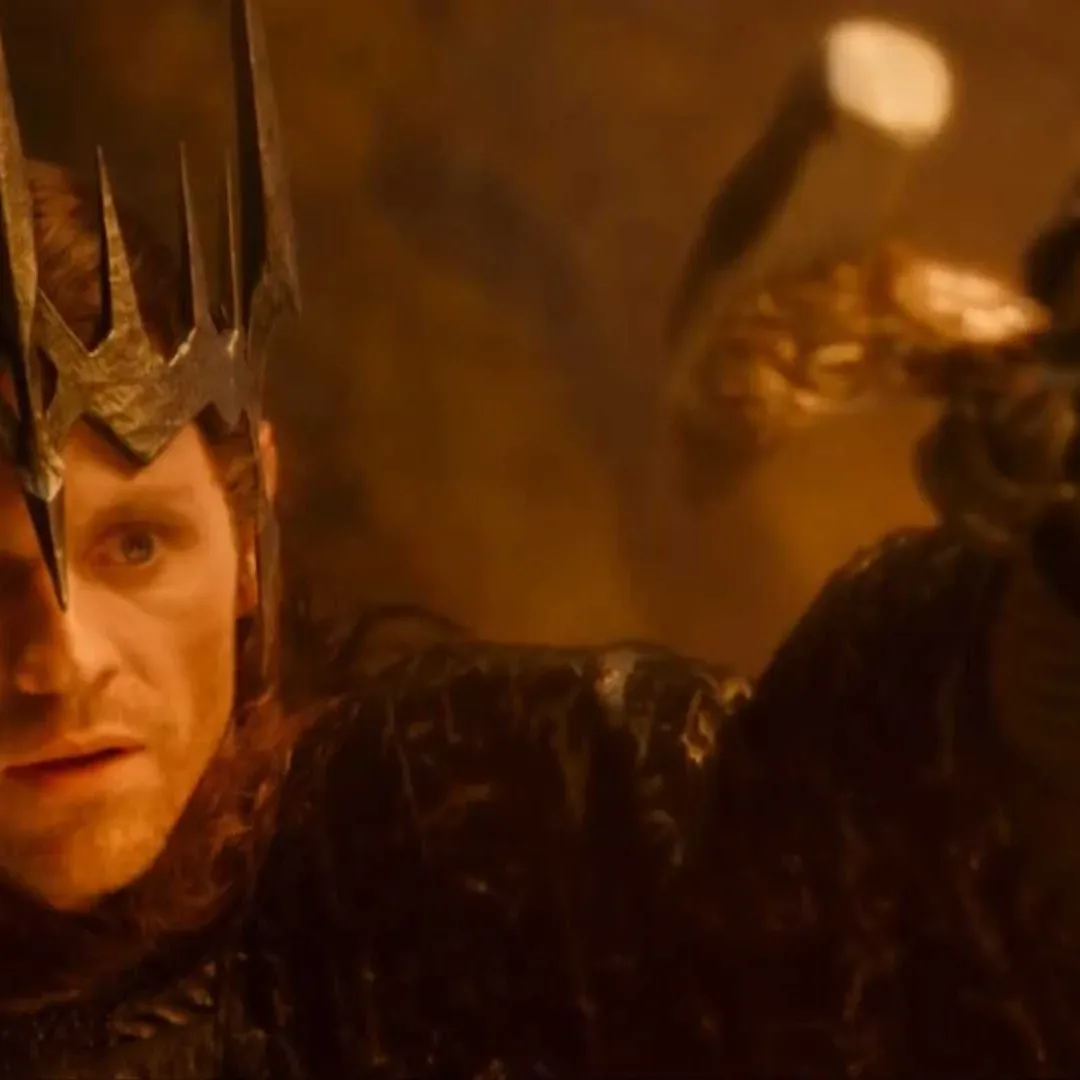
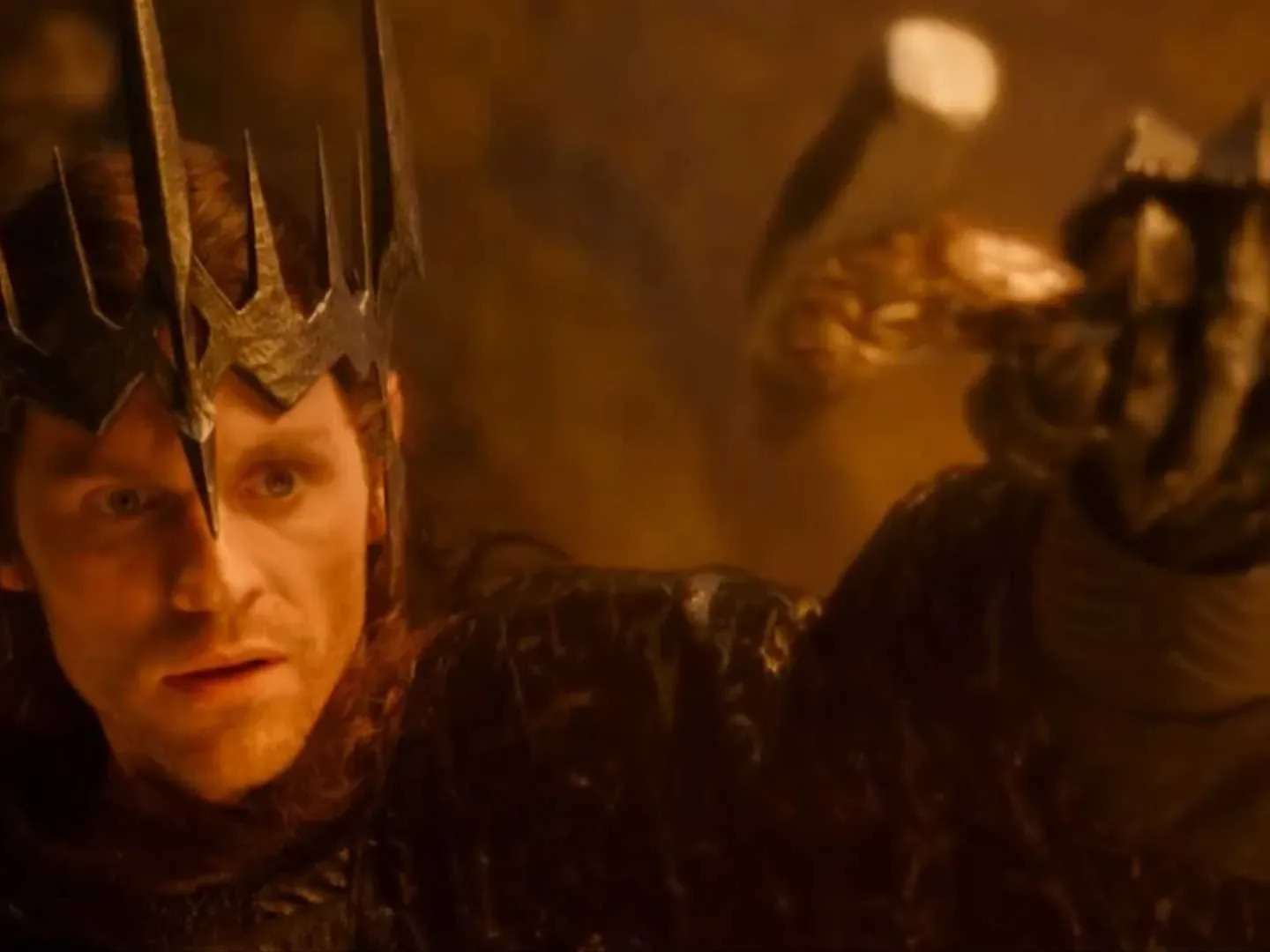
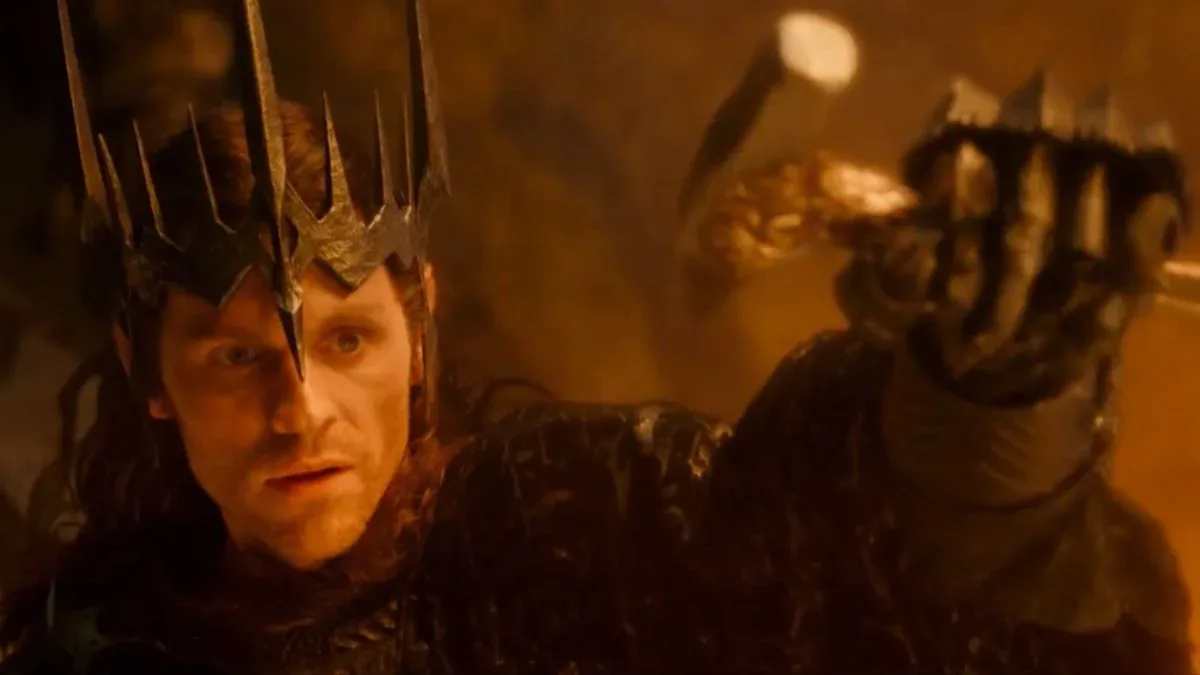
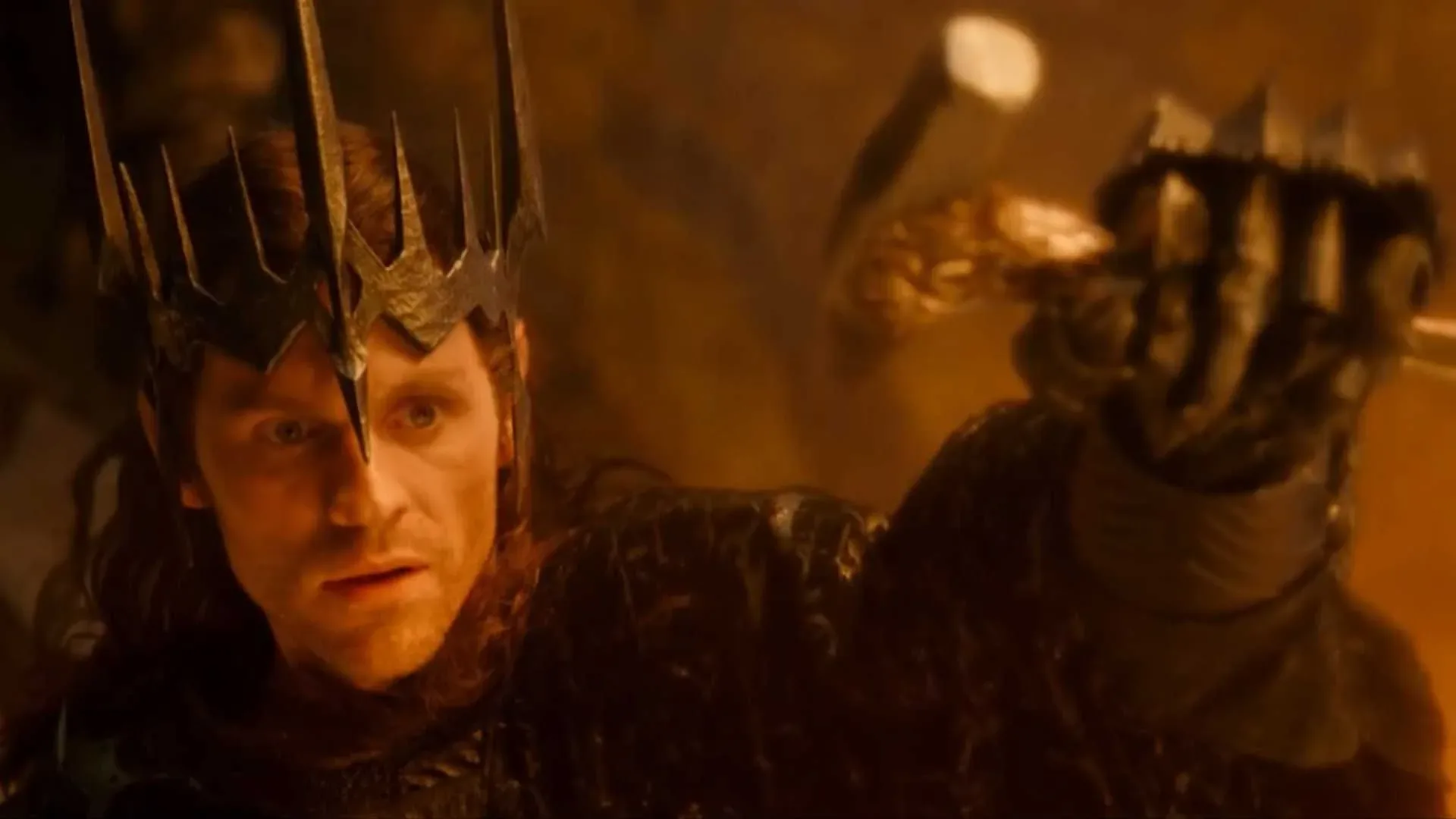
The new trailer points toward some unmistakably large-scale Middle-earth material. It includes Sauron going toe-to-toe with the Balrog, placing two major forces associated with the setting into direct conflict. That is the kind of event designed to signal escalation, especially in a story centered on Sauron’s ascent.
There is also an upcoming character described as an “orc with an arc.” The phrase implies a character journey rather than an orc existing solely as a battlefield obstacle. Whether that approach wins over skeptical viewers remains an open question. For some, adding a more developed perspective to an orc could be an opportunity for dramatic texture; for others, it may become another flashpoint in the wider discussion over how the show interprets the world.
Neither possibility is settled by a trailer. Promotional footage can show the scale and ingredients of a season, but it cannot prove how effectively a long-form plot will develop its ideas. The more meaningful measure will be whether season 3 connects its spectacle to character stakes and to the larger story of Sauron’s growing power.
What “hitting its stride” would actually mean
For a show entering a third season, “hitting its stride” is best understood as a claim about execution. It can mean the creative team believes it better understands the pace, voice, emphasis, and structure that suit its characters and world. It does not automatically mean that every viewer who disliked earlier seasons will change their mind.
There are several practical ways that confidence can matter in a franchise series:
- Clearer priorities: A season can make its central conflict easier to follow when it knows which characters and ideas should carry the greatest weight.
- More purposeful pacing: Pacing is the rhythm at which scenes and plot developments arrive. In an ensemble fantasy, it can determine whether a sprawling narrative feels expansive or simply scattered.
- Stronger payoffs: Payoff is the dramatic return on earlier setup. When a series plants a conflict or relationship in one episode, later developments need to make that investment feel worthwhile.
- A firmer adaptation identity: A production can acknowledge its source material while becoming clearer about the particular version of the story it is building for television.
Those are analytical possibilities, not confirmed season 3 features. The confirmed point is narrower: McKay says the team is learning from its work and feels increasingly secure in its storytelling. The trailer’s emphasis on Sauron and the Balrog also indicates that the new chapter will continue to operate at a grand scale.
A costly fantasy series still faces a simple audience test
The Rings of Power is among the most expensive series ever made, but scale alone cannot resolve an artistic debate. Large budgets can support elaborate environments, effects, costumes, and set pieces. They cannot, by themselves, decide whether viewers accept an adaptation’s choices or become invested in its characters.
That makes McKay’s emphasis on storytelling notable. Rather than presenting the show’s appeal solely in terms of size, he is pointing to craft and confidence: the ability to identify weak points, learn from them, and make decisions without pretending the audience has no stake in the conversation.
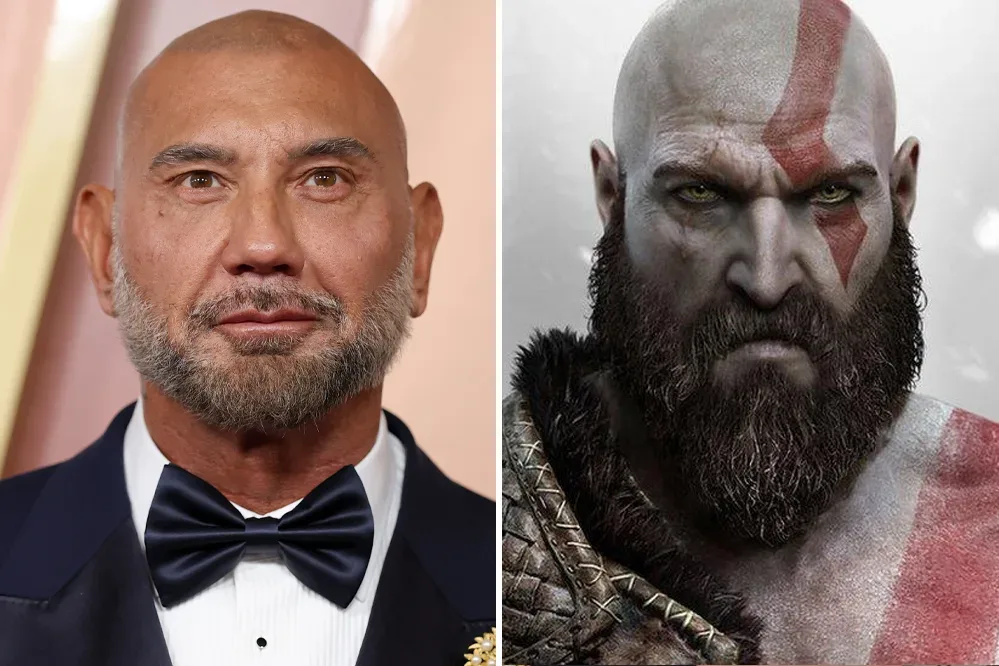
The season arrives as Prime Video continues building major genre projects. For another example of the platform’s game-to-screen ambitions, see the latest on Prime Video’s God of War adaptation.
Early reaction is encouraging, but the larger conversation is still ahead
Early reactions to season 3 have been overwhelmingly positive ahead of its November release. That is encouraging for a show seeking to demonstrate forward momentum after a divisive public response. Still, first reactions are not the same as a complete critical consensus or a settled fan response. The broader verdict will develop once audiences can watch the season in full.
For now, the position from the show’s leadership is straightforward: the team hears the criticism, wants people to enjoy the series, and remains committed to making its own considered choices. Season 3 will test whether that growing confidence translates into a chapter that feels more cohesive to established supporters—and perhaps more persuasive to viewers who have remained unconvinced.
The Lord of the Rings: The Rings of Power season 3 streams on Prime Video from November 11.