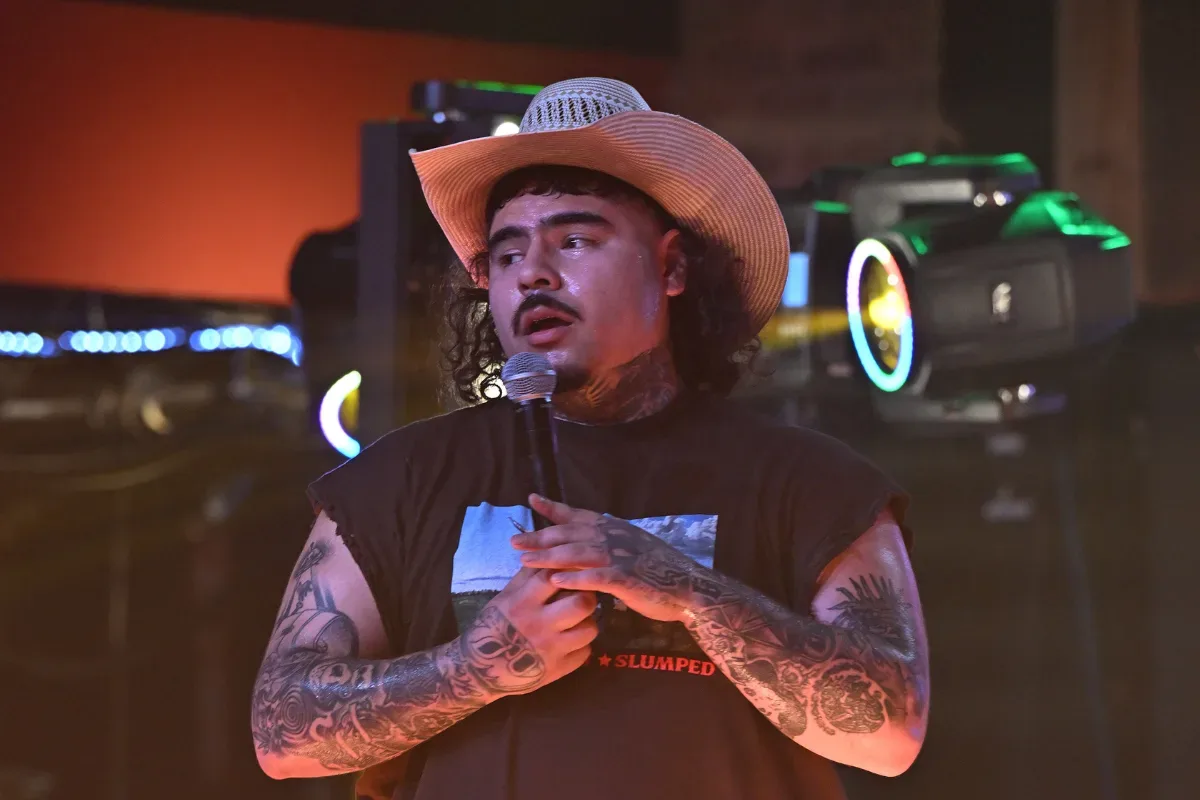
That Mexican OT has set CUCUY, a 17-track album built around a figure described as a boogeyman-like presence in Tejano folklore. The project is horror-themed, but its musical description points to something broader than a straightforward seasonal scare: Houston rap is the foundation, with country, blues, mariachi-style brass and Spanish-language performance all part of the stated mix.
That is a particularly fitting frame for an artist whose music has consistently been connected to Texas identity rather than confined to a single genre label. CUCUY is positioned as a project where that identity can move in several directions at once: regional rap tradition, Mexican and Tejano musical signifiers, Southern guitar textures, and guest appearances from Kodak Black, Rob49 and 1900Rugrat.
A folklore title with a horror framework
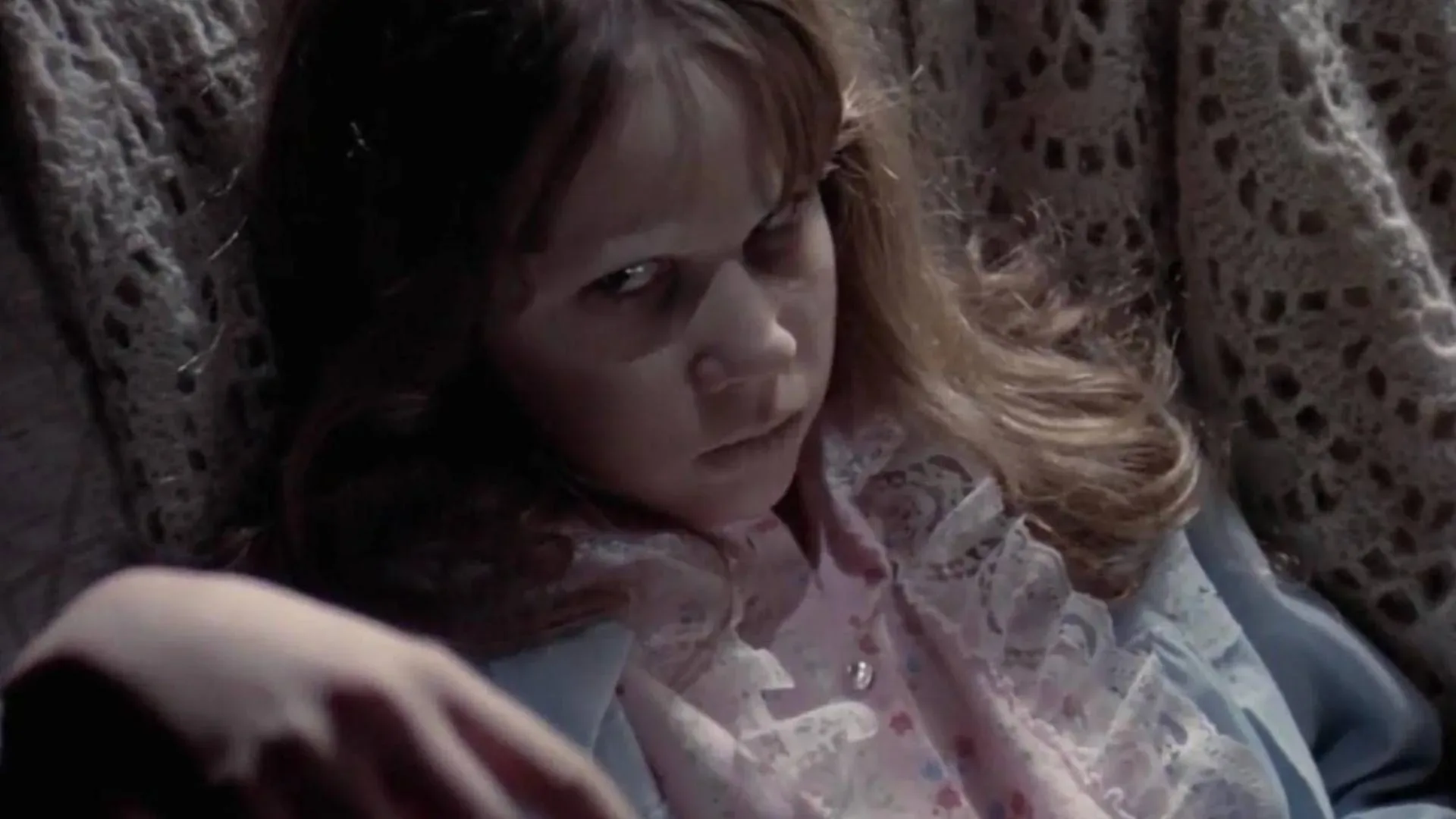
The title CUCUY invokes a boogeyman-like character from Tejano folklore. In practical album terms, the reference supplies a clear horror lens for the record’s imagery and concept without, based on the available track details, meaning every song will use the same sonic language. The record’s stated design instead appears deliberately varied: spooky thematic framing on the outside, then several Texas-connected styles and performance approaches inside.
That distinction matters. “Horror-themed” can describe a record’s atmosphere, sequencing, visuals or central character as much as it describes its production. The details available for CUCUY emphasize musical contrast: a romantic country-guitar song, mariachi-style horns on a guest track, blues-informed material and a rapid dance-oriented beat on which That Mexican OT raps in Spanish. The result sounds less like a one-note costume and more like a vehicle for connecting different pieces of his musical environment.
The Halloween-adjacent concept also arrives as horror remains a lively piece of the wider entertainment conversation, including discussions around the next evolution of a major horror-film franchise. That does not make CUCUY a movie tie-in or a soundtrack project. It does, however, place the album’s monster-centered title within a cultural moment where recognizable horror language remains useful shorthand for tension, personality and theatricality.
Houston rap remains the center of gravity
Even with its stylistic range, CUCUY is described as being built around Houston rap. That is key context for the record. That Mexican OT has spoken previously about the way listeners react to his voice, saying some hear him as Southern while questioning whether that sound is authentic to him. His answer was direct: the sound is rooted in culture.
“I’ll say I sound southern, but people will say I’m trying to sound like something I’m not. It’s a culture thing.”
He has also described his Spanish as carrying a Texas twang and cited Big Flake and Lil Bean as rappers who share a Texas-Mexican sensibility. Those comments help clarify why the album’s combinations are more than surface-level genre hopping. Country guitar, blues structures, Spanish verses and mariachi-style horns all potentially sit beside Houston rap because they reflect overlapping cultural and musical realities in the artist’s Texas setting.
Related coverage includes That Mexican OT Sets ‘CUCUY’ With Houston Rap, Country and Blues.
His family history further connects him to that regional rap lineage. His uncles and cousins introduced him to the Screwed Up Click, the influential Houston rap collective, while family members were making music in a closet studio. The supplied album details do not claim that CUCUY is a Screwed Up Click-style record, and it would be a stretch to assign it a sound that has not been confirmed. But that background explains why Houston is more than a geographic tag in the project’s description.
What the early song details suggest
Only a portion of CUCUY has been characterized track by track, but those examples make the album’s intended range unusually clear.
- “Apple Bottom” combines country guitar with romantic lyrics.
- “Yo Mama”, featuring Kodak Black, uses mariachi-style horns from producer Bankroll Got It.
- “I Can’t”, featuring OC Chris, is part of the project’s blues thread.
- “The Sickness”, with NASAAN, is described as joining raspy vocals, harmonica and a 12-bar structure.
- “TSA” finds That Mexican OT switching into Spanish over a faster four-on-the-floor beat.
A few of those terms are worth unpacking. Four-on-the-floor refers to a drum pattern in which the kick drum lands on every main beat of a measure. It is commonly associated with dance-focused music because it creates a steady, driving pulse. The detail suggests “TSA” may be built for momentum and direct physical movement, a noticeable contrast with the guitar- and harmonica-led elements identified elsewhere on the album.
The mention of a 12-bar structure on “The Sickness” refers to a recurring harmonic framework strongly associated with blues. It does not automatically define the entire track as traditional blues, nor does it tell listeners exactly what the final production will sound like. It does show an explicit structural borrowing: rather than merely adding a blues-flavored instrument, the song is said to use a form connected to the genre itself. Paired with harmonica and raspy vocals, that is one of the most specific hints yet about how CUCUY plans to make its blues influence audible.
Likewise, mariachi-style horns on “Yo Mama” should not be read as a claim that the song is a full mariachi performance. The available description identifies a production element: horns drawing from that style. The distinction is important, especially for a record whose apparent idea is hybridization. These details point to rap songs that incorporate and recontextualize particular instrumental colors and structures rather than abandoning their rap core.
“Apple Bottom” has already received an unusual preview
“Apple Bottom” was previewed through the Houston Texans’ new “713 Sessions” music series, which launched October 14. For the performance, That Mexican OT appeared with classical and flamenco guitarist Jeremy Garcia on a steel truss supporting the retractable roof at the team’s stadium. The set also included “Johnny Dang” and “Water.”
The location was certainly not a standard studio setup. Garcia said the height was manageable until he looked down. But the stunt-like setting should not eclipse the musical choice at its center: a rapper and a classical/flamenco guitarist performing together. That pairing offers a visual and musical preview of the cross-genre approach described for CUCUY, particularly the country-guitar element attached to “Apple Bottom.”
The Texans’ Hustle Town Studio filmed the session as part of an effort to reach beyond the team’s football audience. The series also sought feedback from producers associated with NPR’s Tiny Desk. Those details describe the aspirations behind the presentation, not a guarantee that it shares the format or production values of any other performance series. Still, the choice to spotlight an intimate musical pairing in such an extreme stadium location gives the preview a clear identity of its own.
For listeners, the session offers the most concrete public clue to the album’s country-facing side. It does not reveal the entire 17-track project, and it should not be treated as a full representation of songs such as “The Sickness,” “TSA” or “Yo Mama.” But it makes the larger premise easier to understand: CUCUY is being introduced not simply as a rap album with a folklore title, but as a Texas-rooted album willing to put contrasting traditions in the same frame.
Guests, live plans and the wider rollout
Kodak Black, Rob49 and 1900Rugrat are named among the guest artists on CUCUY. Of those collaborators, Kodak Black is specifically tied to “Yo Mama.” OC Chris appears on “I Can’t,” while NASAAN appears on “The Sickness.” The supplied information does not identify every feature placement, nor does it detail the full track list beyond the songs already named.
That Mexican OT also has a November tour planned with comedian René Vaca. The pairing follows earlier work with comedian Ralph Barbosa, who hosted “Lonestar Luchador.” The tour information establishes that comedy remains part of the artist’s broader live-world presentation, though no dates, venues or format specifics are provided here.
For now, the clearest takeaway from CUCUY is its scope. The album has a horror figure in its title, a Houston rap base in its stated identity, and musical details that reach into country, blues, mariachi-inspired horn arrangements and Spanish-language flow. Rather than smoothing those elements into a generic “genre-bending” label, the early descriptions attach them to specific songs and techniques. That makes the project’s pitch more tangible: an artist with a deeply local voice using a folklore shadow to bring several Texas-connected sounds into the same 17-track space.