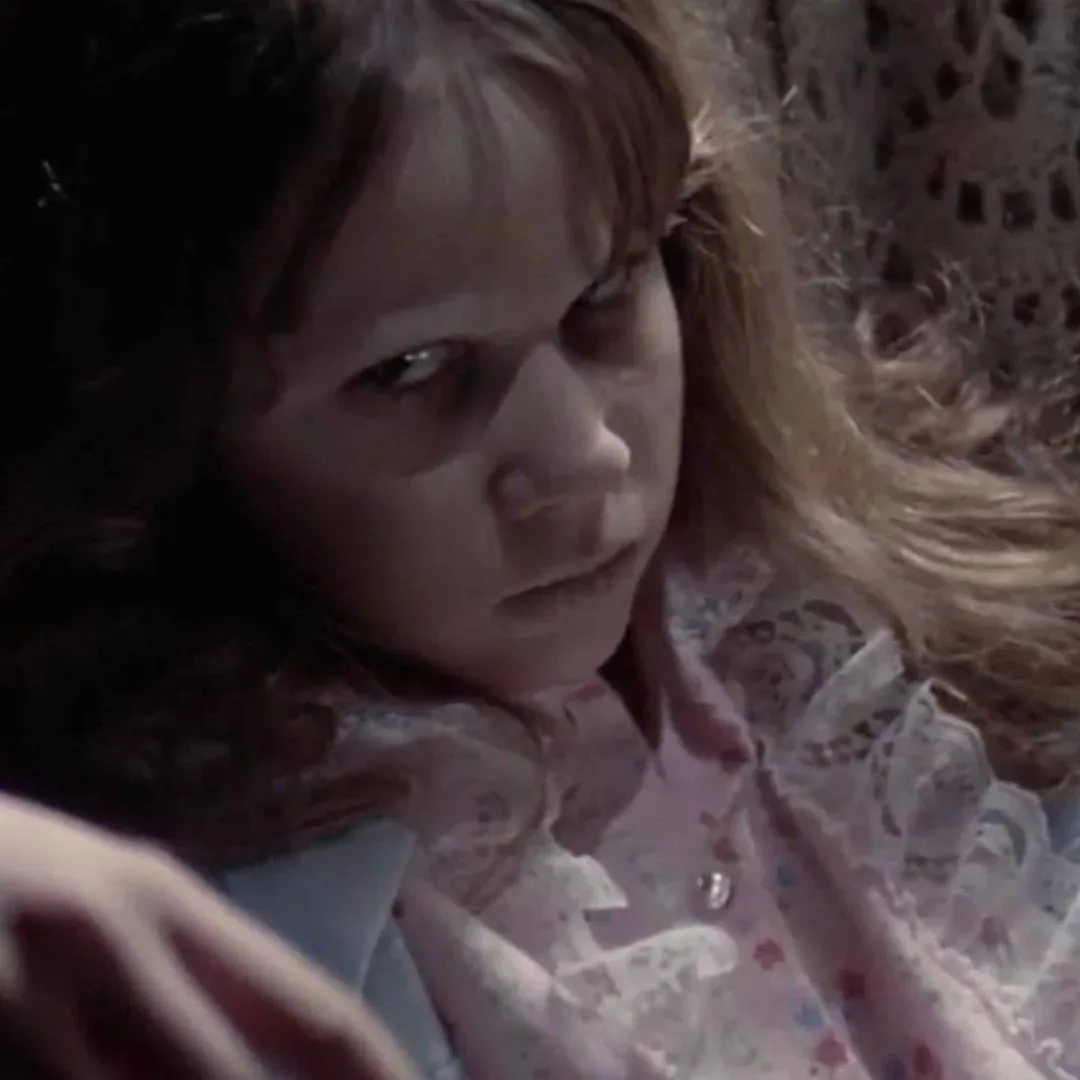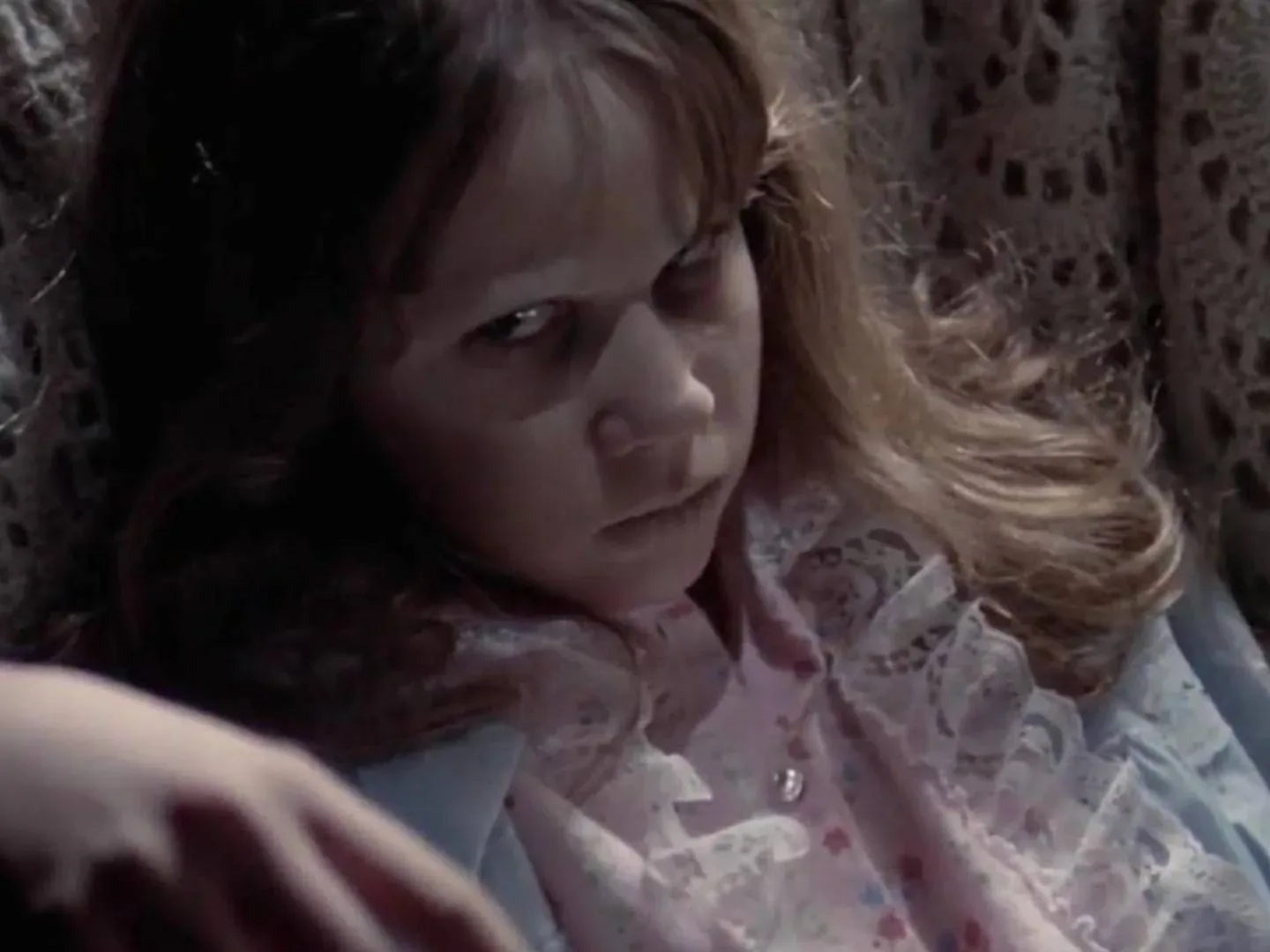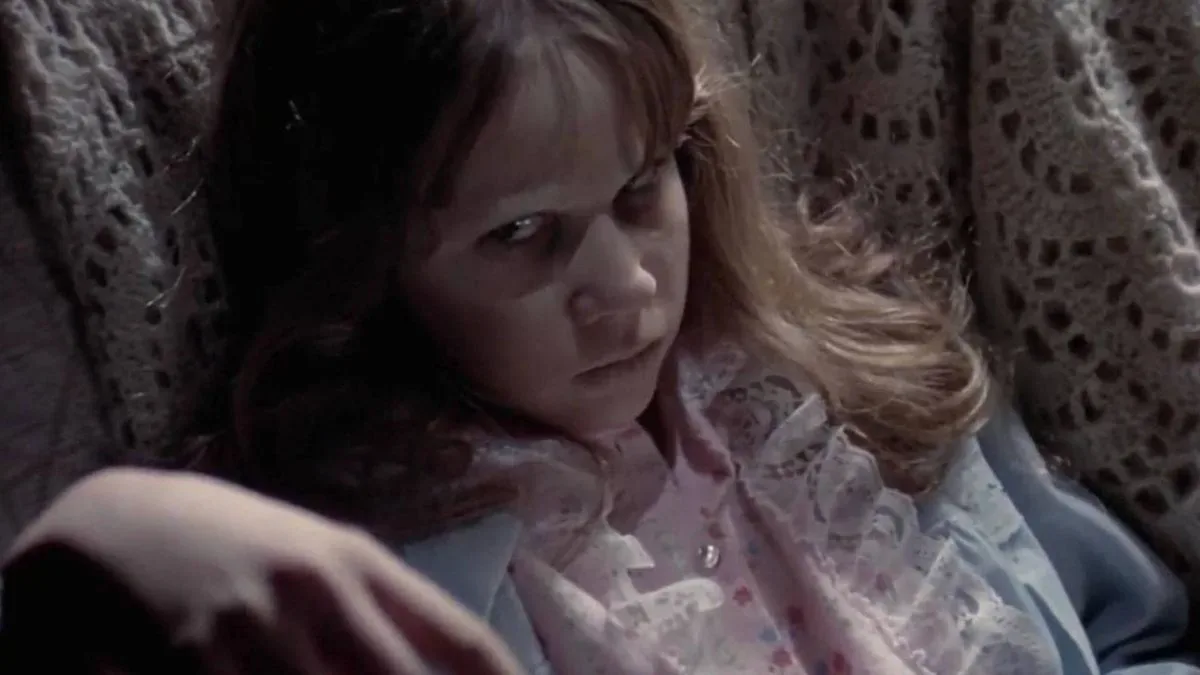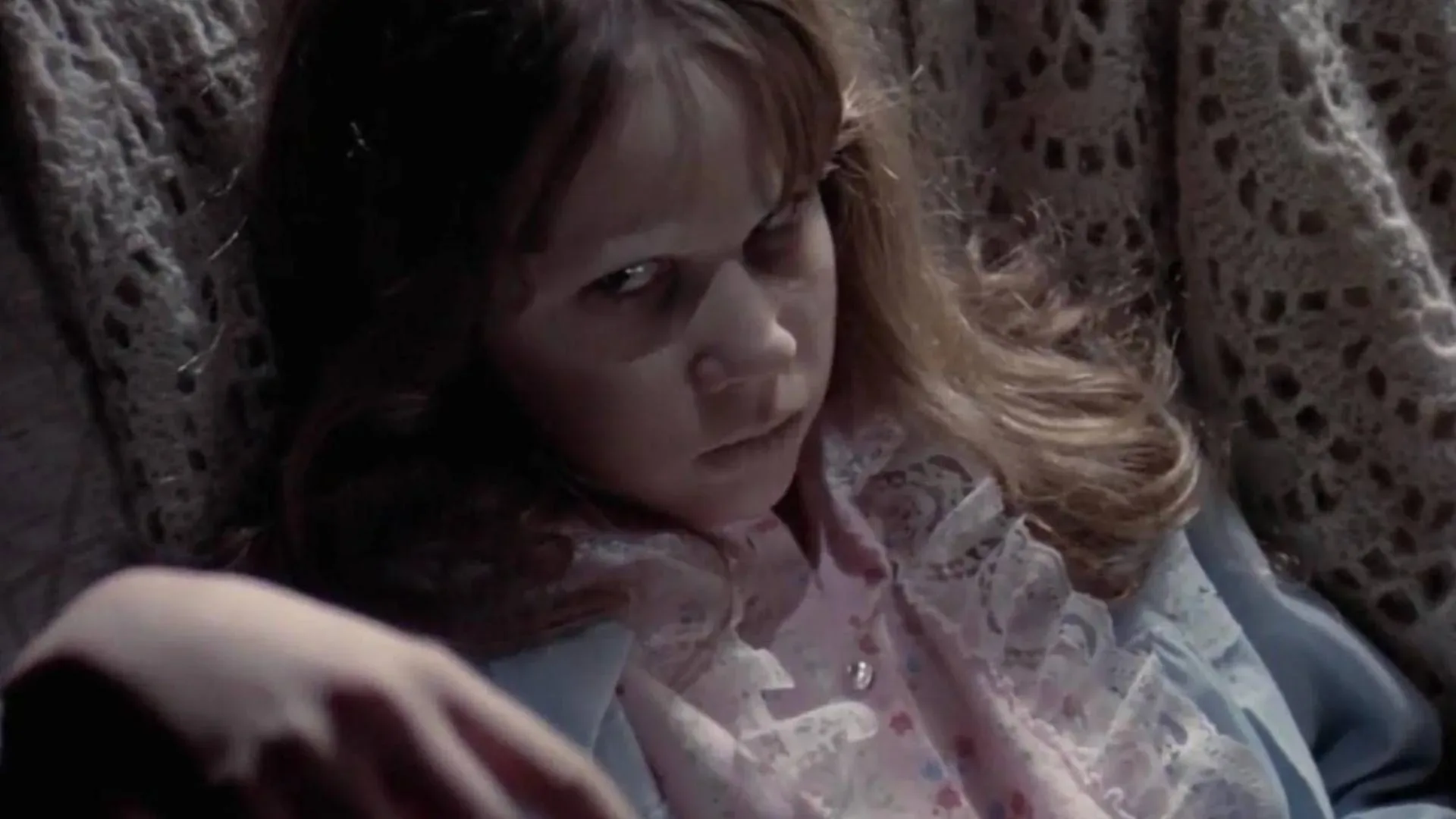
Ellen Burstyn has offered a blunt reaction to the continued expansion of The Exorcist: she would prefer it stop. Burstyn, who played Chris MacNeil in the original film and later returned for 2023’s The Exorcist: Believer, addressed Mike Flanagan’s upcoming The Exorcist: Martyrs with an emphatic assessment: “Isn’t there enough already of the Exorcist thing? It’s enough already.”
It is a short comment, but it lands with unusual force because Burstyn is not merely an observer of the property’s long afterlife. Chris MacNeil is an essential part of the original film’s emotional architecture: a mother confronting an unthinkable crisis involving her child. Her return in Believer also connected a modern continuation directly to that legacy. So when Burstyn questions whether the series needs another chapter, the remark carries the perspective of someone who has occupied both the foundational story and a much later revival.
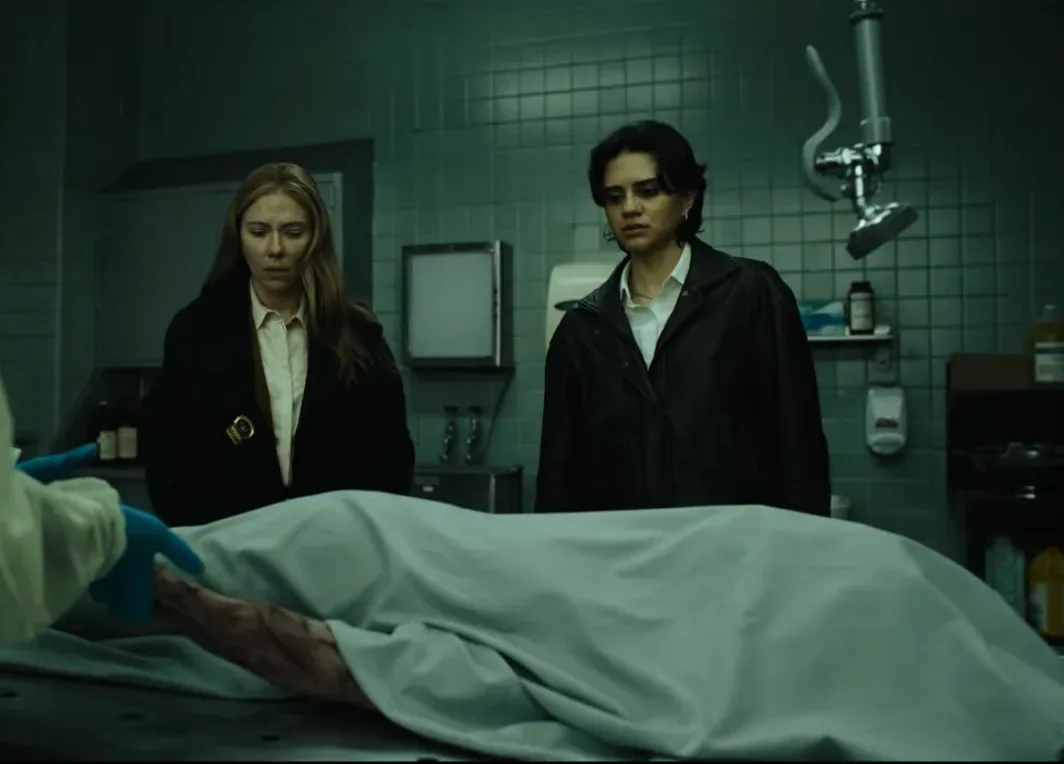
Flanagan’s film is nevertheless moving forward. The Exorcist: Martyrs is scheduled to reach theaters on March 12, 2027, with Scarlett Johansson, Chiwetel Ejiofor, Laurence Fishburne, and John Leguizamo attached to the cast. Details remain limited, but the setup is expected to center on a single mother who works as a police officer and whose son becomes the focus of a demonic force.
That premise places the new film in familiar thematic territory: parental fear, a child in danger, and a supernatural threat that turns private family anguish into a crisis demanding outside intervention. Ejiofor and Fishburne are set to play priests, while Leguizamo is playing the satanic Father Sunday. Those roles establish a spiritual conflict at the center of the story, even though the precise relationship among the characters—and the nature of Father Sunday’s threat—has not been detailed.
Burstyn’s skepticism is about franchise endurance, not a plot point
Burstyn’s reaction should not be read as a specific criticism of the unrevealed story, cast, or filmmaking approach. Her words instead express fatigue with the broader notion of continuing The Exorcist as an ongoing screen franchise. That distinction matters. There is no indication that she has reviewed the new film or responded to a completed version; the available details are still sparse.
Still, her position articulates a question audiences often bring to legacy horror: when does revisiting a famous premise preserve its power, and when does repetition risk making the premise less potent? Horror franchises regularly rely on recognizable imagery, conflicts, and iconography because those elements are part of why audiences return. The tradeoff is that familiarity can become an obstacle if a new installment does not find a fresh human perspective or a different dramatic pressure point.
For The Exorcist: Martyrs, the limited story description suggests an attempt to make a new family the focal point rather than simply retelling the prior characters’ experience. The single-mother police-officer angle potentially combines two forms of responsibility: protecting a child and operating inside a professional system built to investigate danger. Whether that develops into a meaningful distinction will depend on the film itself, and the current information does not establish how prominently the police-work aspect will figure into the plot.
In practical terms, Burstyn’s comments also make clear that a franchise continuation does not automatically receive endorsement from every performer associated with earlier entries. The history of a property may be valuable to a new production, but individual participants can understandably see a finished story where studios and filmmakers see room for another interpretation.
Flanagan describes a harsher emotional journey
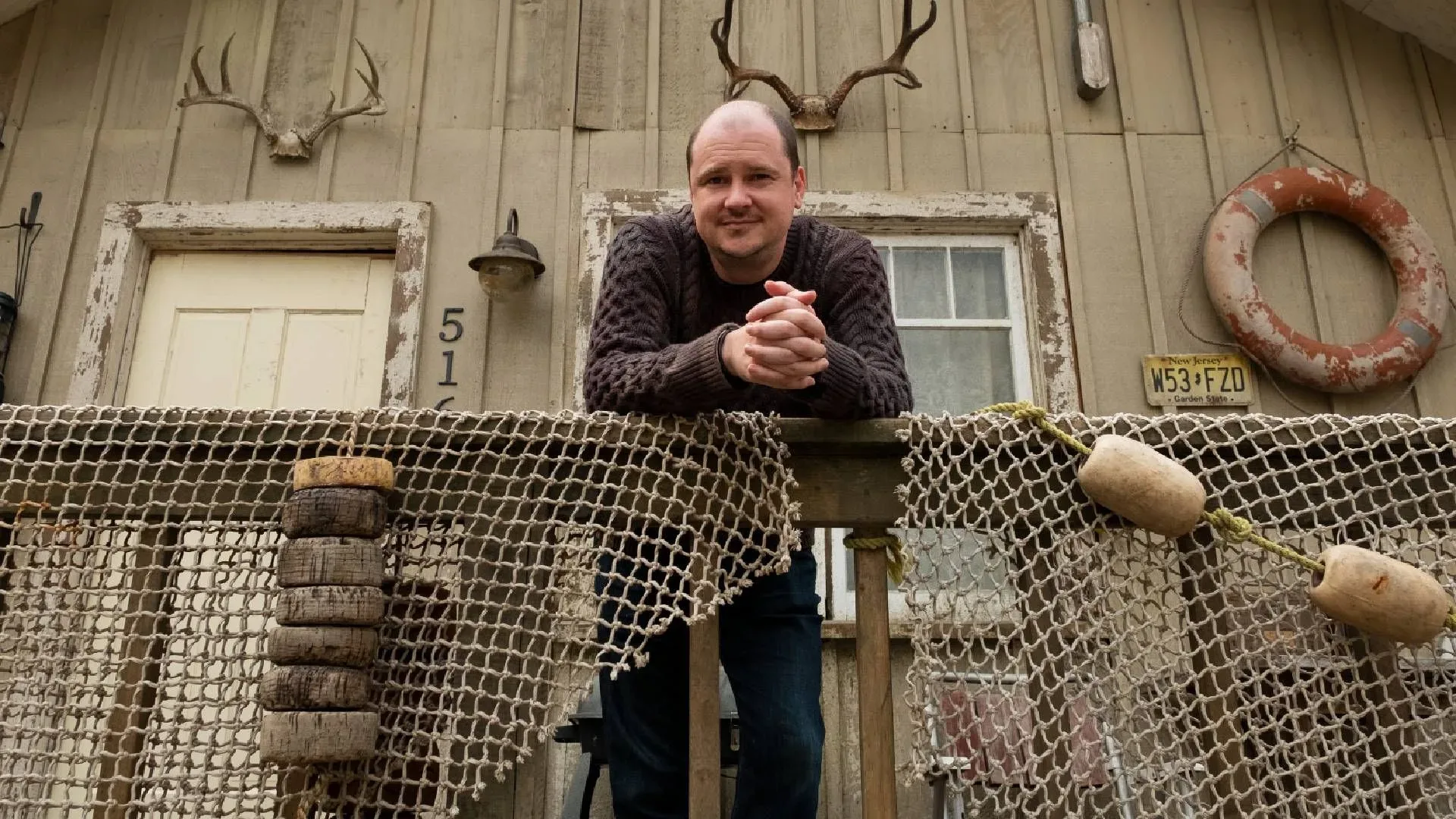
Flanagan has described The Exorcist: Martyrs in stark terms, calling it “viciously dark” and saying parts of the production went to emotional places he had not previously reached on his sets. He also emphasized that the story ultimately finds “some light and some hope,” despite being harrowing.
That description is useful mainly as a statement of intended tone, not as a substitute for concrete story information. “Dark” in horror can refer to imagery, violence, despair, moral uncertainty, or character trauma; it is a broad adjective. Flanagan’s reference to a demanding emotional experience suggests the film is intended to focus on distress and endurance as much as overt supernatural spectacle. But it does not confirm the degree of onscreen violence, the film’s rating, or exactly what events characters will face.
The final emphasis on hope may be equally important. Stories about demonic forces can be constructed as bleak exercises in escalation, but Flanagan has signaled an arc rather than unrelieved punishment. An emotional arc is the movement of a character’s inner state over the course of a story: for example, from fear or isolation toward understanding, resilience, connection, or survival. It does not require a wholly happy ending. In a horror context, hope can mean a character finds the strength to act, receives help, or preserves something meaningful after a devastating ordeal.
That tonal balance may prove central to whether the project feels justified to viewers who share Burstyn’s exhaustion with more franchise material. A sequel—or, more broadly, a new entry in an established series—needs more than a familiar monster or supernatural premise to argue for its place. It needs a point of view. The announced family crisis and the promised descent into severe material could provide one, but the film will have to demonstrate it rather than simply announce it.
The cast points to a new ensemble, not a MacNeil-led return
Johansson, Ejiofor, Fishburne, and Leguizamo give The Exorcist: Martyrs a prominent new ensemble. The presently available character information most clearly identifies Ejiofor and Fishburne as priests, which is a role type closely associated with the franchise’s spiritual stakes. Casting two actors as priests could indicate complementary, conflicting, or differently positioned responses to the central crisis, though no further character details have been confirmed.
Leguizamo’s Father Sunday is described as satanic, immediately placing him on the antagonistic side of the film’s religious imagery. The name is memorable, but it should not invite assumptions beyond what has been stated. There is no confirmed description of his powers, his connection to the threatened boy, or whether he is the sole source of the demonic danger.
Johansson is among the announced cast, but no role has been specified in the provided details. Because the film is expected to follow a single mother and son, viewers may naturally wonder whether she plays the mother, yet that has not been confirmed and should remain speculation rather than reporting.
The lack of an announced role for Burstyn in this installment is also notable in context. Her public response comes from a performer strongly connected to the series, but the material available does not say that Chris MacNeil will appear in Martyrs. The upcoming film’s reported premise and cast information presently point toward new characters carrying the narrative.
A busy adaptation period for Flanagan
The Exorcist: Martyrs arrives as Flanagan is also working in another major horror adaptation space. His Carrie adaptation is available to stream on Prime Video and has been confirmed for a second season. In discussing that continuation, Flanagan said the creative team envisioned a story extending beyond the prom and expressed gratitude for Stephen King’s trust and support.
The connection between the two projects is not that they share a narrative universe—they do not, based on the available information—but that both show Flanagan working with stories that arrive carrying substantial cultural recognition. Adaptation and franchise continuation are related but distinct creative challenges. An adaptation translates material from one form or version into another, often requiring choices about what to retain, alter, expand, or omit. A franchise continuation, meanwhile, adds to an established screen lineage and has to decide how closely to engage with previous installments.
Flanagan’s comments on Carrie make his interest in expansion explicit: the plan was to explore beyond a moment audiences strongly associate with the story. His comments on Martyrs similarly frame the work around an intense emotional experience and a path toward hope. Neither statement settles the broader debate Burstyn has raised, but together they show a filmmaker approaching well-known horror material with an interest in moving past its most immediately recognizable elements.
For genre audiences, the immediate takeaway is simple: The Exorcist: Martyrs is not yet a film with many public specifics, but it has a date, a high-profile cast, a broad setup, and a declared tonal aim. It also has a pointed vote of skepticism from one of the most important performers in the franchise’s history.
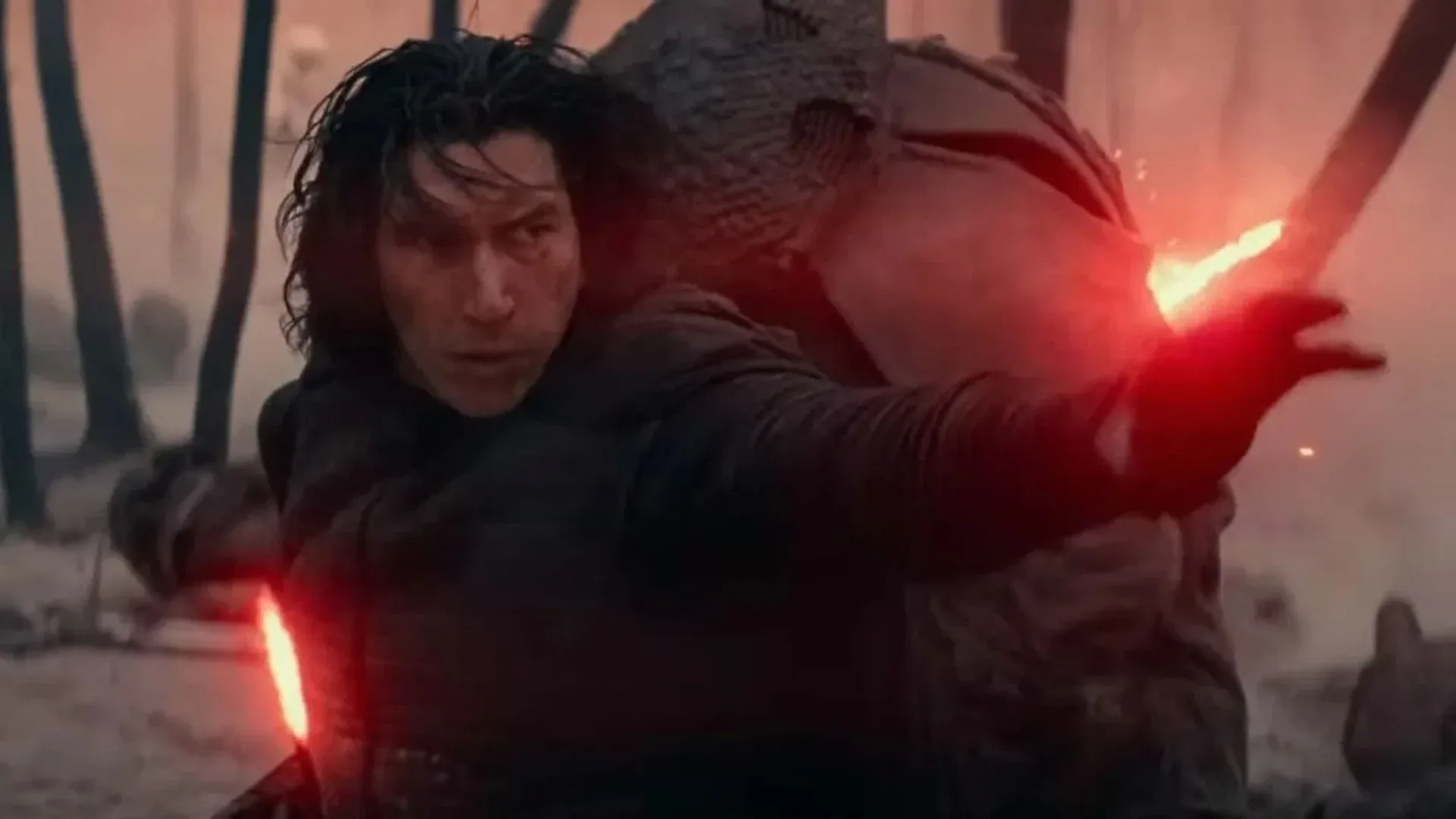
That tension is likely to remain part of the conversation until March 2027. Some viewers will see a new creative team and new central characters as an opportunity to test a different direction. Others may agree with Burstyn that the premise has already said what it needs to say. For more on another major genre property taking an unexpected conceptual turn, see Star Wars’ Knights of Ren giving the Force new names.