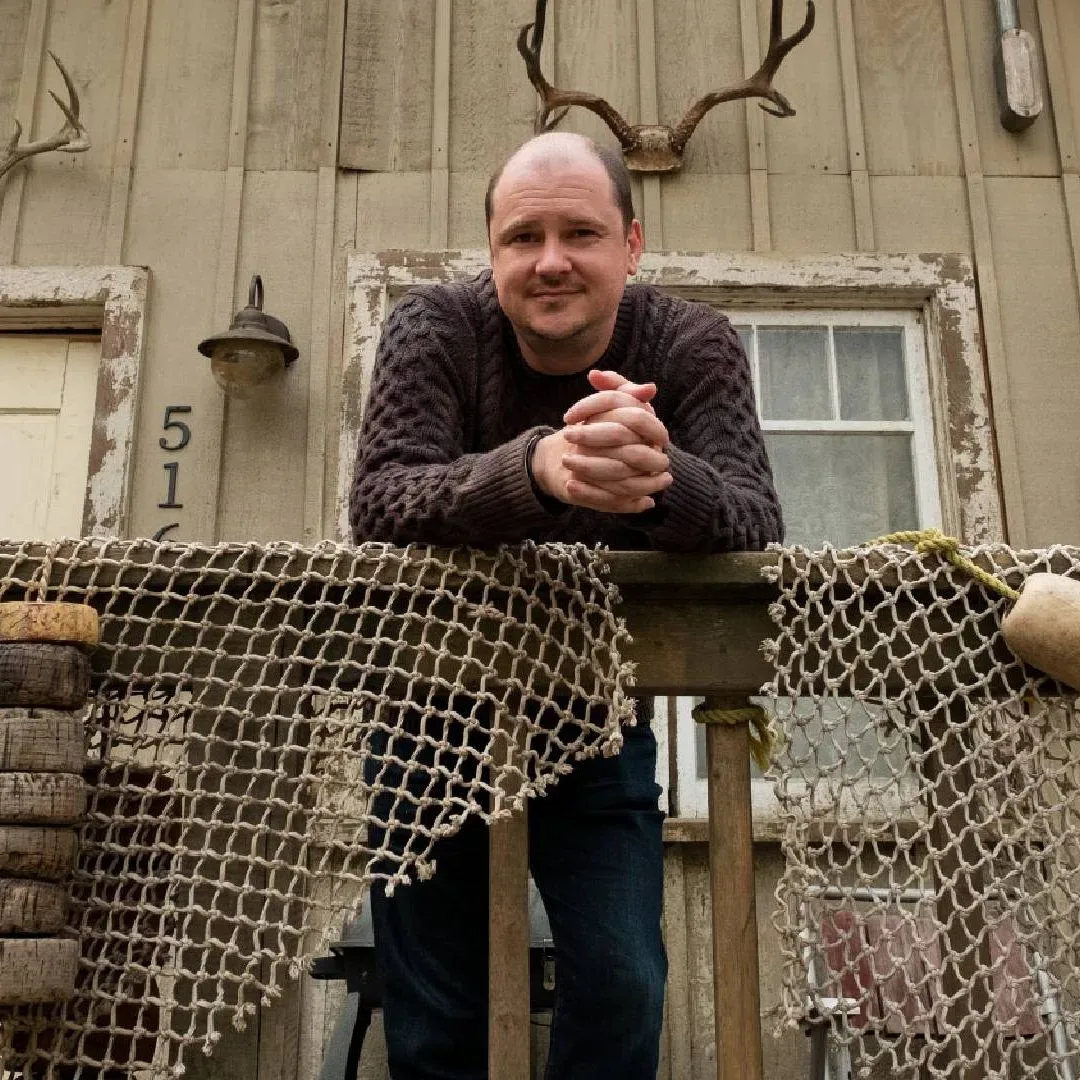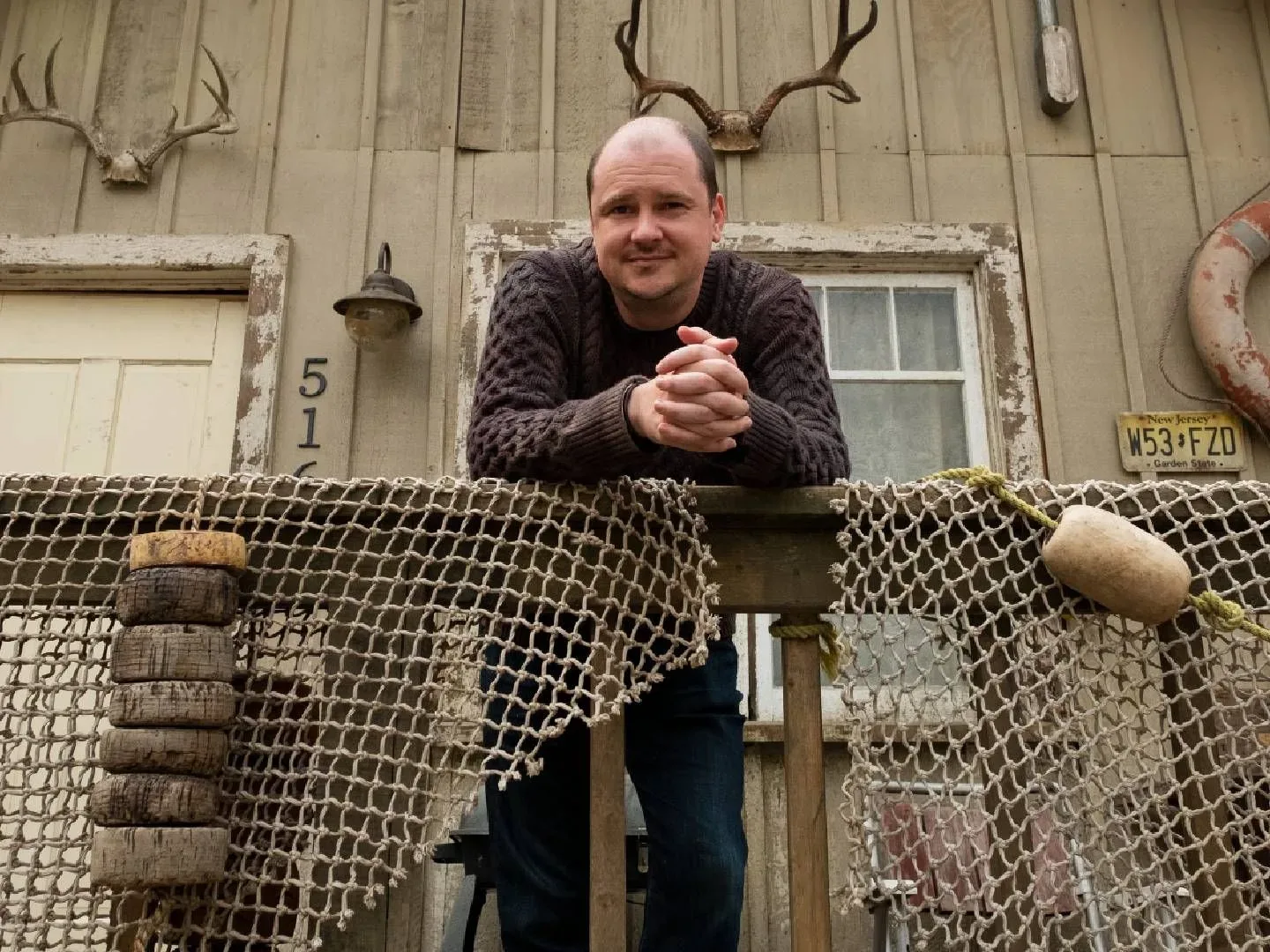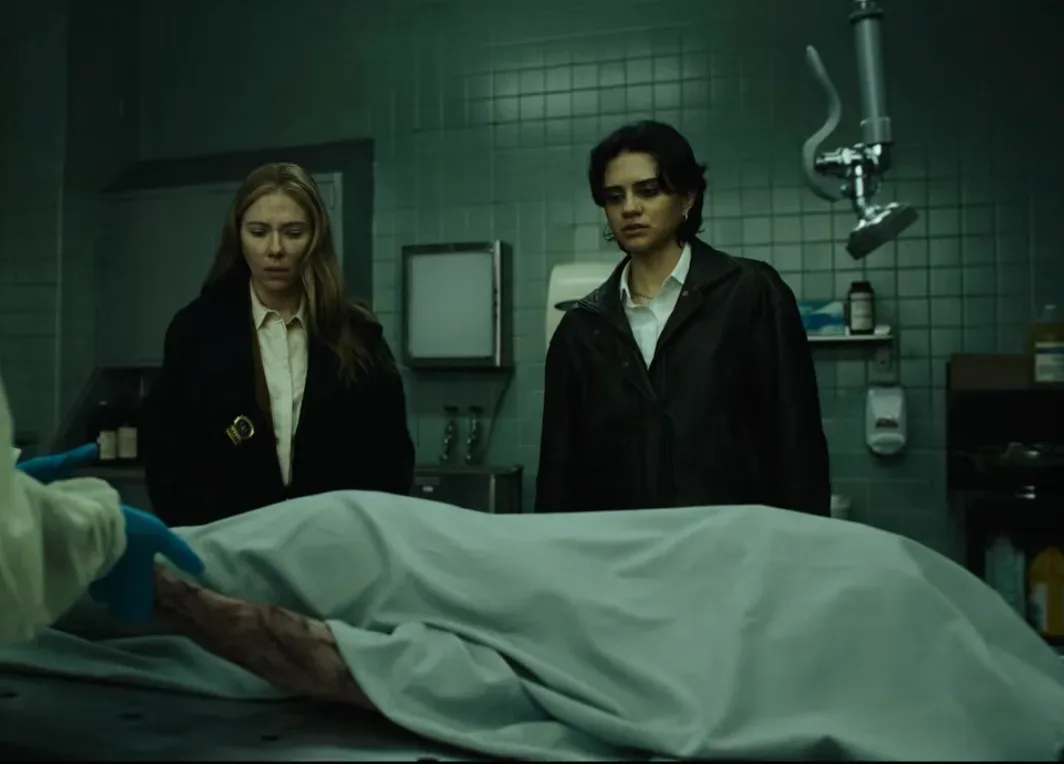
Mike Flanagan has identified two giant Spielberg-associated film worlds he would like to enter: Jaws and Jurassic. In a Reddit AMA, the filmmaker said he has come around on working with franchises and sequels, explaining that he enjoys revisiting fictional worlds he knows, respects and loves while adding his own perspective.
His clearest creative pitch was for dinosaurs. Flanagan said a Jurassic movie could be fun, but that he would want to push it toward genuine dinosaur horror. He also said he would dearly like the chance to make a Jaws film, while openly acknowledging the enormous shadow cast by the original movie.
“Honestly, I wish to hell I could make a Jaws movie,” Flanagan said. “Another example where no one will EVER get close to the original, but there is a ton of room for improvement on the sequels. A Jurassic movie could be a blast too; I’d want to go really scary with it. A true dinosaur horror film would be a blast.”
It is important to separate a filmmaker’s wish list from an active production: Flanagan did not announce that he has been hired for either franchise, nor was a new project confirmed. These are aspirations rather than evidence of a deal. Still, the comments are notable because they outline a specific approach to one of cinema’s most durable monster concepts: make the dinosaurs frightening again.
A franchise filmmaker who did not initially plan to be one
Flanagan said it is funny to him that he once assumed he would not make franchises or sequels. His later work has moved in a different direction. He made Doctor Sleep, a sequel to The Shining, and he has a new entry in The Exorcist franchise completed. He is also the showrunner of a new Carrie series.
That does not mean every legacy-property assignment works the same way. A sequel, reboot, continuation and new franchise installment can all carry very different obligations. A sequel directly extends a previous story; a reboot commonly starts a property over with a new interpretation; and a franchise installment may share a setting, iconography or premise while following a different set of characters. The source material does not establish what form a Flanagan Jaws or Jurassic project would take, because no such project has been announced.
What it does establish is the kind of tension Flanagan appears interested in: honoring a beloved original without treating the later installments as beyond reconsideration. His remark about Jaws is particularly measured. He did not claim he could top the first film. Instead, he framed the opportunity around the potential to improve on its sequels while recognizing that the original is in a class of its own.
Why “true dinosaur horror” is a meaningful creative direction
“Dinosaur horror” is a compact phrase, but it suggests an emphasis on fear, vulnerability and threat rather than simply spectacle. In horror storytelling, the monster does more than provide an obstacle for the protagonists to overcome. It shapes the atmosphere of the entire scene: characters lack reliable safety, information is limited, and the audience is asked to anticipate danger before it fully arrives.
Applied to a dinosaur film, that could mean treating the creatures less as attractions and more as predators. That is an interpretation of Flanagan’s stated desire, not a list of confirmed creative choices. He has not described a plot, cast, setting, creature roster, rating, studio mandate or release timetable. But his use of the phrase “really scary” makes the intended tonal distinction clear.
The idea also underlines why an established franchise can still be creatively flexible. The fundamental Jurassic premise contains awe, science-fiction adventure and survival stakes. Flanagan’s interest lies in elevating the last of those elements. A dinosaur is intrinsically imposing; horror comes from how a film controls access to that threat, paces its reveals, and builds concern for the people facing it.
That is a potentially useful lens for audiences wondering what a different filmmaker could bring to a familiar property. The change would not necessarily be about inventing a new kind of dinosaur. It could be about perspective, suspense and emotional investment in the people attempting to survive the encounter.
The Jurassic directing picture remains unsettled
A Flanagan-directed dinosaur movie is only hypothetical, but the broader question of who might direct a future Jurassic film has been in motion. Gareth Edwards was reported in August to be leaving the franchise after Jurassic World Rebirth, with creative differences cited as the reason. Separately, there has been a report that J. A. Bayona, who directed Jurassic World: Fallen Kingdom, could return.
Neither point establishes that Flanagan is being considered. The reports instead provide the immediate context for why fans may be looking at possible successors and imagining contrasting creative directions. Bayona’s potential return is reported, not confirmed here, and no future director has been formally identified in the supplied information.
That uncertainty matters. Franchise discussion can quickly turn a creator’s casual answer into a presumed industry plan. In this case, the responsible reading is simpler: one filmmaker has articulated an appealing, horror-forward idea for a property he admires, while the future creative leadership of the series remains unconfirmed.
Jaws presents a different kind of challenge
The Jaws part of Flanagan’s answer is less a pitch than an admission of ambition. He called out the original as something no one will get close to, but argued that there is room to improve upon the sequels. That is a candid way of identifying the challenge of revisiting a foundational film: its reputation is both the reason to return and the standard a new installment would inevitably face.
Any future Jaws movie, if one were ever made, would have to answer a difficult question of purpose. Simply repeating a shark attack premise would not automatically justify a return. Flanagan’s comments imply that the more credible route would be a film conscious of its legacy while finding its own emotional and frightening identity. However, he did not say what story he would tell or whether he has had discussions about the property.
That caution is especially appropriate because no Jaws production was announced alongside his comments. For now, there is no release date, no confirmed development status and no indication that Flanagan is attached to the franchise. The interesting news is his stated desire, not the existence of a secret shark movie.
What is actually next for Flanagan
Before any hypothetical visit to waters haunted by a shark or a park stalked by dinosaurs, Flanagan has a confirmed franchise release on the horizon. The Exorcist: Martyrs is scheduled to arrive on March 12, 2027. The project gives viewers a nearer opportunity to see how he handles another major horror name and its expectations. For more on that film’s setup, see The Exorcist: Martyrs trailer and story details.
For now, Flanagan’s comments should be taken as a compelling creative wish rather than a production update. His interest in Jaws comes with a frank respect for the first film’s status. His interest in Jurassic is more immediately defined: a creature feature willing to make its prehistoric stars terrifying. Whether either ambition becomes more than an AMA answer remains unknown.