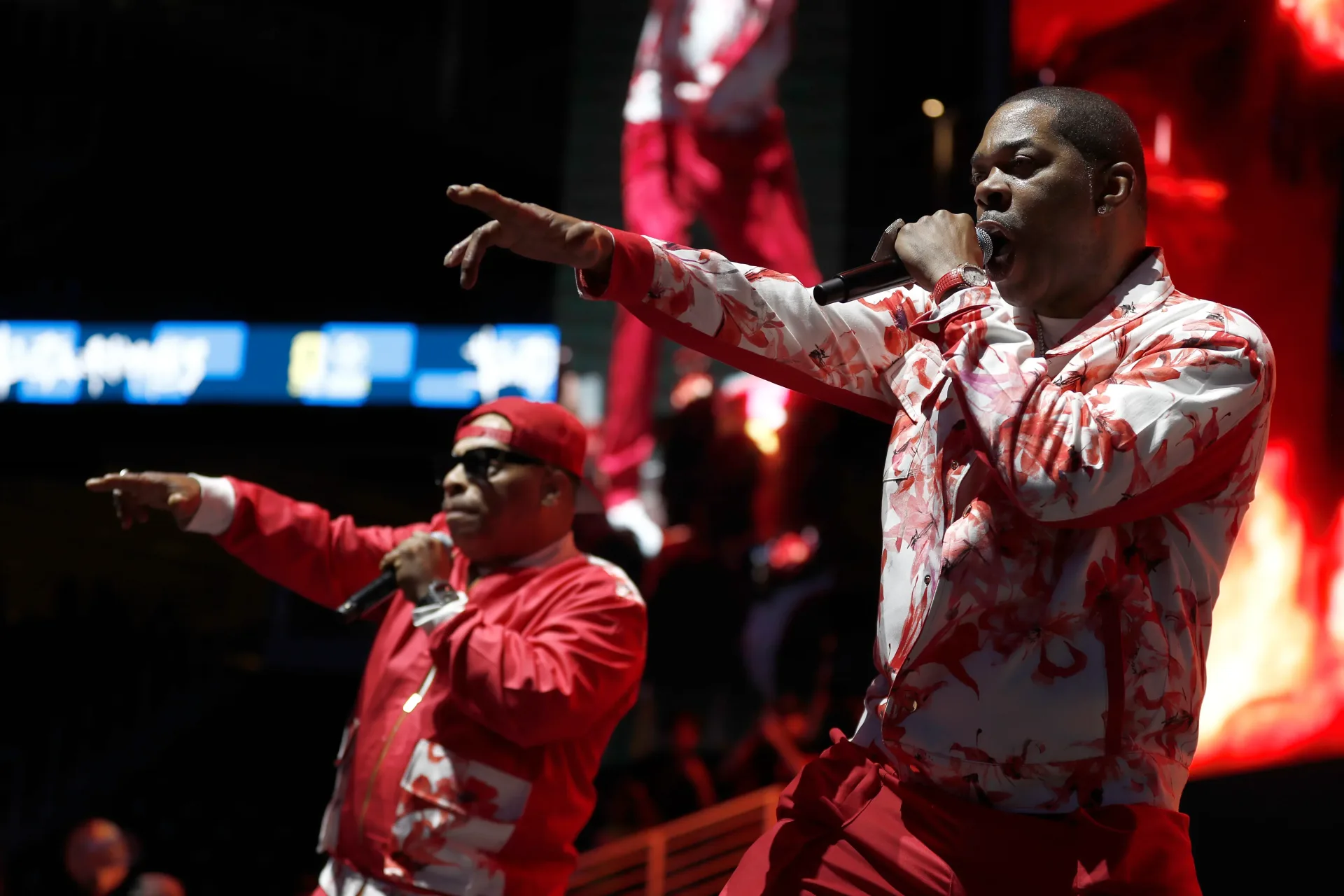
Cordae and Anderson .Paak bring deeply personal subject matter to “Helpless,” a track from their 11-song collaborative album Heavy Is the Crown. The song places relationship breakdown, parenting after separation and emotional accountability at the center of a joint record from two artists previously connected by tracks including “RNP” and “Two Tens.”
For Cordae, the song includes a reflection on the end of his relationship with Naomi Osaka and the reality of parenting their daughter, Shai, across separate homes. In the verse, he says he is going to have a second child. The lyric appears to indicate that Cordae is expecting another baby, but no further details—including the identity of the other parent—are established in the song material at hand.
That distinction matters. A lyric can be a direct personal statement, an artistic framing device, or something listeners interpret in the absence of added context. Here, the safest reading is also the most straightforward: Cordae appears to be sharing news of another child while processing a family arrangement he did not envision when he and Osaka began their family. It should not be treated as confirmation of details he has not publicly supplied.
“Helpless” turns a collaboration into parallel personal accounts
Rather than functioning solely as a showcase for two established collaborators, “Helpless” gives each performer space to address a different separation. Cordae’s section considers the disappointment of a relationship ending and the challenge of being a parent in a different household from his child. Anderson .Paak’s contribution addresses the fallout of his marriage to Jaylyn Chang, including custody-related strain and the breakdown of trust between former partners.
The shared structure is significant. Both artists are writing from the aftermath of relationships, but neither account is presented as a neat or uncomplicated victory lap. The title “Helpless” fits that approach: it evokes the feeling of having to live with consequences that cannot be solved by a single apology, verse, or conversation.
Co-parenting, in this context, means parents continuing to share responsibility for a child after their romantic relationship has ended. It does not necessarily tell listeners anything about a family’s private arrangements. What Cordae’s verse does make clear is the emotional contrast between his earlier expectation of raising Shai in one household and the present reality of separate homes.
Osaka publicly confirmed the couple’s split in January 2025, after nearly six years together. Her statement characterized the separation as amicable, said there was no bad blood, and described Cordae as a great person and an awesome father. Cordae’s lyrics do not negate that public description. Instead, they illustrate an important difference between an amicable breakup and an easy one. A relationship can end without public hostility while still leaving grief, regret, logistical change, and a sense of lost expectations.
What Cordae’s verse does—and does not—say
Cordae and Osaka welcomed Shai in July 2023 and have largely kept their family life private. That history makes the restraint around interpreting “Helpless” especially important. The record provides a glimpse into Cordae’s feelings, not a complete account of the former couple’s relationship or their parenting decisions.
Related coverage includes Cordae Addresses Family Change on ‘Helpless’ With Anderson .Paak.
His writing centers on effort and disappointment: he portrays himself as having tried to make the relationship work and as struggling with the outcome. That is a first-person emotional perspective. It is not a claim that invites outsiders to assign fault, reconstruct private events, or pit one former partner’s public words against another’s.
The apparent second-child revelation is similarly limited by what is actually stated. Cordae says he is going to have a second child. There is no supplied confirmation of timing, no identification of a mother, and no explanation of how the new development relates to the rest of his family life. Listeners can recognize the significance of the lyric without turning uncertainty into rumor.
That careful line is increasingly important when music becomes a vehicle for personal disclosure. Songwriting can communicate emotions with more ambiguity than a press statement. It often leaves room for compression, metaphor, and incomplete narration. In Cordae’s case, the plainly phrased line about a second child sits beside more reflective material about separation, inviting attention while withholding the details that would ordinarily accompany a formal public announcement.
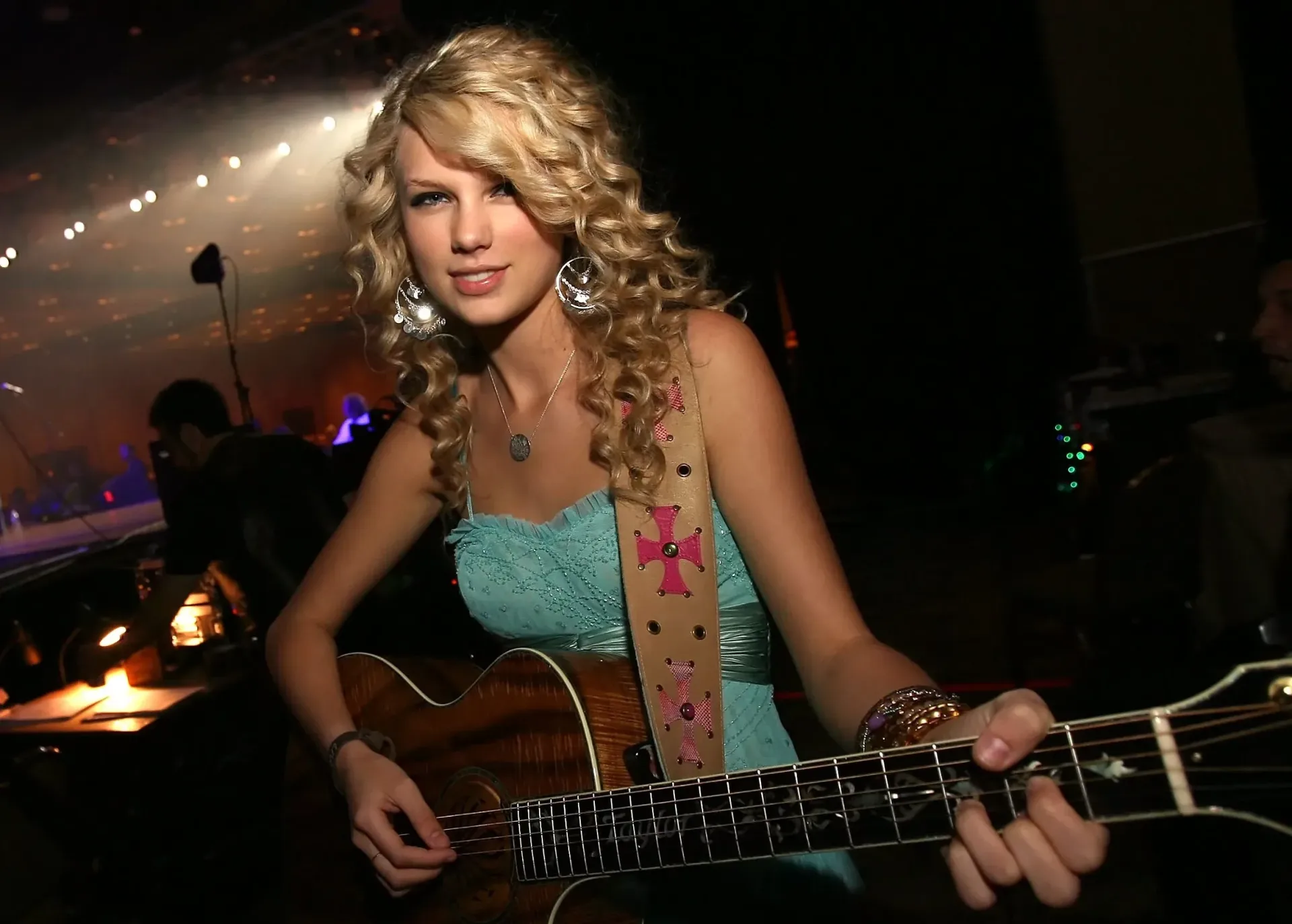
There is also a broader songwriting context to consider. Personal songs can document a moment without serving as a final ruling on it. The ability to preserve unresolved emotions is part of what can make a song resonate long after a brief statement has moved through a news cycle. That balance between intimate writing and public interpretation has also been central to discussions of how artists establish their voice early, as seen in this look at the songwriting blueprint behind Taylor Swift’s debut.
Anderson .Paak’s verse explores another side of family upheaval
Anderson .Paak’s portion of “Helpless” broadens the track beyond Cordae’s circumstances. He writes about the emotional consequences of his marriage ending, the difficulty of navigating custody, and a loss of trust between former partners. His verse also includes a troubling recollection of arriving intoxicated at a child’s birthday celebration.
That detail is not framed as a celebratory story. Within the larger subject matter of the song, it reads as part of an account of instability and damage. The verse gives the track a sharper edge: while Cordae focuses on a future that did not unfold as planned, .Paak confronts behavior and conflict within a fractured family situation.
.Paak filed to end his marriage in January 2024 after 13 years together. The divorce was finalized in September. The timing gives his verse an immediate context, but the artistic point is larger than a filing date. His writing deals with the experience of family life becoming mediated by legal, practical, and emotional complications. Custody arrangements are not merely a plot point in the song; they are part of the pressure that shapes how separation is lived day to day.
It would be simplistic to label “Helpless” a breakup song and leave it there. The track’s focus is not only romance ending. It is about how an ending alters parenting, self-image, routine, communication, and expectations. The two artists arrive at those themes through distinct stories, creating a shared piece of music without pretending their circumstances are identical.
Why the track’s framing matters
Heavy Is the Crown reunites Cordae and .Paak after their earlier work together, but “Helpless” suggests a collaboration driven as much by thematic overlap as musical history. Both rappers use the record to speak in first person about situations that remain emotionally active. The result is a track built on candidness, but not complete exposure.
That is the productive tension in the song. Cordae reveals his hurt over separate households and appears to disclose that he is expecting another child. .Paak addresses divorce, distrust, parenting complications, and an intoxicated appearance at a child’s birthday. Yet major parts of both men’s personal lives remain appropriately outside the song’s frame.
For audiences, the responsible response is to hear what is actually present: two artists reflecting on separation and family change, with Cordae’s lyric offering an apparent but still limited indication about a second child. “Helpless” does not resolve the stories it touches. It records the discomfort of living through them.
Heavy Is the Crown was released on October 23. Across its 11 tracks, “Helpless” stands out as a moment where Cordae and Anderson .Paak turn collaboration into something more vulnerable: a space to acknowledge that personal change can be public enough to inspire a song, while still remaining private enough to resist easy conclusions.