A dispute over settlement proceeds connected to the wrongful-death case involving Takeoff has placed the late rapper’s parents on opposing sides of a court matter. Titania Davenport, Takeoff’s mother, and Kenneth Ball, his father, disagree over the share Ball should receive from the settlement. The available account does not disclose the amount Ball is seeking, nor does it establish how the court will ultimately divide any proceeds.
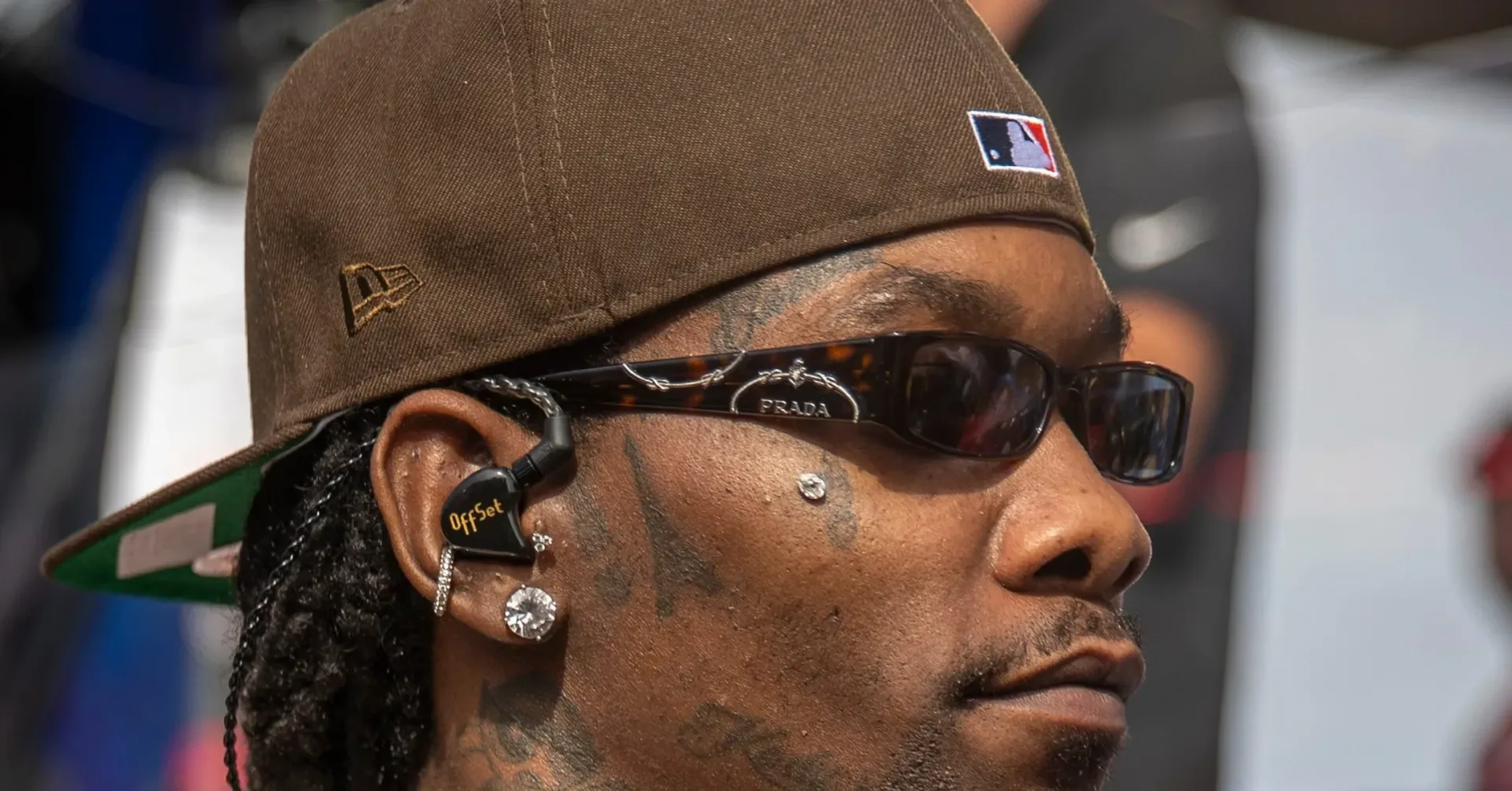
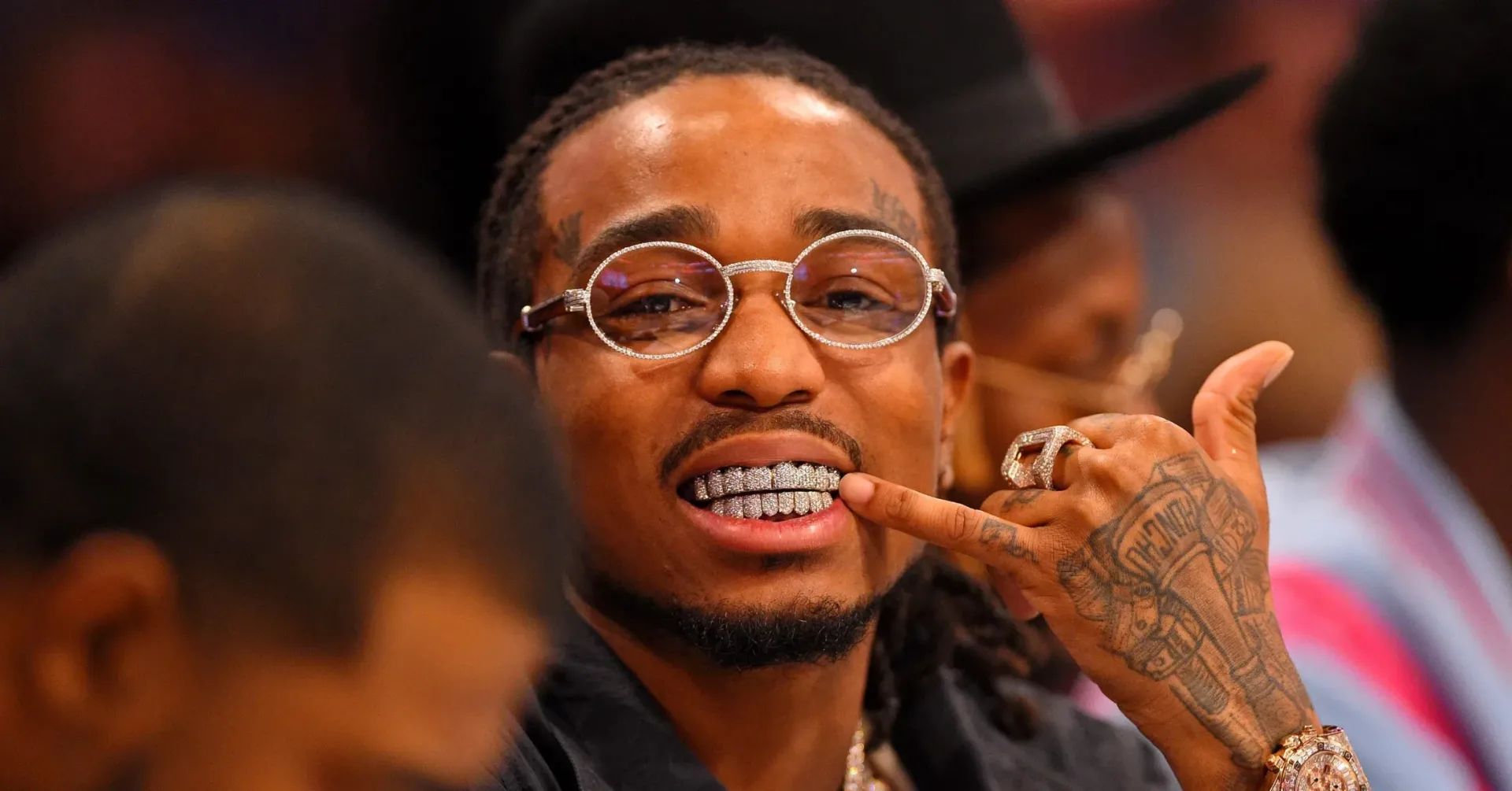
The dispute could also draw in two of Takeoff’s closest musical collaborators and family members. Davenport’s filing indicates that Quavo and Offset may be called to testify on her behalf. That possibility is not the same as confirmation that either performer will take the stand: a witness may be proposed, challenged, unnecessary after further proceedings, or never called if the matter is resolved before testimony is required.
The central issue is the distribution of settlement proceeds
The settlement stems from Davenport’s lawsuit against 810 Billiards & Bowling in Houston, following Takeoff’s death in Houston. The current disagreement concerns how much of that settlement payment, if any particular amount, should go to Ball.
In practical terms, this is separate from determining whether a settlement should be reached in the first place. A settlement is an agreement that resolves a legal claim without the dispute necessarily going through a full trial. Once a settlement exists, questions can still remain about how funds are allocated among people who assert an interest in them. This reported dispute is about that later distribution question.
That distinction matters because public attention can easily jump from the word “settlement” to assumptions about an outcome. The information available here does not state the overall settlement figure, does not state Ball’s requested figure, and does not say how a judge will rule. It instead describes a disagreement over entitlement and proportion between Takeoff’s parents.
Why Davenport wants the matter handled in Georgia
Davenport is seeking to have the dispute handled in Georgia rather than Texas. Her argument is rooted in witness location and travel burden. Quavo and Offset, along with other people who could be relevant witnesses, are said to live around Atlanta and Athens, Georgia. Requiring those witnesses to travel to Houston, Davenport argues, would mean travel costs and logistical disruption.
A venue is the geographic location where a legal proceeding is heard. Venue questions can have practical consequences even when they do not decide the underlying merits of a claim. The court location can affect the expense of participation, the ease of obtaining in-person testimony and the scheduling demands placed on witnesses. Davenport’s stated position is that Georgia is the more workable location because the people who may need to provide evidence are concentrated there.
The fact that Takeoff was killed in Houston explains the Texas connection, but it does not automatically resolve every later disagreement tied to the case. Davenport’s filing reportedly frames the present matter as one in which witness convenience points toward Georgia. Whether that argument succeeds is unresolved.
What Quavo and Offset could be asked to address
Davenport’s position rests in part on her account of Takeoff’s upbringing and their relationship. She argues that she was exceptionally close to him, raised him largely as a single mother and later relied on him for support after his career took off. She further alleges that Ball supplied negligible financial support and no meaningful emotional support during Takeoff’s childhood, and that he was not actively involved in the rapper’s life.
Those are Davenport’s allegations in support of her position; they are not findings described as having been made by a court. Ball’s requested share is not publicly specified in the information available, and no response from him is included here. That makes it important not to treat the filing’s assertions as a final legal determination of either parent’s relationship with Takeoff.
If Quavo and Offset do testify, their potential relevance appears connected to their firsthand knowledge of Takeoff’s family relationships, support system and adult life. Quavo was both Takeoff’s uncle and a member of Migos alongside Takeoff and Offset. Their proximity to him could make their accounts relevant to the competing characterizations raised in the dispute. Still, the exact subjects of any testimony, the format of any testimony and whether it will happen at all have not been established.
Testimony is possible, not confirmed
There is a major difference between identifying a potential witness and receiving sworn testimony in a courtroom. Parties often identify people who may have relevant knowledge while a case is developing. Later, lawyers and the court may narrow the issues, decide that documentary evidence is sufficient, negotiate an agreement or otherwise eliminate the need for live testimony.
For readers following the case, the careful framing is that Quavo and Offset may testify on Davenport’s behalf. There is no reported confirmation that subpoenas have been issued, that a hearing date has been set for their evidence, or that either has agreed to appear. Nor is there an indication that they have publicly addressed the allocation dispute.
That uncertainty also applies to the venue request. Davenport’s reason for preferring Georgia is clear from the filing described: she says the relevant people are located there, while a Texas proceeding would require travel to Houston at their expense. But the reported information does not state whether Ball agrees with that request or how the court has responded.
The Migos connection remains a significant part of the story
The potential involvement of Quavo and Offset gives a private family legal matter a wider cultural dimension. Takeoff, Quavo and Offset were the members of Migos, and the group’s history makes the prospect of testimony especially notable. Yet their possible role should not be confused with participation in the settlement dispute itself. The reported matter is between Davenport and Ball over distribution, while Quavo and Offset could serve as witnesses because of what they may know about Takeoff’s life and family ties.
Separately, Quavo has said that he and Offset have been working on a new Migos album, which he said would be completed by the end of the year. He also said a posthumous Takeoff album is in the works, followed by an Unc & Phew project. Quavo and Offset recently reunited on the track “Away,” released through QRÖMELIFE. Those music plans are distinct from the court dispute and should not be read as evidence about it.
The legal question currently reported is narrower: how settlement proceeds should be allocated, and where that disagreement should be heard. The proposed testimony of Quavo and Offset may become important if the matter proceeds in a way that requires evidence about Takeoff’s relationship with each parent. Until there is a ruling or more detailed court information, the amount at issue, the final venue and the likelihood of either artist testifying remain uncertain.
For another look at current entertainment developments, see our coverage of Marvel’s NYCC 2026 announcements.