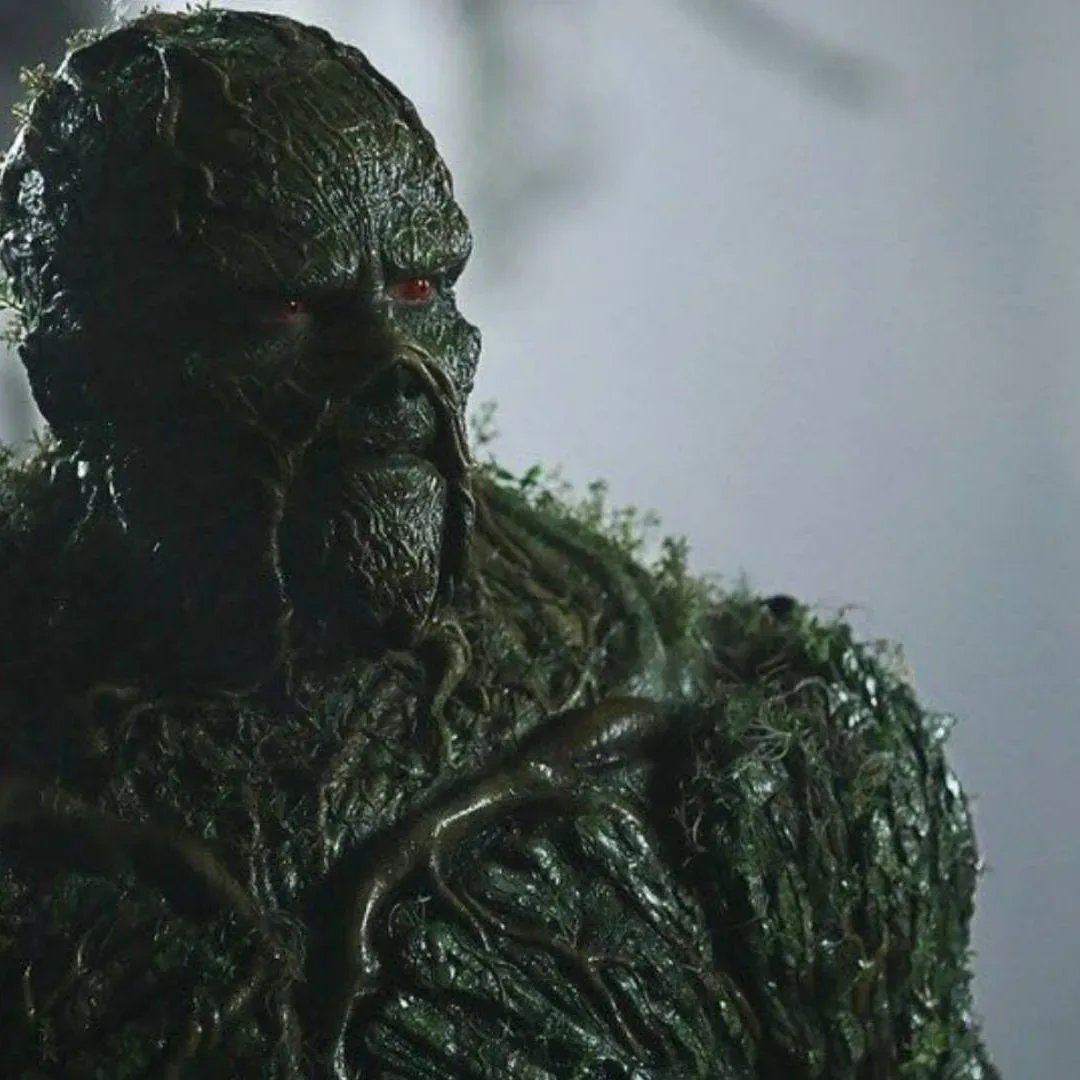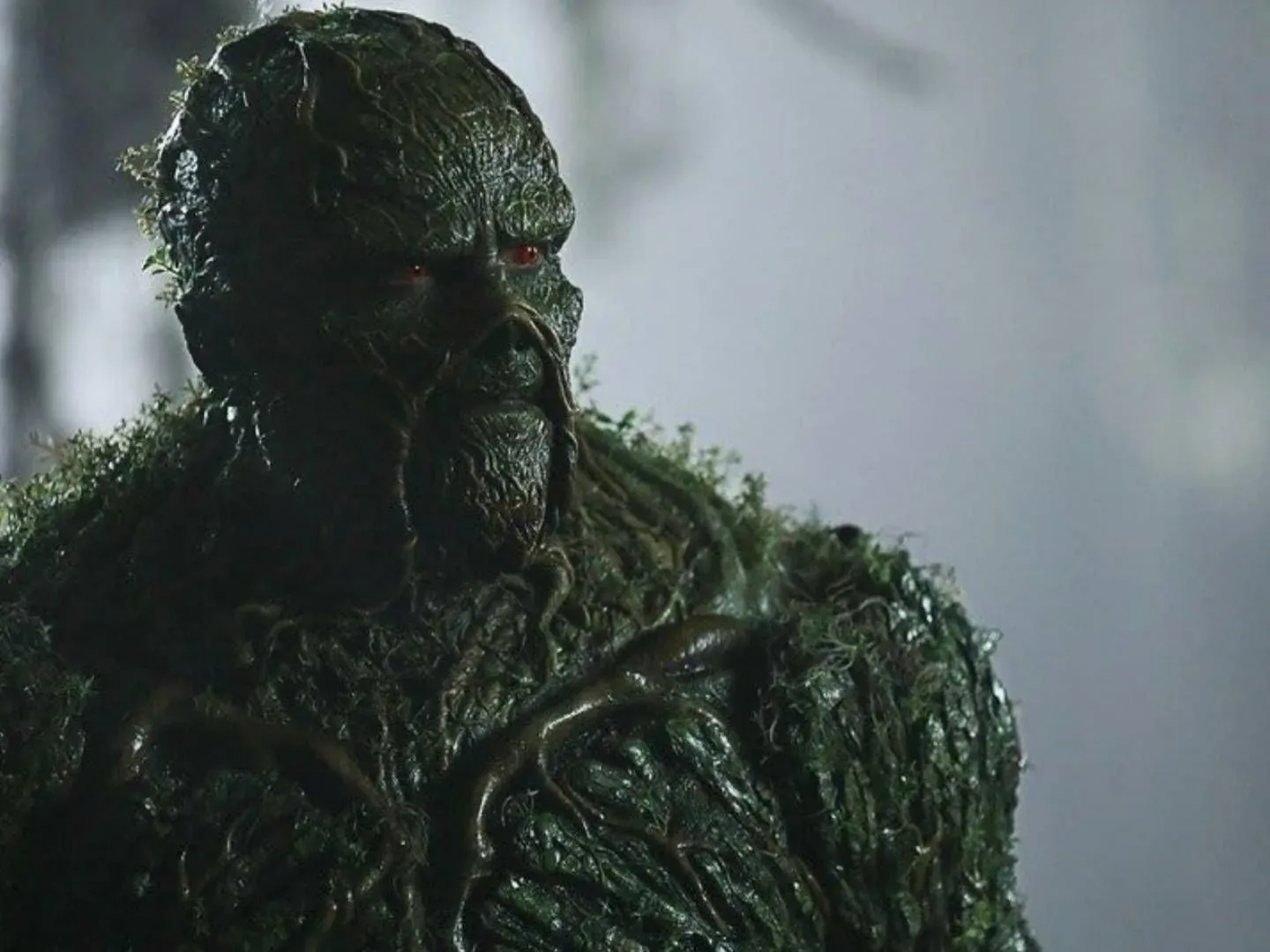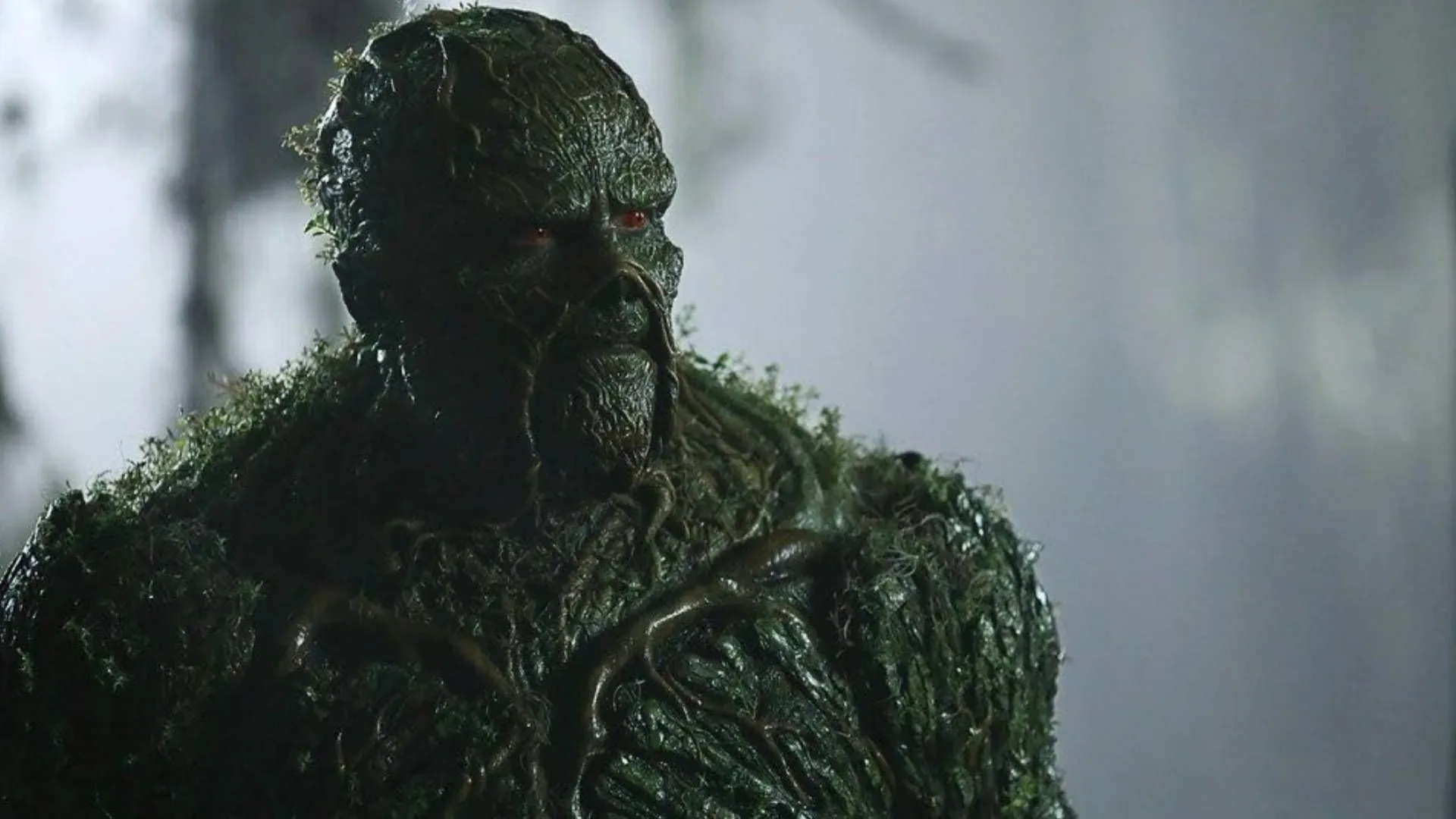
DC’s Swamp Thing film is still alive in the development swamp. Peter Safran, co-CEO of DC Studios, has confirmed that work continues on the project and that its screenplay is actively being written.
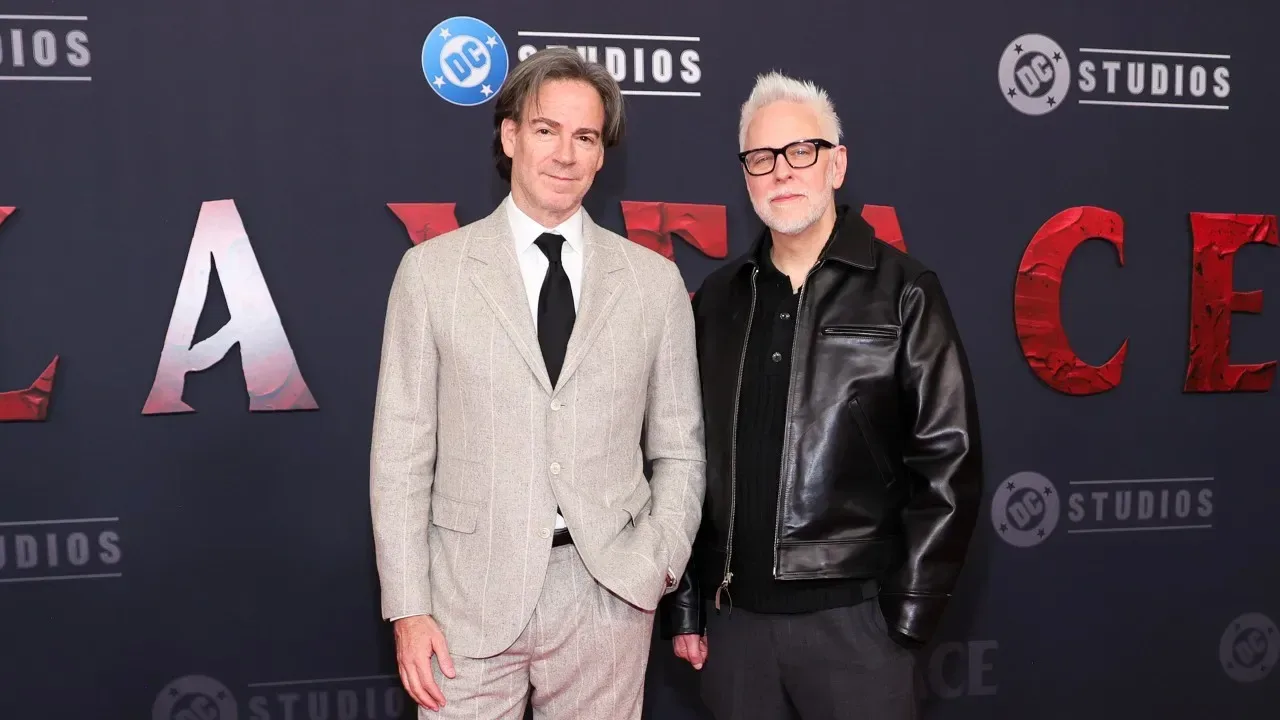
“We’re working on it, absolutely,” Safran said while discussing the film at the Clayface premiere. “The script is being written as we speak.” He also stressed that the process takes time, particularly once a filmmaker is attached: the production must work around that filmmaker’s availability.
That is a small update, but an important one. Swamp Thing was unveiled in 2023 and has spent a long period without a substantial public progress report. The confirmation does not provide a release date, a cast, or a production timetable. It does establish the central fact fans needed to hear: the movie has not been abandoned, and it remains in the scripting phase.
What DC has confirmed—and what it has not
The clearest status description is straightforward: a script is being written. In film development, that means the project is being shaped at the screenplay stage rather than being confirmed as filming, finished, or ready for release. A screenplay is the working document that sets out the story, scenes, characters and dialogue for a movie. It is a major step, but it is not the same as a production start.
Safran’s remarks also point to a practical limitation rather than a creative problem. He said that projects with an attached filmmaker have to wait for that person’s available window. James Mangold is the filmmaker associated with Swamp Thing, so the film’s eventual pace is tied in part to when he can move forward with it.
That distinction matters because audiences often read silence as cancellation, especially when a broader superhero slate is changing. Here, DC has offered a more measured answer: the project is in active development, but there is no stated promise about when the next milestone will arrive.
- Confirmed: DC is still working on Swamp Thing.
- Confirmed: The script is currently being written.
- Confirmed: The project’s timing must account for its filmmaker’s availability.
- Not confirmed: A release date, cast, start of filming, or completed screenplay.
Mangold’s intended direction: Gothic horror, not lore homework
The most useful guide to the movie’s likely creative identity comes from Mangold’s earlier comments. He described his take as a “simple, clean Gothic horror” centered on a “man/monster.” That language suggests the film’s core interest is the tragic and frightening tension inside the title character, rather than an attempt to rush through every corner of an extensive comic-book mythology.
Gothic horror is a term generally used for stories that blend fear with atmosphere, isolation, transformation, decay and emotional unease. In the context of Swamp Thing, Mangold’s wording signals that the monster element is not merely spectacle. The creature’s humanity, or the possibility of losing it, appears positioned as a central dramatic question.
Mangold has also said he intends to treat the movie as a standalone. His explanation was notably direct: he wants to make his own version rather than become constrained by so much established lore that the project becomes difficult to move. That does not mean the film has no connection to the wider DCU; the available information simply does not define those connections. What it does mean is that Mangold’s stated priority is a self-contained story that can work on its own terms.
For viewers, a standalone approach can be especially useful with a character who sits outside DC’s most familiar circle. It gives the movie room to introduce its premise and emotional stakes without requiring audiences to arrive with a detailed knowledge of continuity. The character can be strange, melancholy and frightening without the narrative first having to explain a large web of crossover obligations.
Why Swamp Thing is a natural fit for horror
Swamp Thing is not typically grouped with DC’s most commercially dominant heroes, but he is one of its better-known supernatural figures. The character is a swamp monster who seeks to protect the environment, an idea that readily supports horror imagery while also carrying an inherently protective purpose.
That duality is where the premise becomes distinctive. A monster story can ask who or what the monster is, but Swamp Thing also contains a question about what the monster is defending. The character’s environmental role puts nature, danger and protection in the same frame. Mangold’s “man/monster” phrasing recognizes that this is not simply a creature feature about an external threat. It is also a story about an identity that is both human-adjacent and inhuman.
The character’s profile increased considerably through Alan Moore’s acclaimed 1980s comic run. More recently, a 2019 live-action series was short-lived but well received. Those landmarks help explain why Swamp Thing has continued to attract interest despite usually existing at the edges of DC fandom rather than its center.
That peripheral position may actually suit the stated plan. Characters with fewer automatic expectations can offer filmmakers more tonal latitude, particularly when the goal is a clean, focused genre story. DC does not need to sell Swamp Thing as a conventional caped hero for the project to have a recognizable identity. It can be a Gothic horror movie first, built around a DC supernatural character.
A broader horror lane within the DCU
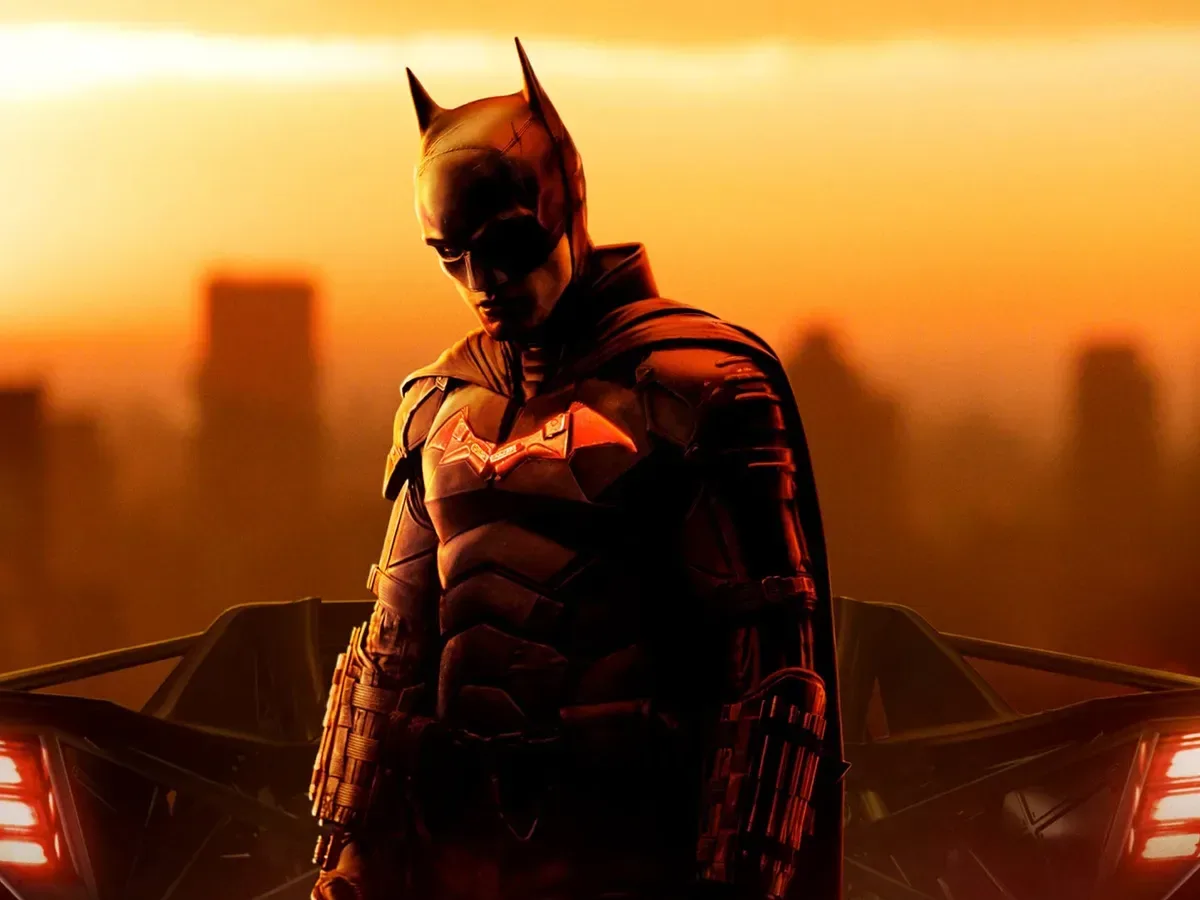
Swamp Thing is not the only DC project associated with horror elements. Early reactions to Clayface, the origin story focused on the Batman villain, have praised a grisly approach. Together, the two projects indicate that DC’s shared universe has space for darker and more unsettling material alongside its other kinds of stories.
That does not make the two films interchangeable. Clayface is tied to an iconic Batman antagonist, while Swamp Thing is framed around a supernatural protector and the man/monster idea. Still, the overlap in sensibility is meaningful: horror is not being treated as something incompatible with DC characters.
It is also a reminder that a connected universe does not need every entry to use one tone. A comic-book setting can include superhero adventures, villain origins, supernatural tales and character pieces. Mangold’s preference for a standalone story may be one way to preserve that tonal variety: viewers can encounter Swamp Thing as a complete Gothic horror narrative, rather than as an episode that exists only to set up another film.
For a wider look at genre storytelling built around the next generation of a franchise world, see the latest details on Avatar: Seven Havens.
What fans should take from the update
The sensible takeaway is cautious optimism. Safran’s statement is more concrete than a vague assurance that the film remains a possibility: he says the script is being written now. Yet it is still early enough that major details remain unknown, including who may appear in the movie, how it will connect to other DC projects if at all, and when cameras could roll.
For now, the creative outline is more revealing than any nonexistent schedule. DC has a filmmaker attached, and that filmmaker has articulated a clear intent: a standalone Gothic horror story built around Swamp Thing as both a person and a monster. That is a focused premise for a character whose strongest material has long lived in the supernatural margins of DC.
Development can be slow, and Safran explicitly says as much. But the film is still being developed, its screenplay is underway, and its stated creative direction remains unusually specific. In a slate where not every announced project reaches the same stage, that is meaningful progress—even if the path through the swamp is not yet mapped out.