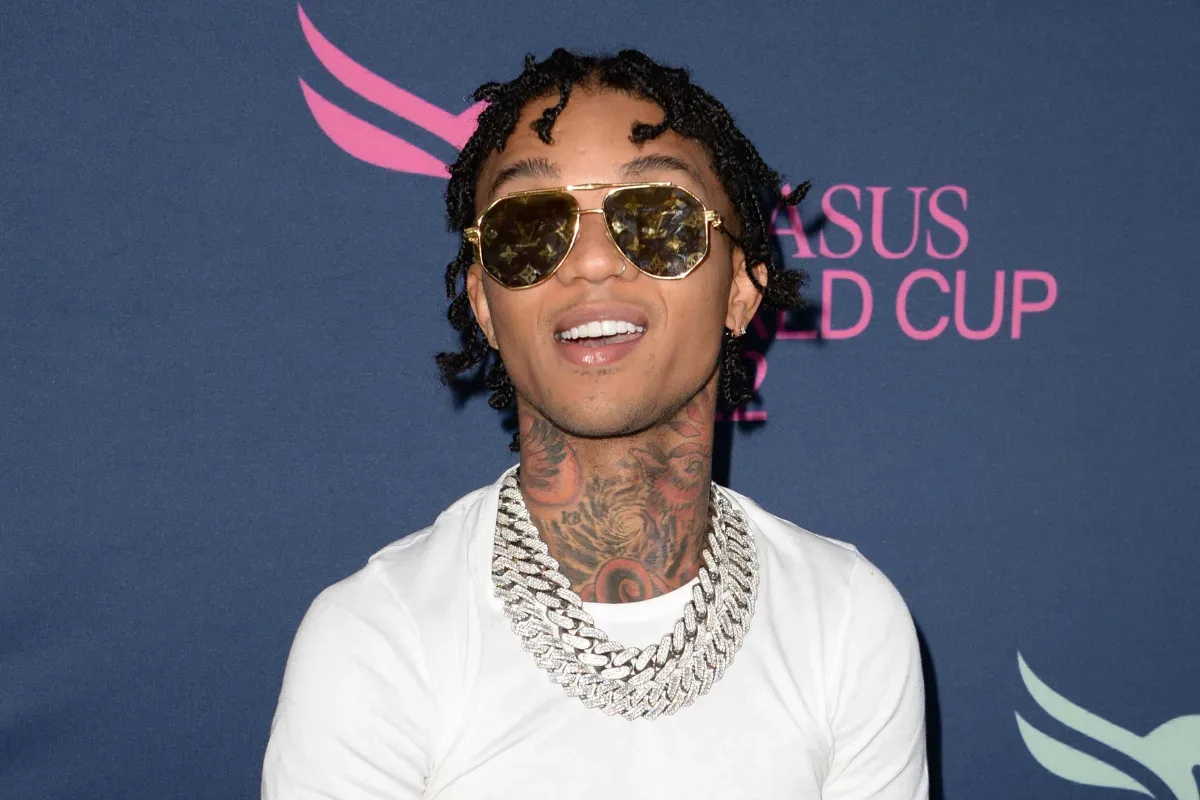
Swae Lee briefly halted his performance at India’s Shillong Cherry Blossom Festival on November 21 after a drink was reportedly thrown toward the stage.
The rapper, known both for his work in Rae Sremmurd and for solo collaborations, pointed toward the front of the crowd and accused a person there of throwing beer. He called for security to remove the concertgoer, wiped his face, requested a towel and then continued the performance.
The episode took place on the festival’s final night at the Madan Kurkalang Sports Complex in Bhoirymbong, outside Shillong. It was a sharp interruption to a large, multi-artist event, but not one that ended his set.
A pause, a security call and a return to the set
Throwing an object or liquid toward a performer is more than an awkward audience interaction. At close range, it can create a direct safety risk, damage equipment or force performers and crew to stop what they are doing long enough to determine where the item came from. In this case, Swae Lee’s response was immediate and targeted: he indicated the area where he believed the beer had been thrown and asked security to identify and remove the responsible attendee.
That distinction matters. A performer stopping briefly does not necessarily mean a show is abandoned. It can instead be a practical intervention: alert venue staff, address the immediate concern and establish that conduct which crosses the line will have consequences. Swae Lee returned to the music after the interruption, keeping the broader event moving.
The reported beer incident also did not appear to be the only thrown-item disruption of the night. During Khalid’s set, a shirt was thrown toward the singer. Khalid continued performing.
Both moments underline a basic live-show boundary. Crowd participation can be central to a festival atmosphere, especially near the barricade, but performers are not targets. A shirt, phone or drink may be intended as a gesture, a joke or an attempt to get noticed; once it enters the performance space, it becomes an uncontrolled object and can change a show in seconds.
Why the moment carries added weight
Swae Lee has previously experienced a more serious thrown-object incident onstage. During a Rae Sremmurd show in Dallas in August 2018, a phone thrown from the audience struck him in the mouth while the duo performed “Powerglide.” He completed the set and later said he needed stitches.
Related coverage includes Swae Lee Pauses Shillong Festival Set After Beer Is Thrown Toward Stage.
That earlier incident provides relevant context without establishing what happened in Shillong beyond the reported account. A drink and a phone are different objects, and the supplied details do not describe an injury at the festival. Still, the comparison illustrates why artists and security teams are likely to treat objects thrown toward a stage as an immediate issue rather than harmless fan behavior.
For performers, the risks include injury, distraction and a loss of awareness at a moment when lighting, movement and audio cues already demand concentration. For the crew, an unexpected liquid can be a concern around microphones, monitors, instruments, cables and other gear. For other attendees, a response that pauses the show can reshape the mood of an entire set.
Shillong Cherry Blossom Festival’s closing-night lineup
Swae Lee performed as part of a two-day Shillong Cherry Blossom Festival program that combined international acts with musicians from Meghalaya and the surrounding region. The event is tied to the seasonal flowering that gives the festival its name.
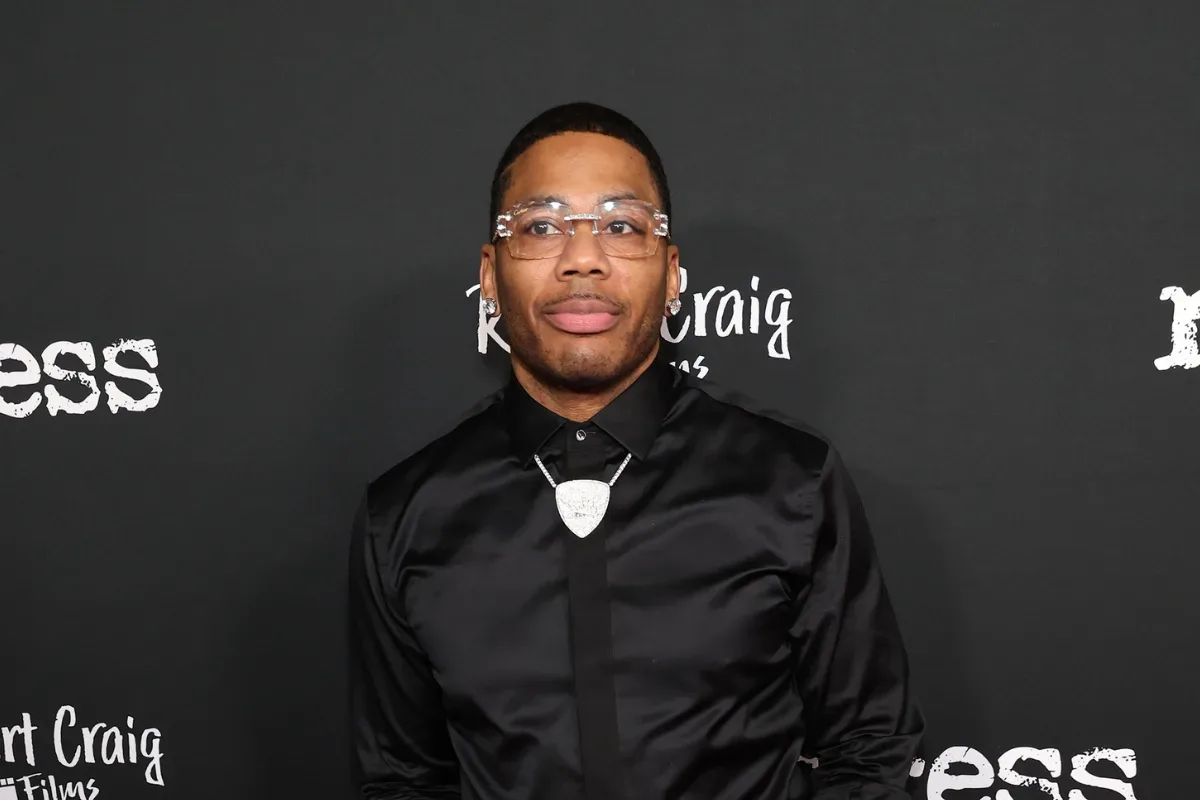
Nelly was booked for the opening night. The closing-night bill included Swae Lee, Khalid and Swedish electronic duo Galantis, placing the interruption within a broader evening of pop, hip-hop and electronic performances.
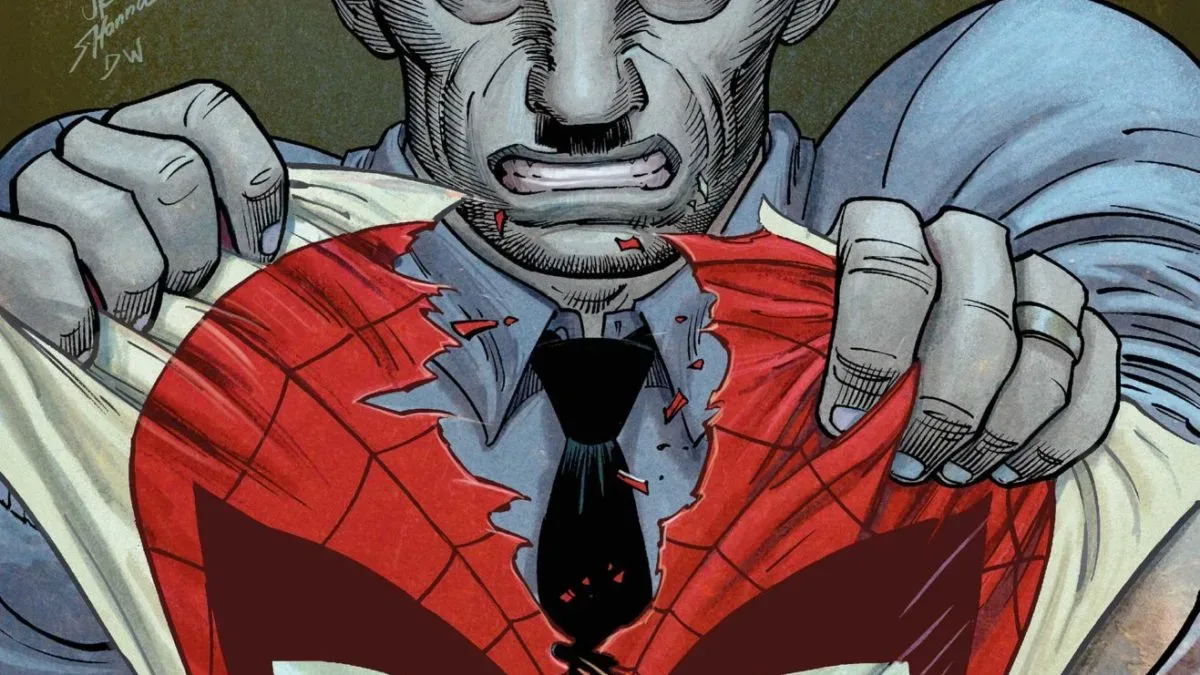
Swae Lee had appeared in India before this Shillong date. In November 2025, he performed at Rolling Loud India in Navi Mumbai. His presence on the Shillong lineup also drew on a catalogue that reaches across groups, collaborations and soundtrack work: Rae Sremmurd is behind “Black Beatles,” while Swae Lee and Post Malone recorded “Sunflower” for Spider-Man: Into the Spider-Verse. That film connection remains one of the clearest intersections between his music and contemporary pop culture; readers following Spider-Man-related media can also see recent comic-shop sales activity around Amazing Spider-Man.
What a festival security response is designed to do
The details available here describe Swae Lee directing security toward a person in the crowd, rather than a lengthy stoppage or a cancelled appearance. That is consistent with the immediate purpose of an on-site response: locate the alleged source of the disruption, separate that person from the performance area and make it possible for the artist to continue safely.
“Security” in this context means venue or event personnel responsible for crowd management and performer safety. It does not imply that every interruption leads to the same outcome. The appropriate response can depend on what was thrown, where it landed, whether anyone was hurt and whether staff can identify the individual involved. The available account does not provide further information about the attendee or any subsequent action beyond Swae Lee’s request that security remove the person.
Likewise, the report does not establish a motive. It identifies Swae Lee’s accusation that beer had been thrown, his visible effort to wipe his face and his request for a towel. Those details support the account of a brief disruption, but they do not justify broader assumptions about the crowd, the festival or the person he singled out.
The practical message for concertgoers
Live events invite energy, noise and direct connection between artists and audiences. That does not make the stage an acceptable destination for personal items, drinks or clothing. Keeping objects in hand is the simplest way to prevent an interaction from becoming a safety incident.
- Do not throw phones: They are hard, fast-moving objects that can cause injury.
- Keep drinks away from the stage: Spilled or thrown liquids can hit people and pose a risk around performance equipment.
- Respect the barricade and staff directions: Front-of-crowd areas need clear sightlines and room for security to react.
- Use permitted channels to show support: Cheer, sing along and follow the venue’s rules for signs or gifts rather than launching anything toward performers.
There is also a practical self-interest for fans. An avoidable thrown-object incident can interrupt the performance everyone came to see. In Swae Lee’s case, the pause was brief and the set resumed. That outcome should not obscure the reason the interruption happened: a performer believed an audience member had thrown beer toward him.
What comes next for Swae Lee
After the Shillong performance, Swae Lee is scheduled to return to the road in March as part of Jhené Aiko’s 37-city North American tour. The tour opens in St. Louis.
The Shillong stop therefore stands as a short but notable moment within an active run of international and upcoming North American appearances. The central fact is straightforward: an alleged thrown drink caused Swae Lee to stop, call for security and reset before continuing. It is a reminder that the line between a high-energy crowd and a disrupted show can be as small as one object leaving someone’s hand.